

Decks serve as the physical foundation for some of our most cherished memories—from quiet weekend mornings with a cup of coffee to lively summer barbecues and evening socials under the stars. However, this exposure to life’s best moments also comes with a heavy price. Day in and day out, outdoor wooden decks face an unyielding onslaught from the elements: blazing ultraviolet (UV) rays, torrential rainstorms, heavy snow packs, biting winter winds, and constant foot traffic.
Without proper intervention, unsealed wood quickly succumbs to environmental stress. It cracks, splinters, fades, warps, and ultimately rots, transforming a backyard oasis into an eyesore and a safety hazard.
To combat this decay while allowing the natural beauty of the wood grain to shine through, homeowners rely on high-grade deck sealers. But with countless formulations crowding hardware store shelves and online marketplaces—ranging from clear waterproofing solutions to tinted stain-and-seal combos—choosing the right product can be daunting.
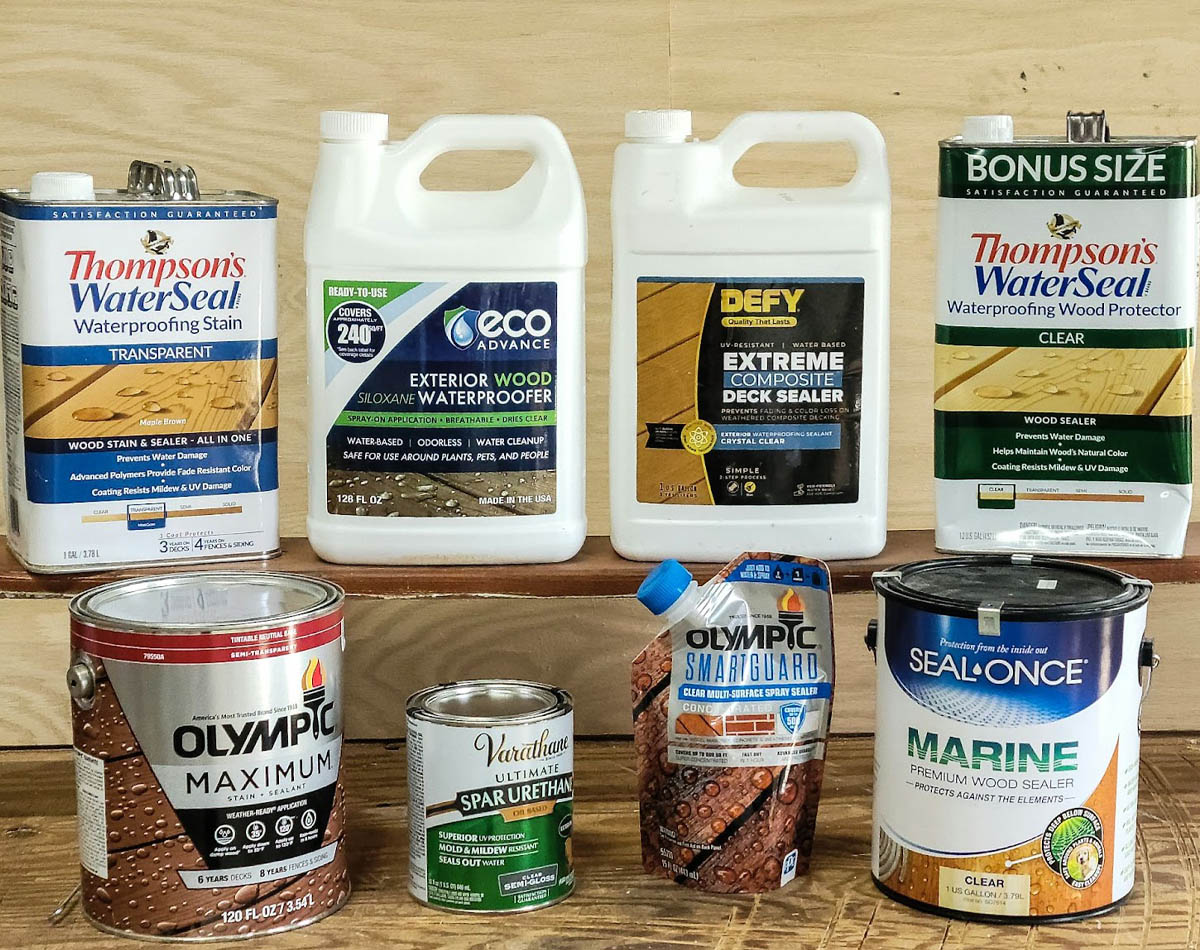
To separate marketing hype from genuine performance, experts put several popular deck sealers through rigorous hands-on testing on actual decking boards. Evaluators meticulously analyzed each product’s ease of application, water repellency, scratch resistance, and overall durability under accelerated weathering conditions. Leading the pack was Seal-Once Marine Premium Wood Sealer, praised for its deep-penetrating, low-VOC formula.
Main Facts: What Rigorous Testing Revealed
When investing in a deck sealer, consumers look for a balance of aesthetic enhancement, budget-friendly pricing, straightforward application, and reliable drying times. In a comprehensive review period, testers applied eight industry-leading sealers onto wood decking boards, observing how they behaved from the moment of application through weeks of punishing outdoor exposure.
Key Performance Findings:
- The Top Performer: Seal-Once Marine Premium Wood Sealer earned top marks across appearance, durability, and value, thanks to its near-odorless, low-VOC profile and exceptional water-beading capabilities.
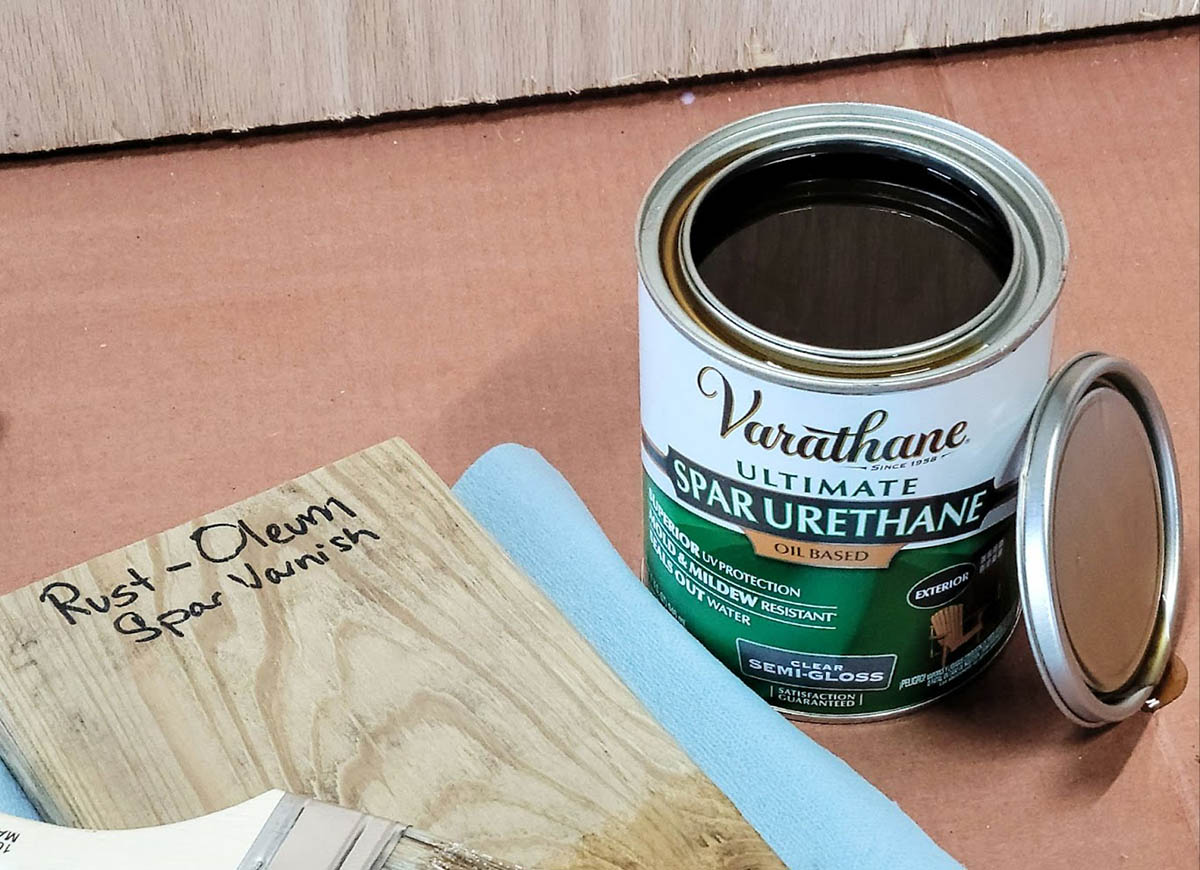
- The Budget Champion: Rust-Oleum Varathane Ultimate Spar Urethane offered robust defense and a brilliant semigloss sheen at a fraction of the cost, though it required multiple coats and strong ventilation during application.
- The Longevity Leader: Olympic Maximum Stain + Sealant impressed testers by offering projected protection for up to six years, while uniquely allowing application in temperatures as chilly as 35°F.
- The DIY-Friendly Option: Eco Advance Wood Water Repellent proved to be the easiest to apply, featuring a non-toxic, odorless, water-based formula safe for surrounding landscaping.
Chronology of the Evaluation Process
Evaluating deck sealers cannot be done overnight. While initial application and drying metrics can be logged immediately, the true measure of a sealer is how it withstands the unrelenting forces of nature.
Step 1: The Application Phase
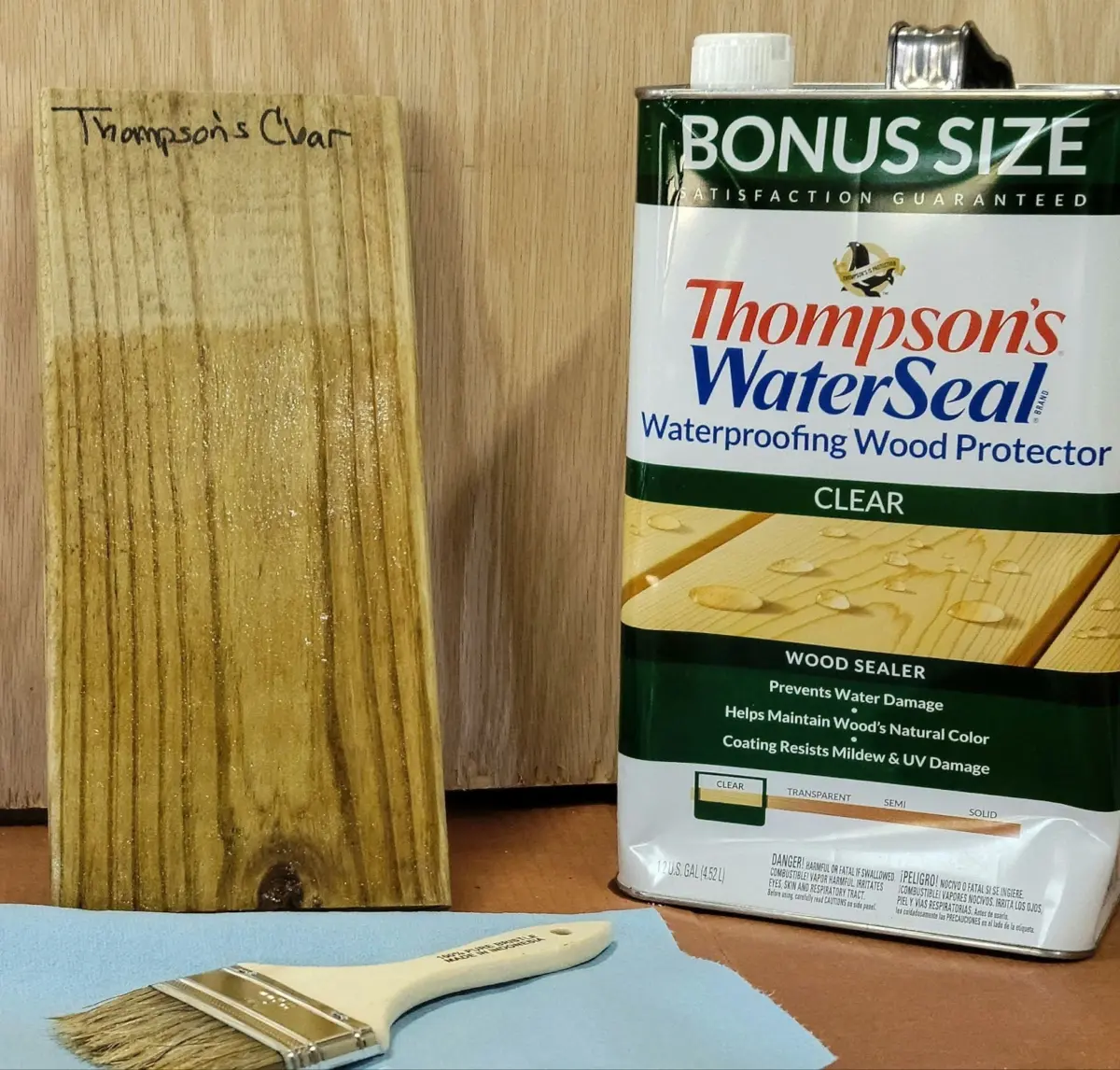
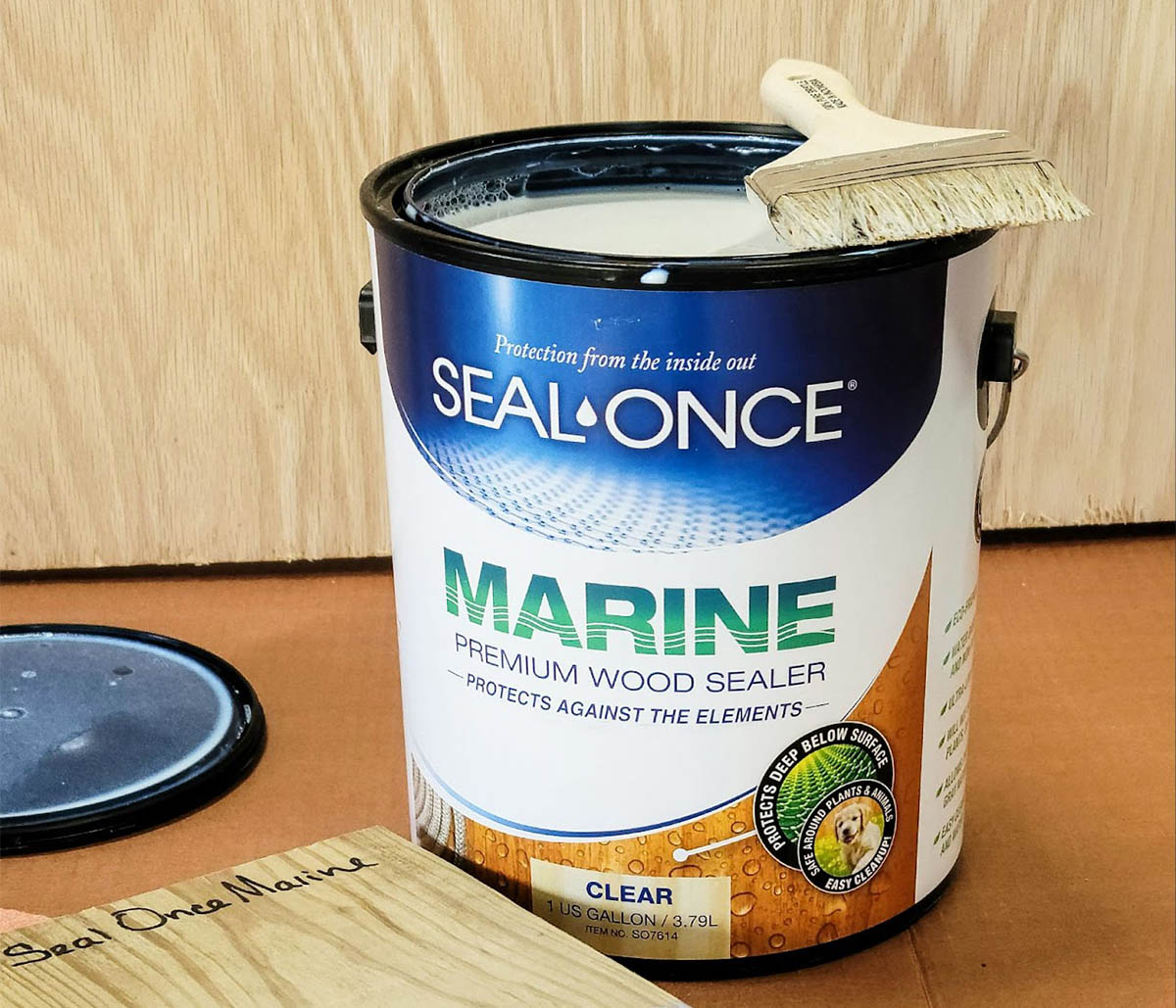
Testing began by brushing thin, uniform layers of each sealer onto individual decking boards. Evaluators monitored how the liquids soaked into the wood grain, whether they emitted harsh chemical odors, and if manufacturer-recommended second coats were necessary. For instance, while applying Seal-Once, testers noted that the milky liquid dried crystal clear within 45 minutes, allowing for a timely second coat while the surface remained slightly damp. Conversely, products like Rust-Oleum Varathane and Thompson’s WaterSeal required strict adherence to curing windows and multi-coat protocols.
Step 2: Initial Water-Resistance Testing
Once fully cured (typically between 24 to 48 hours), the test boards faced their first trial: the garden hose test. An untreated control section of each board quickly absorbed sprayed water, turning dark. In contrast, properly sealed sections forced water to bead up instantly and run cleanly off the surface.
Step 3: Simulated Foot Traffic
To mimic real-world wear and tear—such as children running, pets scrambling, and patio furniture sliding—testers sprinkled abrasive sand across the boards and walked over them repeatedly. The boards were then swept clean and inspected. While most boards showed minor surface scuffs, sealers that deeply penetrated the fibers (such as Thompson’s Transparent formulas) prevented scratches from exposing raw, unsealed wood underneath.
Step 4: Accelerated Weathering and The Test of Time
Ideally, deck sealers should be evaluated over several years. Due to time constraints, the test boards were subjected to an intense one-month outdoor trial. Positioned to catch maximum ultraviolet radiation, the boards endured fluctuating weather, including 11 nights where temperatures dipped below freezing.
At the end of the month, each board was scrubbed down with a nylon-bristle brush and an all-purpose household cleaner, allowed to dry, and retested. Remarkable differences emerged: products like Defy Composite Deck Sealer and Olympic Maximum continued to repel water flawlessly, leaving the underlying wood looking fresh and brand new.
Supporting Data and Product Breakdown
To help consumers navigate their choices, experts scored products across four core categories: Application, Appearance, Durability, and Value. Here is how the top industry solutions stacked up:
- Seal-Once Marine Premium Wood Sealer (Best Overall)
- Scores: Application: 4/5 | Appearance: 5/5 | Durability: 5/5 | Value: 5/5
- Standout Feature: Exceptionally low VOCs with virtually no toxic chemical odor. Water beaded effortlessly even after a month of freezing and thawing cycles.
- Rust-Oleum Varathane Ultimate Spar Urethane (Best Bang for the Buck)
- Scores: Application: 3.5/5 | Appearance: 5/5 | Durability: 5/5 | Value: 5/5
- Standout Feature: Imparts an attractive semigloss sheen and superior scratch resistance, though it demands good ventilation due to strong fumes.
- Thompson’s WaterSeal Transparent Wood Sealer (Best for Treated Lumber)
- Scores: Application: 4/5 | Appearance: 5/5 | Durability: 5/5 | Value: 4.5/5
- Standout Feature: Imparts subtle color (such as Maple Brown or Desert Tan) to neutralize the unappealing greenish tint common in pressure-treated pine and fir.
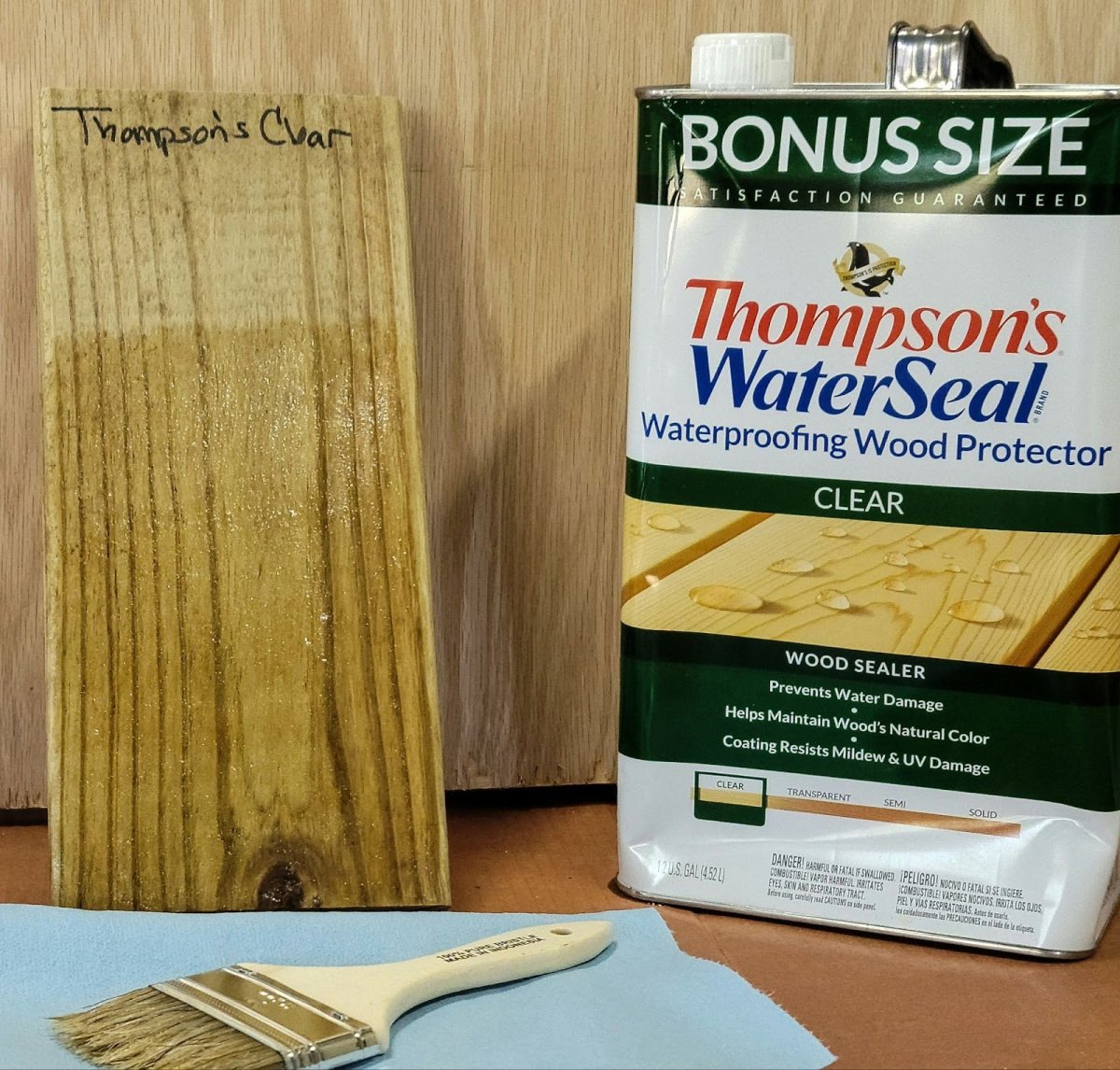
- Thompson’s WaterSeal Clear Wood Sealer (Best for Waterproofing)
- Scores: Application: 3.5/5 | Appearance: 5/5 | Durability: 5/5 | Value: 4.5/5
- Standout Feature: Preserves the natural, highly coveted hues of luxury woods like cedar and redwood without altering surface color or sheen.
- Defy Composite Deck Sealer (Best with UV Protection)
- Scores: Application: 5/5 | Appearance: 5/5 | Durability: 4/5 | Value: 4.5/5
- Standout Feature: Infused with tiny zinc particles to block destructive UV rays, preventing fading on both wood and composite decking.
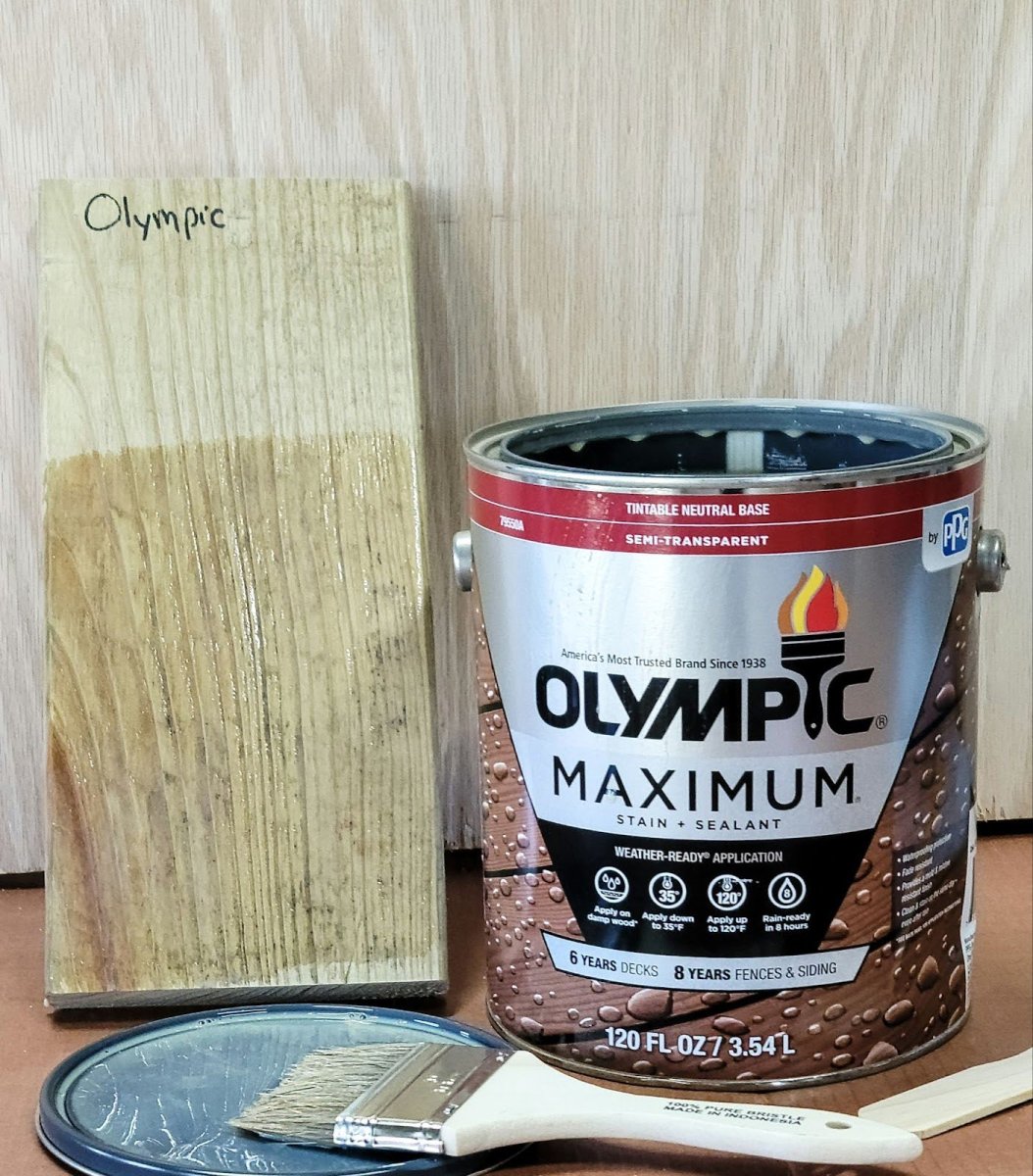
- Olympic Maximum Stain + Sealant (Best for Longevity)
- Scores: Application: 5/5 | Appearance: 5/5 | Durability: 4.8/5 | Value: 5/5
- Standout Feature: Offers extended protection lasting up to 6 years and can be applied in chilly temperatures as low as 35°F.
- Eco Advance Wood Water Repellent (Easiest to Use)
- Scores: Application: 5/5 | Appearance: 5/5 | Durability: 4/5 | Value: 4/5
- Standout Feature: A water-based, nontoxic, odorless formula that can be easily sprayed on via a garden pump sprayer without harming surrounding lawn or garden plants.
Expert Insights and Official Perspectives
Navigating the world of wood maintenance requires listening to those who work in the industry every day. Rafi Friedman, president of Coastal Luxury Outdoors in Jacksonville, Florida, emphasizes the regional importance of proper sealing.
"Deck sealer is much more important in humid conditions, and in areas with large temperature swings, especially if you get frequent freezing where you live," Friedman explains. When asked about material compatibility, he adds, "If your deck is made of a fade-resistant material, I’m a fan of water-based sealers, since they last longer under all conditions."
Friedman also issues a critical warning regarding preparation:
"When you apply deck sealer, you’re sealing in anything that was in or on your deck. If you seal in moisture, your deck can continue to rot despite the sealer. This is why it’s essential to thoroughly clean and sand your deck and wait for clear, dry conditions before applying sealer."
Implications for Homeowners
Choosing and applying a deck sealer is not merely an aesthetic weekend project; it is a vital structural investment. Neglecting a deck invites moisture penetration, which compromises the integrity of structural joists and fastening hardware, eventually leading to catastrophic failures.
By understanding the differences between oil-based and water-based options, monitoring volatile organic compounds (VOCs) for health safety, and matching UV-blocking formulations to local climate conditions, homeowners can drastically extend the lifespan of their outdoor living spaces. Taking the time to properly prep, clean, and seal a deck ensures that it remains a safe, beautiful environment for family gatherings and relaxation for years to come.
