NEW YORK — When homeowners seek to brighten up living spaces such as kitchens, living rooms, and open-concept dining areas, the automatic inclination is often to reach for a roller and coat the walls in brilliant, reflective shades of white. While an all-white color palette remains a timeless default for maximizing daylight, interior designers argue it is far from the only path to a luminous, airy atmosphere.
In fact, industry professionals emphasize that relying purely on pale wall colors can sometimes result in a stark, clinical environment. Instead, top designers are increasingly turning to architectural finishes, smart mirror placements, layered lighting, and strategic textiles to make even richly saturated or mid-tone rooms feel exceptionally bright, open, and alive.
Main Facts
Beyond White Paint: Designers note that achieving a light-filled space does not require abandoning rich color schemes or moody tones.
The Power of Sheen: High-gloss and lacquered paint finishes can bounce natural and artificial light around a room far more effectively than flat or matte surfaces.
Strategic Reflections: Utilizing antiqued mirrored walls, polished countertops, and carefully positioned hanging mirrors can dramatically multiply available light sources.
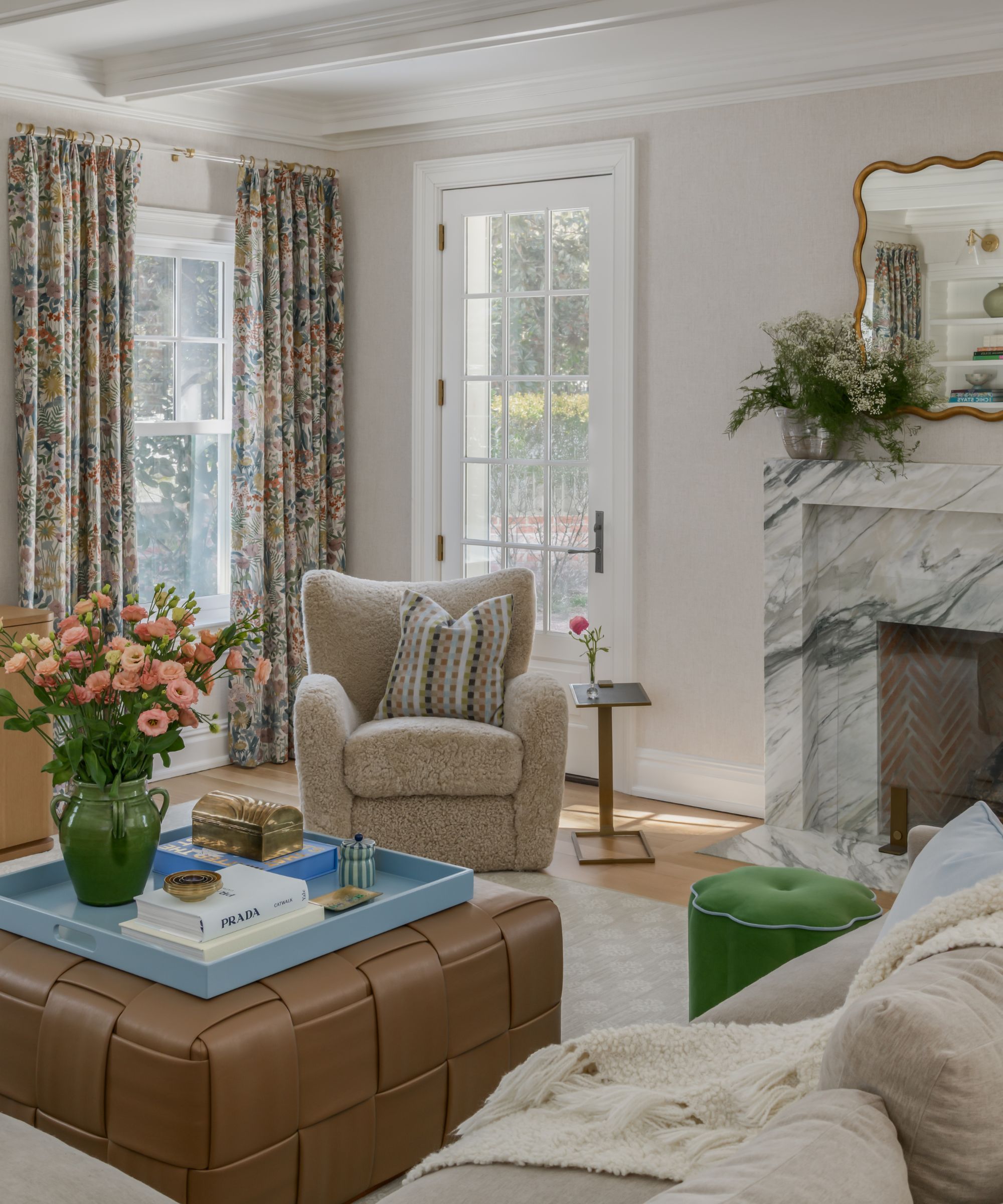
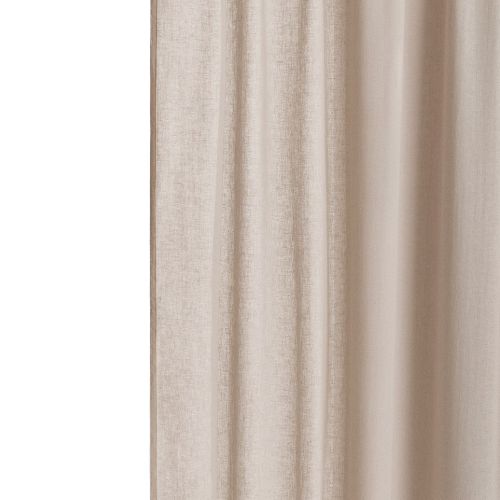
Window Treatments Matter: Hanging curtains and drapes higher and wider than the actual window frame draws the eye upward, creates a sense of height, and prevents fabric from blocking precious daylight.
Lighting Layers: Relying on a single overhead fixture is a major design pitfall; successful brightening relies on a curated matrix of ambient, task, and accent lighting at varying heights.
Chronology and Evolution of Brightness Trends
For decades, the standard prescription for a dark or small room was unequivocal: paint everything white. From the early 2000s minimalist wave to the recent obsession with stark Scandinavian aesthetics, homeowners systematically stripped away color in pursuit of daylight.
However, as interior design trends shifted toward cozy maximalism, earth tones, and saturated mid-century hues—such as deep teals, olives, and rich charcoals—homeowners faced a new challenge: how to enjoy moody, atmospheric color palettes without making their living spaces feel like caves.
Over the past few years, interior architects and residential designers began pioneering alternative, light-maximizing strategies. Instead of altering the color of the walls, designers started manipulating the behavior of light within the space. By introducing high-gloss lacquer to ceilings, selecting satin-finish quartz countertops, and extending drapery rods far beyond window frames, professionals discovered they could harness natural daylight and artificial fixtures to achieve an airy environment while keeping bold, grounding colors intact.
Supporting Data and Designer Insights
To better understand how these spatial illusions work, leading interior designers have shared their go-to techniques for transforming dark rooms into bright sanctuaries.
1. Reflect Light with Lacquered Paint
When selecting paint, homeowners often focus exclusively on the color swatch while ignoring the finish. High-gloss and lacquered paints feature a high sheen level that actively bounces light across a room.
"A reflective lacquer paint on the ceiling amplifies the natural light, creating a luminous finish without using color," explains New York City-based designer Meagan Camp. "The sheen draws the eye upward, enhancing the room’s sense of volume and making the space feel brighter, airier, and more generous."
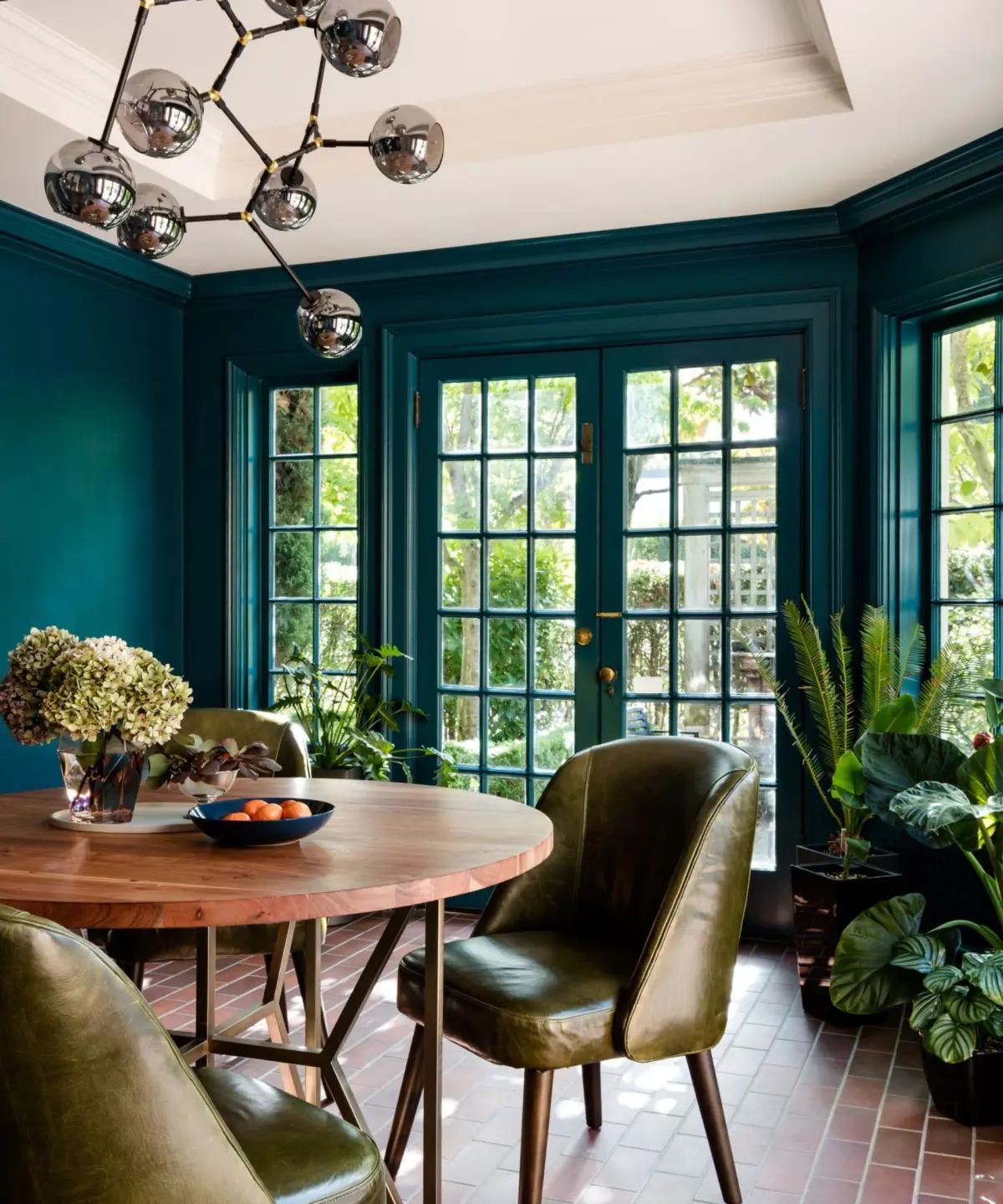
While covering all four walls in a high-gloss finish can be intense, applying it to a ceiling or utilizing mid-tone paints with a glossy sheen—such as Farrow & Ball’s Oval Room Blue—results in a dynamic, luminous space that defies traditional design rules.
2. Balance Wall Colors with the Flooring
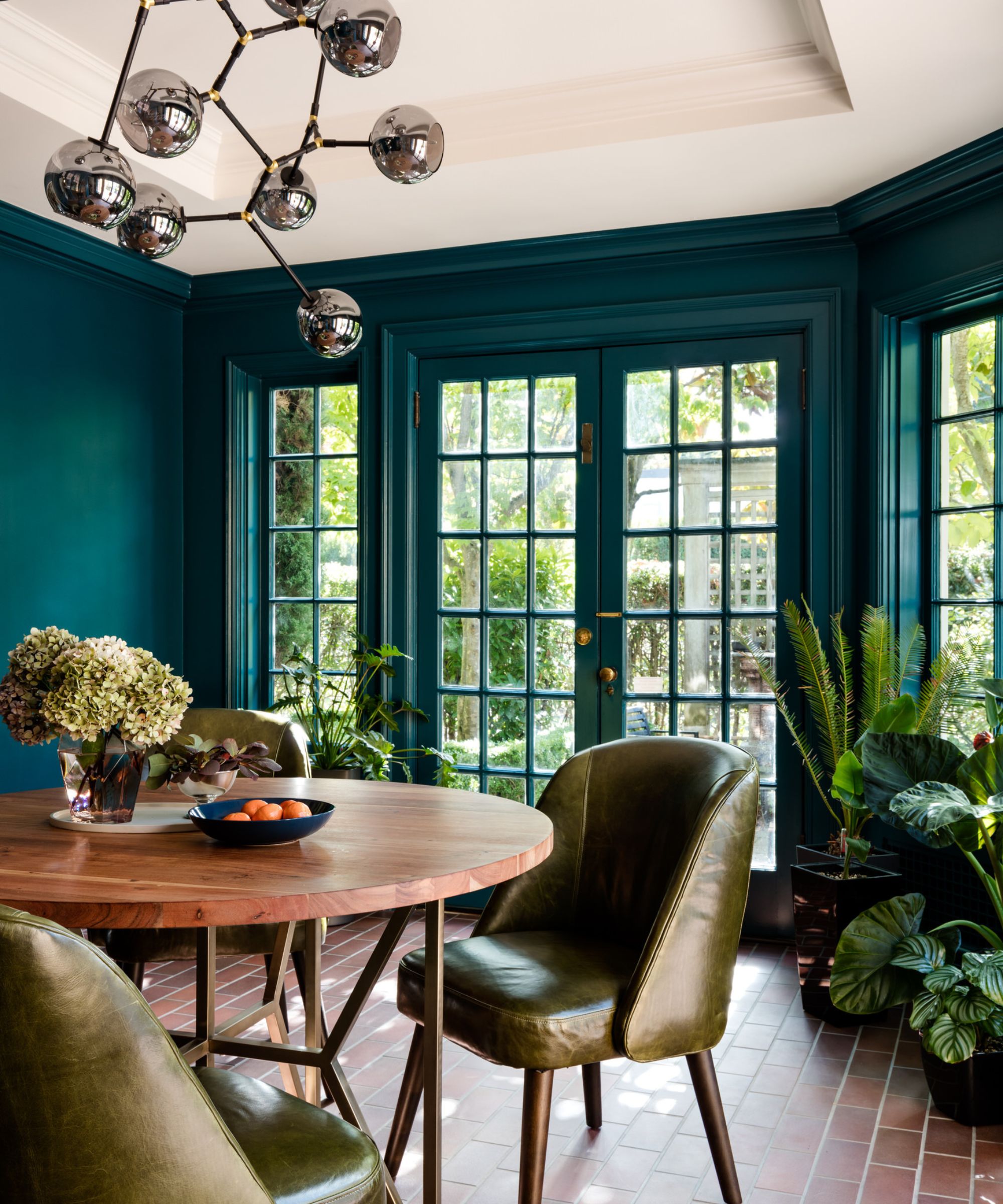
When working with dark walls, striking the right visual balance underfoot is crucial. If a room features deeply saturated wall colors, low-contrast flooring can prevent a harsh, jarring visual split.
"The mid-toned terracotta brick floor provides a visual bridge between the deeper wall color and lighter ceiling color," notes designer Shannon Adamson.
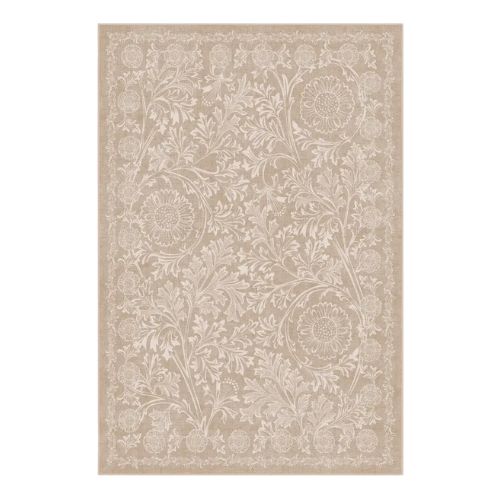
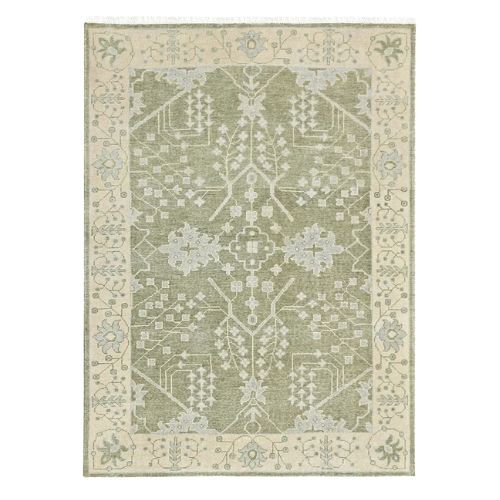
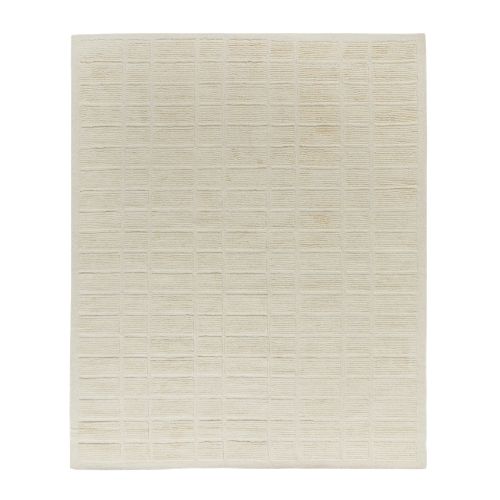
If replacing existing flooring is beyond the project scope or budget, designers recommend utilizing carefully chosen area rugs—such as a textured wool or neutral cream weave—to lighten heavy floorboards and anchor the room’s color palette.
3. Choose Surfaces That Bounce Light
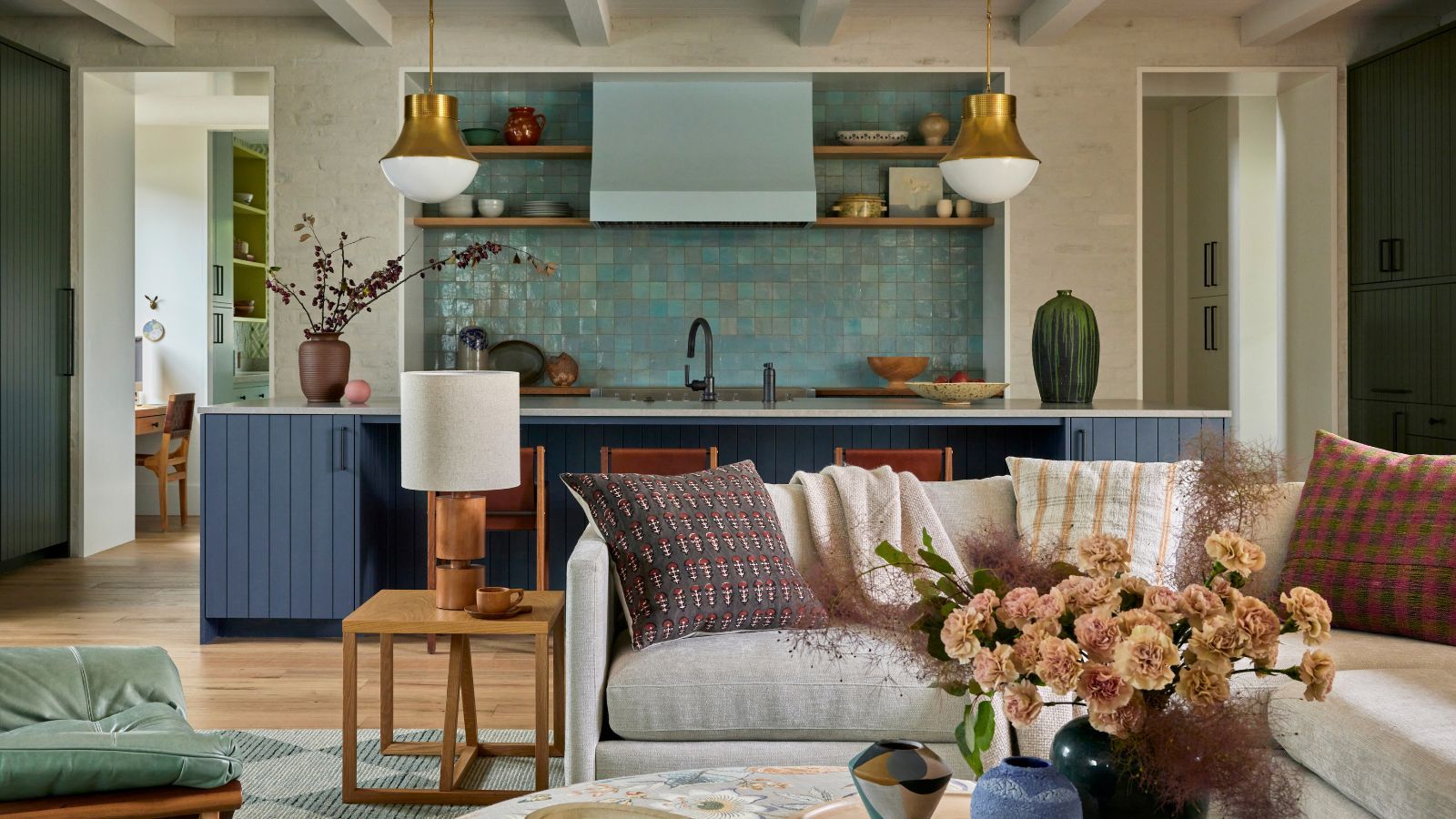
In high-activity zones like kitchens, material selections heavily dictate how light behaves. Matte finishes tend to absorb light, whereas satin and metallic finishes reflect it.
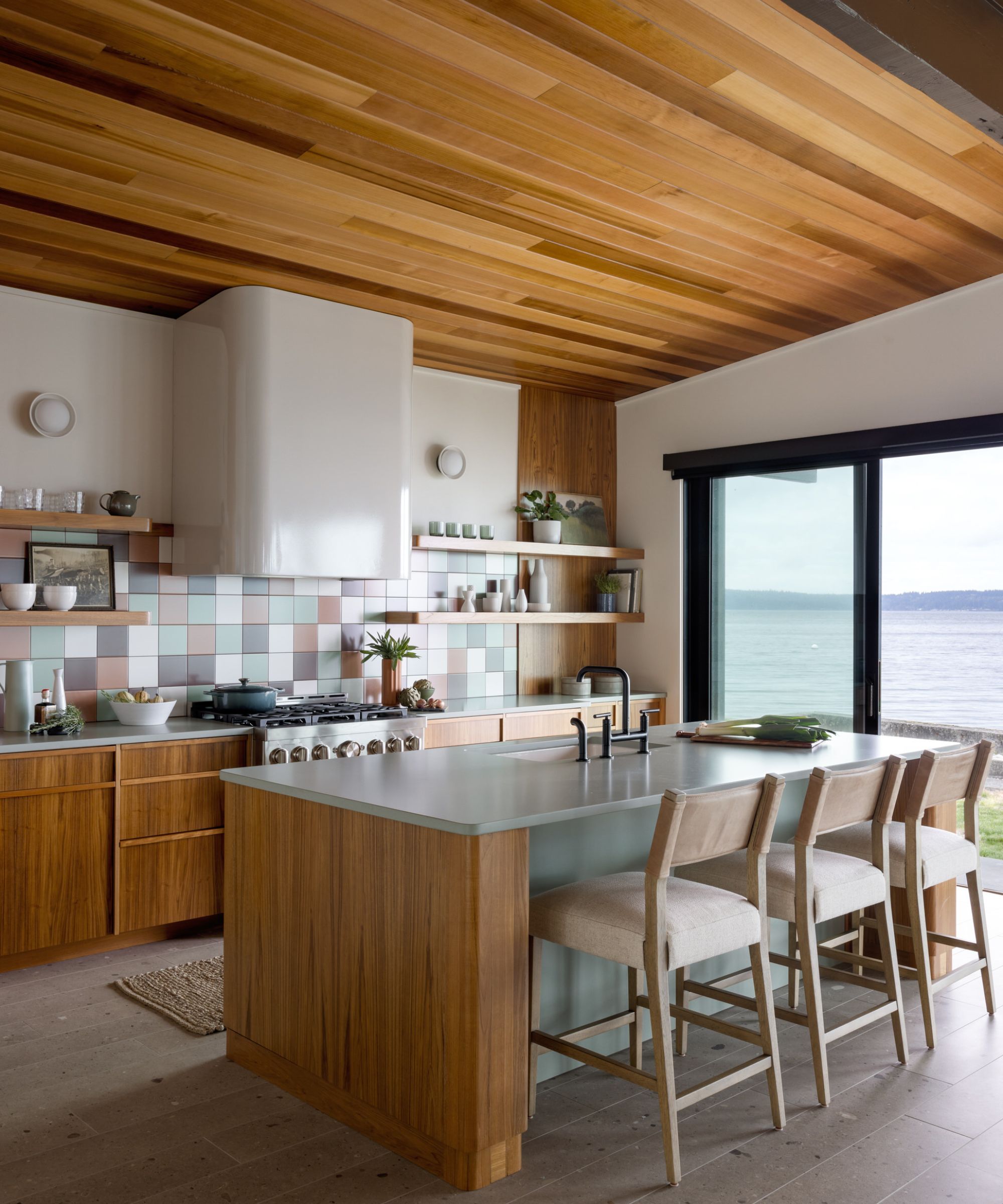
In a recent seaside cabin project, Shannon Adamson mixed rich teak cabinetry with custom metal range hoods finished in a subtle gloss. Paired with Silestone quartz countertops possessing a satin finish, the surfaces subtly reflect playful backsplash tiles and exterior sea light without appearing overly sleek or sterile.
4. Place Mirrors Strategically
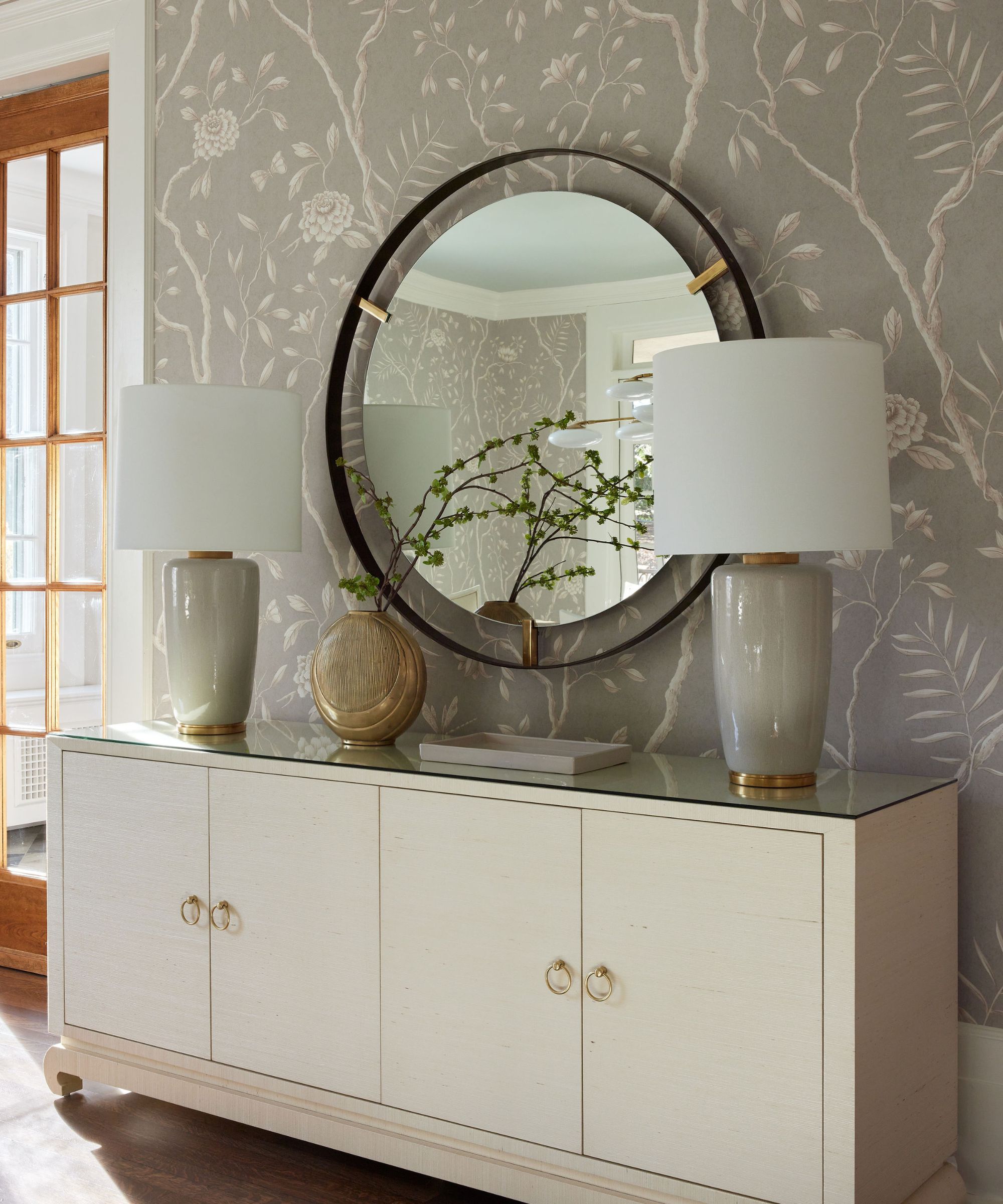
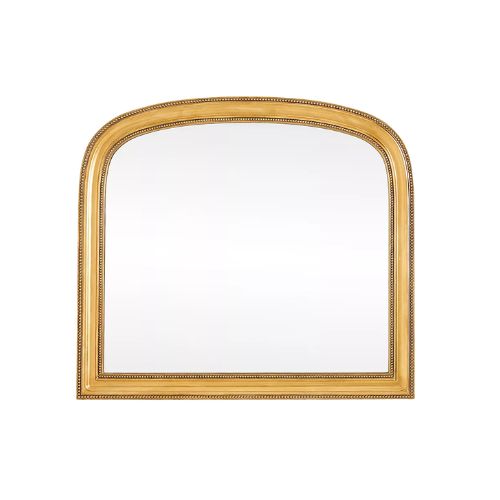
Decorating with mirrors is a time-tested trick, but placement is everything. Hanging a mirror directly opposite a window maximizes daylight capture.
"Placing a mirror opposite a window with natural light is an old design trick that helps maximize daylight in a room," says New Jersey-based designer Jessica Hobson. "The mirror’s reflective surface bounces sunlight around the room, making the space feel instantly brighter."
Hobson advises opting for styles with expansive glass surfaces and minimal frames. Furthermore, when hanging a mirror above furniture, it should be positioned roughly six to ten inches above the piece, with a width measuring between half to two-thirds of the furniture below.
5. Extend Window Treatments Beyond the Frame
Heavy curtains can easily choke out natural light if installed incorrectly. However, hanging window treatments higher and wider than necessary transforms how light enters a room.
"When trying to maximize light in a room, I always hang the window treatments as high as possible," recommends Jessica Hobson. "This not only makes your windows feel bigger, but also allows maximum light to come through."
Designers recommend mounting curtain rods four to twelve inches above the window frame—or just beneath crown molding—and extending them six to twelve inches past the frame on either side. This allows open fabric to skim the trim rather than block valuable glass space during the day.
6. Include Layered Light Sources
Relying on a single, stark overhead light fixture is widely considered a cardinal sin in modern lighting design.
"Relying on one overhead fixture is probably the biggest lighting mistake I see," warns San Francisco-based designer Regan Baker. "Light isn’t just about lumens; it’s about layering. When you have sources at different heights doing different jobs, you’re bouncing light around the room instead of just beaming it down from one point."
For an open-plan living space, designers recommend incorporating five to eight distinct light sources—spanning ambient recessed cans, task lamps at reading height, and accent wall sconces—to create pools of inviting illumination.
7. Introduce a Mirrored Wall
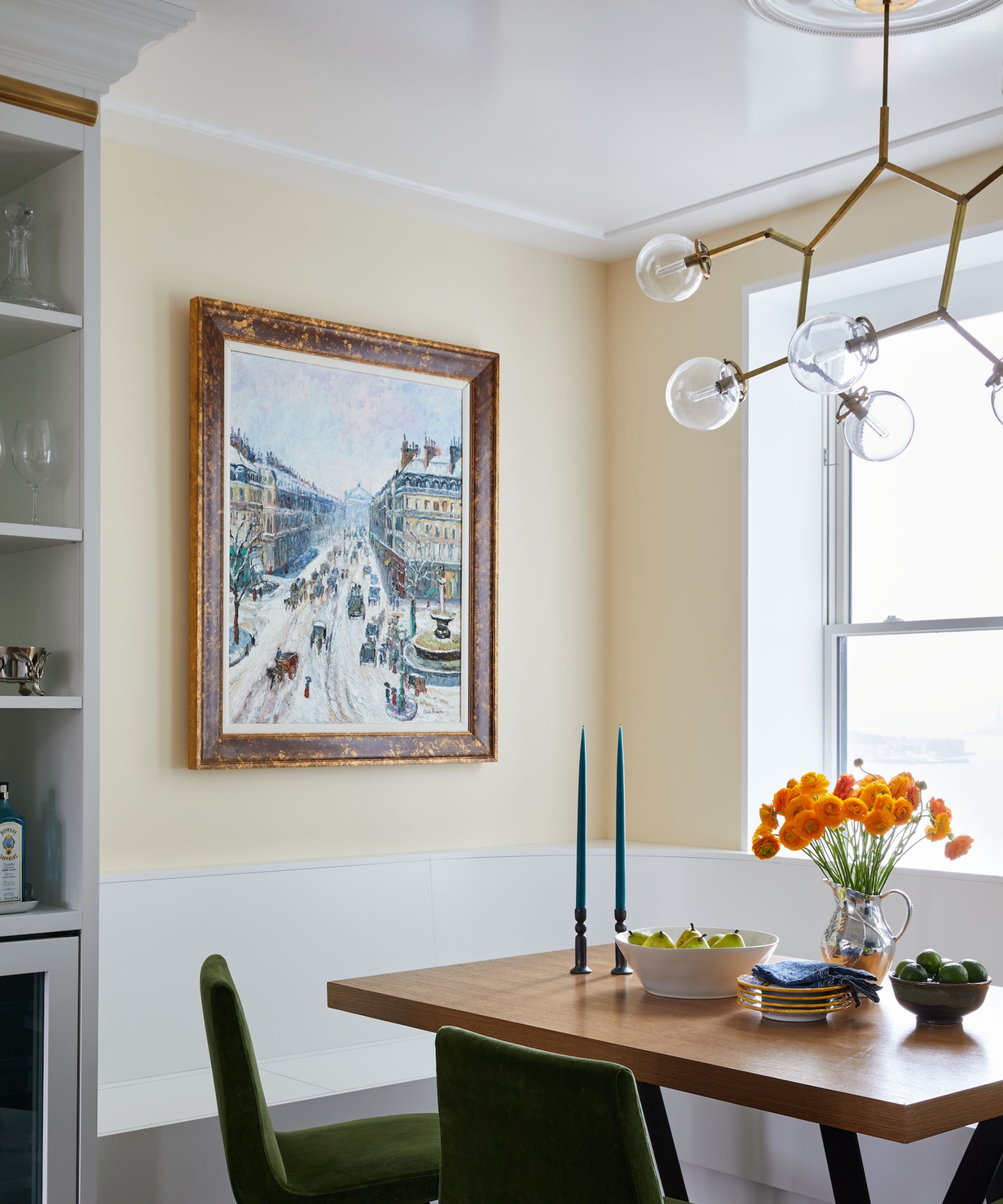
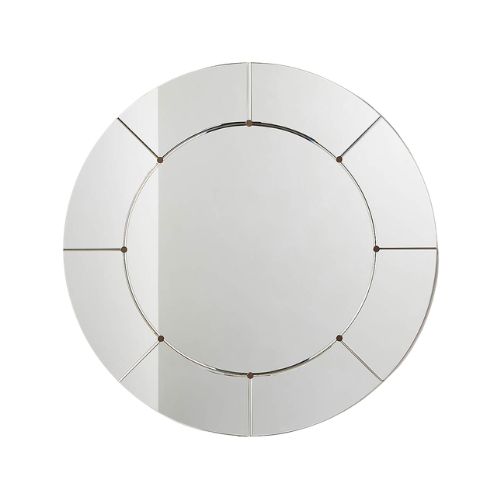
For particularly dark nooks, banquettes, or compact dining spaces, cladding a wall—or a portion of it—in mirror panels can work wonders.
"Incorporating a mirrored wall behind the custom seating area allowed reflected natural light to surround the entire banquette, organically brightening the room," notes Sarah Goesling of the Chicago-based Goesling Group.
Goesling suggests utilizing distressed, antiqued, or bronzed mirrors to add architectural depth and dimension, preventing the reflective surface from looking overly manufactured.
Official Industry Responses and Expert Consensus
The broader architectural and interior design community has increasingly embraced these lighting and material strategies, particularly in urban residential markets where access to natural sunlight is limited. Real estate developers and interior staging experts note that homes featuring layered lighting, high-sheen architectural accents, and optimized window framing consistently photograph better and command higher market interest than properties relying solely on "default white" paint jobs.
Industry bodies point out that consumer habits are shifting away from flat minimalism toward tactile, highly individualized spaces. By utilizing reflective surfaces rather than sacrificing personal color preferences, homeowners can achieve the illusion of added square footage and sunshine year-round.
Implications for Modern Homeowners
The practical implications of these design strategies are far-reaching for anyone embarking on a home renovation or redecoration project:
Cost Savings on Structural Remodels: Homeowners do not need to cut down walls, expand window frames, or add costly skylights to make rooms feel lighter. Strategic decor swaps can achieve similar results at a fraction of the cost.
Greater Creative Freedom: Fear of dark paint colors is officially a thing of the past. Rich mid-tones and saturated jewels can now be utilized safely when paired with the right finishes, rugs, and mirrors.
Improved Mood and Well-being: By focusing on layered lighting and maximizing natural sunlight through optical illusions, living spaces become more psychologically welcoming, dynamic, and comfortable for everyday living.
Ultimately, while white paint will always have a place in the designer’s toolkit, the modern home can be just as bright—and infinitely more interesting—by letting reflection, texture, and light do the heavy lifting.