

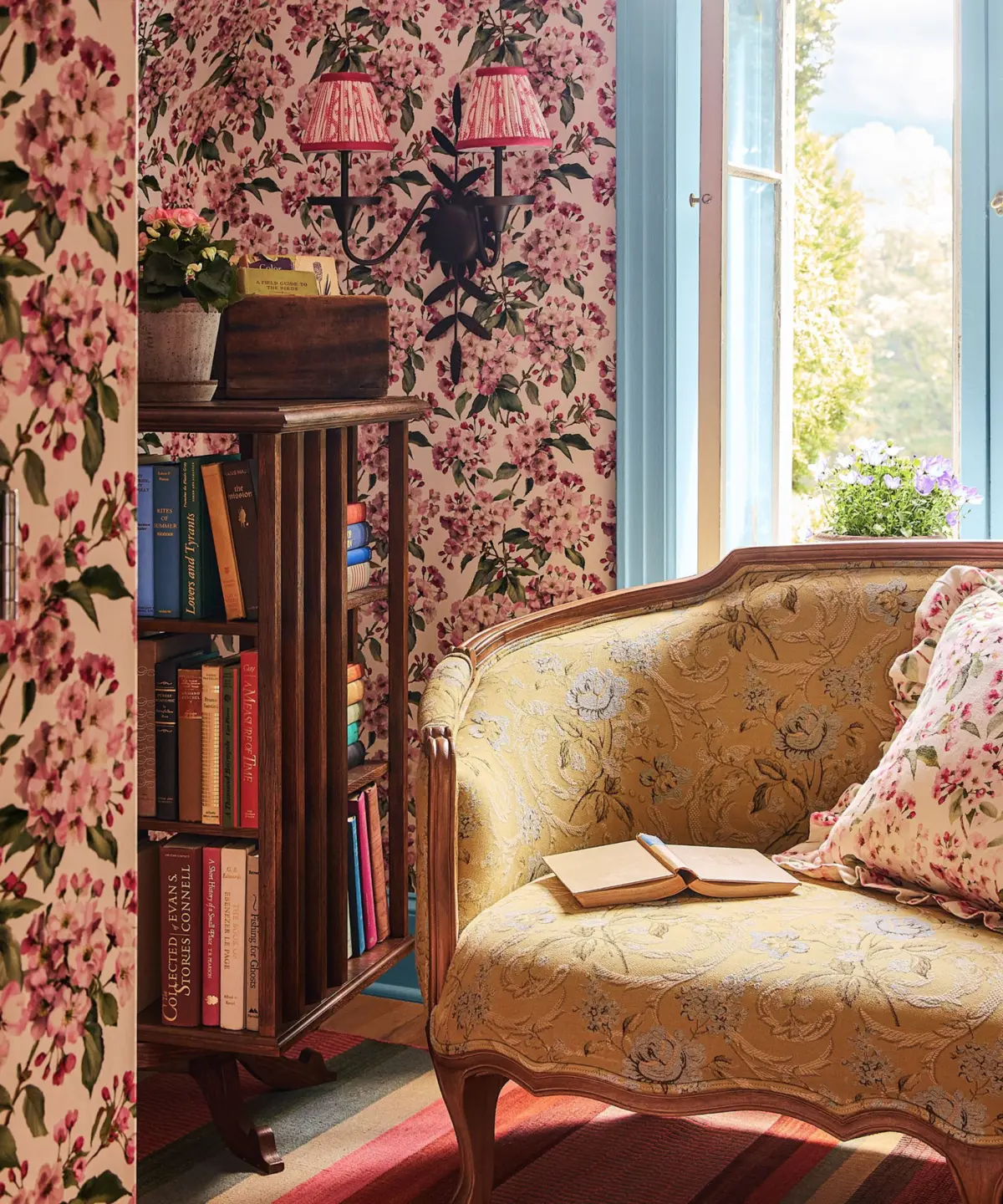
As the crisp air of autumn settles in and the daylight hours begin to wane, our collective desire for domestic comfort shifts dramatically. There is an innate, seasonal yearning to retreat indoors, wrap oneself in heavy textiles, and lose hours within the pages of a compelling novel. Central to this autumnal nesting instinct is the dedicated reading nook—a personalized sanctuary that marries interior design aesthetics with functional relaxation.
Far from requiring a sprawling mansion or a costly architectural overhaul, a successful reading nook can be carved out of the most unassuming spaces. Whether utilizing a sunlit alcove under a staircase, converting a quiet corner of a primary bedroom, or anchoring a compact living room with the right furniture layout, these micro-sanctuaries are designed to offer an immediate psychological and physical escape from the fast-paced modern world.
1. Main Facts: Anatomy of an Autumnal Reading Nook
At its core, a reading nook relies on a delicate balance of ergonomic comfort, atmospheric lighting, clever storage, and tactile layering. Interior design experts emphasize that transforming a neglected corner into a coveted haven does not necessitate a blank check, but rather a curated approach to specific foundational elements.
- The Seating Foundation: The anchor of any reading nook is an exceptionally comfortable seat. Whether an oversized accent chair, a cushioned window bench, or a compact settee, the seating must support prolonged periods of reading. Designers frequently recommend pieces upholstered in textured, tactile fabrics like soft chenille or boucle to amplify the cozy aesthetic.
- Layered Illumination: Proper lighting bridges the gap between functionality and ambiance. While overhead ambient lighting is generally too harsh for focused reading, statement floor lamps or directional wall sconces provide a warm, localized glow that protects the eyes while enhancing the room’s mood.
- Integrated Storage: A reading nook is only as peaceful as its clutter-control measures. Incorporating nearby shelving—ranging from budget-friendly modular units to statement revolving bookcases—keeps favorite titles within arm’s reach without cluttering the aesthetic.
- Seasonal Textures: The transition from summer to autumn demands a sensory shift in home decor. Heavy knit wool blankets, plush accent pillows, and charming tabletop accessories transform a basic chair-and-lamp setup into a lived-in, deeply inviting retreat.
2. Chronology: The Evolution of the Domestic Sanctuary
The concept of carving out private spaces for contemplation and reading within the home is far from a modern invention, tracing its roots through centuries of architectural and cultural evolution.
The Historic Library and Study (Pre-20th Century)
Historically, dedicated spaces for reading were reserved for the elite. Grand European estates featured sprawling home libraries complete with rolling ladders, floor-to-ceiling mahogany bookshelves, and heavy leather armchairs positioned near roaring hearths. These spaces were symbols of intellectual status as much as they were functional retreats.
The Mid-Century Shift Toward Nooks (1950s–1970s)
As post-war architecture shifted toward open-plan living and smaller, more efficient suburban homes, the massive private library began to decline. Designers and homeowners adapted by inventing the "corner retreat." The introduction of iconic seating—such as mid-century lounge chairs paired with freestanding task lighting—allowed everyday readers to create micro-libraries within shared living spaces.
The Contemporary Micro-Retreat (2000s–Present)
In recent years, the acceleration of digital connectivity and the rise of remote work have created a profound psychological need for physical "unplugging" zones. Social media platforms and interior design movements have romanticized the "book nook" as an essential element of modern wellness architecture. Today, the focus has shifted from architectural grandeur to clever space optimization, proving that even a tight apartment corner can become a high-end sanctuary through thoughtful curation.
3. Supporting Data: The Psychology of Comfort and the Home Nesting Trend
Recent interior design data and consumer behavior reports highlight a massive surge in home-centric nesting habits, particularly during the autumn and winter months.
- The Rise of "Cozy" Consumerism: Retail analytics in the home goods sector consistently show double-digit spikes in sales for textiles, accent lighting, and modular shelving units between the months of September and November. Consumers are increasingly prioritizing experiential home upgrades over large-scale renovations.
- Mental Health and Physical Spaces: Environmental psychology research underscores the importance of micro-environments within the home. Studies indicate that having a designated space solely dedicated to a restorative hobby—such as reading or meditation—significantly lowers cortisol levels and aids in mental decompression after a stressful workday.
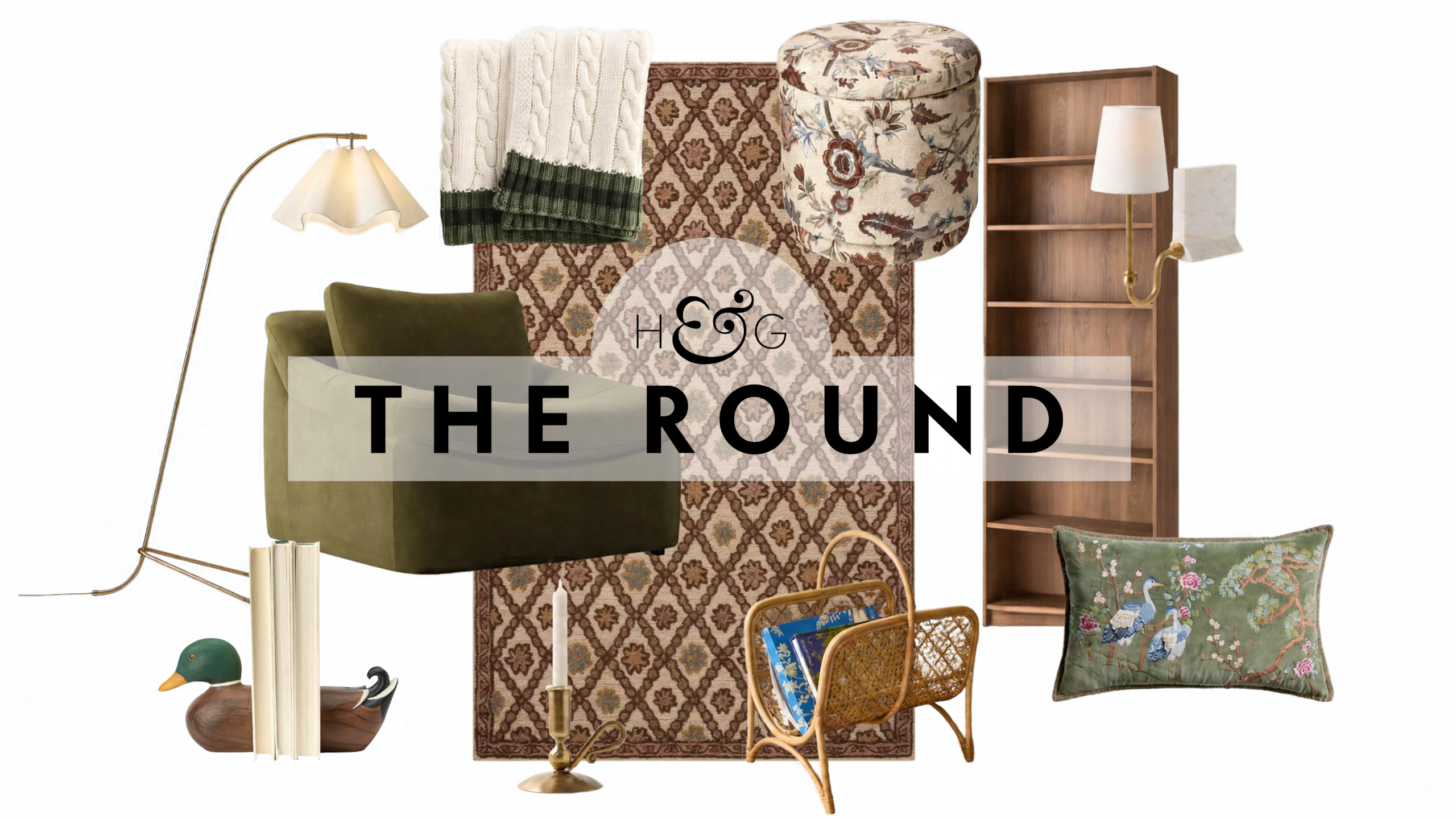
- Space Efficiency in Urban Living: With urban real estate trends leaning toward smaller footprint living, modular furniture pieces (such as the West Elm Danver Chair and Ottoman set or GreenRow’s compact revolving bookcases) have seen unprecedented demand. Homeowners are actively seeking multi-functional furniture that delivers high-end aesthetic value without overwhelming limited square footage.
4. Expert Insights: Curating Your Fall Haven
To better understand how to build the ultimate seasonal reading nook, leading interior stylists share their foundational rules for bringing a space to life.
Choosing Your Anchor Seat
"The seat is non-negotiable," notes one leading home decor expert. "If you aren’t physically comfortable, your mind won’t be able to wander into the pages of your book." Experts frequently point toward plush accent chairs paired with matching ottomans—such as West Elm’s Danver collection—to ensure proper leg support and postural alignment during long reading sessions.

Mastering the Lighting Layers
Lighting is often cited as the most common design pitfall in reading nook creation. Overhead lights flatten the space and cause eye strain. Instead, designers advocate for a layered approach. A statement floor lamp offers classic warmth, but for tighter layouts, plug-in wall sconces—such as Magnolia’s swivel designs with rattan or fabric shades—save valuable floor space while casting a localized, intimate pool of light.
Solving the Storage Dilemma
Books accumulate quickly, making storage a critical component of the design. While economical solutions like IKEA’s BILLY Bookcase offer versatile, budget-friendly foundations that can be easily customized with custom paint jobs, statement pieces like GreenRow’s Eleanor revolving bookcase act as functional art installations, bringing instant architectural charm to awkward corners.
5. Implications: The Broader Cultural Shift Toward Slow Living
The surging popularity of reading nooks extends far beyond interior decoration; it reflects a broader cultural movement toward "slow living" and intentional domesticity.
As society becomes increasingly digitized, the physical book has experienced a remarkable renaissance, particularly among younger demographics. Paired with this tactile reading revival is a conscious rejection of hyper-minimalist, sterile interior design. Consumers are actively seeking warmth, character, and nostalgia in their living spaces.
Creating a reading nook is an act of reclaiming personal time and physical space from the demands of the digital age. By investing in comfortable seating, warm illumination, and seasonal textiles, homeowners are not merely decorating a corner—they are engineering an environment that encourages stillness, reflection, and mental rejuvenation. As the autumn winds grow colder, these carefully curated micro-sanctuaries stand ready to offer comfort, imagination, and peace.
