

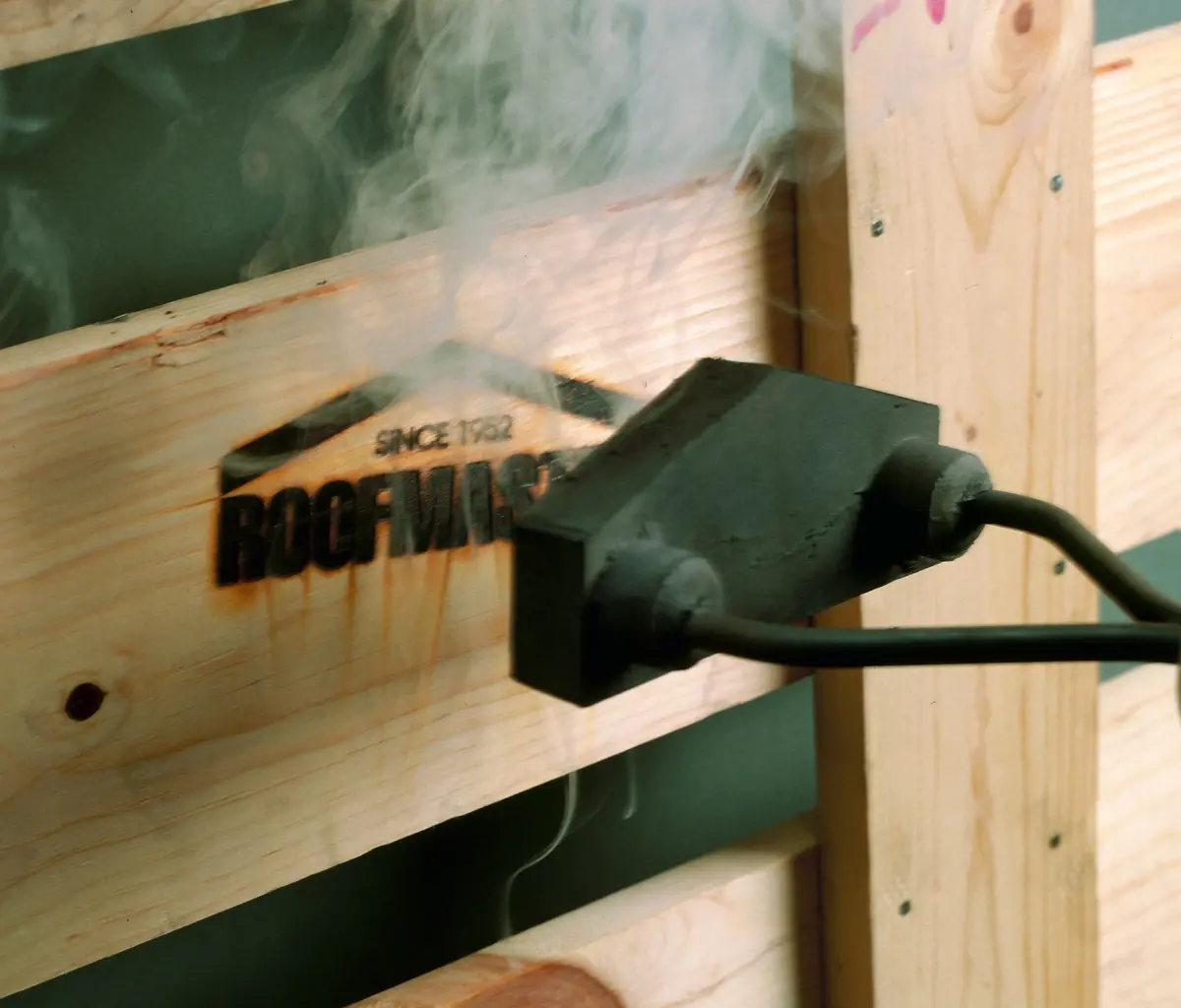
LOS ANGELES, CA — In a move highlighting the rapid digital transformation of the industrial construction supply chain, Roofmaster Products Company, a veteran manufacturer and distributor of commercial roofing equipment, has announced a major consolidation and digital restructuring of its extensive product portfolio. The initiative integrates thousands of specialized stock-keeping units (SKUs)—ranging from heavy thermal asphalt processing machinery to delicate single-ply membrane testing tools—into a unified, programmatic procurement platform designed to mitigate ongoing supply chain volatility and labor shortages across North America.
As the commercial roofing sector faces a complex convergence of strict regulatory updates, material transitions, and climate-induced design challenges, the availability of specialized equipment has become a critical bottleneck for major infrastructure projects. By restructuring its digital catalog into highly responsive, interconnected category ecosystems, Roofmaster aims to streamline B2B procurement for commercial contractors, mechanical engineers, and municipal developers.
Main Facts: Addressing the Commercial Construction Bottleneck
The modern commercial roofing industry is no longer defined solely by traditional asphalt application. Today, it is a high-tech discipline split between legacy Built-Up Roofing (BUR), modified bitumen, single-ply thermoplastic polyolefin (TPO), ethylene propylene diene monomer (EPDM), and emerging green or solar-integrated systems.
To serve this highly fragmented market, Roofmaster’s consolidated portfolio addresses several critical industry realities:
- Supply Chain Integration: The digital overhaul maps out over 100 distinct product classifications. This allows contractors to source heavy machinery, specialized hand tools, replacement parts, and safety gear from a single, centralized database.
- Thermal and Single-Ply Parity: The system establishes logistical parity between traditional hot-asphalt equipment (such as Roofmaster Kettles and tanker pumps) and modern single-ply tools (including automatic hot-air welders and adhesive application systems).
- Regulatory Compliance: With fall protection remaining the Occupational Safety and Health Administration’s (OSHA) most frequently cited violation, the platform prioritizes real-time inventory tracking for fall arrest systems, roof anchors, and perimeter warning equipment.
- Climate Adaptation Tech: Increased frequency of severe weather events has driven unprecedented demand for advanced water management. The platform features an expanded drainage catalog, focusing heavily on retrofit drains (aluminum, copper, and plastic) to prevent structural failures on flat commercial roofs.
Chronology: The Evolution of Roofing Supply Logistics
The restructuring of Roofmaster’s inventory model is the culmination of decades of technical evolution in North American roofing practices. Understanding this timeline explains why a consolidated digital procurement platform has become a necessity for modern contractors.
The Era of Hot Asphalt and Mechanical Dominance (1950s–1980s)
During the mid-to-late 20th century, commercial roofing was dominated by Built-Up Roofing (BUR) systems utilizing hot coal tar pitch or asphalt. Roofmaster established its market footprint by manufacturing heavy-duty asphalt kettles, mechanical hoists, and on-deck transport equipment like wheelbarrows and gravel buckets. Procurement during this era relied on regional physical warehouses and printed paper catalogs, with long lead times accepted as an industry standard.
The Synthetic and Single-Ply Revolution (1990s–2000s)
The introduction of synthetic single-ply membranes (TPO and EPDM) and modified bitumen sheets shifted the labor and equipment paradigm. Contractors required fewer open-flame asphalt kettles and more specialized hand tools, hot-air welding equipment, and sophisticated adhesive rollers. Distributors that failed to adapt their inventory to include items like LP torches, steel/rubber rollers, and membrane testers fell behind. Roofmaster expanded its manufacturing lines to accommodate these synthetic systems, creating a parallel supply chain alongside its traditional hot-asphalt business.
The Automation and Safety Push (2010s)
Stricter OSHA enforcement and a shrinking skilled labor pool forced the industry toward automated on-deck equipment. Power cutters, carbide-blade roof saws, and powered conveyors became essential for efficient "tear-off" operations on renovation projects. Simultaneously, the integration of electronic moisture detectors and infrared thermometers transformed roof inspection from a destructive testing process into a highly technical, non-destructive diagnostic discipline.
Post-Pandemic Volatility and the Digital Transition (2020–Present)
The supply chain disruptions of the early 2020s, combined with a post-pandemic boom in warehouse construction and commercial retrofits, exposed the vulnerabilities of traditional procurement. Contractors could no longer afford to wait weeks for a replacement kettle valve, a specific spray tip, or a compliant safety harness. Roofmaster’s current initiative represents the logical conclusion of this historical trajectory: a fully digitized, programmatically mapped inventory system designed to ensure maximum job-site uptime through rapid sourcing of primary equipment and micro-replacement parts.
Supporting Data: Comprehensive Portfolio Breakdown
To understand the scale of the commercial roofing supply chain, it is necessary to examine the diverse categories of equipment required to execute a modern industrial roofing project. Roofmaster’s restructured database organizes these tools into several core functional systems:
                  [Roofmaster Consolidated Portfolio]
                                  │
      ┌───────────────────────────┼───────────────────────────┐
      ▼                           ▼                           ▼
[Thermal & BUR]             [Single-Ply & Spray]       [Water & Safety]
  ├── Kettles                 ├── Hot Air Welders        ├── Retrofit Drains
  ├── Tanker Pumps            ├── Adhesive Rollers       ├── Fall Arrest
  └── Feltlayers              └── Spray Pumps            └── Perimeter Warning
1. Thermal Processing and BUR Infrastructure
Despite the rise of synthetics, hot-applied systems remain vital for high-durability applications. The complexity of maintaining these systems is reflected in the extensive replacement-part catalog required to keep heavy machinery operational:
- Heating Equipment: Traditional large-capacity Roofmaster Kettles, accompanied by specialized burner fuels and control systems (Kerosene, LP, and Butane burner parts).
- Fluid Dynamics & Control: Heavy-duty tanker pumps, litewall tubing, high-pressure unions, top swivel assemblies, and rubber flex hoses capable of handling molten asphalt at temperatures exceeding 400°F (204°C).
- On-Deck Application: Mechanical feltlayers, mini-moppers, hot asphalt carriers, and specialized mop hardware (including cotton mops, fiberglass applicator mops, and red-top super-spread variations).
2. Single-Ply and Adhesive Application Systems
For modern membrane installations, precision and temperature control are paramount. The digital catalog segments these highly technical tools to prevent cross-contamination of methodologies on the job site:
- Welding Technologies: Handheld and walk-behind hot-air welders, modified bitumen LP torches, and highly specific welder parts and accessories.
- Adhesive and Coating Management: Specialized adhesive rollers and frames, material hose clamps, and high-volume spraying systems (including Roof Rigs, WarmMaster, GranuleMaster, and small pump systems).
- Insulation Fastening: Advanced mechanical fastening systems, including pre-assembled deck screws, base ply fasteners, concrete nail-ins, button kaps, and low-density deck fasteners (Tube-Lok).
3. Drainage, Water Management, and Structural Protection
Modern building codes require commercial roofs to act as active water-shedding structures. Poor drainage is the leading cause of structural roof collapses. The updated catalog includes a massive expansion of water-management solutions:
| Drain Material / Type | Application Category | Key Accessories |
|---|---|---|
| Aluminum Retrofit | Renovation / Retrofit | Clamping Rings, Underdeck Clamps |
| Copper Retrofit | High-Durability / Historic | Cast Iron Domes, Expansion Couplings |
| Plastic Retrofit | Cost-Effective Commercial | ABS/PVC Domes, Gravel Guards |
| Cast Iron Sump (S/M/L) | New Construction | Combo/Overflow Drains, Side Outlets |
4. Safety Systems and Regulatory Compliance
With fall protection representing the highest risk area for commercial roofing contractors, the platform categorizes safety equipment as a zero-tolerance inventory line, ensuring these items are never backordered:
- Personal Fall Arrest Systems (PFAS): Full-body harnesses, shock-absorbing lanyards, and temporary or permanent roof anchors.
- Perimeter Protection: Warning line systems, stanchions, flags, and highly visible job-site warning signs, cones, and barricade tapes.
- Environmental & Personal Safety: First aid and burn kits, specialized fire extinguishers rated for hot-work operations, heavy-duty safety gloves, and protective footwear/headwear.
Official Responses: Industry Stakeholders Weigh In
The transition to a unified, highly detailed digital database has drawn praise from logistics experts, while highlighting the operational pressures currently facing roofing contractors.
Marcus Vance, Director of Supply Chain Logistics at Roofmaster Products, commented on the digital migration:
"Our contractors do not just buy tools; they manage complex, time-sensitive risk profiles. If a crew is on a roof in Chicago and a conveyor belt snaps or a single-ply welder fails, the financial penalties for project delays can reach tens of thousands of dollars per day. By organizing our catalog into a highly searchable, programmatically linked database, we are eliminating the friction of B2B procurement. A contractor can identify the exact replacement part—whether it’s an FBR conveyor component, a carburetor blade for a roof saw, or a specific kettle valve—and secure local inventory within minutes."
Dr. Helen Rostow, an independent construction economist specializing in industrial supply chains, analyzed the broader market implications:
"The commercial roofing sector has historically been slow to adopt modern inventory management systems, often relying on highly fragmented local distributorships. Roofmaster’s comprehensive digital consolidation represents a necessary maturation of the market. In an era where material costs are volatile and labor is scarce, supply chain predictability is a competitive advantage. Contractors who can source their entire operational footprint—from heavy thermal kettles to safety signs and hand tools—from a single, transparent digital platform will inevitably out-bid those stuck in traditional procurement cycles."
Future Implications: The Digital Future of Commercial Roofing
Roofmaster’s portfolio consolidation is more than an update to an online storefront; it represents a fundamental shift in how commercial roofing projects will be staged, executed, and maintained in the coming decades.
[Traditional Sourcing Model]
Contractor ──► Multiple Distributorships ──► Fragmented Shipments ──► Project Delays

[Modern Unified Model]
Contractor ──► Roofmaster Digital Platform ──► Consolidated Logistics ──► On-Time Execution
Streamlining the Renovation and Retrofit Market
As municipal building codes demand higher energy efficiency and better storm-water management, the commercial sector is seeing a massive shift toward retrofitting existing structures rather than building new ones. This requires highly specific "tear-off" tools, trash chutes, debris tarps, and retrofit drainage systems. A unified database allows contractors to pre-stage these complex renovation projects with precision, ensuring that the removal of old materials and the installation of new systems occur in a seamless, weather-tight sequence.
Predictive Maintenance and the Replacement Part Economy
By cataloging micro-components—such as spray tips, regulator parts, wheelbarrow tires (pneumatic and non-flat foam-filled), and engine replacement parts—the industry is moving toward a predictive maintenance model. Instead of replacing entire machines, contractors can easily identify and order specific wear-and-tear components. This extends the operational lifespan of expensive capital assets like conveyors, roof rigs, and thermal kettles, directly improving the long-term profitability of commercial roofing enterprises.
Elevating the Standard of B2B Construction E-Commerce
Ultimately, Roofmaster’s initiative sets a new benchmark for B2B e-commerce in the heavy construction sector. By proving that highly technical, industrial equipment can be organized into an intuitive, accessible digital platform, the company is paving the way for a more integrated, responsive, and resilient national construction infrastructure. As other manufacturers and distributors follow suit, the commercial roofing job site of the future will be defined by unprecedented levels of safety, efficiency, and technological integration.
