

Main Facts: The Resurgence of Modified Bitumen and Open-Flame Roofing
The global commercial roofing market is undergoing a significant operational shift. Driven by prolonged supply chain disruptions that have plagued modern single-ply roofing materials, contractors across North America are pivoting back to traditional torch down (modified bitumen) and hot-applied built-up roofing (BUR) systems.
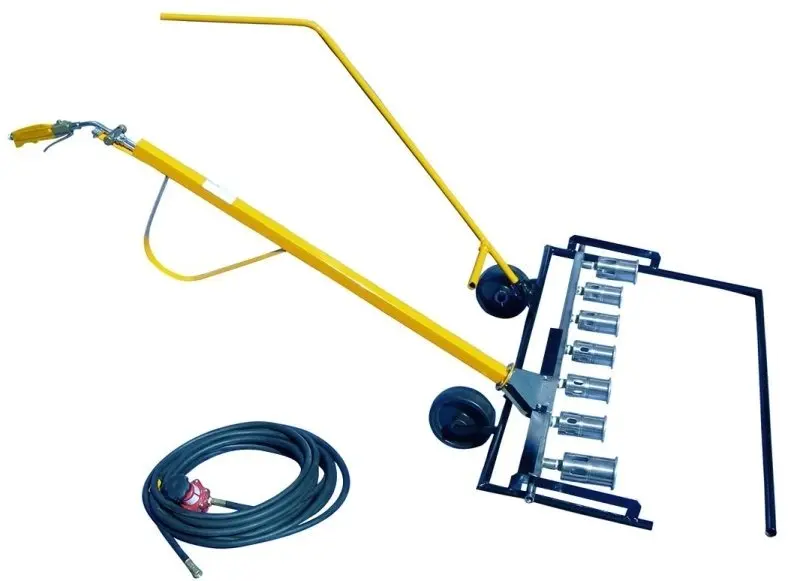
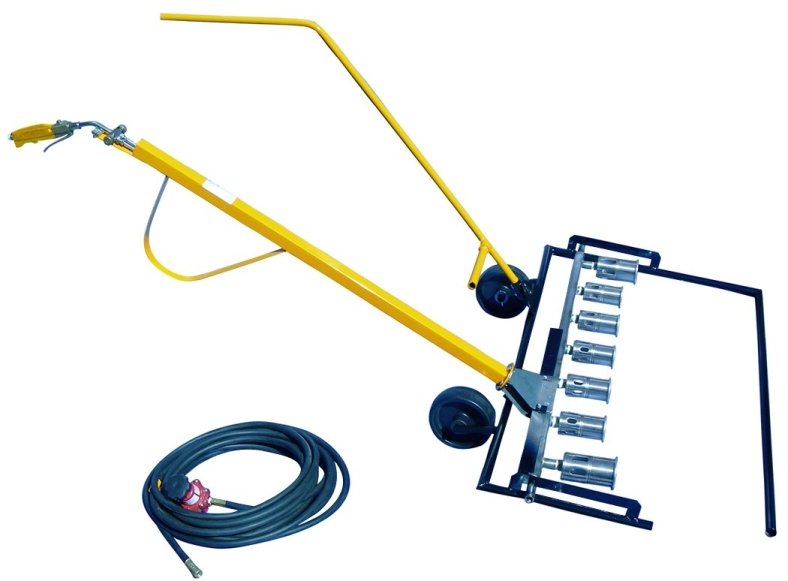
This transition is highly visible in equipment sales and maintenance trends. Industry suppliers report a substantial surge in the sales of liquid petroleum gas (LPG) torches and specialized multi-burner application systems, such as the Roofmaster "Dragin Wagon." Concurrently, commercial roofing contractors are pulling long-idle asphalt kettles out of storage, repairing them, and returning them to active duty on jobsites.
+-------------------------------------------------------------------------+
|                      THE ROOFING MATERIAL SHIFT                         |
|                                                                         |
|   Modern Single-Ply Systems            Traditional Torch Down / BUR     |
|   (TPO, EPDM, PVC)                     (Modified Bitumen, Hot Asphalt)  |
|                                                                         |
|   [ Supply Chain Bottlenecks ]  ===>   [ Reliable Domestic Supply ]     |
|   * Component shortages                * Abundant raw materials         |
|   * Extreme lead times                 * Readily available equipment    |
|   * Project delays                     * Proven, durable technology     |
+-------------------------------------------------------------------------+
While this shift allows contractors to bypass supply chain bottlenecks and keep projects on schedule, it introduces a critical operational challenge: safety. A significant portion of the current roofing workforce entered the trade during the era of single-ply dominance, meaning many installers have little to no experience working with open flames, pressurized LPG tanks, or high-temperature liquid asphalt. Consequently, industry experts are urging a comprehensive reevaluation of personal and jobsite safety protocols to mitigate the increased risk of fire and severe burns.
Chronology: From Single-Ply Dominance to the Torch Down Revival
To understand how the industry arrived at this juncture, it is necessary to trace the market dynamics of the past decade:
The Pre-2020 Era: The Single-Ply Hegemony
For nearly two decades, thermoplastic polyolefin (TPO), ethylene propylene diene monomer (EPDM), and polyvinyl chloride (PVC) dominated the commercial low-slope roofing sector. Loved for their rapid installation times, cold-applied adhesives, and clean safety profiles, single-ply membranes steadily captured market share from traditional asphalt-based systems. By 2019, hot-applied built-up roofing and torch down modified bitumen had been relegated to niche applications or specific regional markets. Asphalt kettles and multi-burner torch wagons sat unused in contractor yards, gathering dust.
2020–2021: The Pandemic and the Petrochemical Freeze
The onset of the COVID-19 pandemic disrupted global shipping lanes, but the true catalyst for the roofing supply chain crisis occurred in February 2021. Winter Storm Uri brought unprecedented freezing temperatures to the U.S. Gulf Coast, shutting down major petrochemical plants in Texas and Louisiana.
These facilities produced the vital precursor chemicals—such as MDI (methylene diphenyl diisocyanate)—required to manufacture polyisocyanurate (polyiso) insulation, as well as the specialized resins needed for TPO and EPDM membranes and their associated bonding adhesives.
Late 2021–2022: The Peak of the Supply Chain Bottleneck
By late 2021, the commercial roofing industry was in a full-blown material crisis. Lead times for TPO and polyiso insulation stretched from a standard two to four weeks to an unprecedented six to twelve months. Contractors faced severe allocation limits from manufacturers. Projects stalled, and price escalation clauses became mandatory as material costs soared month over month.
Desperate to deliver projects on time and maintain cash flow, contractors looked for alternative assemblies that did not rely on highly backlogged synthetic adhesives and single-ply membranes.
2023–Present: The Pragmatic Pivot and Equipment Resurrection
Recognizing that modified bitumen membranes and asphalt-based materials were far less impacted by supply chain constraints—due to more stable, domestically sourced petroleum refining networks—contractors began redesigning specifications.
Throughout 2023 and into 2024, the industry witnessed a massive resurgence in torch down applications. This created an immediate demand for specialized application tools. Contractors began purchasing new torch kits and multi-burner systems while actively refurbishing old asphalt kettles to get them back into service.
Supporting Data: Quantifying the Shift and the Associated Risks
The economic and operational reality of this transition is supported by key industry indicators:
- Material Lead Times: At the height of the supply chain crisis, single-ply membrane and adhesive lead times exceeded 300 days in certain regions. In contrast, modified bitumen rolls and asphalt products remained available with lead times of under 30 days.
- Equipment Sales Indicators: Manufacturers and distributors of commercial roofing tools, such as Roofmaster, reported double-digit percentage increases in the sales of LPG torch components, hand-held detail torches, and mechanized torch carriages like the 7-burner Dragin Wagon.
- Workforce Demographics and Experience Gaps: According to construction labor statistics, approximately 35% to 40% of the current roofing labor force has been hired within the last five years. This demographic has worked almost exclusively with cold-applied, self-adhered, or mechanically attached single-ply systems, highlighting a steep learning curve regarding open-flame safety.
- The Physics of Torch Down Applied Materials: Successful modified bitumen installation requires precise heat management. Modified asphalt compounds must reach their flow point (typically between 350°F and 400°F / 176°C and 204°C) to achieve proper adhesion and the required $1/4$-inch to $1/2$-inch "bleed-out" at the seams. Under-heating results in cold welds and subsequent leaks, while overheating degrades the polymers within the asphalt, ruining the membrane’s structural integrity.
       TEMPERATURE DYNAMICS FOR MODIFIED BITUMEN

  [ Overheating Zone ]    > 450°F (232°C) -> Polymer degradation / Fire risk
  -------------------------------------------------------------------------
  [ Target Weld Zone ]      350°F - 400°F -> Optimal adhesion & "bleed-out"
  -------------------------------------------------------------------------
  [ Cold Weld Zone ]      < 300°F (149°C) -> Poor adhesion / Seam failure
Official Responses and Safety Standards: Navigating the Hazards
Industry bodies, manufacturers, and safety organizations have responded to this technological shift by reemphasizing rigorous training and strict adherence to established safety standards. Gary Zimmerman, an industry expert at Roofmaster, emphasizes that the return to hot-applied and torch down roofing demands an immediate, systematic review of both personal protective equipment (PPE) and jobsite safety protocols.
Personal Safety Protocols
Because torch down roofing exposes workers to open flames, radiant heat, and molten asphalt, standard construction wear is insufficient. Industry standards mandate the following PPE:
- Flame-Resistant Clothing: Workers must wear long-sleeved shirts and long pants made of tight-weave, natural fibers (such as 100% cotton or heavy denim) or flame-resistant (FR) rated materials. Synthetic fabrics like polyester or nylon are strictly prohibited, as they can melt and fuse to the skin upon contact with heat or flame.
- Kevlar® Sleeves: For workers operating hand-held torches or managing hot asphalt, Kevlar® sleeves with leather forearms are highly recommended to prevent severe forearm burns during detailing work.
- Hand and Face Protection: Heavy-duty, gauntlet-style leather gloves are required. When working near asphalt kettles, workers must wear full-face shields over their safety glasses to protect against accidental splashes.
- Respiratory and Fall Protection: Dust masks or organic vapor respirators must be utilized when working in poorly ventilated areas or near kettle fumes. Standard OSHA-compliant fall arrest systems must be maintained, with lifeline setups positioned to avoid contact with open flames or heated tools.
Jobsite Safety and Fire Prevention
The National Roofing Contractors Association (NRCA) and the Midwest Roofing Contractors Association (MRCA) maintain strict guidelines for open-flame applications, notably through the Certified Roofing Torch Applicator (CERTA) program.
+-----------------------------------------------------------------------+
|                    ESSENTIAL CERTA FIRE SAFETY RULES                  |
|                                                                       |
|  1. WRITTEN SAFETY PLAN: Must be signed daily by all crew members.    |
|  2. FIRE EXTINGUISHERS: Class ABC (min 10 lb) every 50 feet of travel. |
|  3. INFRARED THERMOMETERS: Used to scan walls, flashings, and voids.   |
|  4. FIRE WATCH: Minimum 2-hour continuous monitoring post-torch.     |
+-----------------------------------------------------------------------+
Key operational mandates include:
- The Mandatory Fire Watch: A designated worker must conduct a continuous fire watch during torching operations and for at least two hours after the last torch has been extinguished. This worker must be equipped with an infrared thermometer to scan the roof deck, flashings, and parapet walls for hidden hot spots or smoldering embers.
- Pre-Operational Inspections: All LPG tanks must possess current inspection dates and undamaged relief valves. Hoses, regulators, and torch assemblies must be pressure-tested daily for leaks using a soapy water solution.
- Tool-Specific Guidelines: Mechanized equipment like the Dragin Wagon must be operated strictly according to manufacturer specifications. Zimmerman notes that these units are designed solely for controlled, uniform heat application and should never be misused as roll dollies or material transport carts.
- Adhesion and Detailing Tools: To ensure high-quality, safe installations, crews should utilize specialized hand tools. A heavy steel roller should be used to guarantee uniform bleed-out, and a granule embedder tool is highly recommended for preparing end laps, ensuring a secure, watertight bond without excessive torching.
Implications: The Long-Term Outlook for the Roofing Industry
The sudden return to traditional torch down roofing has several long-term implications for the construction and commercial real estate sectors:
1. Insurance and Liability Pressures
The commercial roofing industry faces heightened insurance scrutiny. Open-flame applications carry significantly higher risk profiles than cold-applied single-ply installations. Contractors who pivot back to torch down applications without updating their general liability insurance policies—or failing to enforce CERTA-compliant safety protocols—risk denied claims, severe premium hikes, or the outright cancellation of their coverage.
2. The Labor Training Bottleneck
As the market adapts, the primary bottleneck is no longer material availability, but skilled, certified labor. Roofing companies must invest heavily in training programs to upskill their younger workforces. Companies that prioritize comprehensive safety training will not only minimize jobsite accidents but will also secure a competitive advantage in bidding on complex municipal and commercial projects where certified labor is a strict contractual requirement.
3. Equipment Innovation and Hybrid Systems
In response to these market dynamics, equipment manufacturers are innovating to bridge the gap between traditional methods and modern safety requirements. We are seeing the rise of more sophisticated, automated torching carriages that limit human exposure to open flames, alongside the development of hybrid modified bitumen systems that utilize cold-applied adhesives for the field of the roof while reserving torching solely for critical flashing details.
Ultimately, the supply-chain-induced revival of torch down roofing proves that older, field-tested technologies remain vital backup systems for modern infrastructure. However, the success of this revival depends entirely on the industry’s willingness to respect the inherent hazards of the flame and commit to rigorous, uncompromising safety standards on every roof deck.
