

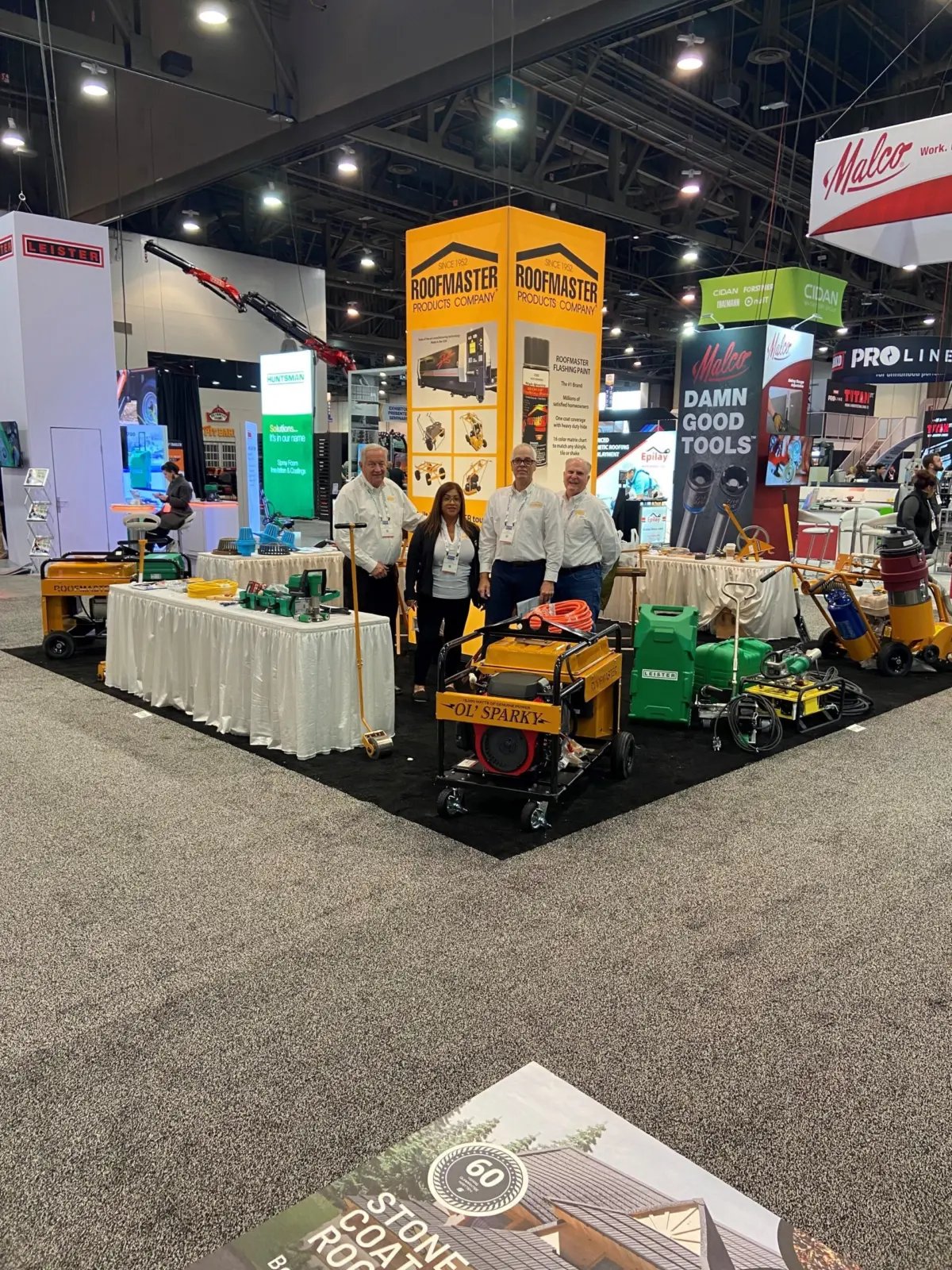
Main Facts
The commercial roofing sector represents a multi-billion-dollar segment of the global construction industry, requiring highly specialized machinery, precision hand tools, and rigorous safety equipment to execute complex architectural projects. At the center of this industrial supply chain is Roofmaster Products Company, a premier manufacturer and distributor whose extensive inventory serves as a structural blueprint for the evolving demands of modern roofing contractors.
An analysis of Roofmaster’s operational catalog reveals a highly diversified and technically advanced ecosystem. The company’s offerings span several critical divisions, including:
- Heavy On-Deck Equipment: Propane-fired hot asphalt kettles, high-capacity spraying systems (such as the WarmMaster and GranuleMaster series), and heavy-duty conveyor networks.
- Single-Ply and Synthetic Application Tools: Automated hot-air welders, specialized adhesive rollers, and modified bitumen LP torches.
- Water Management Systems: Precision-engineered retrofit drains constructed from copper, aluminum, and high-impact plastics, alongside cast-iron sump drains and scuppers.
- Fall Protection and Job-Site Safety: OSHA-compliant fall arrest systems, harnesses, roof anchors, and perimeter warning lines.
- Precision Hand Tools and Consumables: From specialty knives and shingle cutters to high-performance fasteners, base ply fasteners, and non-flat foam-filled tires designed to withstand harsh roof-deck environments.
This comprehensive inventory highlights the extreme specialization required in modern commercial roofing. No longer a trade reliant solely on manual labor and basic asphalt mopping, contemporary commercial roofing is a highly technical discipline governed by strict building codes, energy efficiency mandates, and federal safety regulations.
Chronology: The Evolution of Roofing Technology
To understand the breadth of Roofmaster’s modern product lines, it is essential to trace the technological shifts that have redefined the roofing industry over the last half-century.
[1970s & Prior] ------------------> [1980s - 1990s] ------------------> [2000s - Present]
Dominance of Built-Up               Rise of Single-Ply Membranes         Focus on Spray Systems,
Roofing (BUR) & Hot Asphalt         (TPO, PVC, EPDM) & Torches           Safety, and Solar/Green Roofs
The Era of Built-Up Roofing (BUR) and Hot Asphalt
Prior to the 1970s, commercial roofing was dominated by Built-Up Roofing (BUR) systems. These installations relied on alternating layers of bitumen (asphalt or coal tar) and reinforcing fabrics (such as organic felt or fiberglass mats). The primary equipment of this era was the asphalt kettle—a heavy, towable combustion chamber used to melt solid asphalt cartons into a hot liquid state. Contractors relied on manual mops, hot asphalt carriers, and pouring pots to distribute the molten material across roof decks.
The Rise of Single-Ply Membranes and Modified Bitumen
In the late 1970s and throughout the 1980s, the industry experienced a major shift driven by petrochemical innovations and rising energy costs. Single-ply membranes—such as Thermoplastic Polyolefin (TPO), Polyvinyl Chloride (PVC), and Ethylene Propylene Diene Monomer (EPDM)—emerged as lighter, cleaner, and more energy-efficient alternatives to traditional BUR.
This transition required a completely new category of installation tools. Instead of melting asphalt, contractors needed precision hot-air welders to fuse membrane seams at exact temperatures (often exceeding 1,000°F) to ensure watertight integrity. Modified bitumen systems also gained popularity, introducing the widespread use of liquid petroleum (LP) torches to heat the underside of polymer-modified asphalt sheets during application.
The Modern Era of Automation, Safety, and Spray Systems
In the 21st century, the commercial roofing landscape has evolved to prioritize labor efficiency, occupational safety, and environmental sustainability. Tightening labor markets have driven the adoption of powered hand tools, high-speed material conveyors (such as FBR and HSDF systems), and automated spraying systems that apply elastomeric coatings and adhesives with minimal waste.
Concurrently, the Occupational Safety and Health Administration (OSHA) enacted stricter fall protection mandates, turning safety equipment from an afterthought into a multi-million-dollar industry segment. Today, specialized components like solar paver supports and integrated roof deck venting systems (such as CommDeck) reflect an industry focused on green building integration and long-term structural resilience.
Supporting Data: A Deep Dive into Specialized Product Sectors
An examination of Roofmaster’s product architecture provides quantitative and qualitative insights into the mechanical and logistical realities of modern commercial roofing operations.
                               ┌───────────────────────────┐
                               │ COMMERCIAL ROOFING SITES  │
                               └─────────────┬─────────────┘
                                             │
      ┌──────────────────────┬───────────────┼───────────────┬──────────────────────┐
      ▼                      ▼               ▼               ▼                      ▼
┌───────────┐          ┌───────────┐   ┌───────────┐   ┌───────────┐          ┌───────────┐
│  Thermal  │          │Single-Ply │   │ Logistics │   │ Drainage  │          │  Safety   │
│ Systems   │          │ & Synthet.│   │ & Transp. │   │ & Water   │          │ & Comfort │
└───────────┘          └───────────┘   └───────────┘   └───────────┘          └───────────┘
1. Thermal and Adhesive Application Systems
The melting and distribution of bitumen remain a core requirement for many high-performance roofing assemblies. Roofmaster’s kettle ecosystem is engineered to handle extreme thermal loads safely:
- Kettle Components: Modern kettles utilize specialized burner systems (LP and butane), heavy-duty valves, litewall tubing, unions, and tanker pumps to transfer molten asphalt from ground level to high-rise roof decks.
- Temperature Control: Because asphalt must be applied within a narrow "equiviscous temperature" (EVT) window to ensure proper adhesion, precision mechanical and infrared thermometers are critical to prevent underheating (which causes poor adhesion) or overheating (which degrades the polymer structure of the asphalt and poses a fire hazard).
- Fiberglass and Cotton Mops: For manual application, contractors utilize specialized cotton and red-top fiberglass applicator mops, which are chemically treated to resist temperatures exceeding 500°F while maximizing fluid retention and spread capacity.
2. Single-Ply and Synthetic Welding Technology
Single-ply installations require absolute precision to prevent seam failures, which are the leading cause of premature roof leaks.
- Hot-Air Welders: These tools use precise electronic controls to maintain stable temperatures and air velocity, ensuring consistent welds despite fluctuations in ambient wind and outdoor temperatures.
- Steel and Rubber Rollers: Used immediately behind the hot-air nozzle, these rollers apply uniform pressure to fuse the softened thermoplastic sheets.
- Adhesive Rollers and Frames: For fully adhered systems, heavy-duty solvent-resistant rollers are used to apply bonding adhesives evenly across the roof deck, preventing blisters and wind-uplift failures.
3. Drainage and Moisture Control Infrastructure
Water is the primary enemy of any flat roof. Standing water (ponding) can compromise structural deck integrity and accelerate membrane degradation.
- Retrofit Drains: When upgrading existing roofs, installing complete new drainage systems is often cost-prohibitive. Retrofit drains constructed from copper, aluminum, and plastic allow contractors to insert new, watertight drain bowls directly into existing plumbing stacks without disrupting building interiors.
- Sump Drains and Scuppers: Cast-iron sump drains (available in small, medium, and large configurations) provide heavy-duty water collection points, while perimeter scuppers direct lateral runoff away from the building’s exterior walls.
                         ┌─────────────────────────────┐
                         │   Moisture Control Flow     │
                         └──────────────┬──────────────┘
                                        │
                         ┌──────────────▼──────────────┐
                         │    Moisture Detectors       │
                         │ (Infrared & Pinless Probes) │
                         └──────────────┬──────────────┘
                                        │
                         ┌──────────────▼──────────────┐
                         │     Retrofit Drains         │
                         │ (Copper, Aluminum, Plastic) │
                         └──────────────┬──────────────┘
                                        │
                         ┌──────────────▼──────────────┐
                         │    Sump Drains / Scuppers   │
                         │  (Cast-Iron / Lateral Flow) │
└─────────────────────────────┘- Moisture Detection: Before any reroofing project can begin, contractors use specialized moisture detectors, including non-destructive impedance meters and infrared thermometers, to locate trapped moisture within the existing insulation. This prevents the costly mistake of sealing wet materials beneath a new membrane.
4. Logistics, Hoisting, and On-Deck Transport
A major portion of commercial roofing costs is tied to material handling. Moving tons of insulation, membrane rolls, gravel, and fasteners from ground level to the roof deck requires specialized hoisting machinery.
- Hoisting Equipment: Powered hoisting wheels, gravel buckets, and hoisting forks are used to lift heavy bulk materials. FBR and HSDF conveyor systems provide continuous vertical transport, significantly reducing crane rental costs and manual labor requirements.
- On-Deck Transportation: Once materials reach the roof deck, they must be distributed across vast areas. Non-powered material handling carts, wheelbarrows, and hot asphalt carriers are engineered with wide, turf-friendly tires to distribute heavy loads without damaging delicate insulation boards.
- Pneumatic vs. Foam-Filled Tires: Flat tires can halt job-site production instantly. To combat this, modern roofing equipment increasingly utilizes "Non-Flat Lite Foam Filled" tires. These wheels combine the shock absorption of pneumatic tires with the puncture-proof reliability of solid rubber, resisting damage from sharp metal tear-off debris, deck screws, and discarded fasteners.
5. Safety, Fall Protection, and Job-Site Compliance
Roofing consistently ranks among the most hazardous construction trades, making safety equipment a critical operational priority.
- Fall Arrest Systems: OSHA regulations require fall protection for employees working on roofs with unprotected sides or edges 6 feet or more above lower levels. This has made high-quality harnesses, shock-absorbing lanyards, and temporary or permanent roof anchors standard equipment on every project.
- Perimeter Warning Lines: Warning lines, high-visibility safety cones, and stanchions are used to establish safe work zones on low-slope roofs, alerting workers when they are approaching an unprotected edge.
- Personal Comfort and Health: Beyond fall protection, contractors must manage environmental hazards. Specialized safety gear—including protective gloves, shoe and head protection, heavy-duty parkas, back supports, and respirators—protects workers from extreme heat, UV radiation, and chemical fumes during adhesive applications.
Official Responses and Industry Perspectives
The extensive variety of equipment in Roofmaster’s catalog reflects broader regulatory shifts and industry best practices championed by key trade organizations.
The National Roofing Contractors Association (NRCA)
The NRCA has consistently emphasized the importance of using specialized, high-grade tools to ensure both worker safety and system longevity. In their technical bulletins, the NRCA notes:
"Using adapted or substandard tools on modern single-ply and modified bitumen installations is a primary cause of premature system failure. Fusing a thermoplastic membrane requires precise thermal regulation that only commercial-grade hot-air welders can provide. Proper tools are essential to achieving the watertight security demanded by modern building codes."
Occupational Safety and Health Administration (OSHA)
OSHA’s Directorate of Construction has intensified its focus on fall prevention through its national emphasis program. An OSHA compliance officer, speaking anonymously on job-site safety trends, commented:
"Fall protection is not just about compliance; it’s about life safety. When we inspect commercial roofing sites, we look for comprehensive safety plans that include certified roof anchors, inspected harnesses, and clear perimeter warning zones. Companies that invest in professional-grade fall arrest systems significantly reduce both worker injuries and liability exposure."
Commercial Roofing Foremen and Project Managers
From a practical field perspective, project managers emphasize that equipment reliability directly dictates profitability. A veteran superintendent overseeing a large-scale industrial reroofing project in Chicago shared:
"In our business, downtime is a profit killer. If a conveyor belt breaks down or an asphalt pump fails, you have 15 highly paid crew members standing around idle. Relying on specialized, field-tested parts—from carbide saw blades designed to cut through old gravel roofs to foam-filled tires that won’t go flat on a deck full of screws—is what keeps our projects on schedule and under budget."
Implications: The Future of Commercial Roofing
The specialized inventory analyzed in this report points to several emerging trends that will shape the commercial roofing industry over the next decade.
┌─────────────────────────────────────────────────────────────────────────┐
│                       FUTURE ROOFING DRIVERS                            │
├───────────────────────────────┬─────────────────────────────────────────┤
│ Labor Shortages               │ High-speed conveyors, automated spray   │
│                               │ systems, and powered hand tools.        │
├───────────────────────────────┼─────────────────────────────────────────┤
│ Sustainability & Energy Codes │ High-reflectivity white membranes,      │
│                               │ solar paver supports, and smart vents.  │
├───────────────────────────────┼─────────────────────────────────────────┤
│ Advanced Materials            │ Complex chemical adhesives requiring    │
│                               │ specialized spray rigs and safety gear. │
└───────────────────────────────┴─────────────────────────────────────────┘
Addressing Labor Shortages Through Automation and Efficiency
The construction industry continues to face a chronic shortage of skilled labor. To adapt, roofing contractors are shifting away from labor-intensive manual methods in favor of mechanical efficiency. High-speed material conveyors, automated spray systems, and specialized powered hand tools allow smaller crews to complete larger installations in less time. Equipment that reduces physical strain, such as ergonomic tear-off bars and powered hoists, also helps contractors retain aging, experienced workers.
Sustainability and Stricter Energy Codes
As municipalities adopt more stringent energy codes, such as ASHRAE 90.1 standards, commercial roofs are being designed with thicker insulation layers and highly reflective "cool roof" membranes. This green transition is driving demand for:
- Advanced Adhesives and Spray Systems: To secure thicker insulation boards without creating thermal bridges, contractors are increasingly using low-rise polyurethane foam adhesives applied with specialized spray rigs, rather than traditional metal deck screws.
- Solar and Rooftop Amenities: The rise of rooftop solar arrays and green roof plazas requires specialized structural accessories, such as heavy-duty paver supports and integrated wire routing flashings, to protect the underlying waterproofing membranes from long-term damage.
Material Science and Chemical Safety
The modern roofing catalog is increasingly defined by chemistry. With the rise of single-ply adhesives, primers, and elastomeric coatings, the roofing contractor’s role has expanded to include chemical management. Applying these high-performance liquids requires specialized spray tips, material valves, and hose heating systems (such as the WarmMaster series) to maintain correct chemical viscosities. This chemical shift also requires advanced personal protective equipment, including organic vapor respirators and specialized solvent-resistant gloves, to protect workers on the job site.
Conclusion
As the commercial roofing industry continues to evolve, the distinction between simple manual labor and advanced technical execution will grow even wider. The vast supply chain of specialized thermal equipment, single-ply welding tools, water management systems, and safety gear analyzed in this report represents more than just a list of products. It is a critical industrial framework that enables modern contractors to build safer, more resilient, and highly efficient structures capable of withstanding the environmental challenges of tomorrow.
