

By the Consumer Tech & Home Maintenance Desk
Published October 2026
As autumn deepens and the colder winter months loom on the horizon, homeowners across the country are turning their attention toward seasonal maintenance. Rising heating bills and the dreaded threat of frozen or burst pipes are perennial concerns that can quickly drain a household budget if left unaddressed. Fortunately, retail giant Amazon is rolling out an aggressive early wave of discounts ahead of its upcoming Prime Big Deal Days event.
With price cuts reaching up to 48% off, the current sales event focuses heavily on proactive home management. By discounting high-efficiency smart thermostats, advanced water leak detectors, and automated shutoff valves, the retailer is positioning technology as the ultimate shield against costly seasonal disasters. From managing indoor temperatures via mobile devices to receiving instant alerts when moisture pools beneath a kitchen sink, these discounted gadgets offer homeowners a cost-effective way to protect their investments.
Main Facts: What You Need to Know About the Sale
The early Prime Day rollout targets two critical pillars of home protection: energy efficiency and plumbing safety. Heating and water damage represent two of the most significant financial burdens homeowners face during the autumn and winter transition.
- Major Hardware Markdowns: Prominent smart home brands—including Honeywell Home, Google Nest, Ecobee, Amazon, GoveeLife, X-Sense, Ring, and Frizzlife—are seeing steep price reductions.
- Standout Deals: The popular Honeywell Home Wi-Fi Smart Color Thermostat has been marked down to $93.09, a significant drop from its standard $179.99 retail price.
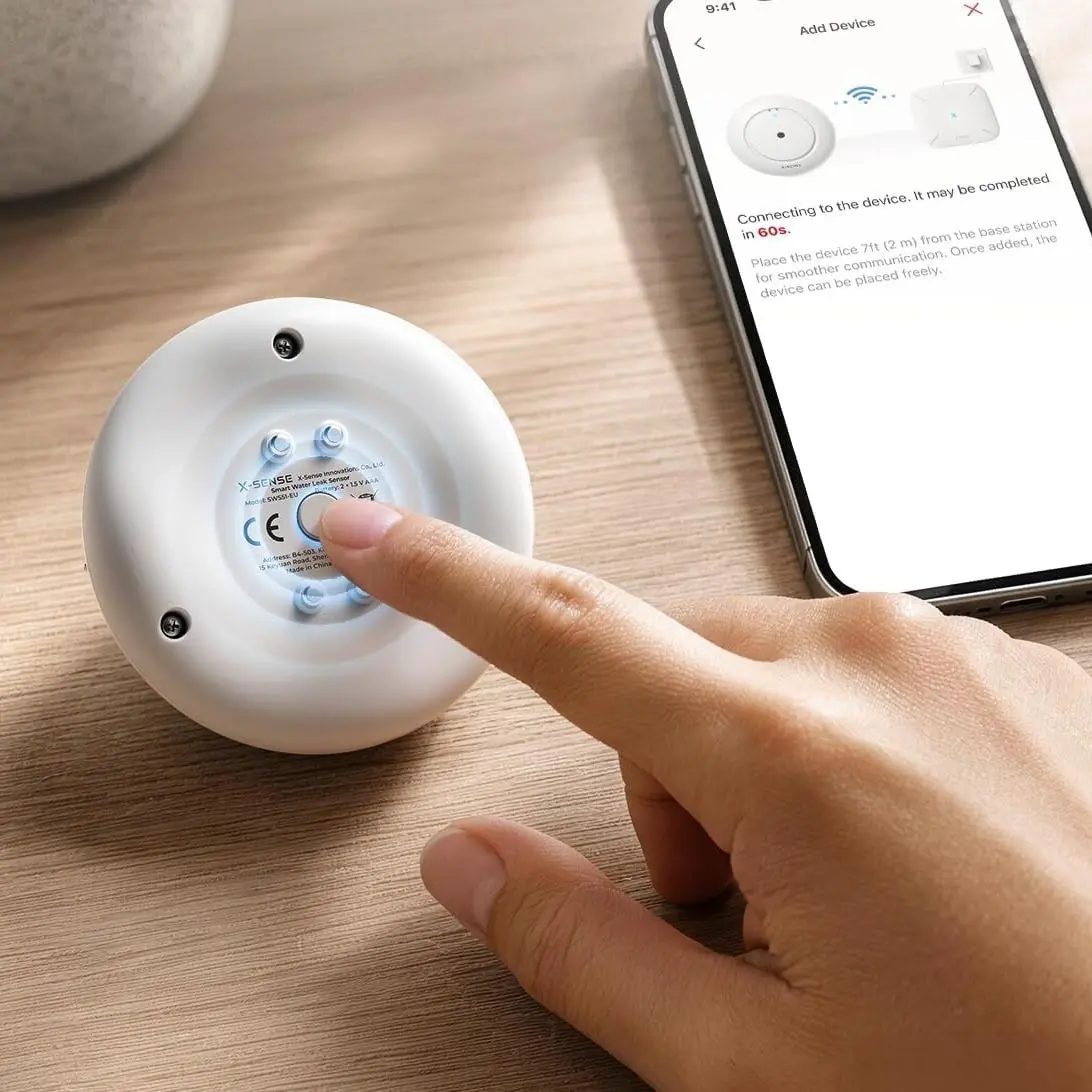
- Entry-Level Protection: For budget-conscious homeowners, individual water leak sensors are starting at an ultra-low price of just $9.99.
- Comprehensive Bundles: The sale features single units as well as robust multipacks and safety kits designed to monitor multiple vulnerability zones simultaneously, such as basements, utility rooms, laundry areas, and bathrooms.
Chronology: The Shift Toward Proactive Smart Home Intervention
The rise of connected home maintenance tools did not happen overnight; it represents a multi-year evolution in consumer tech and insurance industry trends.
Phase 1: The Emergence of Connected Climate Control (Late 2010s)
Initially, smart thermostats were viewed primarily as luxury convenience items. Devices allowed users to adjust their home heating and cooling remotely via smartphone apps, ensuring comfort upon arrival. However, as energy grids faced greater volatility and utility costs climbed, manufacturers shifted marketing and engineering focus toward automated scheduling and geofencing to actively reduce monthly consumption.
Phase 2: The Integration of Environmental Sensors (Early 2020s)
As smart home ecosystems matured, the industry recognized that climate control was only half the battle. Water damage—stemming from aging water heaters, failing washing machine hoses, and freezing pipes—accounted for billions of dollars in residential insurance claims annually. Tech companies introduced compact, battery-operated Wi-Fi leak detectors to bridge the gap, giving users real-time notifications before minor drips morphed into catastrophic indoor floods.
Phase 3: Automated Remediation and Early Prime Sales (Present Day)
Today, the market has moved beyond mere notification toward active prevention. Modern devices like smart water monitors can automatically shut off a home’s main water supply the moment abnormal flow is detected. Capitalizing on this technological leap, major retailers like Amazon have designated early October as a prime window for "winterization sales," encouraging consumers to fortify their homes weeks before freezing temperatures actually arrive.
Supporting Data: The Economics of Winterizing Your Home
Understanding why these early-season discounts matter requires looking closely at the statistics surrounding home maintenance, energy consumption, and property damage.
- Energy Savings: According to data from the U.S. Department of Energy, homeowners can save up to 10% a year on heating and cooling simply by turning their thermostats back 7° to 10°F for eight hours a day from their normal settings. Smart thermostats automate this process, removing human forgetfulness from the equation.
- The Cost of Water Damage: The Insurance Information Institute (III) notes that water damage and freezing pipes represent one of the most common types of homeowners insurance claims. The average cost of a water damage claim frequently exceeds $11,000, making a $10 leak sensor or a smart shutoff valve an exceptionally high-return investment.
- Early Adoption Trends: Market research indicates that smart home safety product sales surge by upwards of 35% during Q4 promotional events, as consumers actively seek out peace of mind ahead of holiday travels and sub-freezing weather forecasts.
Official Responses and Expert Recommendations
Industry experts and consumer advocates have weighed in on the sudden influx of early-season discounts, offering guidance on how consumers should navigate the sales.
The Consumer Advocacy Perspective
Home improvement and product-testing authorities, such as the BobVila.com review team, emphasize that preparation is the key to mitigating winter expenses. In statements regarding the current sales landscape, product analysts noted that investing in preventive infrastructure during promotional windows prevents panic-buying later in the season when demand spikes and inventory runs thin.
What to Check Before You Buy
Technicians and smart home installers advise consumers to carefully audit their home’s existing infrastructure before purchasing specific devices:
- Thermostat Wiring: Many advanced smart thermostats—including the heavily discounted Honeywell Home Wi-Fi Smart Color Thermostat—require a C-wire (common wire) for continuous power. Buyers must inspect their current wall plates to ensure compatibility or plan to install a power adapter kit.
- Ecosystem Integration: Experts recommend checking whether prospective leak detectors and thermostats integrate smoothly with existing smart home ecosystems, such as Amazon Alexa, Google Home, or Apple HomeKit, to ensure centralized control and seamless notification routing.
Implications: What This Means for Homeowners and the Market
The aggressive discounting of home safety and efficiency tech carries broad implications for both individual households and the broader retail and insurance landscapes.
For the Individual Consumer
For everyday homeowners, these sales lower the barrier to entry for advanced home protection. Historically, automated water shutoff systems and multi-zone leak detection networks were costly, custom installations reserved for high-end new construction. By bringing the cost of entry down to single-digit figures for basic sensors and offering deep price cuts on premium climate controllers, Amazon’s sale democratizes home safety. A modest upfront investment of $50 to $100 in sensors and smart thermostats can potentially save a family thousands of dollars in emergency plumbing repairs and inflated utility bills.
For the Insurance and Real Estate Sectors
The proliferation of smart water sensors and connected thermostats is also beginning to influence the insurance industry. A growing number of property insurance providers now offer premium discounts to homeowners who install verified smart water monitoring systems and automatic shutoff valves. As these devices transition from novelty gadgets to standard residential safeguards, they are fundamentally altering how risks are managed and mitigated at the household level.
Broader Market Trends
As retail events like Prime Big Deal Days continue to creep earlier into the autumn calendar, they serve a dual purpose: clearing out inventory for upcoming holiday electronics while empowering consumers to tackle seasonal home maintenance proactively. For shoppers willing to look past the holiday hype and focus on practical home essentials, October 2026 is proving to be an ideal window to secure high-performance gear at a fraction of its normal cost.
