

Introduction: The Critical Need for Generator Protection
When severe weather strikes, plunging neighborhoods into darkness and rendering municipal power grids useless, a dependable portable generator is a lifeline. It keeps refrigerators running, medical devices powered, sump pumps operational, and families connected. However, owning a portable generator comes with significant operational responsibilities, chief among them being safety in adverse weather conditions.
According to guidelines issued by the Occupational Safety and Health Administration (OSHA), portable generators should never be operated in wet conditions due to the severe risk of electrical shock, short-circuiting, and permanent equipment damage. Yet, power outages frequently coincide with torrential downpours, blizzards, and high winds.
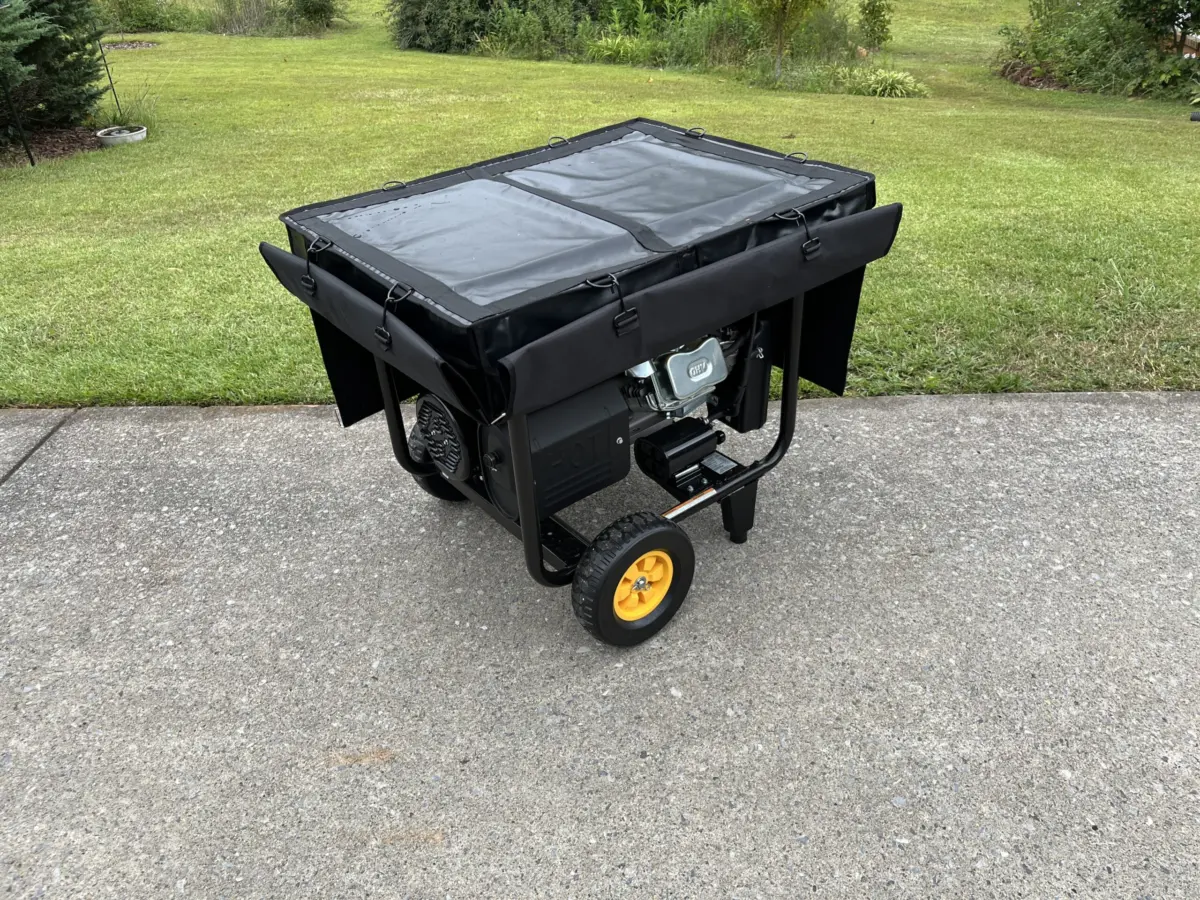
To bridge this gap between necessity and safety, homeowners increasingly turn to generator covers—specifically, running covers. Unlike permanent sheds or custom outdoor generator enclosures, a high-quality running cover offers an affordable, flexible solution. It keeps rain, snow, dust, and debris out of sensitive electrical components while mitigating the degrading effects of direct sun exposure.
To determine the most reliable options on the market, product testing experts put four popular models to the test using an 8,000-watt portable gas generator during a grueling week of wind and rain. Among the contenders, the Igan Ultra Heavy-Duty Generator Tent Running Cover emerged as the clear front-runner, providing exceptional weatherproofing, ease of installation, and structural integrity.
Main Facts: What Makes a Superior Generator Cover?
Generator covers are not one-size-fits-all accessories. Choosing the correct model requires understanding the distinct categories, material compositions, and performance metrics that separate mediocre gear from professional-grade protection.
Types of Generator Covers
- Storage Covers: Designed exclusively to protect a non-running generator while it sits in a garage, shed, or outdoors. These typically envelop the entire machine from top to bottom, featuring elastic hems or buckle straps for a snug fit.
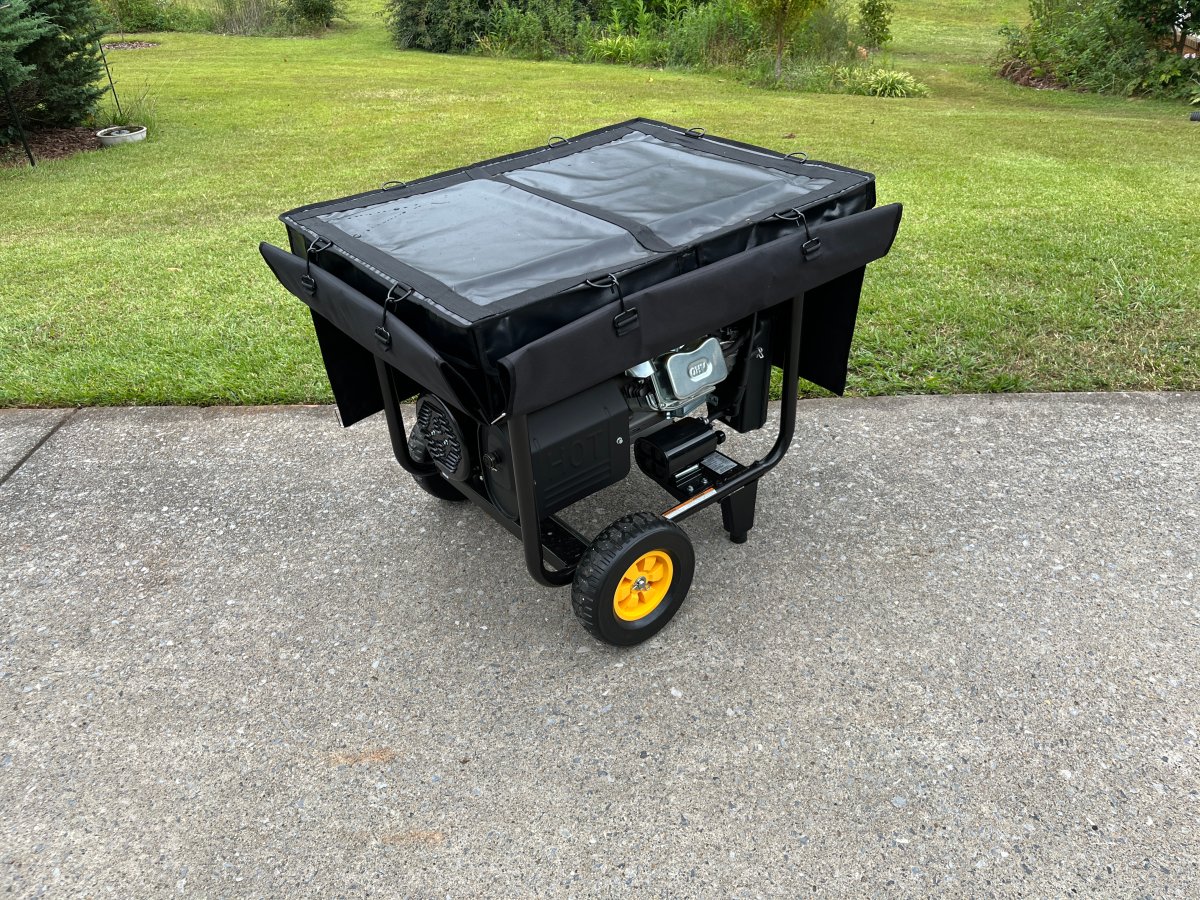
- Running (Operational) Covers: Engineered like miniature tents, these innovative covers feature a structural frame that sits above the generator. They allow the engine to breathe, vent exhaust, and run safely in rain or snow while shielding the electrical outlets and control panel.
Key Performance Metrics
- Fit and Compatibility: Running covers must accommodate open-frame generators ranging anywhere from 3,500 to 12,000 watts, clearing folding handles, wheels, and fuel caps.
- Weatherproofing: The ability to withstand heavy precipitation (such as 2.5 inches of rain over a 2-hour storm) and sustained wind gusts without water breaching electrical panels.
- Ventilation and Airflow: Crucial for preventing engine overheating and avoiding the accumulation of dangerous carbon monoxide or condensation.
- Durability: The use of heavy-duty, ultraviolet-protected vinyl, marine-grade tarpaulin, or 600-denier polyester paired with rust-resistant stainless steel or reinforced fiberglass frames.
Chronology of the Evaluation Process
To provide consumers with evidence-based recommendations, testing protocol was structured to mirror real-world emergency scenarios over a rigorous testing timeline.
Phase 1: Product Selection and Standardization
- The Test Subject: An 8,000-watt external frame portable gas generator with physical dimensions measuring 23 inches high, 27.5 inches long, and 20.5 inches wide.
- The Contenders: Four top-rated covers spanning price points from $20 for basic storage tarps to $160 for advanced operational tent systems.
- Initial Inspection: Evaluated material weight, stitching quality, frame assembly complexity, and compatibility with standard generator features like wheel kits and drop-down handles.
Phase 2: Installation and Setup
- Tool-Free Assembly: Testers examined how intuitively the frames could be put together. The top-performing Igan model utilized friction-fit nylon corner moldings and short steel tubing sections that threaded together seamlessly.
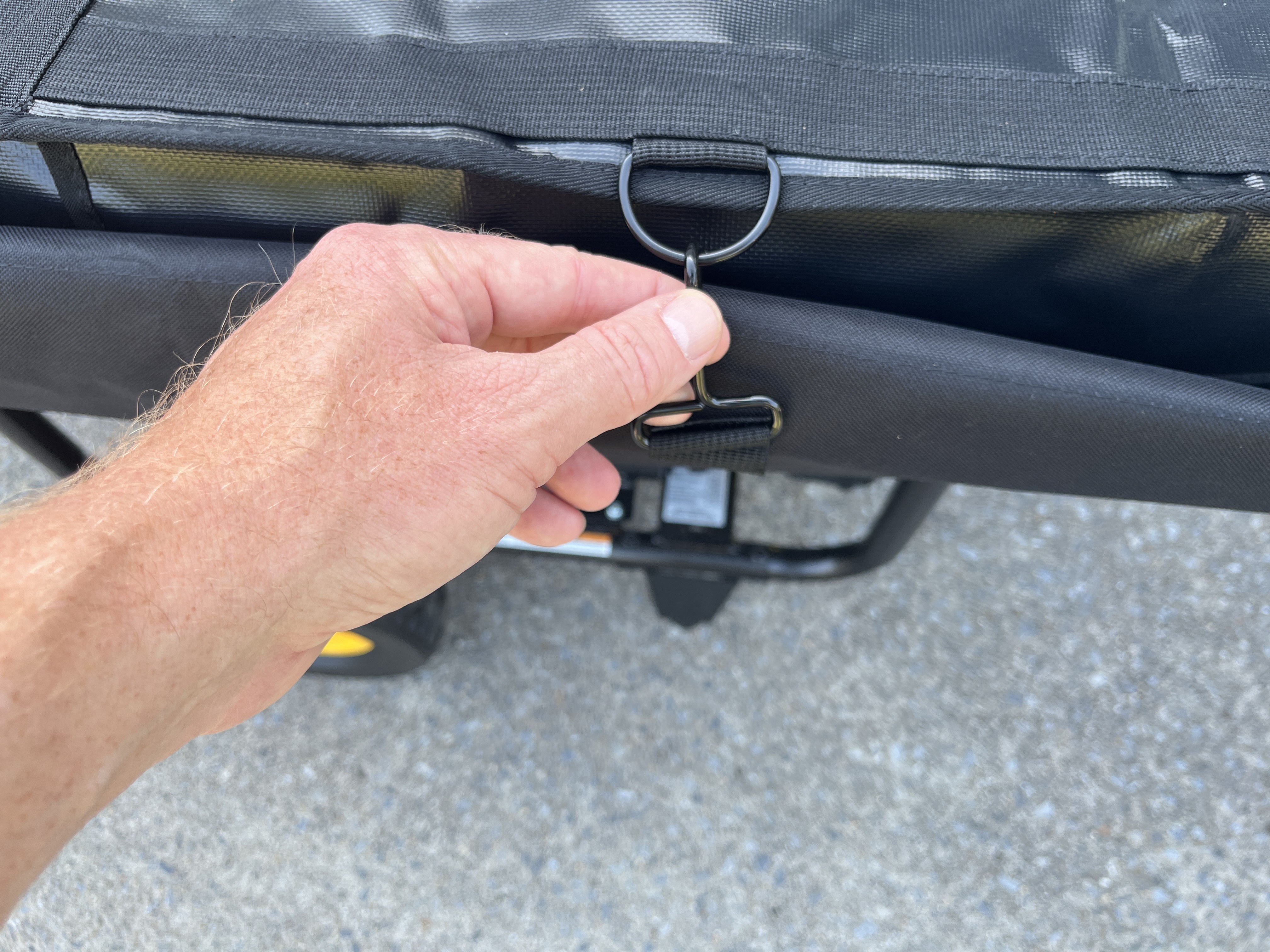
- Securing Mechanisms: Evaluated how well hook-and-loop (Velcro) straps, reinforced corner straps, and metal hooks anchored the tent assembly directly to the generator’s metal tubular frame, ensuring the structure wouldn’t shift during high winds.
Phase 3: Field Testing in Inclement Weather
- Weather Exposure: The outfitted generator was left exposed to the elements for a full week, enduring a severe local thunderstorm featuring 25 mph wind gusts and 2.5 inches of precipitation.
- Operational Checks: With the side panels dropped down to shield the control panel, the generator was fired up to monitor performance. Testers specifically checked whether the enclosure interfered with the generator’s carbon monoxide (CO) auto-shutoff sensors or caused engine overheating due to restricted ventilation.
Supporting Data and Performance Scores
The evaluation was quantified using a rigorous five-point scoring matrix across five distinct categories. The top-performing Igan Ultra Heavy-Duty Generator Tent Running Cover scored exceptionally well:
- Ease of Use: 4.5 / 5
- Fit: 5.0 / 5
- Weatherproofing: 5.0 / 5
- Durability: 5.0 / 5
- Value: 4.5 / 5
Detailed Performance Breakdown
The Igan cover’s success is attributed to its multi-component modular design. The side panels arrived preassembled as a single unit that draped perfectly over the stainless steel skeleton, secured by eight robust Velcro straps. Its creased centerline on the top panel allowed users to easily lift the fabric flap over the fuel tank, enabling safe refueling without disassembling the tent.
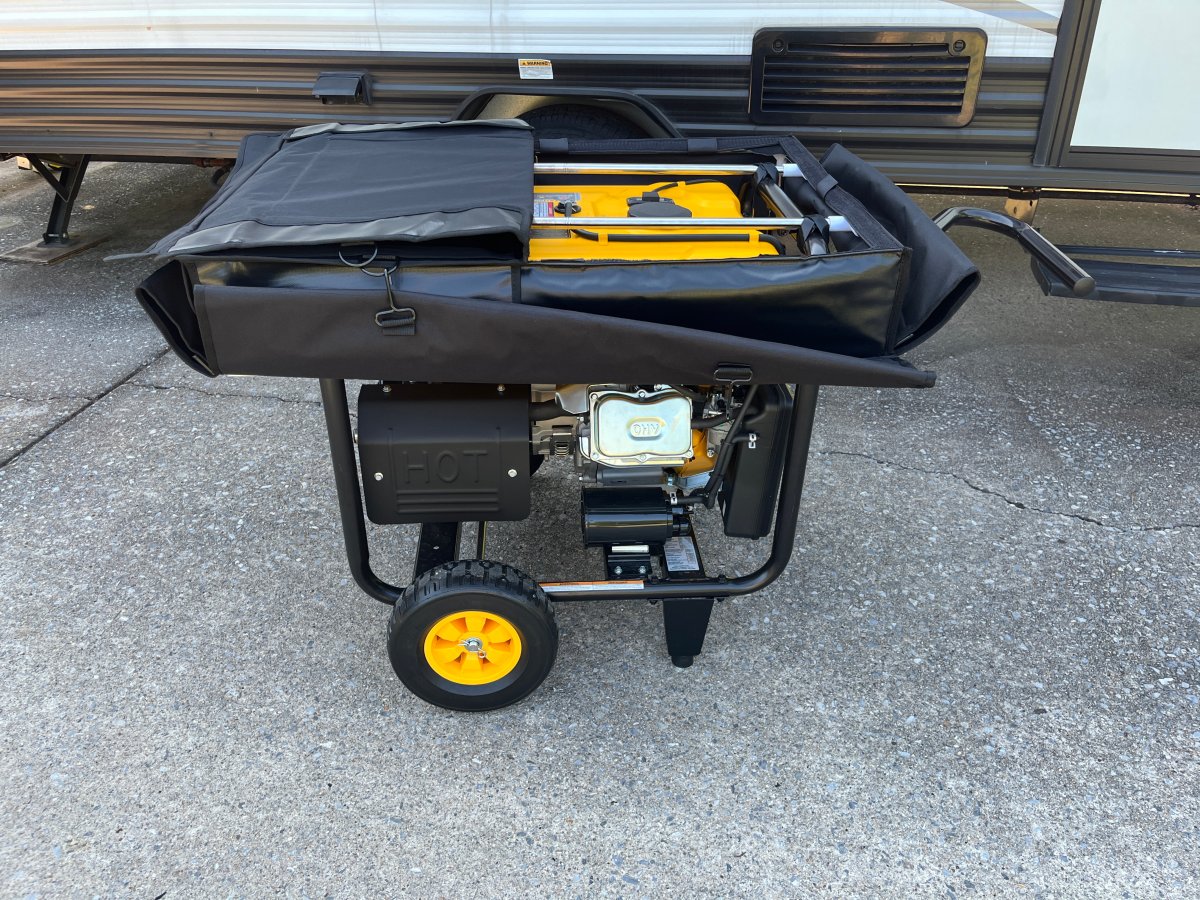
During the peak of the 2-hour thunderstorm, the drop-down side panels kept the electrical outlets completely dry. Field tester Mark Wolfe noted: "With the side panels down and the corners secured, the generator stayed completely dry. In operation, I was happy to note zero problems with the generator’s carbon monoxide auto shutoff. The generator operated normally, but with the added protection of the weather flap over the electrical panel."
Official Guidelines and Safety Implications
Operating a combustion engine outdoors during a storm presents profound safety hazards that demand strict adherence to regulatory standards set by federal safety agencies.
OSHA Regulations on Wet-Weather Generation
The Occupational Safety人が Health Administration explicitly mandates that portable generators must never be operated in puddles, rain, or wet conditions unless absolute precautions are taken to protect electrical circuits. Exposing open-frame generator receptacles to water creates an immediate pathway for ground-fault electrocution, which can be fatal. Running covers provide a physical barrier that prevents rain from making direct contact with live outlets.
Carbon Monoxide (CO) Mitigation
One of the most dangerous misconceptions regarding generator covers is the belief that they can fully enclose a running generator like a small tarp draped tightly over a box. Doing so restricts airflow, starves the engine of oxygen, and can cause lethal concentrations of carbon monoxide to pool around the unit or push back toward living spaces.
Official safety directives emphasize:
- Distance: Home generators must always be placed a minimum of 20 feet away from any doors, windows, or intake vents, with the exhaust pointing firmly away from the structure.
- Ventilation Balance: Approved running covers use elevated tent frames specifically engineered to leave a wide thermal buffer zone between the fabric and the hot engine block, ensuring proper intake and exhaust ventilation while maintaining weather resistance.
- Never Use Storage Covers While Running: Standard storage covers are airtight and fire hazards if placed over an active engine. Only designated running covers with retractable or removable skirts are safe for operational use.
Implications for Homeowners and Emergency Preparedness
Investing in a high-grade running cover changes the dynamic of emergency home disaster planning. In the past, homeowners faced an unacceptable choice during extended outages: risk electrocution and equipment ruin by running a generator unprotected in a downpour, or plunge their homes back into darkness until the storm passed.
With heavy-duty running covers becoming more accessible and universally adaptable, homeowners can maintain continuous power security regardless of atmospheric conditions. Furthermore, protecting sensitive digital components, alternators, and wiring from moisture significantly extends the lifespan of the generator, minimizing costly maintenance repairs down the road.
Whether preparing for hurricane season, winter blizzards, or unexpected grid failures, integrating a specialized running cover into your emergency gear ensures that your backup power source remains a safe, reliable asset when you need it most.
