The global maritime shipping and logistics sector is undergoing a quiet yet profound operational revolution. Operating in confined, high-stakes environments where heavy loads must be moved with millimeter precision under perilous conditions and razor-thin financial margins, port operators are increasingly turning away from traditional fossil-fueled machinery.
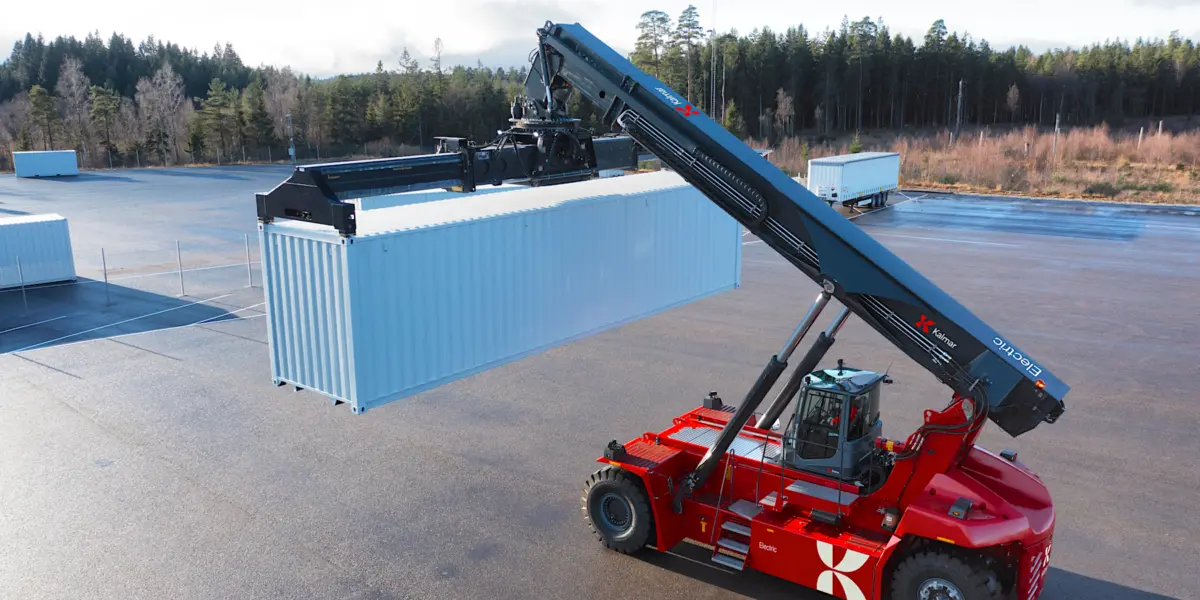
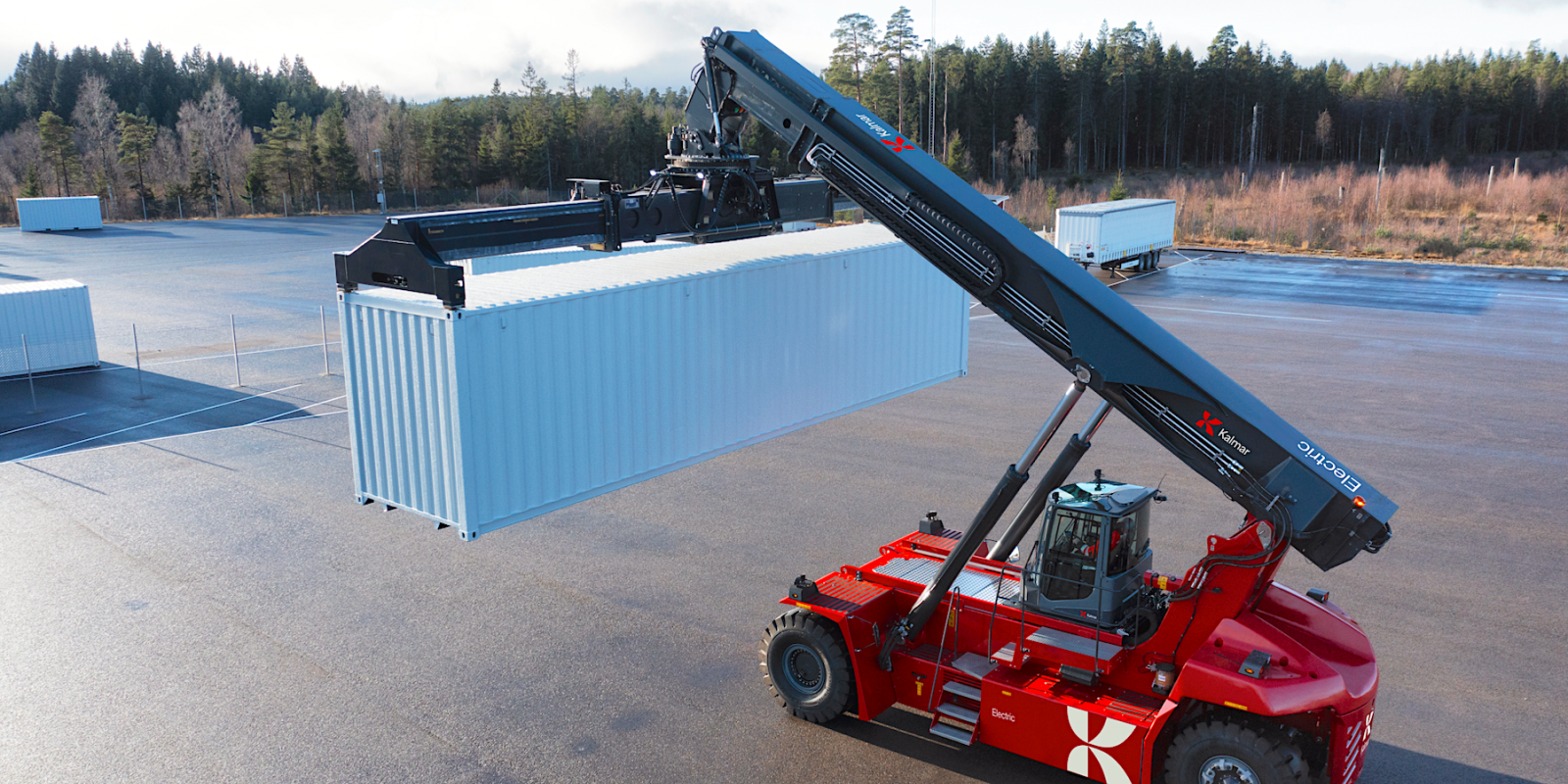
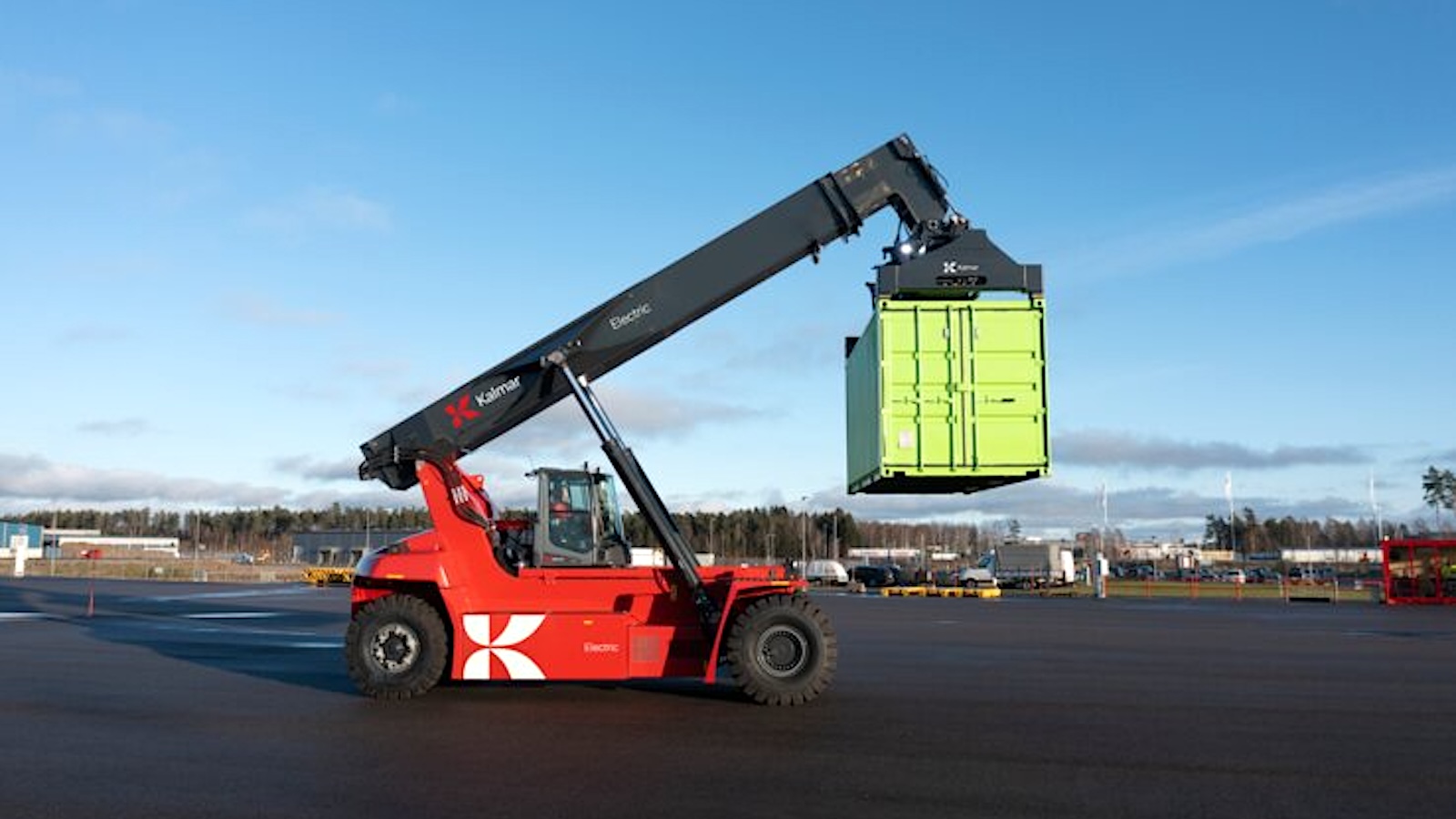
The latest milestone in this global pivot toward electrification comes from Sweden, where the Port of Helsingborg has officially placed an order for two cutting-edge Kalmar ERG450 electric reach stackers.
Manufactured by cargo-handling equipment leader Kalmar, the ERG450 represents a massive leap forward for heavy-duty electric vehicles (HDEVs). Key specifications and highlights of the deployment include:
Lifting Capacity: Up to 45 tons, matching the heavy-lifting demands of traditional diesel-powered container handlers.
Environmental Impact: Zero direct tailpipe carbon emissions, drastically improved local air quality within port terminals, and significantly reduced noise pollution.
Operational Efficiency: Fewer moving parts translate directly into reduced maintenance downtime compared to internal combustion engine (ICE) counterparts.
Strategic Milestone: The Port of Helsingborg is now officially the first port in Sweden to procure all-electric reach stackers from Kalmar, cementing its status as a Scandinavian environmental pioneer.
This acquisition falls under a newly established framework agreement between the port and Kalmar Sweden, signaling that these initial two units are merely the vanguard of a broader, long-term fleet electrification strategy.
Chronology of the Transition
To understand the significance of Helsingborg’s recent procurement, it is necessary to examine the timeline of how heavy-duty port logistics shifted from a diesel-dominated monopoly to an increasingly electrified landscape.
Early 2020s – The Rising Tide of Decarbonization: As global climate targets tightened, port authorities worldwide began auditing their carbon footprints. While massive ship-to-shore gantry cranes were early candidates for electrification due to their fixed grid connections, mobile terminal equipment—such as reach stackers, terminal tractors, and forklifts—proved far more difficult to transition due to high power demands.
Mid-2024 to 2025 – Technological Breakthroughs in HDEVs: Kalmar and other heavy equipment manufacturers refined high-capacity lithium-ion battery architectures and robust thermal management systems. This allowed heavy-duty machinery to achieve multi-shift operational viability without requiring prohibitively long charging breaks.
June 2026 – Global Infrastructure Funding Surge: International investments in green freight gathered immense momentum. Notably, a massive $383 million port and freight infrastructure grant package was announced, projected to create over 22,000 clean-energy jobs and validate the economic viability of port electrification.
July 2026 – Global Adoption Spreads: Kalmar secured major supply orders for electric reach stackers across international markets, most notably in China, proving that heavy-duty battery-electric port equipment could scale globally.
August to September 2026 – North American and European Commitments: Major logistics hubs accelerated their spending. The Port of Los Angeles committed a staggering $200 million toward zero-emission equipment, while Canadian ports integrated high-power charging ecosystems via partnerships with firms like Kempower.
Late 2026 (Present) – Helsingborg Makes History: Capitalizing on this global momentum, the Port of Helsingborg signed its landmark framework agreement with Kalmar, securing its first two ERG450 electric reach stackers and becoming the pioneer of this technology within Sweden.
Supporting Data and Market Economics
While environmental stewardship is a vital driver for modern port operations, the financial calculus of fleet management has arguably played an even larger role in accelerating the adoption of electric machinery.
Volatility vs. Predictability: The Death of Diesel Budgeting
Historically, diesel fuel has been the lifeblood of global logistics. However, increasingly volatile global fossil fuel markets have made it virtually impossible for terminal operators to accurately forecast operational expenditures. Sudden spikes in crude oil prices can instantly obliterate a terminal’s profit margins.
By transitioning to electric fleets, port operators can decouple their energy costs from the unpredictable fluctuations of the global oil market. Electricity—particularly when paired with on-site renewable energy generation, such as wind or solar installations—offers a stable, predictable, and ultimately lower cost-per-hour energy baseline.
Maintenance and Downtime Economics
Internal combustion engines are marvels of mechanical engineering, but they are also plagued by thousands of moving parts prone to wear, tear, and failure. Diesel engines require frequent oil changes, exhaust fluid management, particulate filter replacements, and complex transmission maintenance.
In contrast, electric drive systems feature significantly fewer moving parts. Electric motors provide instant torque, reduced brake wear through regenerative braking, and vastly simplified powertrains. For port operators—where every minute of equipment downtime results in cascading delays for cargo ships, trucks, and rail networks—the reliability of electric machinery translates directly into millions of dollars in saved productivity.
Official Responses and Stakeholder Perspectives
The partnership between Kalmar and the Port of Helsingborg has drawn widespread praise from industry leaders who view the agreement as a template for other European logistics hubs.
Christina Argelius, Chief Technical Officer (CTO) at the Port of Helsingborg, emphasized the strategic nature of the purchase:
"Ordering these first two units under our new framework agreement represents an important step in our transition towards lower emission terminal operations. We are committed to replacing diesel machines in a structured and long term way. By continuing to invest in sustainable innovations, we are proud to set a strong industry benchmark."
Echoing these sentiments, Eric Wass of Kalmar Sweden highlighted the dual benefits of operational security and shared environmental vision:
"Moving away from diesel gives terminals much more security when fuel costs are so unpredictable. It’s a pleasure working with the team at Helsingborg because they are just as dedicated to finding sustainable ways of working as we are."
Geographically situated on Sweden’s vital Öresund coast, the Port of Helsingborg handles a staggering volume of goods, making it the Nordic nation’s second-largest container port. Because of its massive throughput, any operational change enacted in Helsingborg sends ripples throughout the broader Scandinavian supply chain, effectively proving to neighboring ports that heavy electric machinery is ready for prime-time deployment.
Broader Implications for Global Logistics
The introduction of Kalmar’s electric reach stackers to Sweden is more than just a localized equipment upgrade; it represents a harbinger of the future for global supply chain infrastructure.
1. Setting the Nordic Benchmark
As the first Swedish port to adopt all-electric reach stackers, Helsingborg is exerting peer pressure on neighboring Scandinavian and Baltic ports. Maritime logistics is a hyper-competitive industry; as shippers increasingly demand sustainable supply chains to meet their own corporate Scope 3 emissions targets, ports that fail to decarbonize risk losing business to greener competitors. Helsingborg’s proactive stance ensures it remains an attractive, future-proof hub for international carriers.
2. Proof of Concept for Heavy Industrial Electrification
For years, skeptics argued that heavy-duty industrial machinery—such as 45-ton container handlers—was fundamentally unsuited for electrification due to battery weight, range anxiety, and charging infrastructure limitations. The successful deployment of units like the Kalmar ERG450 in demanding, multi-shift port environments systematically dismantles these arguments. As these machines prove their durability in the harsh Nordic climate, the psychological barrier to electrifying other heavy sectors (such as construction, mining, and heavy rail marshalling) continues to dissolve.
3. Energy Grid Integration
The mass adoption of heavy-duty electric vehicles at ports will inevitably require close collaboration with local utility providers. High-power charging hubs capable of replenishing massive battery packs in short windows necessitate robust local grid upgrades. Consequently, port electrification is actively accelerating investments in smart grids, energy storage systems, and local microgrids, transforming ports into active energy nodes rather than passive energy consumers.
Conclusion
The Port of Helsingborg’s investment in Kalmar’s electric reach stackers is a clear signal that the transition to zero-emission logistics is no longer a distant theoretical goal—it is an active, ongoing commercial reality. By insulating themselves against volatile fuel prices, reducing maintenance overhead, and slashing local emissions, forward-thinking ports are proving that ecological responsibility and financial profitability can, and must, go hand in hand.