

Main Facts: The Promise vs. Reality of Shore Power
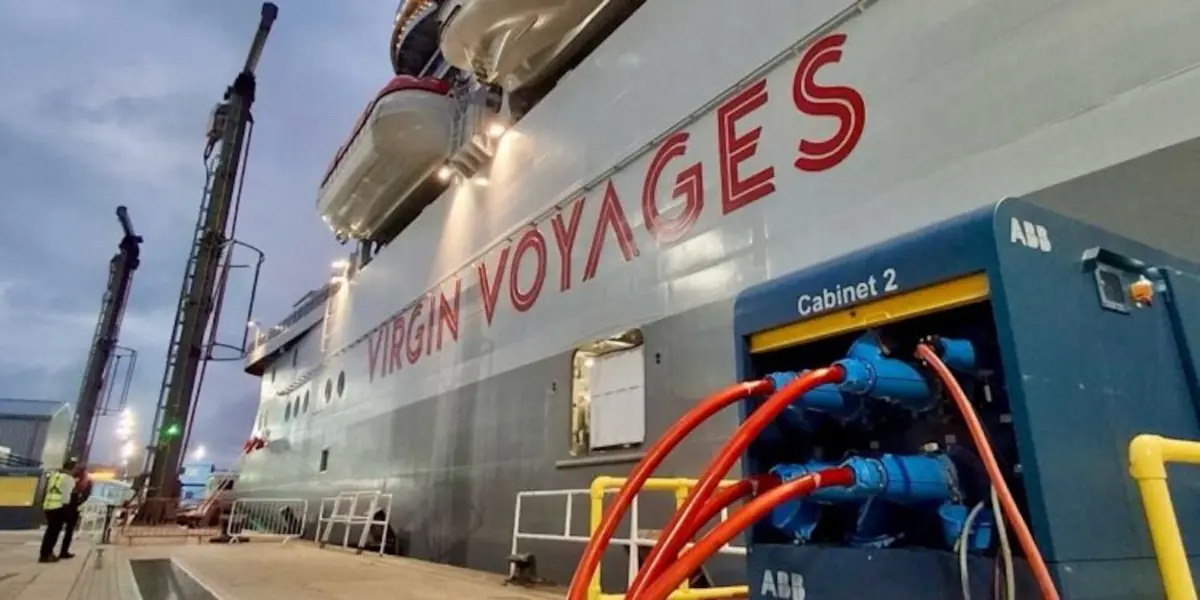
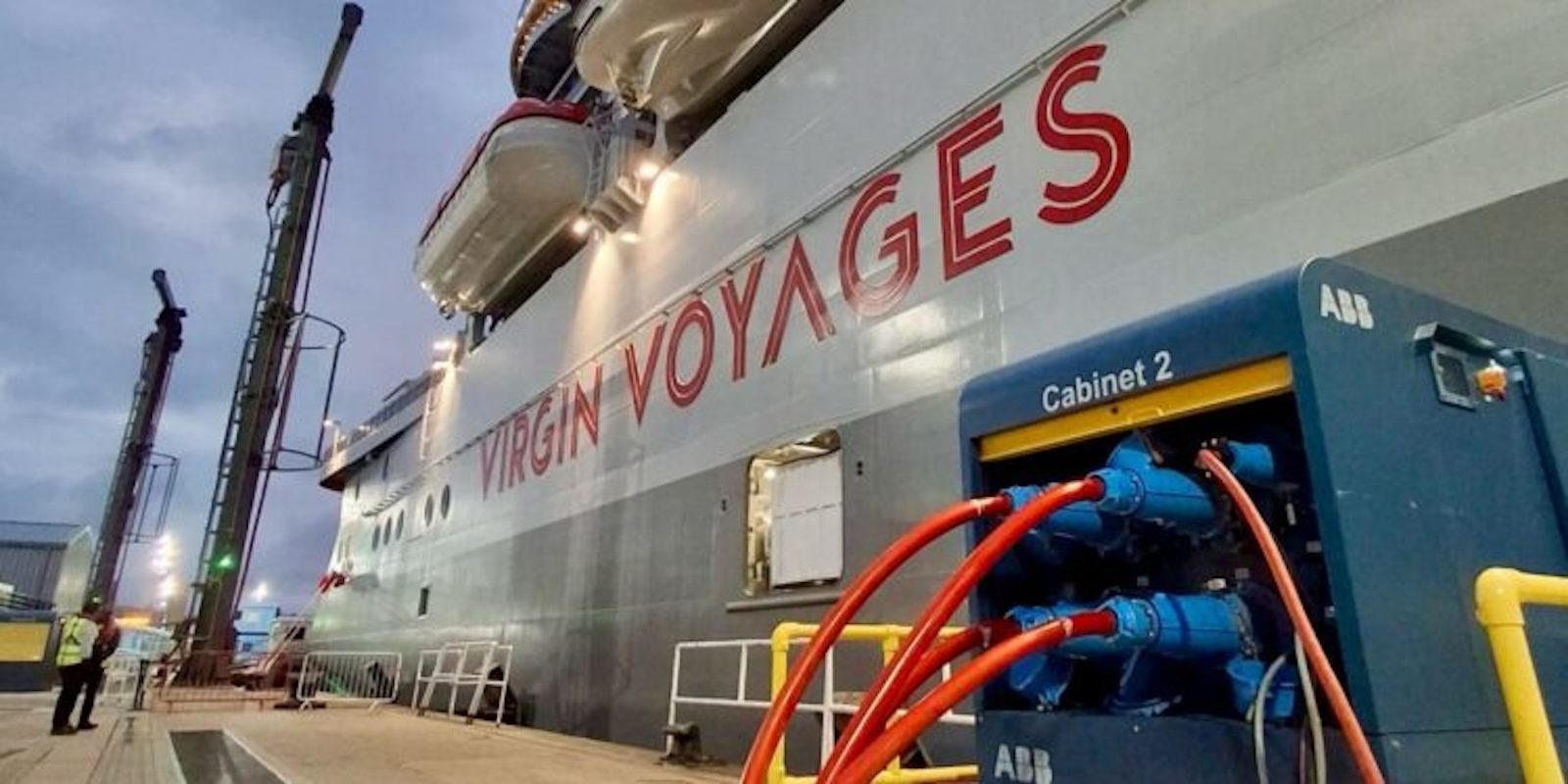
Portsmouth International Port recently inaugurated a major milestone in the United Kingdom’s maritime environmental strategy: the country’s first high-voltage, multi-berth shore power system. Designed to drastically reduce the heavy air pollution caused by idling marine engines, the innovative infrastructure allows docked cruise ships and commercial vessels to plug directly into the local electrical grid, turning off their fuel-guzzling internal combustion generators entirely while in port.
In theory, shore power is a vital linchpin in global maritime decarbonization efforts. By utilizing onshore electricity, ports can simultaneously improve local air quality, slash carbon footprints, and support net-zero operational goals. Similar initiatives have been deployed successfully at major global hubs, including the Port of Long Beach, the Port of New York and New Jersey, and JFK’s Terminal One project.
However, Portsmouth International Port is now confronting an uncomfortable and economically counterintuitive reality: due to exorbitantly high electricity rates in the UK, connecting to shore power is frequently more expensive than simply running onboard generators on fuel oil. Rather than rewarding green initiatives, the market economics of UK grid power have completely inverted the financial incentives of maritime electrification.
Chronology: How the Portsmouth Project Unfolded
- Laying the Groundwork for Net-Zero: Over recent years, Portsmouth International Port established itself as a frontrunner in environmental stewardship, setting an ambitious trajectory to achieve net-zero status. Shore power was identified as the crown jewel of this strategy to eliminate localized port emissions.
- Infrastructure Rollout: Engineers successfully constructed and launched the UK’s pioneering high-voltage, multi-berth shore power system, enabling large vessels—such as those operated by Virgin Voyages—to plug into the municipal grid.
- The Economic Collision: Upon operational rollout, port authorities and shipping operators discovered that the cost of grid electricity drastically outweighed the financial savings expected from avoiding marine fuel oil.
- Escalating Warnings: Industry bodies and port authorities began sounding the alarm, pointing out that ongoing grid fees and structural energy pricing in the UK threatened to stall or completely undermine the adoption of shore power nationwide.
Supporting Data: The Economics of Power and Policy
The breakdown of operational costs reveals why the Portsmouth system is struggling to attract routine users. According to data highlighted by SAFETY4SEA, electricity accounts for an overwhelming 80% to 85% of the total cost paid by a vessel utilizing shore power, while standard port charges make up only a minor 15% to 20%.
When electricity prices remain persistently high, the math ceases to favor the environment. Furthermore, ports face escalating structural barriers beyond raw commodity costs. Portsmouth is currently grappling with an estimated 10% year-on-year increase in Transmission Network Use of System (TNUoS) charges projected over the next five years. These compounding grid-related expenses add layers of overhead to a system that is already financially prohibitive.
Macroeconomic policy data reinforces the scale of the UK’s energy disadvantage:

- UK vs. EU Averages: According to a research briefing by the UK House of Commons Library, British electricity prices sat 18% above the European Union average in the second half of 2025.
- Global Disparities: International Energy Agency (IEA) findings show that electricity prices for energy-intensive industries across the EU are already more than double those in the United States. When factoring in the UK’s even higher rates, the gap widens further.
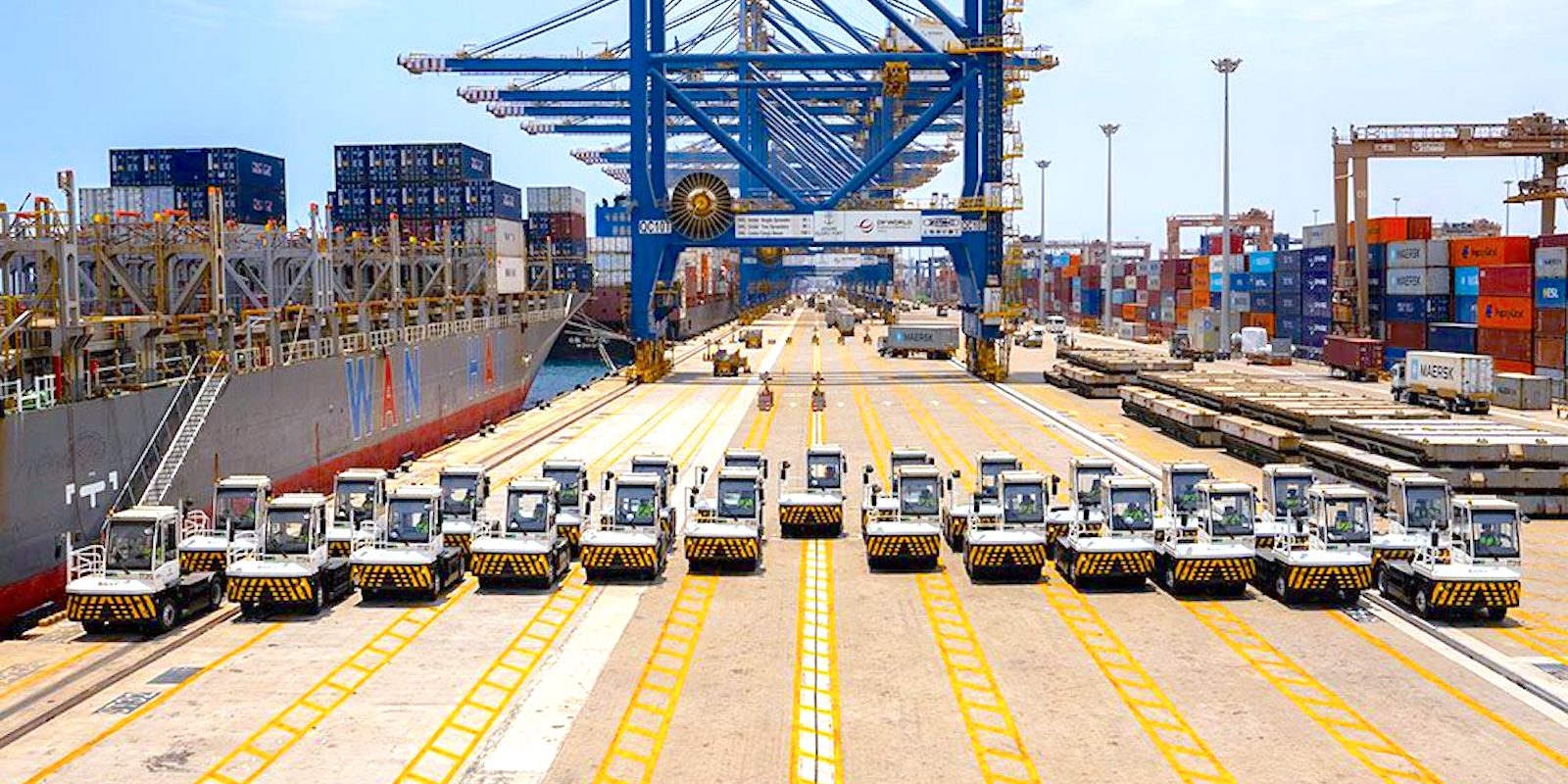
- The US Contrast: By comparison, the United States benefits from a rapidly expanding supply of cheap renewable energy—particularly wind and solar—making the total cost of ownership (TCO) for electrified port equipment, freight systems, and shore power significantly more viable.
Official Responses and Stakeholder Perspectives
Port authorities, maritime associations, and energy experts have expressed profound concern over how poorly aligned energy policy is undermining infrastructure investments.
Maritime and environmental stakeholders emphasize that engineering marvels like the Portsmouth shore power facility cannot succeed in a vacuum. Without targeted policy interventions—such as specialized industrial electricity tariffs, tax exemptions for green shore power, or subsidies to offset punishing network transmission fees—shipping lines will rationally choose the cheaper, dirtier alternative of burning marine gas oil onboard.

Industry analysts have pointedly questioned how a project backed by billions in sustainability mandates can be derailed simply by the baseline cost of electrons. The consensus among port operators is clear: the failure does not lie in the engineering or the vision of Portsmouth International Port, but rather in a systemic national energy policy that penalizes large-scale electrification.
Implications: What This Means for the Future of Maritime Decarbonization
The situation at Portsmouth International Port serves as a cautionary tale for ports worldwide and exposes a critical vulnerability in the global push toward net-zero shipping.

If governments want maritime industries to adopt clean technologies, access to electricity cannot merely be made available; it must be economically competitive. When grid power is priced significantly higher than fossil fuels, environmental mandates collide directly with commercial survival, forcing ship operators to choose the bottom line over sustainability.
For the UK, addressing this paradox requires urgent regulatory reform. If transmission network charges and industrial electricity taxes are not re-evaluated, landmark investments in green infrastructure risk becoming underutilized monuments to misaligned economic policy. As ports across the globe watch the Portsmouth experiment unfold, the message is unequivocal: the energy transition cannot succeed on goodwill alone—it requires an energy market that makes going green make financial sense.
