

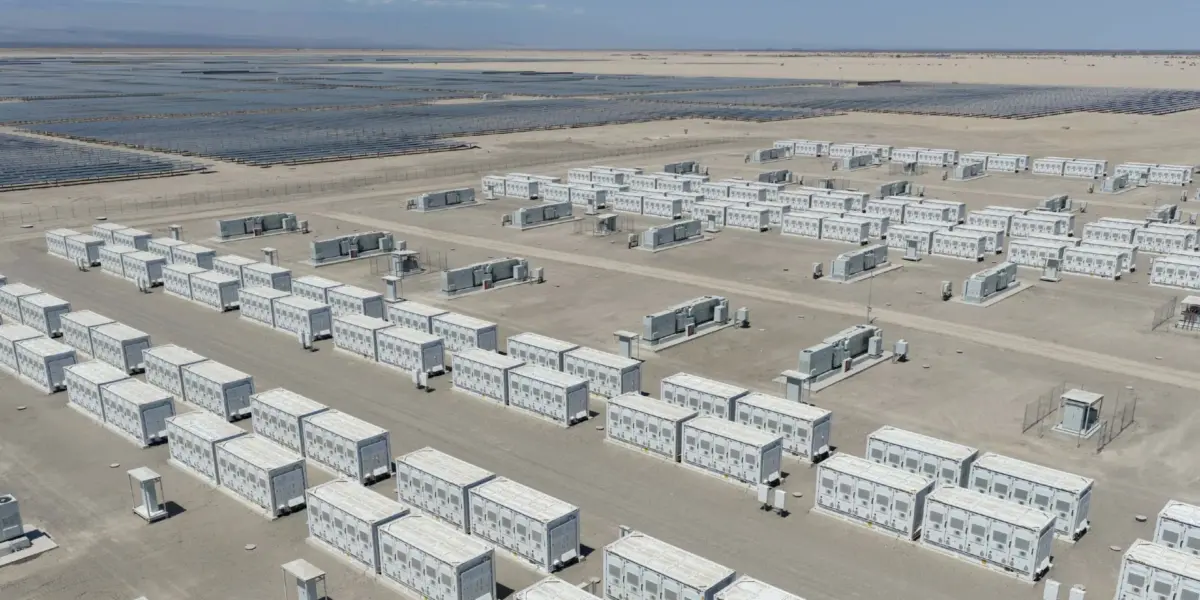
MOHAVE COUNTY, Ariz. — Amid the vast expanse of the Mojave Desert, construction is officially underway on what will soon become ContourGlobal’s largest renewable energy asset worldwide. Project Sterling, a colossal 450-megawatt (MW) AC solar farm paired with an industrial-scale battery energy storage system (BESS), celebrated its formal groundbreaking ceremony on October 6.
Spanning more than 2,000 acres roughly 20 miles north of Lake Havasu City, the project represents a monumental leap forward for clean energy infrastructure in the American Southwest. Notably, tech and clean energy titan Tesla has already locked in a long-term power purchase agreement (PPA) covering approximately 90% of the facility’s expected electricity output, positioning the venture as a critical pillar for future regional power supplies.
Main Facts
Project Sterling is a privately financed, utility-scale renewable energy initiative designed to tackle the intermittency challenges historically associated with solar power. Key specifications of the installation highlight its massive scale:
- Location: Mojave Desert, Mohave County, approximately 20 miles north of Lake Havasu City, Arizona.
- Land Footprint: Over 2,000 acres.
- Solar Capacity: Over 760,000 solar panels delivering a combined capacity of 509 MW DC, translating to 450 MW of AC capacity once converted for the grid.
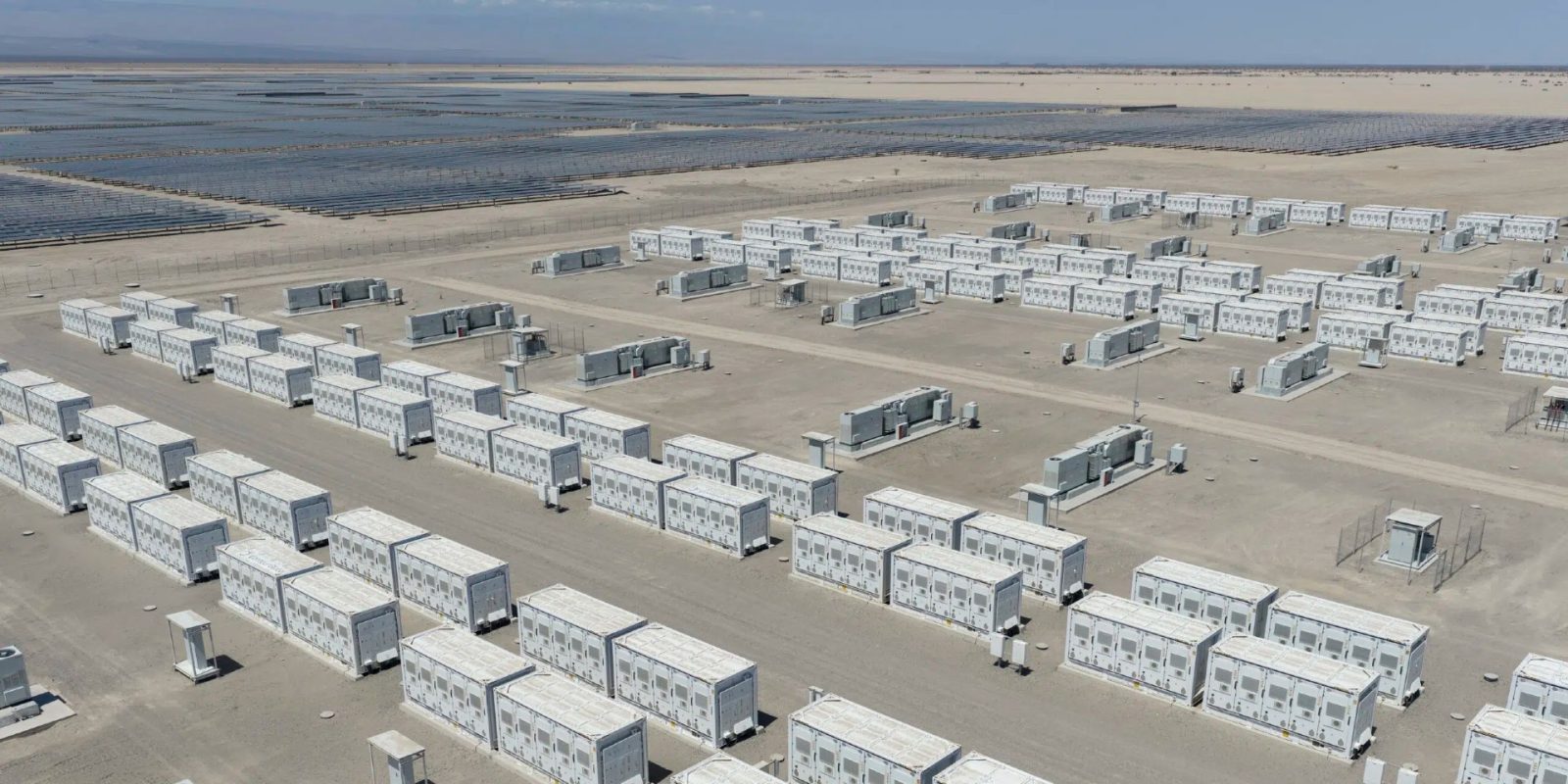
- Battery Storage: More than 300 liquid-cooled lithium iron phosphate (LFP) battery storage containers equipped with integrated fire protection systems.
- Storage Output & Capacity: Capable of delivering up to 360 MW of power, storing roughly 1.4 gigawatt-hours (GWh) of electricity—enough to discharge at maximum capacity for approximately four hours.
- Generation Potential: Estimated to produce more than 1.1 terawatt-hours (TWh) of clean electricity annually.
- Offtaker: Tesla has secured a long-term PPA for about 1 TWh per year, alongside the associated renewable energy certificates (RECs), accounting for 90% of the plant’s total annual generation.
- Grid Integration: The facility will interconnect with the Western Area Power Administration’s (WAPA) transmission grid and has secured transmission rights into the California Independent System Operator (CAISO) electricity market.
- Timeline: Construction runs through 2028, with commercial operation slated to begin the same year.
- Employment: Projected to create approximately 400 construction jobs throughout the development lifecycle.
Chronology of Development
The path to breaking ground on Project Sterling has involved extensive logistical, financial, and regulatory milestones:
- Early Planning and Siting: ContourGlobal identified the strategic expanse of the Mojave Desert in Mohave County, Arizona, for its high solar irradiance and favorable geographic proximity to major Western power markets.
- Financing and Partnerships: The privately financed project successfully closed an equity bridge loan from a syndicate of international banks, providing the foundational capital required to drive construction through its multi-year timeline.
- The Offtake Agreement: Recognizing the immense value of dispatchable renewable power, Tesla entered into a binding long-term PPA to secure roughly 90% of the project’s future electricity generation and RECs.
- Groundbreaking Ceremony: On October 6, stakeholders gathered in the Mojave Desert to officially inaugurate construction.
- Current & Future Work (2026–2028): Local work crews are currently tackling initial civil engineering tasks, site logistics, and grading. This includes the development of a critical 5.2-mile (8.4-kilometer) access road designed to connect the remote site directly to historic Route 66. Full installation of the 760,000+ panels and 300+ battery containers will follow over the next two years, culminating in commercial operation in 2028.
Supporting Data & Technical Architecture
The technical design of Project Sterling bridges the gap between peak daytime solar generation and high evening electricity demand. Traditional solar installations experience steep generation drop-offs as the sun sets, often when regional power consumption peaks. Project Sterling mitigates this through advanced storage mechanics.
Solar Infrastructure
The plant utilizes more than 760,000 high-efficiency photovoltaic panels distributed across the 2,000-acre site. While the panels generate a cumulative 509 MW of direct current (DC) power, state-of-the-art utility-scale inverters convert this into 450 MW of alternating current (AC) power suitable for high-voltage transmission lines.
Battery Energy Storage System (BESS)
To ensure grid reliability, Project Sterling integrates a massive BESS featuring over 300 containerized units.
- Chemistry: The installation relies on lithium iron phosphate (LFP) battery chemistry, widely favored in grid-scale applications for its thermal stability, longevity, and safety profile.
- Thermal Management: Each container features advanced liquid-cooling technology to optimize battery performance and lifespan under extreme desert temperatures.
- Safety: Integrated, state-of-the-art fire protection systems are embedded within the storage architecture to ensure rapid containment capabilities.
- Dispatchability: With a storage capacity of 1.4 GWh and a discharge capability of 360 MW, the system can output full power for roughly four hours. Combined with direct solar generation, ContourGlobal projects the facility can supply reliable clean electricity for up to 16 hours a day.
Economic and Logistical Footprint
Beyond clean energy generation, the project serves as a significant economic engine for Mohave County. Construction activities are employing roughly 400 workers, with local crews executing essential civil works, road construction, and the execution of the 5.2-mile Route 66 access road.

Official Responses and Stakeholder Perspectives
Executives from ContourGlobal have emphasized the monumental nature of Project Sterling within their global portfolio. As the company’s largest renewable energy asset to date, the venture underscores a corporate shift toward deeply integrated generation-and-storage assets.
Industry analysts have similarly pointed to the involvement of high-profile off-takers like Tesla as validation of the project’s strategic value. By securing 90% of the plant’s output, Tesla reinforces its expanding footprint in the energy markets—leveraging clean electrons not just for its vehicle manufacturing and Supercharger network, but also for its broader virtual power plant (VPP) and utility-scale energy storage businesses.
Furthermore, regional energy watchdogs have noted that the project’s interconnection strategy—tying into WAPA’s grid while securing transmission rights into CAISO—highlights the increasing cross-border fluidity of the Western energy market.
Implications for the Regional Grid and Energy Market
Project Sterling arrives at a critical juncture for the Western United States electricity grid, carrying several profound implications:

1. Easing California’s Grid Strain
By securing transmission rights into the California Independent System Operator (CAISO) market, Project Sterling acts as a vital import valve for California. The state faces recurring reliability challenges during extreme heatwaves when air conditioning demand spikes into the evening hours long after solar generation has dwindled. Sterling’s 1.4 GWh battery system allows it to "shift" solar energy captured during peak daylight hours into the high-demand evening window, directly bolstering grid stability across state lines.
2. The Blueprint for Utility-Scale Hybrid Plants
Standalone solar farms are increasingly giving way to hybrid solar-plus-storage facilities. Project Sterling demonstrates the commercial viability of pairing immense generation capacity with equally robust storage, proving that private financing and international banking syndicates view multi-gigawatt-hour storage assets as bankable, low-risk investments.
3. Economic Revitalization in Rural Arizona
The infusion of capital into Mohave County—ranging from the hundreds of construction jobs to infrastructure upgrades like the Route 66 access road—demonstrates how the clean energy transition can drive localized economic development in rural, desert communities.
As construction presses forward toward its 2028 completion date, Project Sterling stands out as a defining landmark of the modern energy transition: massive in scale, technologically sophisticated, and tightly integrated with the sophisticated power demands of the 21st-century grid.
