

By Joe Bousquin
Published October 9, 2026
Main Facts
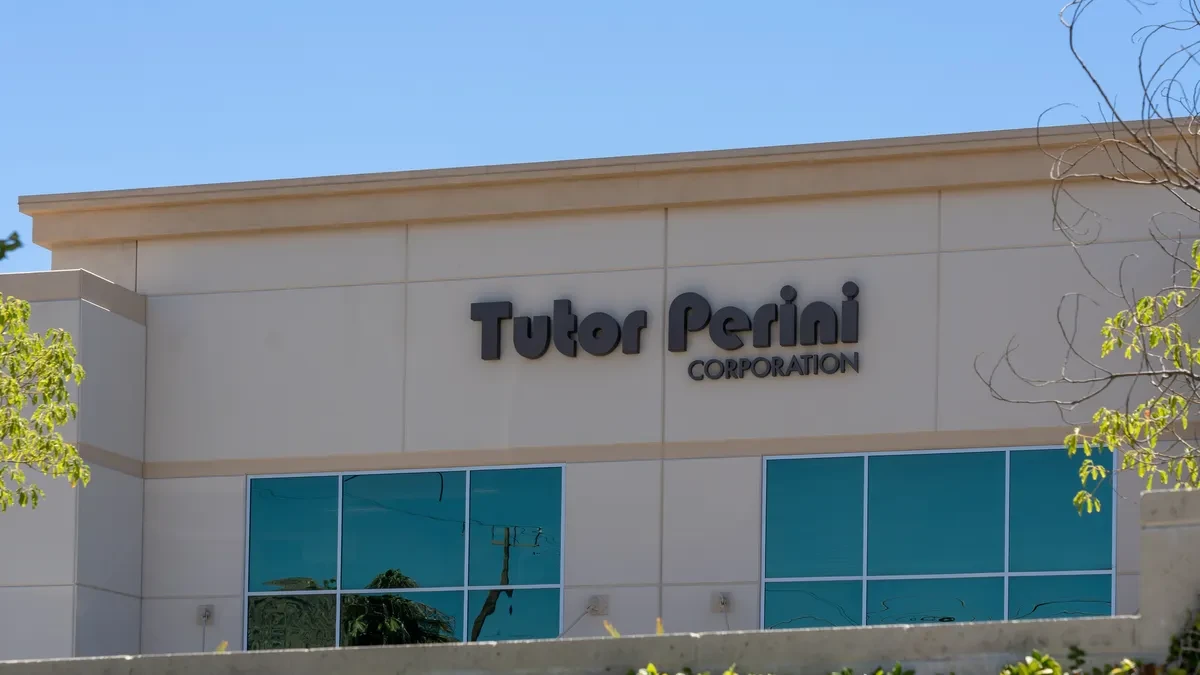
In a decisive move underscoring a broader strategic shift within the heavy construction sector, Tutor Perini Corporation has landed a major contract through its subsidiary, Fisk, to provide advanced electrical construction services for a massive new data center in Houston, Texas. The project represents a critical milestone for the Los Angeles-based megacontractor, translating months of executive signaling into tangible market share within the booming digital infrastructure landscape.
While Fisk’s specialized electrical construction work is slated to commence before the end of the year, the project is moving on an aggressive timeline. Project stakeholders anticipate substantial completion by the first quarter of 2027. This rapid turnaround highlights the urgent market demand for scalable, high-capacity data storage and processing facilities driven by the exponential growth of artificial intelligence, cloud computing, and enterprise digitization.
For Tutor Perini, this contract win is far more than a routine assignment; it is validation of an intentional corporate pivot. Historically renowned for anchoring its portfolio in massive, complex civil infrastructure projects—such as the Gateway tunnel project connecting New York and New Jersey, and California’s high-speed rail initiative—the firm is actively diversifying its revenue streams. By leaning into the data center market, Tutor Perini is aligning itself with the most lucrative and fast-growing sector in modern commercial construction.
Chronology
To understand the weight of Tutor Perini’s latest contract win, it is necessary to examine the trajectory of the company’s strategic evolution over the past several quarters.
- Early 2026 (Q1 Earnings Calls): Tutor Perini executives first signaled a formalized pivot during their first-quarter earnings calls. Amid shifting macroeconomic conditions and evolving private sector demands, leadership openly discussed exploring high-margin opportunities in the data center construction space, noting that the sector was rapidly expanding its footprint in major contractors’ backlogs.
- Mid-2026 (Q2 Earnings and Project Tracking): By the second quarter, executive commentary evolved from exploratory interest to operational execution. During Q2 financial reports, Tutor Perini highlighted record revenues and higher profits, increasingly attributing future growth optimism to specialty commercial and digital infrastructure sectors rather than relying solely on public-sector civil works.
- October 9, 2026: The official announcement of the Fisk subsidiary’s Houston data center contract is published, putting concrete operational weight behind the strategy discussed on earnings calls throughout the year.
- Late 2026 (Projected): Fisk is scheduled to mobilize and officially begin electrical construction work on the Houston data center site.
- First Quarter of 2027 (Projected): The Houston data center is slated to reach substantial completion, marking a remarkably fast delivery window characteristic of modern mission-critical facility builds.
Supporting Data
The commercial construction sector is currently experiencing a generational rebalancing. Traditional heavy civil contractors, long accustomed to multi-year public works projects with lengthy approval cycles, are increasingly capturing private-sector dollars earmarked for technological expansion.
Data centers require immense power distribution, sophisticated cooling systems, and robust redundancy frameworks—demands that place a high premium on specialized electrical contractors like Tutor Perini’s subsidiary, Fisk. The sheer scale of capital investment pouring into digital infrastructure has fundamentally altered contractor backlogs nationwide.
Furthermore, Tutor Perini is not navigating this transition in a vacuum. Other heavy civil stalwarts are making parallel moves. For instance, Watsonville, California-based Granite Construction has increasingly emphasized its growing exposure to data center projects during recent earnings reports. While Granite’s footprint in the sector often materializes through foundational heavy civil scopes—such as site preparation, mass grading, and the construction of access roads and parking lots—the overarching trend is clear: legacy civil firms are capitalizing on the tech boom.
The convergence of traditional civil engineering prowess and high-tech electrical installation has created a hybrid contractor profile capable of tackling the immense site footprint and power-grid connectivity required by modern hyperscale data centers.
Official Responses
While specific client details and financial valuations of the Houston project remain tightly bound by corporate disclosures, leadership at Tutor Perini has consistently telegraphed the rationale behind these pursuits during financial briefings.

Throughout 2026 earnings calls, executive leadership stressed that while public infrastructure remains a cornerstone of the company’s identity, the firm must remain agile. The explosion of generative AI and hyperscale data storage has created unprecedented demand for rapid-deployment construction capabilities. By empowering specialized subsidiaries like Fisk to capture these high-value electrical scopes, Tutor Perini is positioning itself to capture lucrative private-sector margins that can offset the budgetary delays often plaguing public megaprojects.
Industry analysts have responded favorably to this diversification, noting that data center clients typically operate with dedicated private capital and accelerated timelines—factors that insulate contractors from certain public-sector funding volatilities.
Implications
The securing of the Houston data center contract by Tutor Perini’s Fisk subsidiary carries significant implications for the broader construction ecosystem, the company’s financial health, and the competitive landscape of heavy contracting.
1. Diversification and Risk Mitigation
For decades, Tutor Perini’s financial performance was heavily tied to massive public infrastructure projects. While these contracts offer long-term revenue visibility, they are frequently susceptible to bureaucratic delays, political shifts, and complex litigation. By successfully entering the data center market, Tutor Perini introduces a powerful counter-cyclical revenue engine. Private-sector tech investments run on aggressive commercial timelines, offering a faster cash-conversion cycle.
2. Industry-Wide Operational Shifts
The success of firms like Tutor Perini and Granite Construction in capturing tech-sector work signals a broader blurring of traditional construction specializations. Heavy civil contractors are increasingly competing alongside traditional commercial builders for tech real estate. Firms that possess both heavy civil earthmoving capabilities and specialized electrical/mechanical contracting subsidiaries (via strategic acquisitions or internal growth) hold a distinct competitive advantage. They can self-perform the heavy site work and the intricate interior fit-outs required by mission-critical facilities.

3. Supply Chain and Workforce Pressures
Executing a complex data center build with a substantial completion target set for early 2027 places immense pressure on local labor markets and material supply chains. Specialized electrical contractors must navigate ongoing shortages of skilled electricians, supply chain lead times for high-voltage transformers, and stringent quality assurance standards. Fisk’s ability to successfully deliver the Houston facility on schedule will serve as a vital proof-of-concept for Tutor Perini’s ongoing transition into the digital infrastructure market.
As the construction industry looks toward the remainder of the decade, the Houston data center project stands out as a bellwether. It proves that legacy civil giants can successfully pivot to meet the demands of the digital age, transforming foundational engineering expertise into the literal power grid of tomorrow’s technology.
