

Main Facts
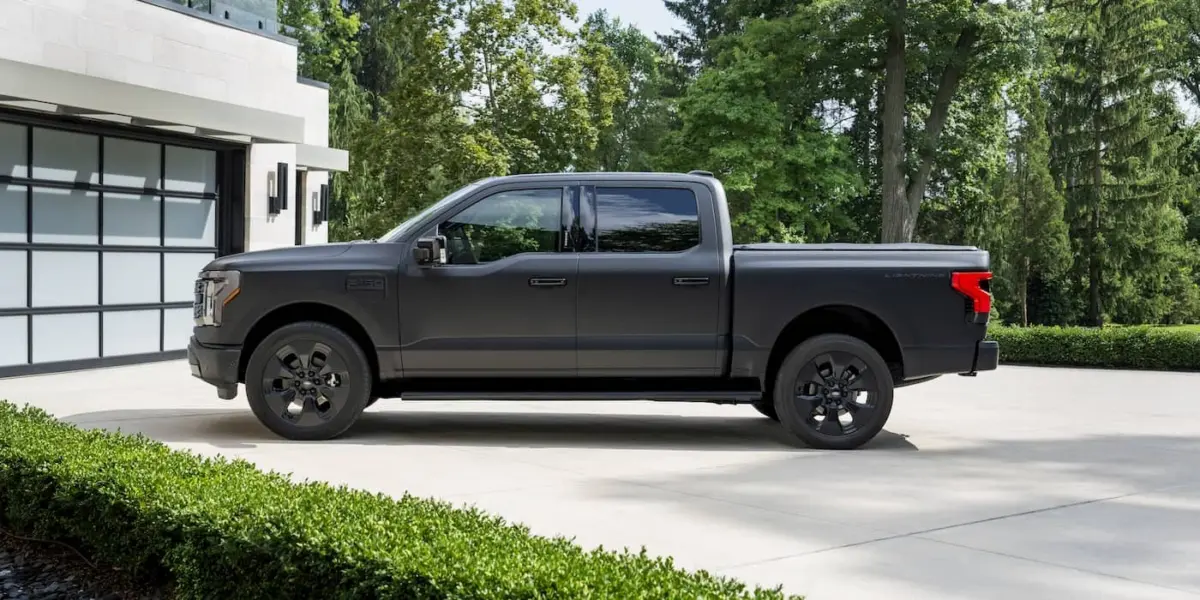
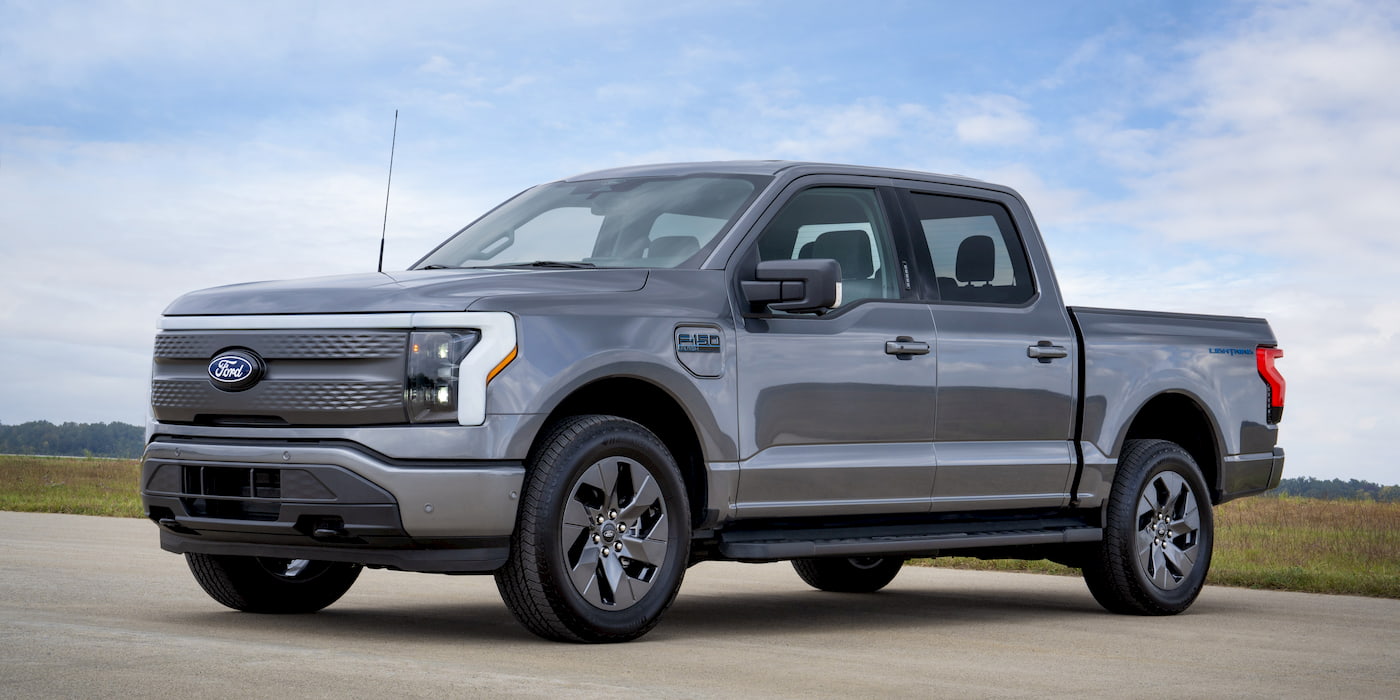
The automotive landscape is full of ironic twists, but few are as pronounced as the current renaissance of the Ford F-150 Lightning. Once hailed as America’s most popular electric pickup, the Lightning faced a difficult initial journey plagued by high sticker prices, soaring production costs, and shifting consumer sentiment. Production of the first-generation flagship officially ended last December, with Ford CEO Jim Farley acknowledging that high-end electric vehicles ranging from $50,000 to $80,000 simply lacked the broader market demand needed to sustain long-term manufacturing profitability.
However, depreciation has breathed new life into the vehicle. Today, pre-owned F-150 Lightnings are selling at a staggering 50% to 60% discount off their original MSRP. This massive price correction has turned the once-struggling luxury electric truck into a budget-friendly powerhouse on the secondary market.
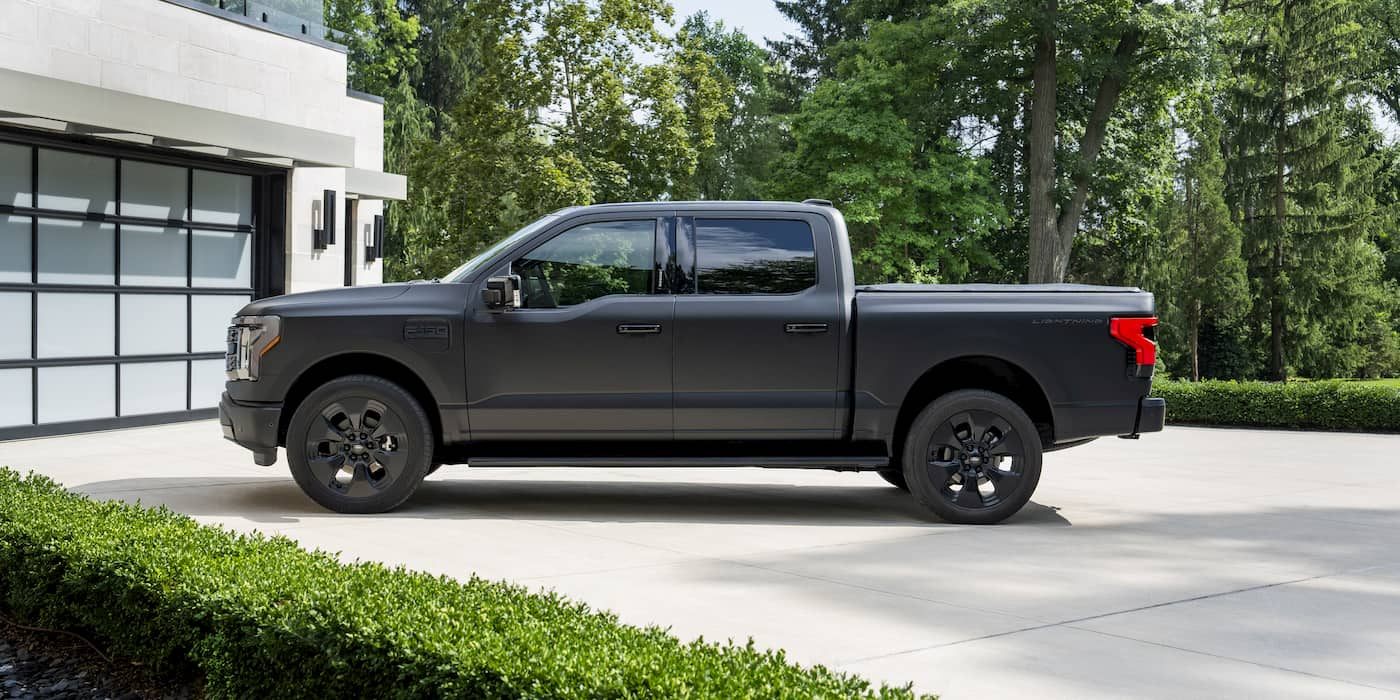
According to data from Edmunds.com, average transaction prices for used Lightnings have climbed roughly 4% since the beginning of the year, hovering around the $50,000 mark—though savvy buyers like Colorado resident Chase Norris have scored models for as low as $40,000. Furthermore, these trucks are flying off dealership lots, selling in an average of just 20 days. This is less than half the 44-day average for pre-owned vehicles nationwide, highlighting an insatiable pent-up demand for electric trucks, provided the price point matches consumer expectations.
Chronology of the Lightning and the Path to the Fathom
To understand how the F-150 Lightning reached its current status as a used-market darling, it is necessary to examine the timeline of Ford’s electric vehicle ambitions:
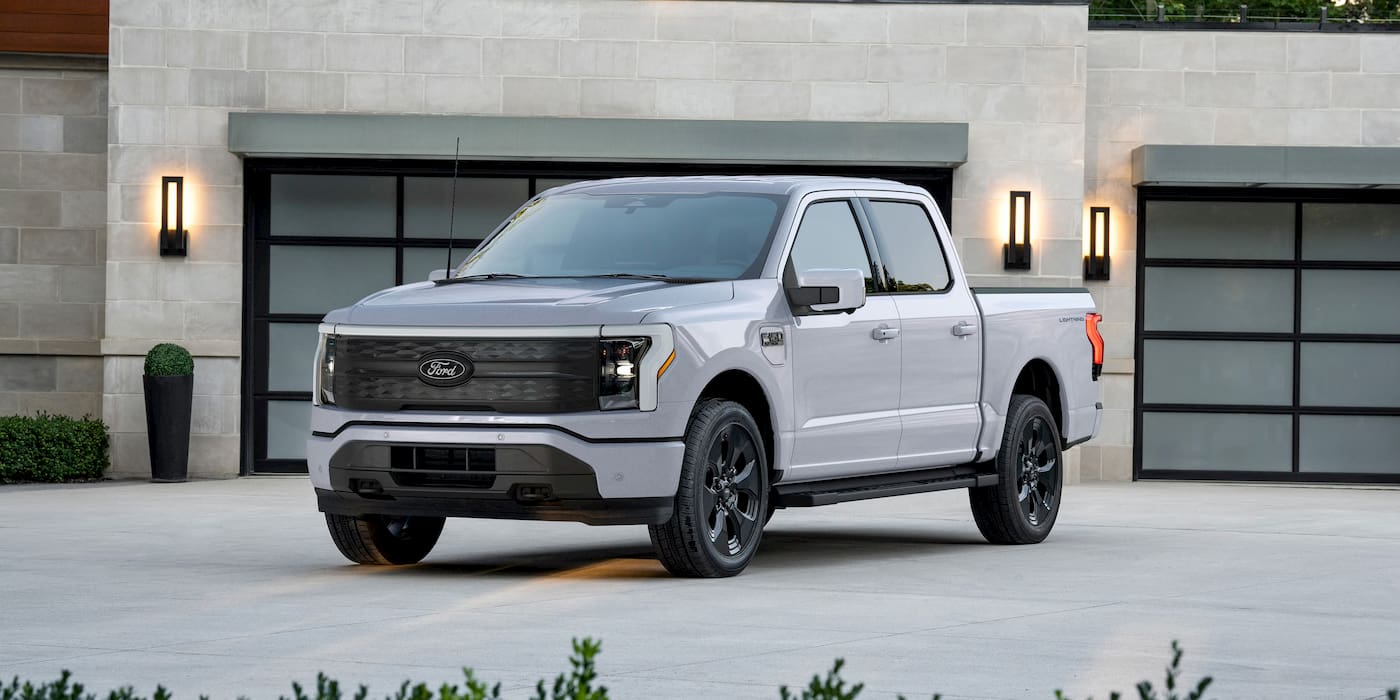
- May 2021: Ford officially debuts the F-150 Lightning, generating immense public interest and hundred-thousand-plus non-binding reservations. The entry-level "Pro" trim is initially announced with an eye-catching starting MSRP of $39,974.
- 2022–2023: Spurred by surging raw material costs, supply chain bottlenecks, and high demand, Ford rapidly escalates prices. The base Pro trim’s price is hiked to roughly $60,000, while higher-end trims push the average transaction price (ATP) during the truck’s debut year to a hefty $79,000—about $19,000 more than its internal combustion engine (ICE) equivalent.
- Early 2024: Financial strain becomes evident. During the first quarter of 2024, reports reveal that Ford is losing upwards of $100,000 on every electric vehicle it builds, forcing management to trim battery orders and scale back production targets.
- December 2025: The final first-generation F-150 Lightning rolls off the assembly line. CEO Jim Farley publicly concedes that premium-priced EVs in the $50,000–$80,000 bracket failed to capture the volume necessary to survive.
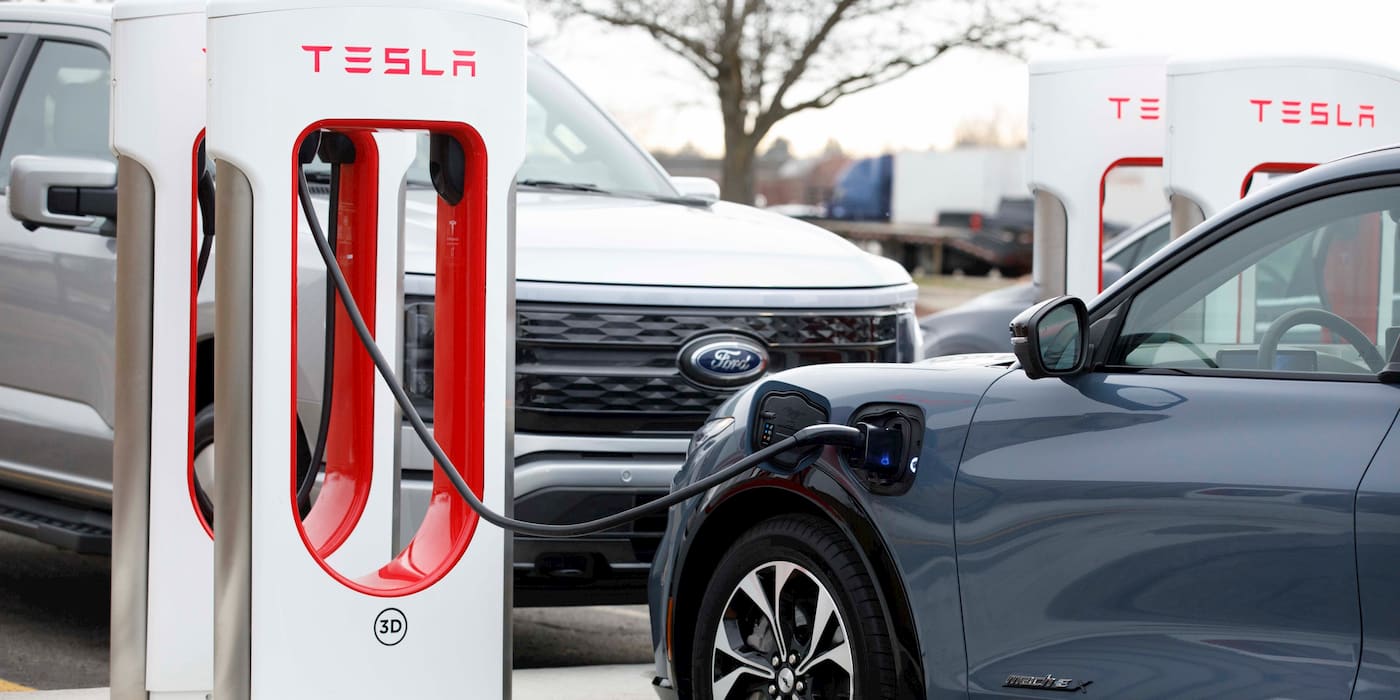
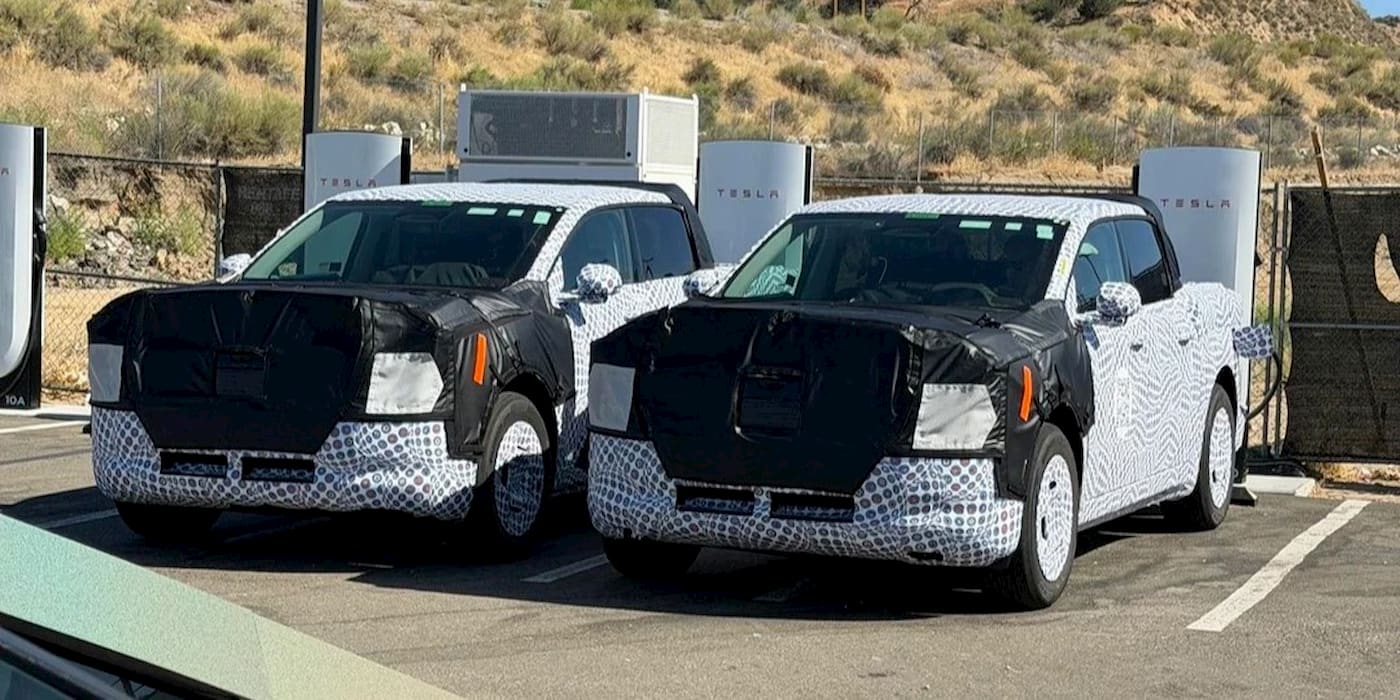
- Summer 2026: Prototypes of Ford’s upcoming midsize electric pickup—tentatively known as the Fathom—are spotted testing and charging at Tesla Superchargers, revealing a native NACS (North American Charging Standard) port.
- September 2026: At the Automotive News Congress, CEO Jim Farley discusses the ambitious target of moving 100,000 units of the upcoming Fathom in its first year, admitting the logistical hurdles of launching an affordable EV at scale. A company spokesperson subsequently reaffirms to Electrek that the Fathom’s official launch remains locked in for 2027.
Supporting Data and Market Economics
The financial mechanics behind the F-150 Lightning’s sudden turnaround offer a fascinating case study in automotive economics. When new, the math simply did not compute for the average truck buyer. Jimmy Douglas, CEO of wholesale EV dealer Plug, explained to Bloomberg that the initial pricing structure created a barrier to entry that alienated traditional blue-collar truck consumers.
"When Ford was selling it brand new, the math was complicated," Douglas noted. "On the used market, however, the Lightning is 50% to 60% of the sticker price, and that is really a sweet spot."
The data backs up this observation. Dealership dynamics have shifted drastically: nearly one-third of used Lightnings are now being sold directly by competing dealerships rather than being flipped back to Ford, as retailers recognize the high velocity of consumer interest. Alex Lawrence, CEO and co-founder of EV Group—a firm specializing in pre-owned electric vehicles—stated that he currently cannot keep reasonably priced used F-150 Lightnings on his lots. According to Lawrence, many buyers utilize the electric truck as a secondary vehicle to drastically slash their weekly commuting expenses.
This demand stands in stark contrast to the massive fiscal losses Ford absorbed during the height of the vehicle’s production run. While consumers are now enjoying the benefits of steep depreciation, early adopters paid a heavy premium, and Ford suffered profound manufacturing losses per unit before deciding to pull the plug on the platform.
Official Responses and Future Outlook: The Ford Fathom
Ford is not abandoning the electric pickup segment entirely; rather, it is radically pivoting its strategy. Having learned harsh lessons from the high-cost manufacturing model of the F-150 Lightning, the company is preparing to launch its next-generation electric pickup: the Fathom.
The Fathom represents the inaugural vehicle built on Ford’s groundbreaking new Universal Electric Vehicle (UEV) platform. Designed from the ground up for maximum manufacturing efficiency and profitability, the Fathom aims to conquer the affordable EV space that the Lightning missed.

Key Details of the Upcoming Ford Fathom:
- Pricing: The standard-range version will start at an aggressive $28,350 (excluding a $1,595 delivery fee), bringing the entry price comfortably under the $30,000 threshold.
- Interior and Technology: Ford promises interior cabin space exceeding that of a Toyota RAV4. Furthermore, the Fathom will pioneer automotive software integration as the first vehicle to feature Apple Maps natively integrated directly into the factory navigation system.
- Charging Infrastructure: Confirmed via spy shots at Tesla Superchargers, the Fathom will feature a native NACS port, granting seamless access to America’s most reliable DC fast-charging network.
- Sales Targets: Ford has set an ambitious goal to manufacture and sell approximately 100,000 Fathom units in its first full year on the market.
Addressing the immense operational challenges of this pivot at the Automotive News Congress, Jim Farley remarked, "It’s going to be a heck of an effort to launch this at scale, at cost, on time." Nevertheless, corporate communications have firmly locked in the production timeline, with a Ford spokesperson verifying to Electrek that the 2027 launch date remains entirely on schedule.
Implications
The saga of the Ford F-150 Lightning and the upcoming launch of the Fathom carry profound implications for the broader American automotive industry.
First, it highlights a critical reality for legacy automakers transitioning to electrification: price parity is non-negotiable for mass adoption. While affluent early adopters were willing to pay $80,000 for a luxury electric workhorse, the core truck-buying demographic requires utility balanced with realistic economics. The runaway success of the used Lightning—driven entirely by its descent into the $40,000 to $50,000 range—proves that consumer appetite for electric trucks is robust, provided the price is right.
Second, the failure of the Lightning’s first-generation business model forced Detroit to rethink vehicle architecture entirely. The transition from bespoke, high-cost EV platforms to flexible, cost-optimized systems like Ford’s UEV platform will dictate which legacy manufacturers survive the ongoing transition. If Ford can successfully execute the sub-$30,000 Fathom without absorbing the catastrophic losses that plagued the Lightning, it could redefine the baseline profitability of the American electric vehicle market.

Ultimately, the F-150 Lightning’s second act on the used market serves as both a cautionary tale and a beacon of hope. It demonstrates that great engineering and zero-emission capability will eventually find a home—even if it takes a 50% depreciation curve to finally align the vehicle with what consumers are willing to pay. As Ford pivots toward the Fathom era, the automotive industry will be watching closely to see if lessons learned from the Lightning can finally pave the way to profitable, mass-market electric trucks.
