

Every autumn, as temperatures begin to plummet across the Northern Hemisphere, a familiar narrative reemerges across meteorological forums, social media channels, and weather enthusiast blogs. The core question is always the same: Is snow spreading rapidly across Siberia? For over a decade, a widespread belief has persisted that a swift October snow advance across Eurasia serves as a reliable early warning sign for a bitter, snowy winter across the United States, Canada, and Europe.
This hypothesis stems from a landmark 2011 scientific study that quickly captured the imagination of seasonal forecasters. Yet, with a fast snow surge forecast once again for October, meteorologists are pressing pause to re-evaluate whether this classic predictive signal still holds weight in the modern era. By analyzing 47 winters of data spanning from 1979 to 2025 across four distinct snow datasets—including the precise satellite metrics utilized in the original research—new findings are challenging long-held assumptions. The results not only rewrite how meteorologists interpret October snow cover but also shift the focus toward more dominant drivers shaping the upcoming Winter 2026/2027 season.
Chronology of a Weather Theory: From 2011 Breakthrough to Modern Re-evaluation
The Genesis of the Eurasian Snow Hypothesis
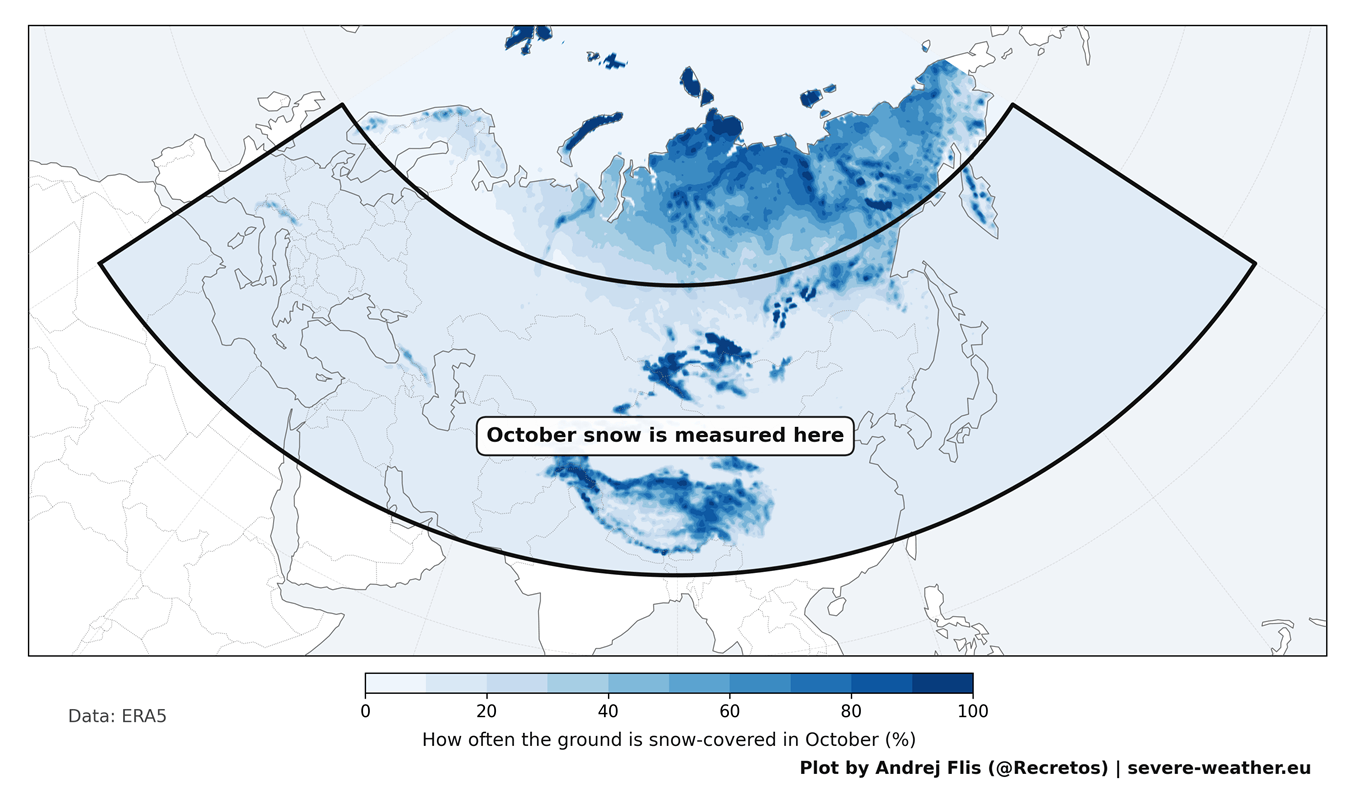
In 2011, atmospheric scientists Judah Cohen and Justin Jones published a groundbreaking study detailing a remarkable winter teleconnection. They measured the rate of Eurasian snow cover expansion during October and its subsequent influence on the upcoming winter season. According to their findings, a faster-than-average snow advance across the vast expanse stretching from Western Europe to the Pacific coast increased the statistical likelihood of disruptive Arctic air outbreaks spilling into mid-latitude regions of North America and Europe.
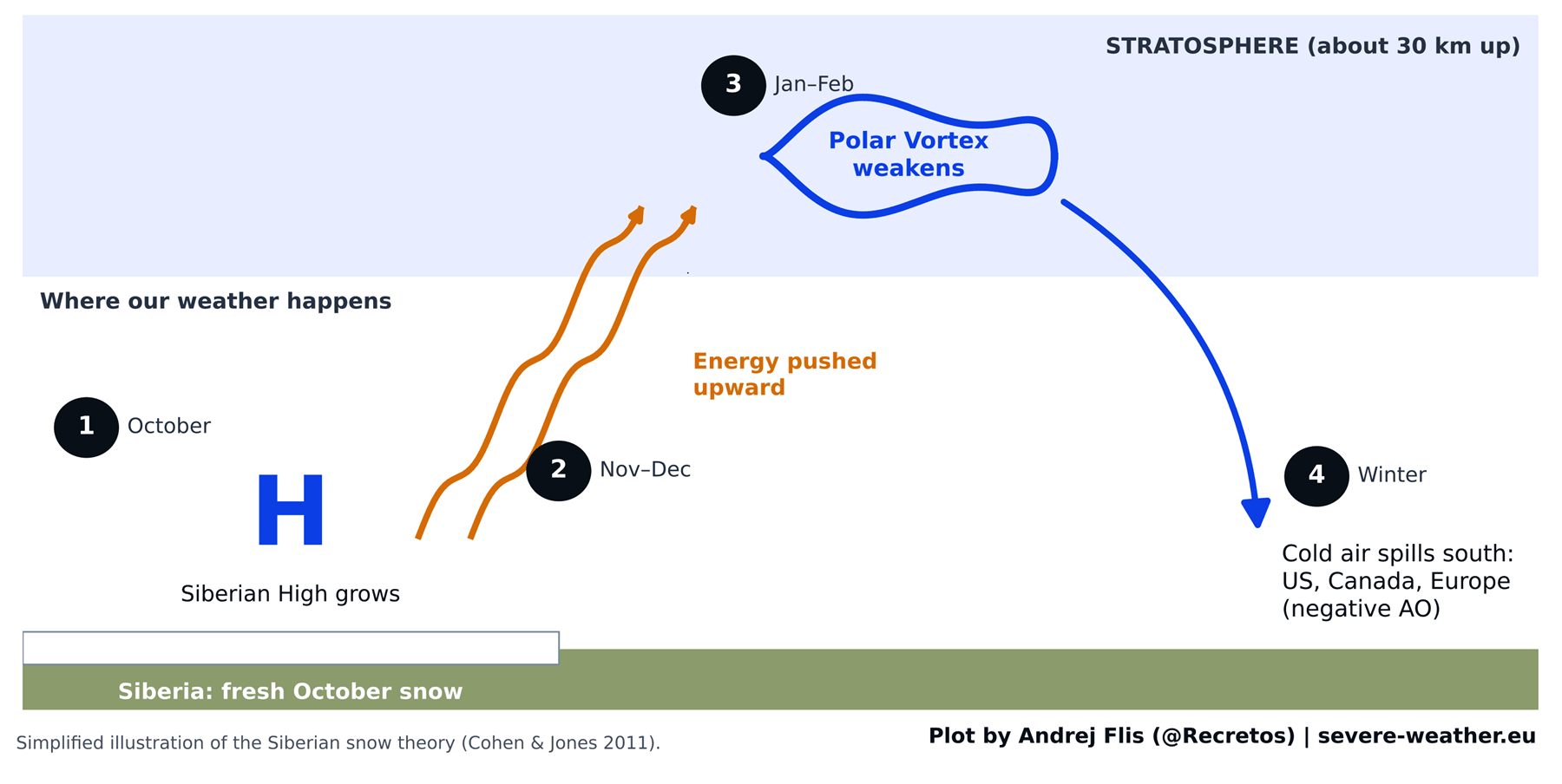
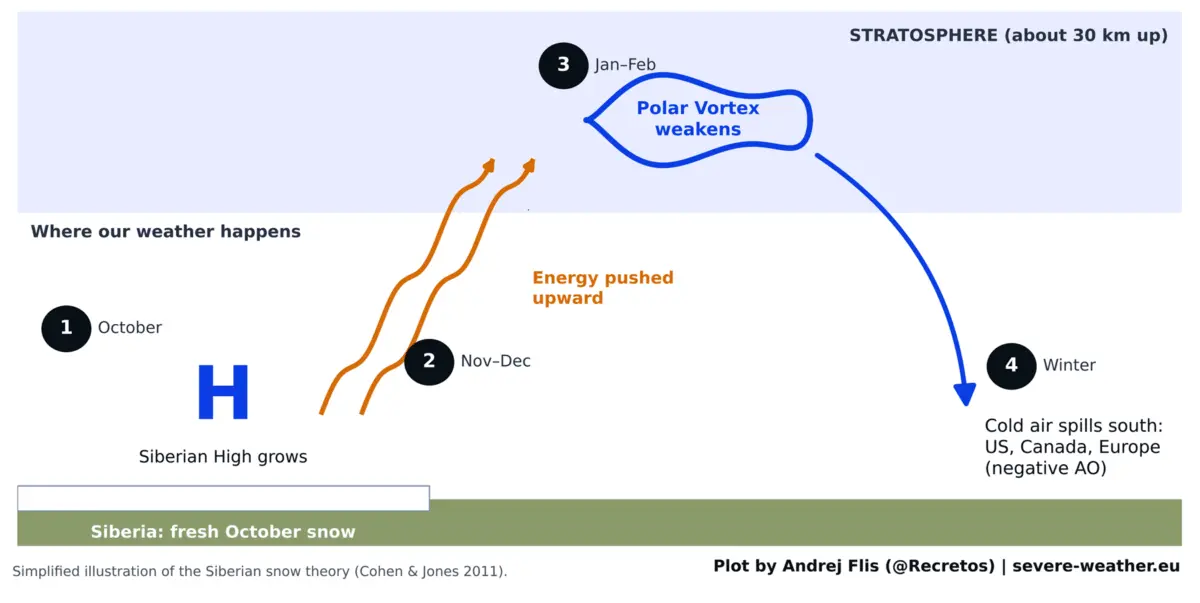
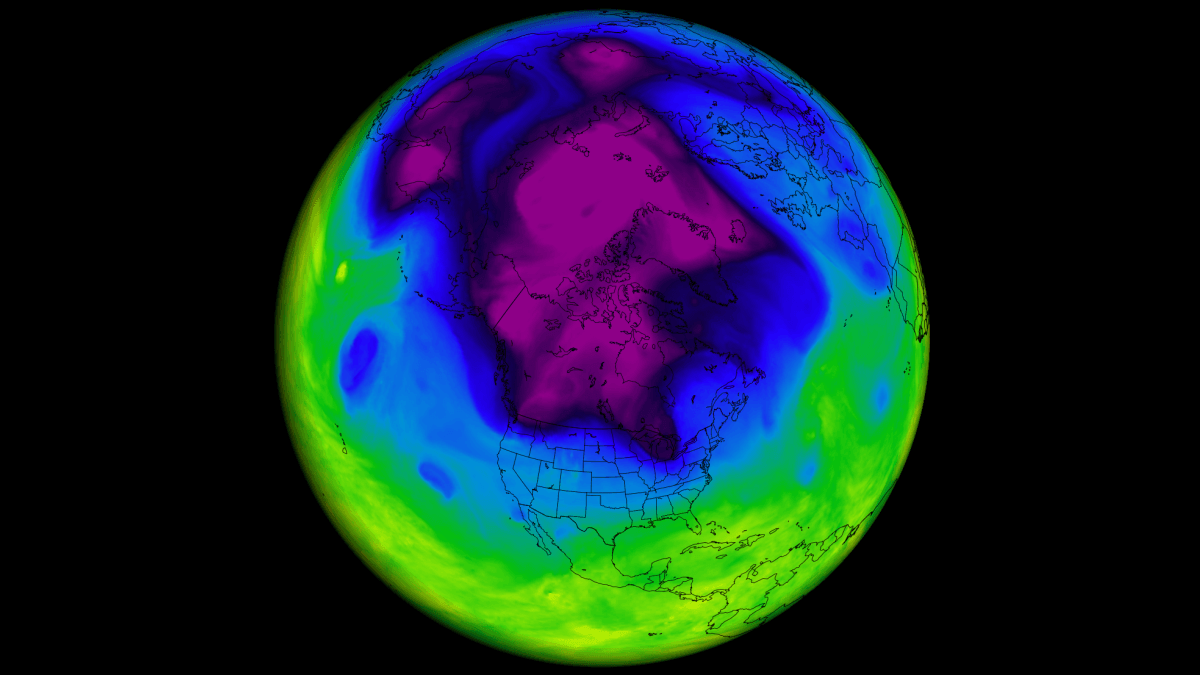
The physical mechanics of the theory appeared robust. Fresh, expansive snow cover rapidly cools the ground, helping to intensify the Siberian High—a massive semi-permanent pool of cold, dense air anchored over northern Asia. This surface enhancement transmits planetary-scale wave energy upward into the stratosphere, roughly 30 kilometers (18.5 miles) above the surface. Once inside the stratosphere, this energy surge disrupts the Polar Vortex, the colossal ring of westerly winds that normally locks the coldest polar air safely in the high Arctic.
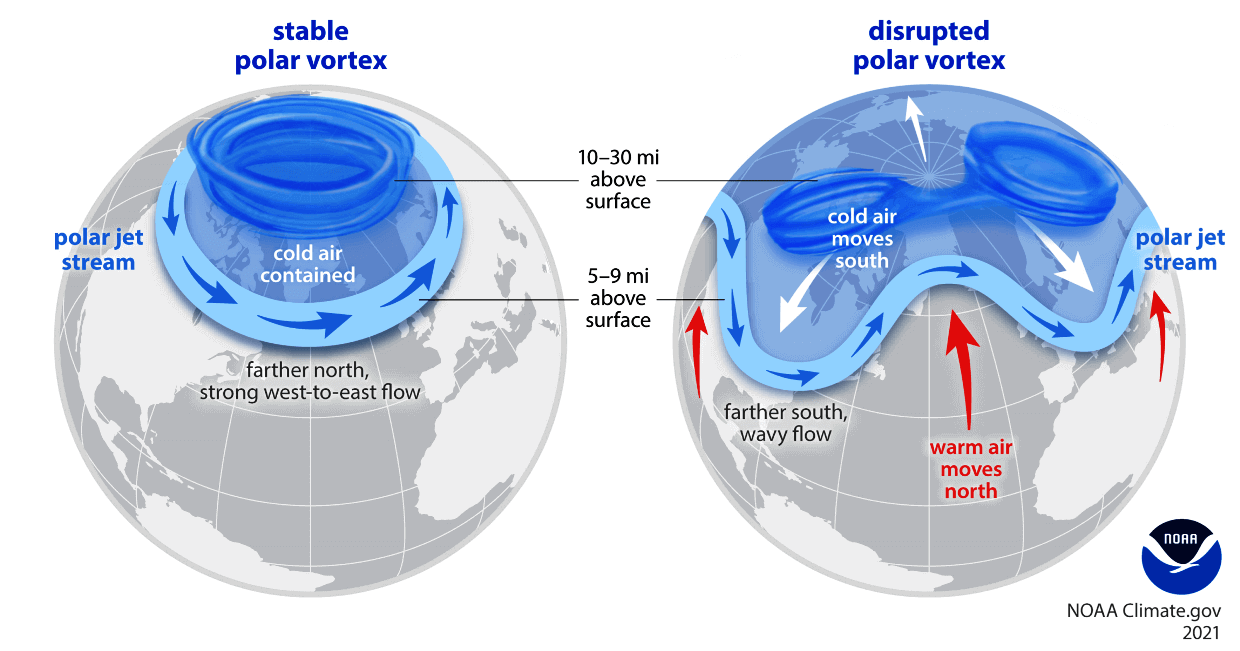
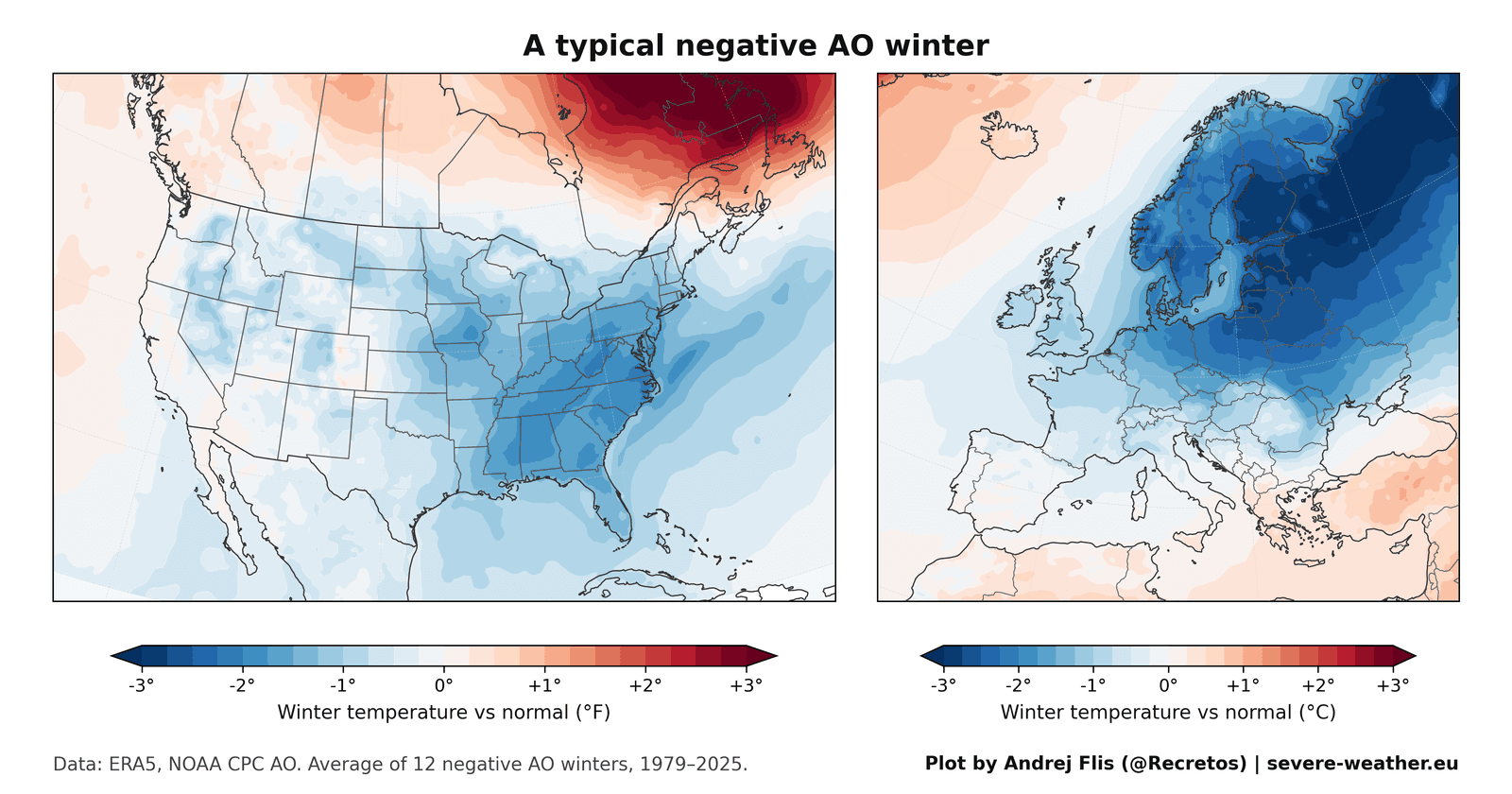
When the Polar Vortex becomes distorted or weakens, the Arctic Oscillation (AO) often trends negative, facilitating the southward escape of frigid air masses. During strongly negative AO winters, the eastern half of the United States—stretching from the Ohio Valley down to the Southeast—frequently experiences severe cold outbreaks, while eastern Canada trends surprisingly mild. Simultaneously, northern Europe and the United Kingdom bear the brunt of winter’s wrath.
The Decadal Shift and Fading Correlation
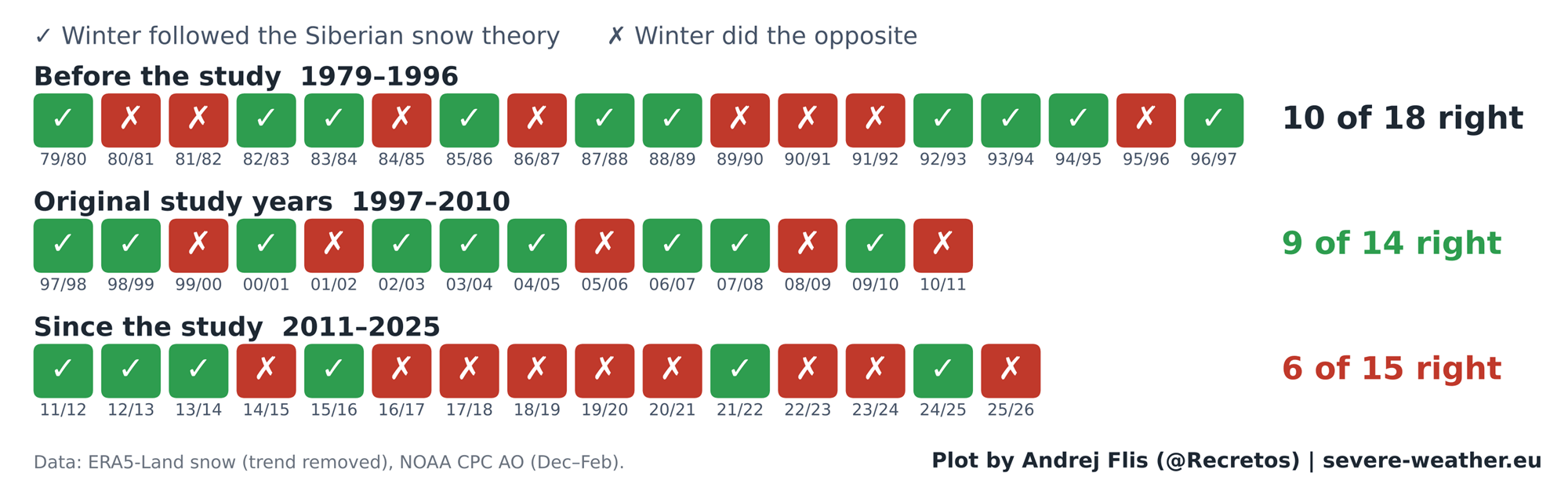
While the theory gained immense popularity between 1997 and 2010, the original study operated under a distinct limitation: daily satellite snow maps at the time only extended back to 1997, leaving researchers with a sample size of just 14 winters.
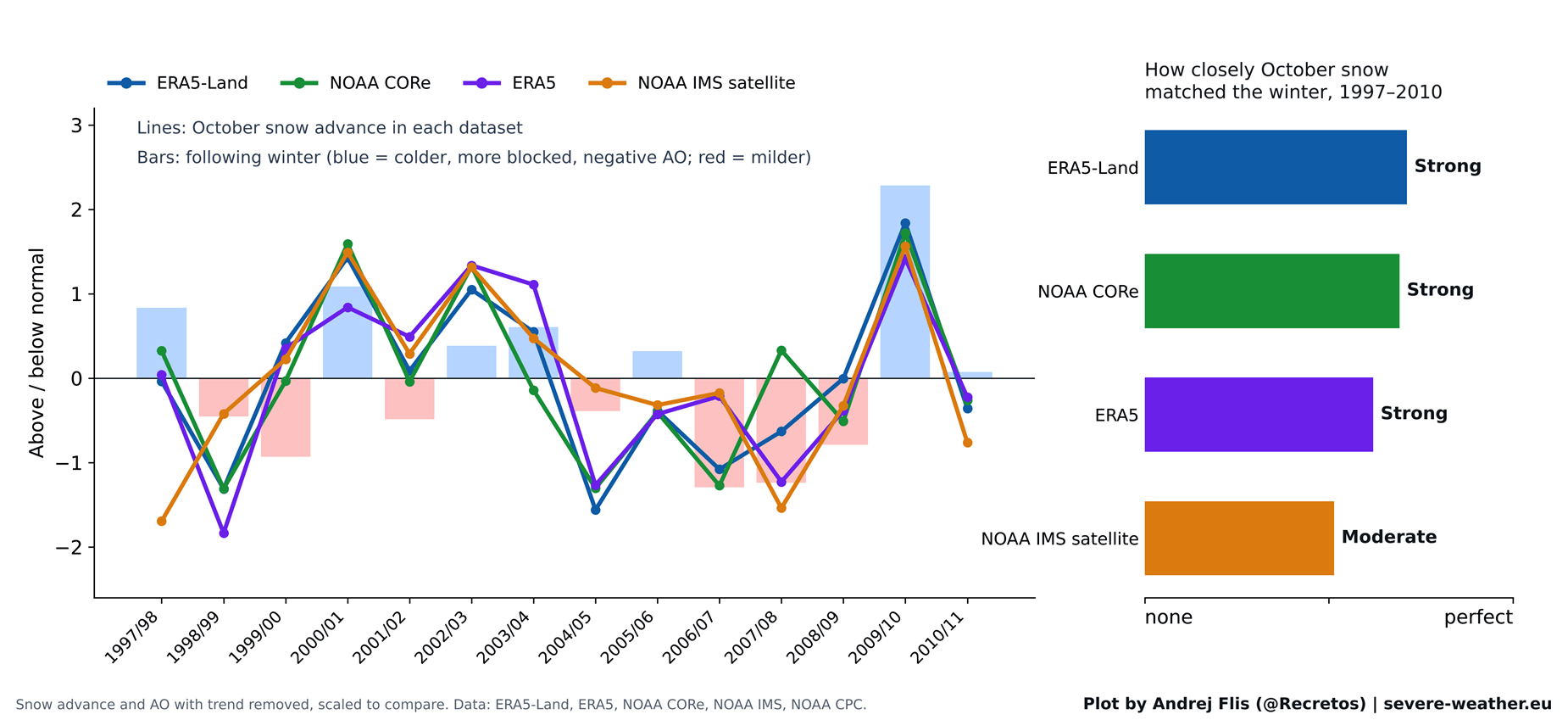
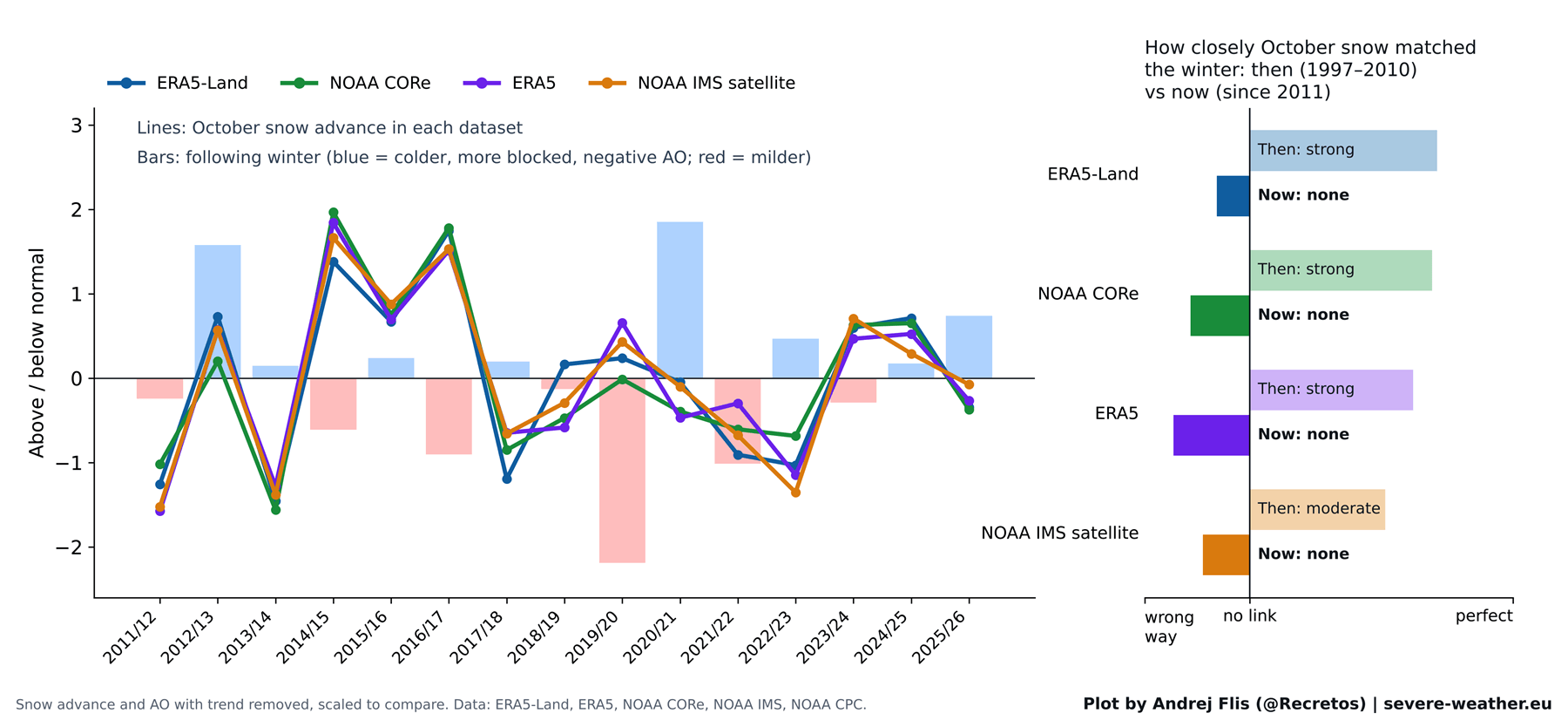
To test the longevity of this hypothesis, modern researchers expanded the analysis to encompass 47 winters, placing a heavy analytical focus on the 15 winters that have elapsed since the original study’s publication. When cross-referenced against four independent snow datasets—ranging from satellite observations to advanced weather reanalyses—the initial period (1997–2010) indeed displayed a strong statistical link between October snow and the winter AO.
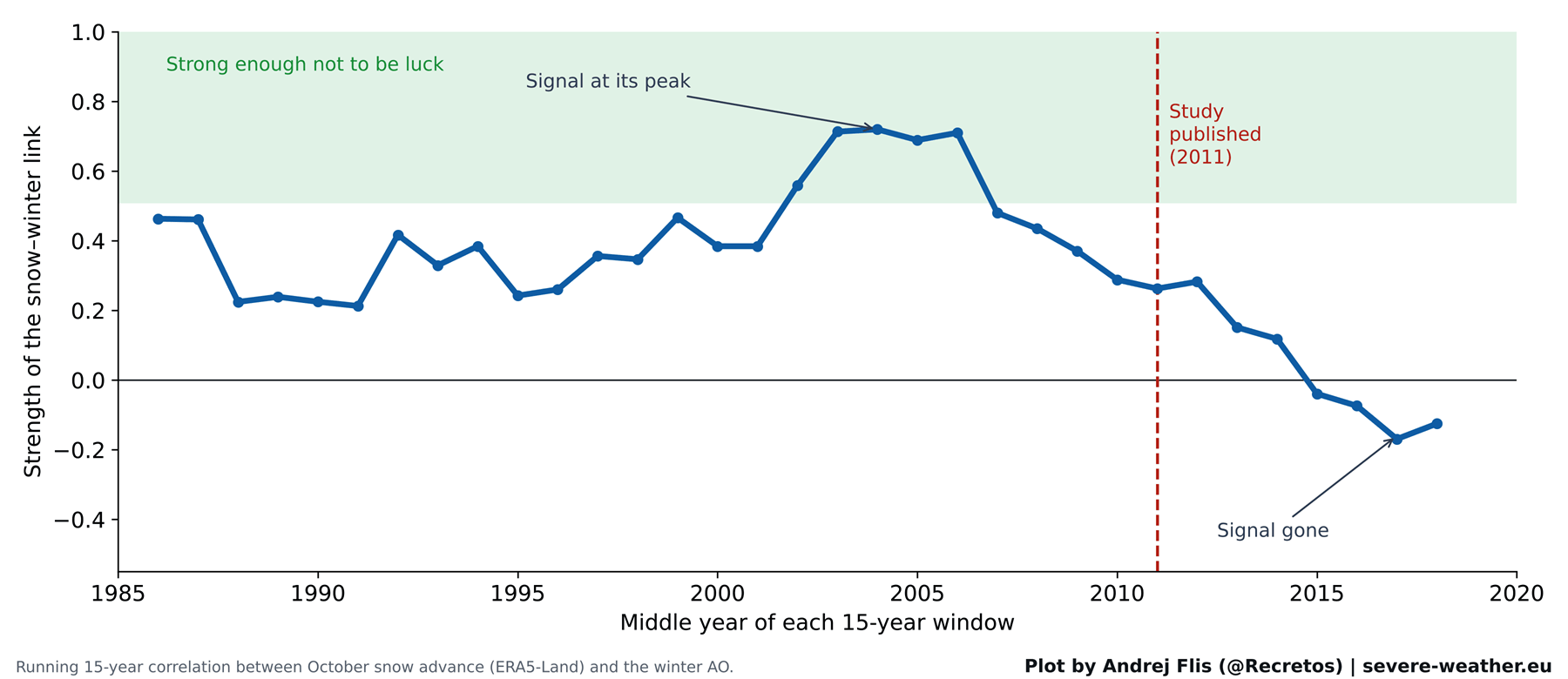
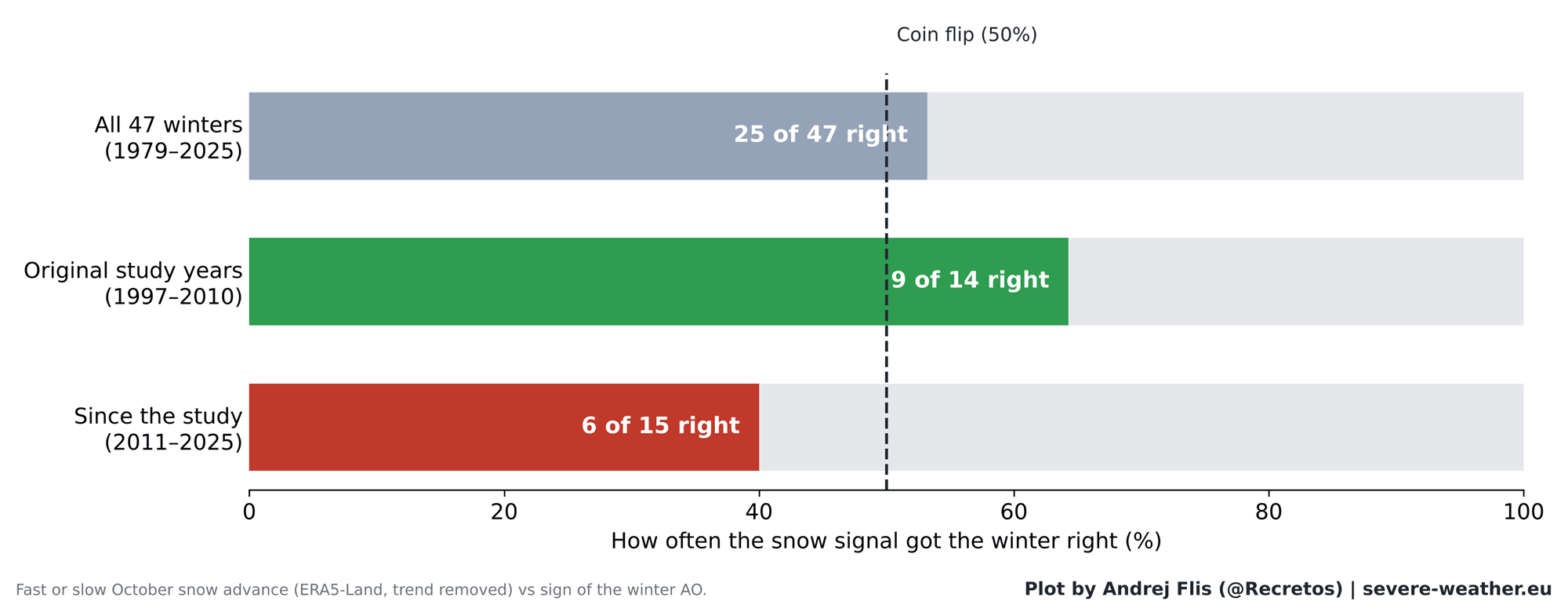
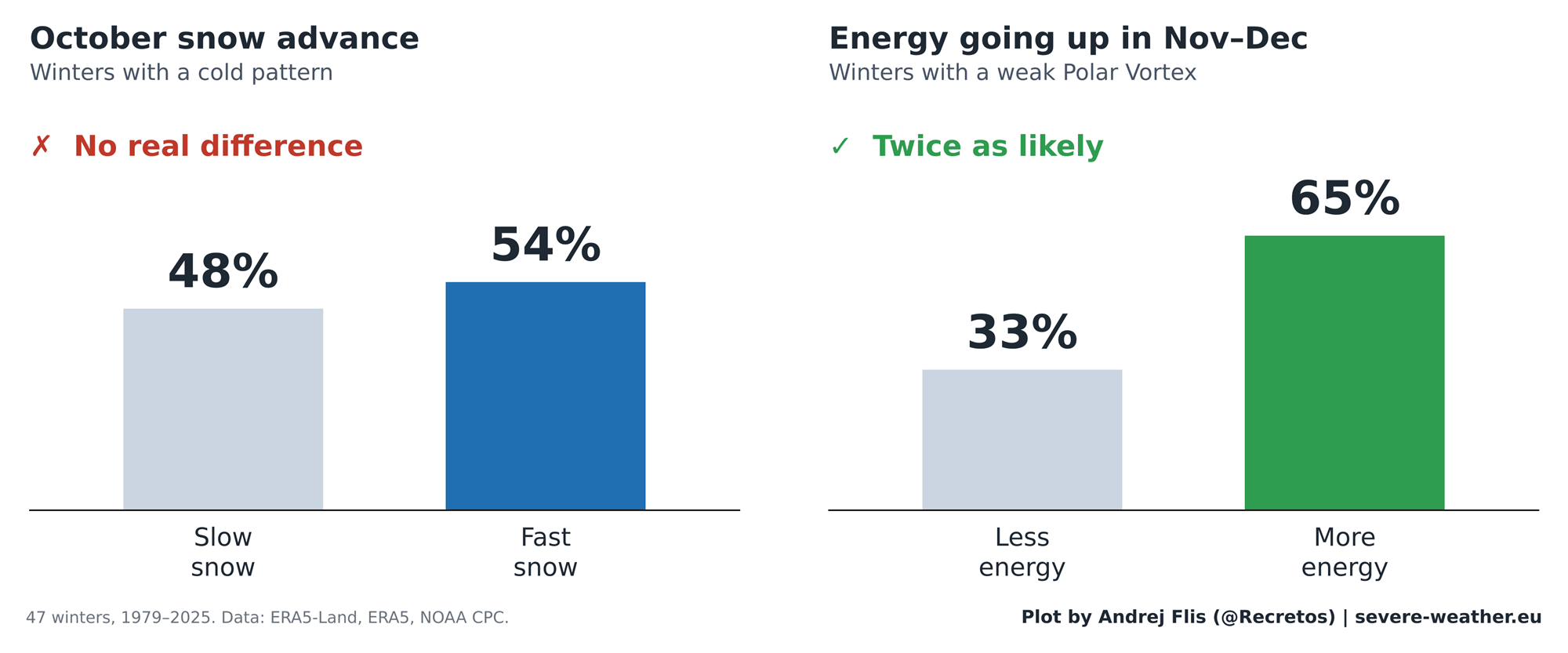
However, as subsequent decades unfolded, the signal steadily degraded. Over all 47 analyzed winters, the Siberian snow signal successfully predicted the correct winter outcome only 25 times while failing 22 times—effectively performing at the level of a statistical coin flip. Most notably, during the 15 winters following the 2011 study, the predictive signal proved correct in only 6 out of 15 instances, dipping below random chance.
Supporting Data: Dissecting the Chain Reaction and Regional Impacts
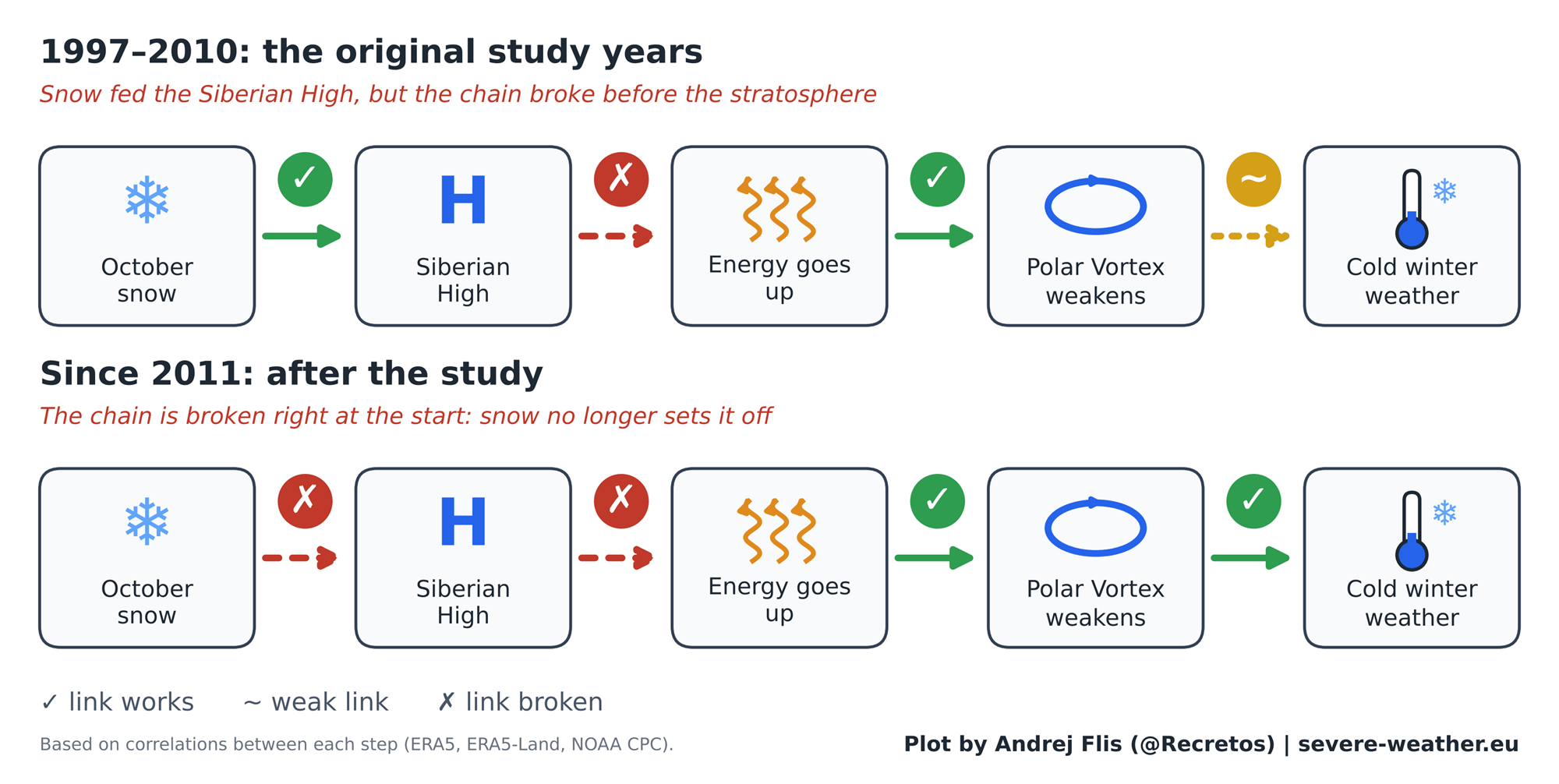
To understand why the predictive power waned, researchers broke down the atmospheric chain reaction step by step, separating the pre-2011 era from the post-2011 era.
Where the Chain Breaks
The data revealed a fascinating nuance: the latter half of the atmospheric chain reaction remains entirely valid. When elevated wave energy propagates upward into the stratosphere during November and December, the Polar Vortex consistently weakens in January and February, triggering downstream winter weather shifts. This is foundational, well-established atmospheric physics.
The breakdown occurs at the very beginning of the sequence. While October snow was once thought to reliably strengthen the Siberian High and force energy upward, that surface-to-stratosphere link has become increasingly erratic in recent decades. Rapid Arctic sea ice loss, warming ocean temperatures, and shifting baseline pressure patterns have fundamentally altered how the high-latitude atmosphere responds to early-season snow cover.
Regional Verification Across North America and Europe
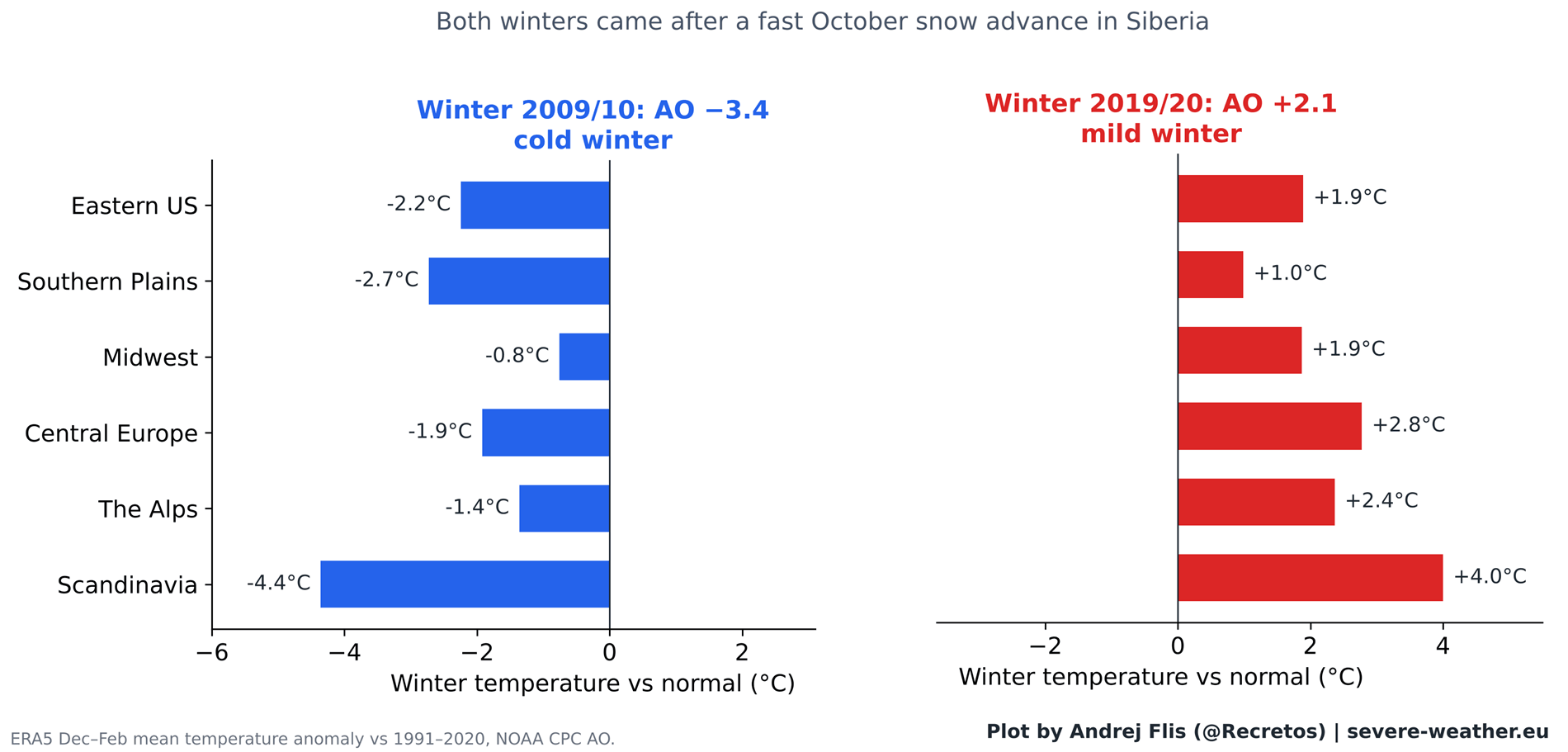
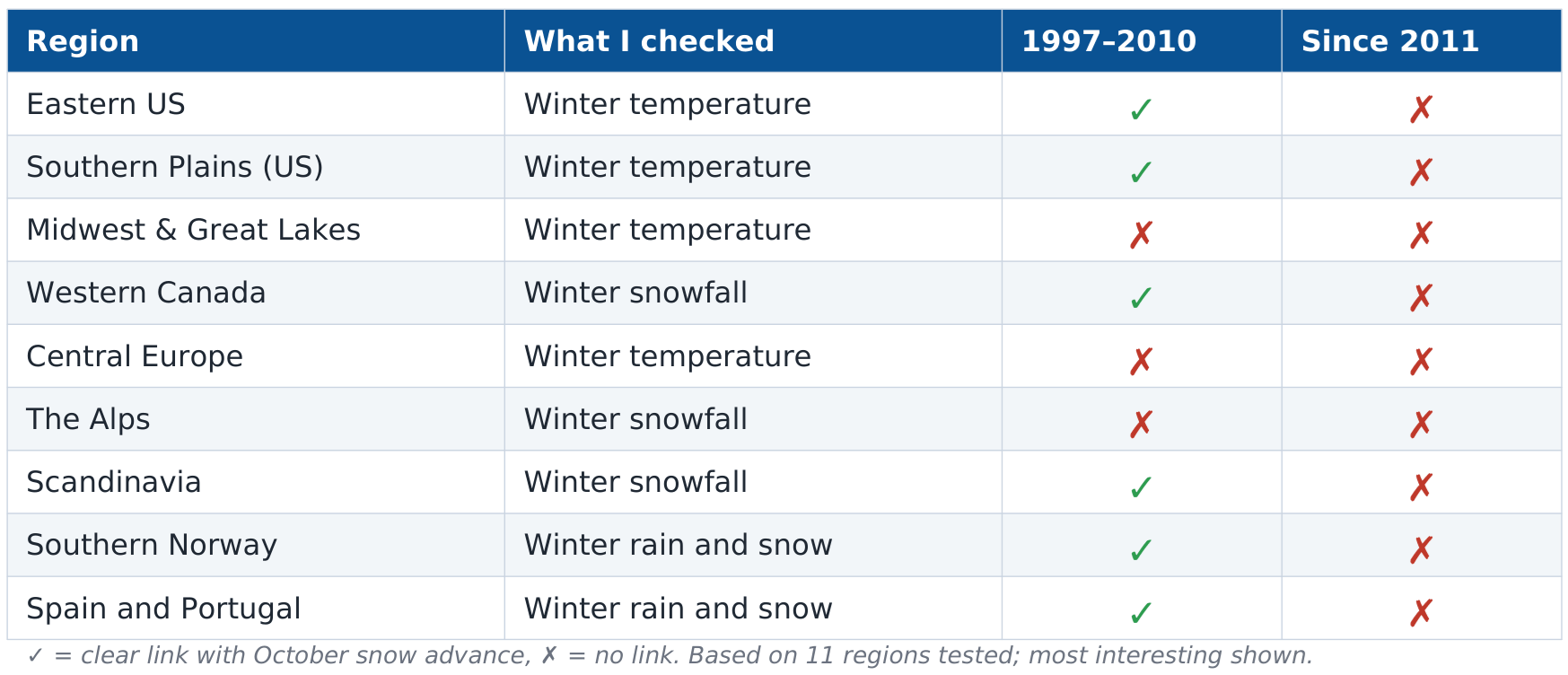
When checking regional temperature, snowfall, and precipitation anomalies across 11 distinct zones in North America and Europe, the deterioration of the signal becomes starkly apparent:
- The Pre-2011 Era: Eastern U.S. winters exhibited noticeably colder trends following rapid Siberian snow advances, with southwestern and northern Europe aligning closely with expected patterns.
- The Post-2011 Era: Out of 44 regional checks conducted for the years following the 2011 study, virtually all statistical links dissolved, with only a marginal, non-actionable signal remaining over Western Canada.
Official Responses and Methodological Insights: A Data Integrity Warning
As researchers aggregate data for long-range outlooks, maintaining data fidelity is paramount. During the course of this multi-dataset analysis, an important anomaly emerged regarding standard weather reanalysis archives.
In the widely utilized ERA5 dataset, Eurasian October snow cover drops precipitously by roughly 40% in the year 2004. Cross-comparison with independent datasets—such as NOAA CORe and specialized satellite archives—revealed that this drop is an artifact specific to ERA5, coinciding with the integration of new satellite snow-mapping algorithms. Fortunately, because NOAA IMS, ERA5-Land, and independent satellite metrics corroborated the baseline trends, the ultimate conclusions regarding the weakening snow-vortex link remain unaffected.
Meteorological agencies emphasize that while historical proxies like Siberian snow provide academic insight, operational long-range forecasting must rely on a holistic suite of ocean-atmosphere teleconnections rather than a single surface indicator.
Implications for Winter 2026/2027: The Super El Niño Takes Center Stage
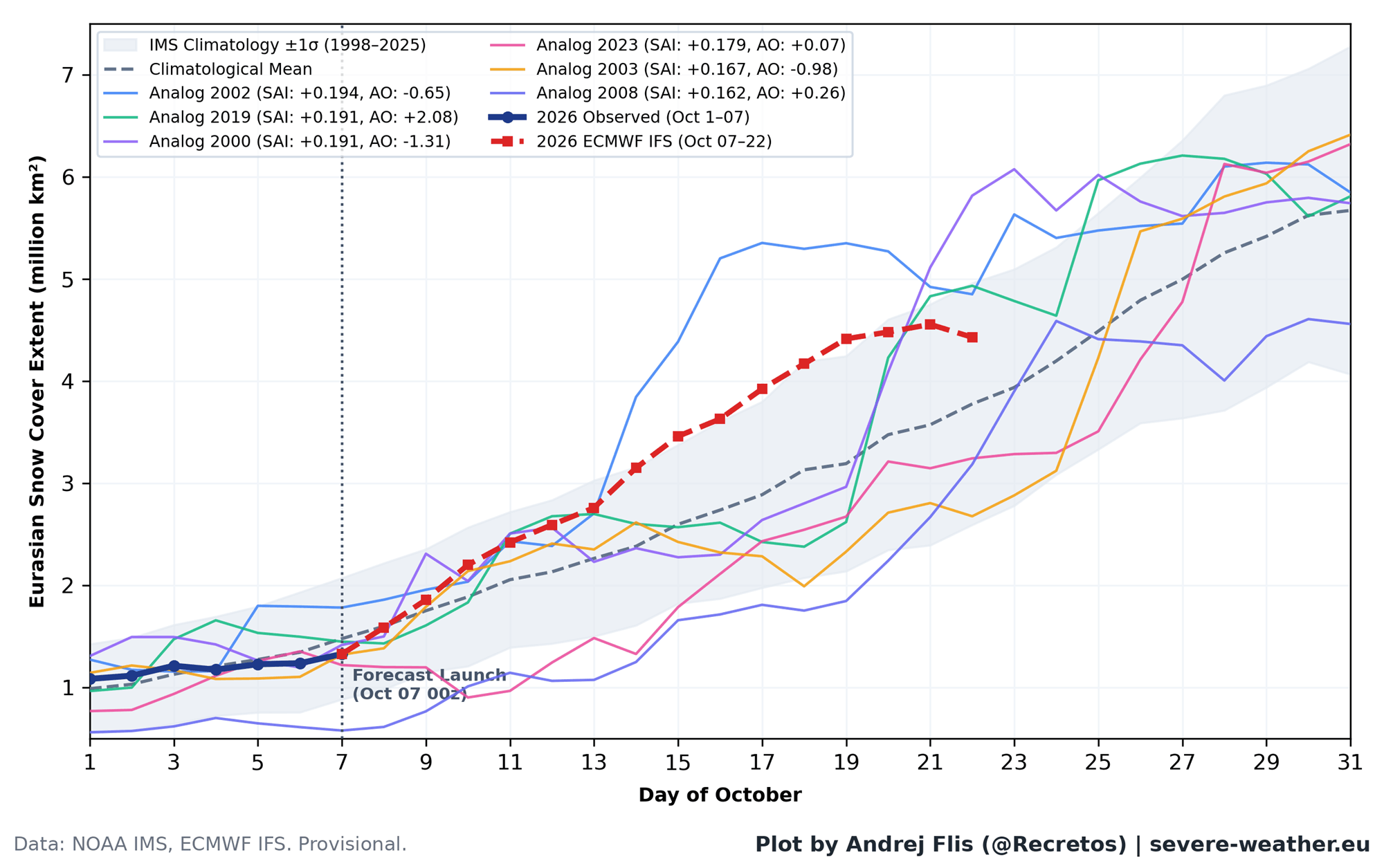
With October 2026 unfolding, Eurasian snow cover experienced a slightly slow start during its initial week before ECMWF forecasts indicated a sharp surge, projecting snow advance rates into the top 15% for this period of the month. Historically, Octobers exhibiting similar snow surges yielded mixed results—three negative winter AO phases, one neutral, and two positive phases—proving that a fast October snow advance offers little standalone predictive value for the upcoming season.
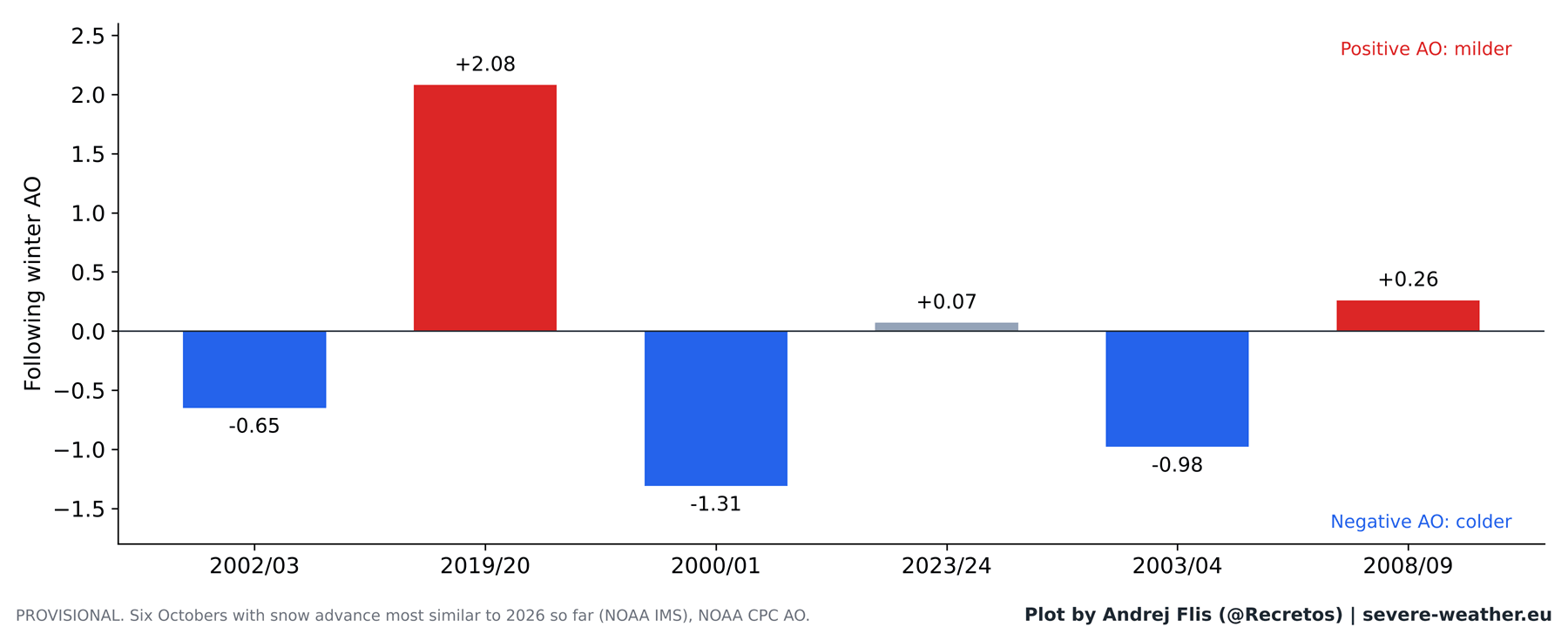
Instead, meteorologists point to a much more powerful atmospheric driver dominating Winter 2026/2027: an ongoing Super El Niño.
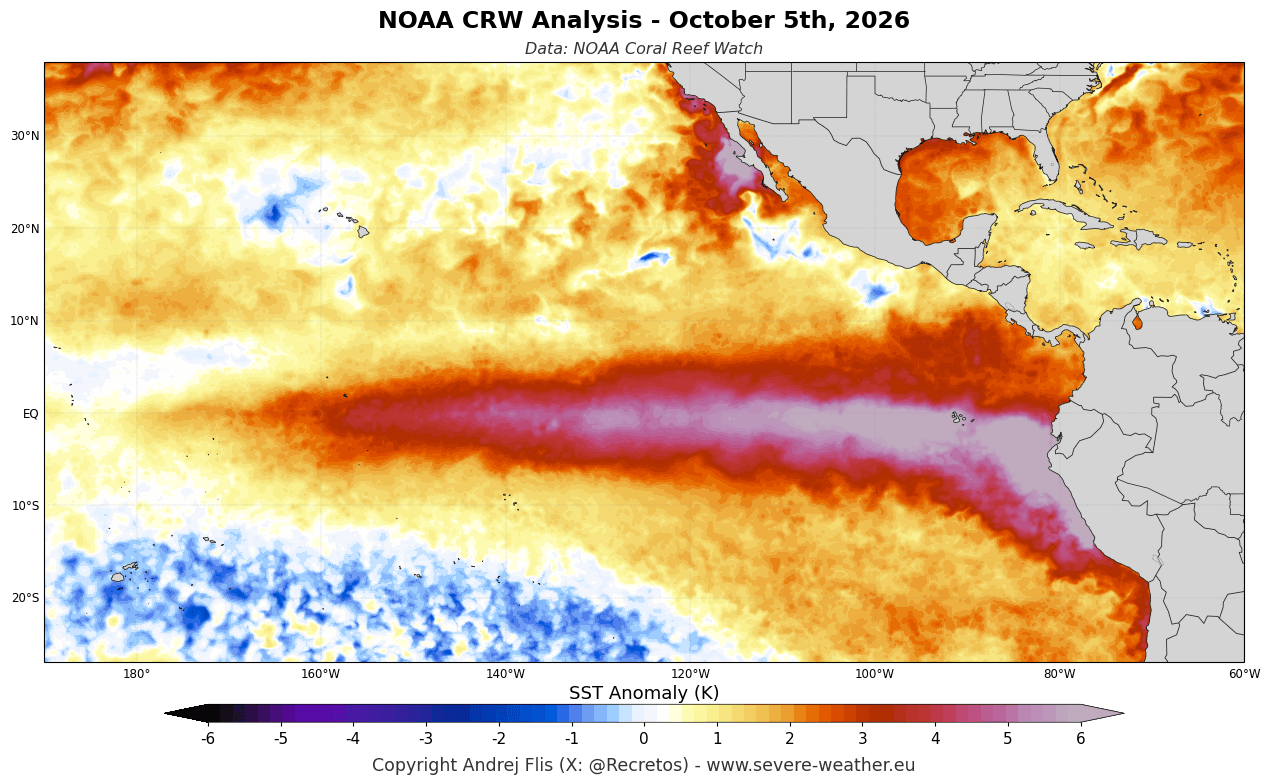
Stratospheric Deceleration and the Polar Vortex
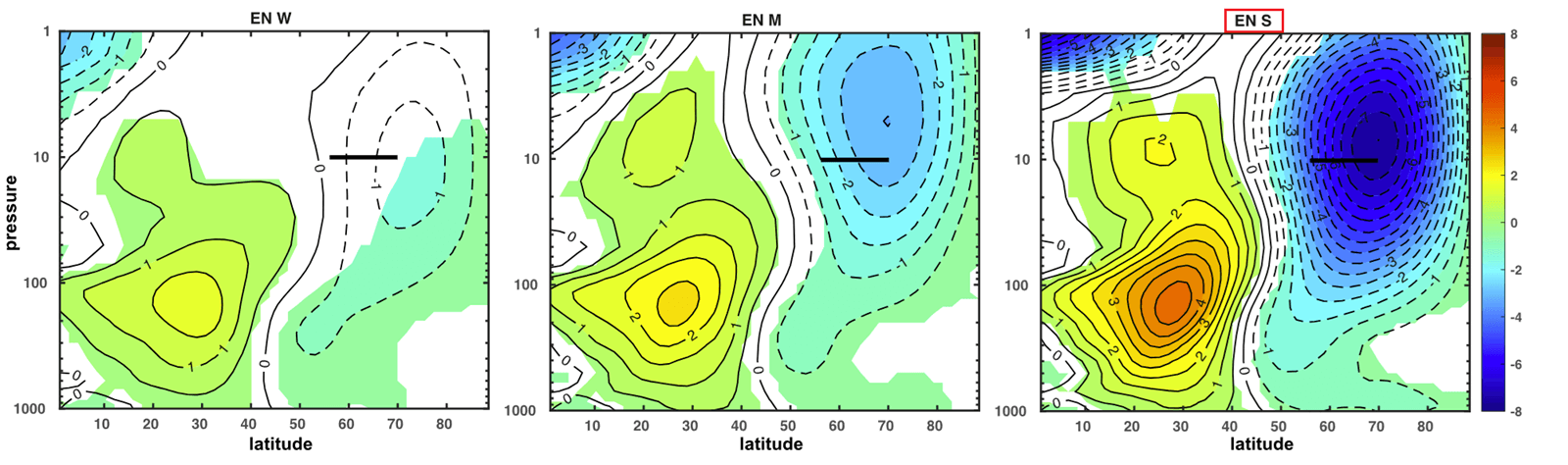
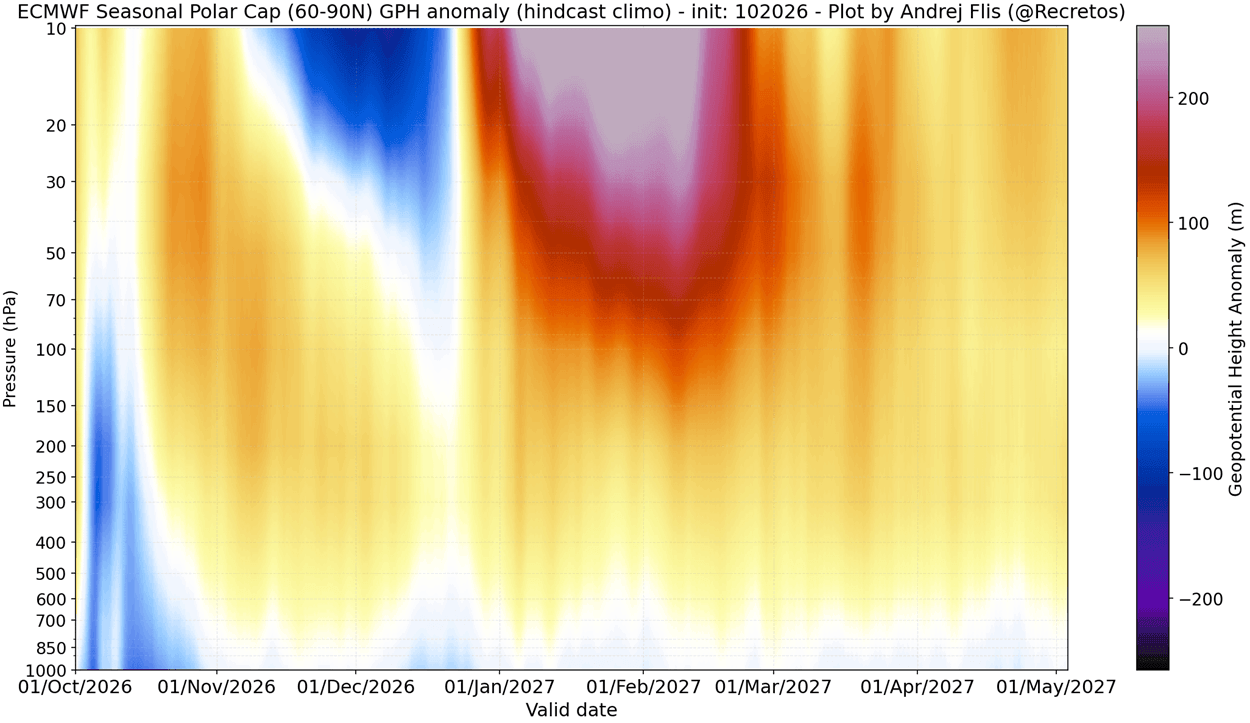
Current oceanic analyses reveal powerful warm sea-surface temperature anomalies across the equatorial Pacific. Model simulations demonstrate that robust, high-amplitude El Niño events exert a profound decelerating influence on the stratospheric Polar Vortex during the mid-to-late winter months.
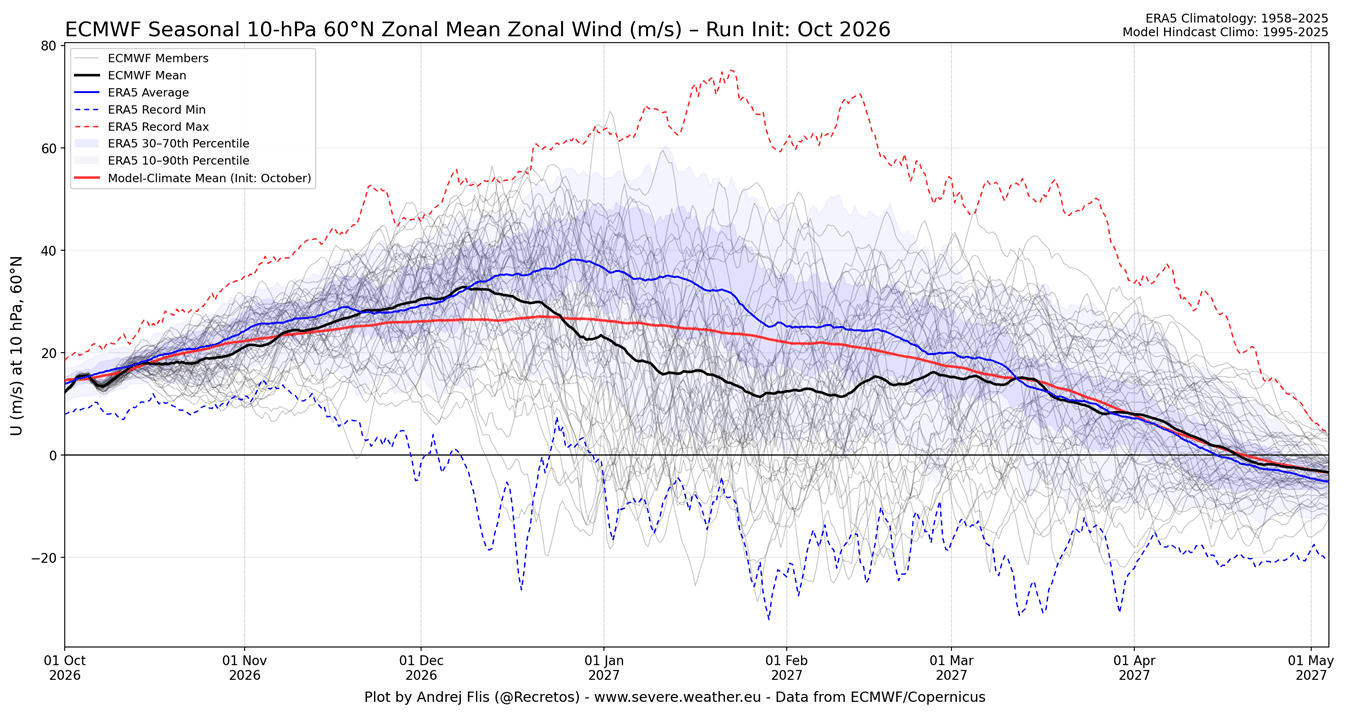
The latest ECMWF seasonal forecasts corroborate this mechanism. While the Polar Vortex is projected to remain relatively stable through mid-December, zonal wind speeds at the 10-hPa level drop sharply below the long-term climatological average by January 2027. Many ensemble members indicate a complete wind reversal—the classic fingerprint of a Sudden Stratospheric Warming (SSW) event and a subsequent mid-winter collapse of the vortex.
Surface Weather Expectations
When a major stratospheric disruption occurs under the influence of a Super El Niño, surface weather patterns typically organize into a dynamic configuration reminiscent of the "Polar Express" pattern observed in prior winters:
- United States: Mid-to-late winter temperature outlooks indicate persistent cooler-than-average anomalies across the central, southern, and eastern states. This is driven by an amplified Pacific jet stream and an active southern storm track, which introduces persistent cloud cover and precipitation.
- Europe: Current medium-to-long-range model consensus points toward a predominantly milder maritime flow invading Western and Central Europe, with true cold anomalies largely suppressed and restricted to far northern Scandinavia.
Ultimately, while the romantic notion of reading Siberia’s October snow cover to forecast winter weather remains a wintertime tradition, modern data proves it is no longer a reliable compass. For Winter 2026/2027, the eyes of the meteorological community are firmly fixed on the stratosphere, the upward wave fluxes of early winter, and the commanding footprint of the historic Pacific Super El Niño.
