

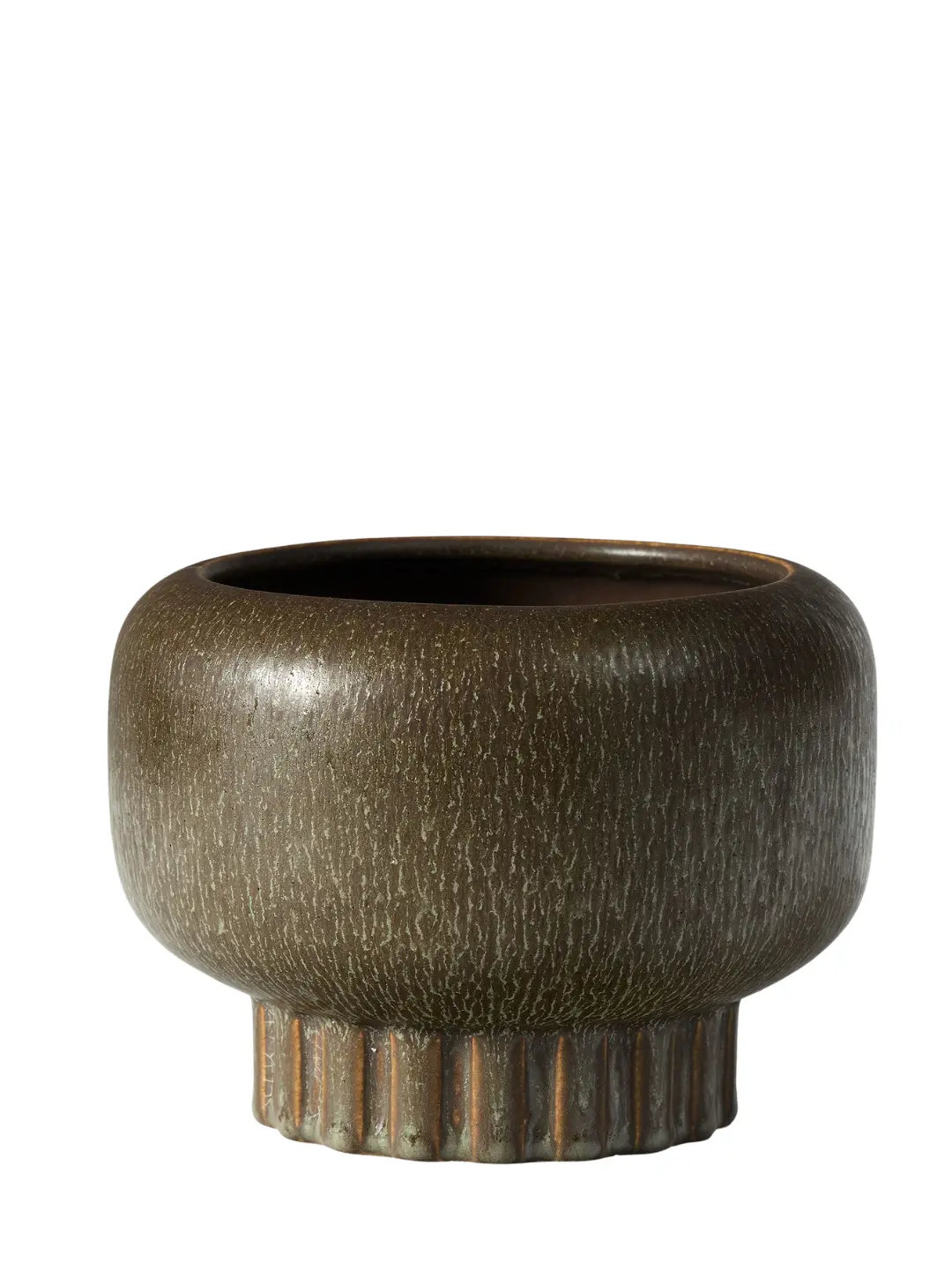
You don’t need an expansive backyard or a sprawling country plot to reap the psychological and aesthetic rewards of gardening. In fact, a carefully curated collection of houseplants can inject just as much vitality, texture, and character into a living space as a meticulously planted outdoor flower bed. Whether you are styling a sun-drenched windowsill, breathing life into a neglected, shadowy corner, or constructing an elaborate indoor jungle, the vessel you choose plays a foundational role. The right pot transforms a simple piece of greenery from a mere plant into an intentional, cohesive component of your home’s overall interior design.
The Main Facts: Beyond Utility to High Design
Unlike outdoor planters—where pragmatic concerns like freeze-resistance, heavy winds, and sheer durability usually dictate the choice—indoor houseplant pots offer an expansive canvas for creative expression. They invite homeowners to experiment boldly with color, tactile finishes, and sculptural silhouettes.
- Material Diversity: From handcrafted ceramics and rich, reactive glazes to architectural silhouettes and classic terracotta, pots are an accessible design tool.
- Transformative Impact: Even the most common, low-maintenance houseplant can look like a high-end botanical specimen when paired with a striking, thoughtfully chosen vessel.
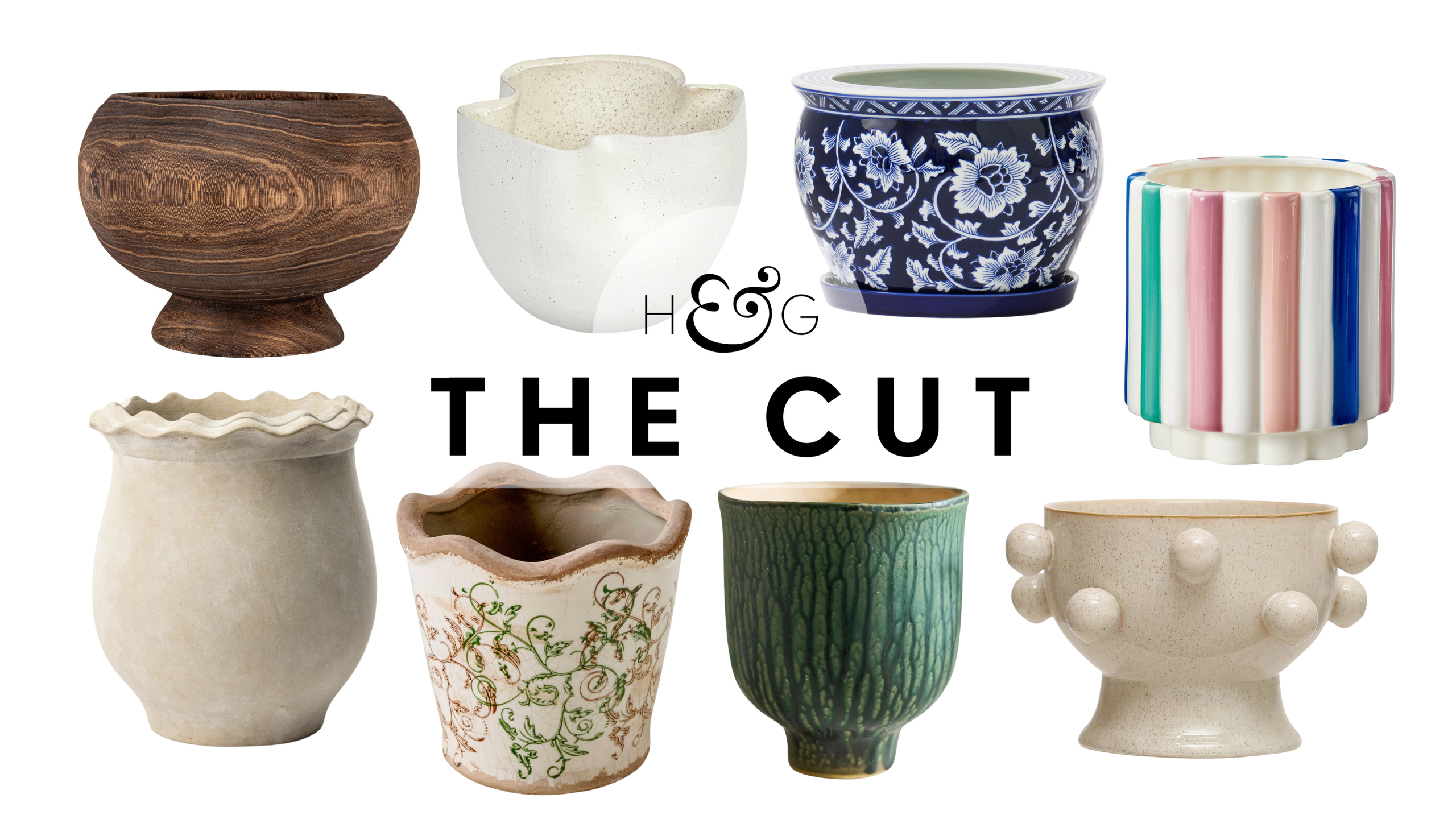
- Current Market Favorites: Interior designers and tastemakers are currently gravitating toward distinct statement pieces, such as the Chinoiserie Ceramic Planter from Williams Sonoma for timeless elegance, Anthropologie’s Drippy Ceramic Tulip Planter for an artsy, modern edge, West Elm’s Marbled Ceramic Planter for subtle sophistication, and Zara Home’s Ribbed Metal Flowerpot for industrial texture.
According to lifestyle and homes journalist Rebecca Lawton, learning how to pair your plants with complementary containers is half the fun of indoor styling. With a staggering array of shapes, materials, and price points available on the market today, achieving a bespoke look has never been more accessible.
Chronology: The Evolution of Indoor Plant Styling
The obsession with bringing the outdoors inside is hardly a modern phenomenon, but the way we display our greenery has undergone a significant cultural evolution over the last several decades.
- The Mid-20th Century Boom: During the mid-century modern era, houseplants experienced a massive surge in popularity. At the time, styling was largely functional—plants sat in basic plastic nursery pots dropped into simple ceramic or woven wicker cachepots.
- The Minimalist Wave (Late 1990s–2010s): As minimalist interior design took over, houseplant displays were streamlined. Uniform white ceramic cylinders and minimalist concrete pots dominated urban apartments, ensuring the focus remained strictly on the clean lines of the plant itself.
- The Modern "Indoor Jungle" Era (2020s–Present): Sparked by cultural shifts toward wellness, biophilic design, and spending more time at home, houseplant curation became an art form. The modern consumer no longer views pots as mere utility items. Today, planters are treated as standalone art pieces. Artisanal glazes, bold patterns, mixed metals, and quirky sculptural forms are heavily sought after, blending interior design trends seamlessly with botany.
Supporting Data and Design Insights: Bridging Indoor and Outdoor Tactics
Interestingly, many of the core principles of professional container gardening apply just as effectively indoors as they do on a sunny patio. Interior stylists and landscape professionals frequently cross-pollinate design techniques to maximize the visual impact of greenery.
Key Design Strategies for Lush Displays:
- Layering Textures: Just as designers mix soft furnishings in a living room, combining different pot finishes—such as pairing a smooth, glossy ceramic pot next to a rough, porous terracotta container—adds visual depth to a plant shelf.
- Proportion and Scale: A common amateur mistake is placing a large plant in an undersized pot, or vice versa. Professionals recommend choosing a container that accounts for roughly one-third of the total visual height of the plant-and-pot combination.
- Seasonal Adaptability: Many indoor plant enthusiasts take advantage of warmer summer months by moving select houseplants outdoors to patios and balconies. Utilizing versatile, weather-resistant containers ensures these plants can make a seamless transition without needing to be repotted.
- Thermal Protection: Just as outdoor containers require care during heatwaves, indoor plants sitting near blazing south-facing windows can suffer from baking soil. Utilizing double-potting techniques (placing a nursery pot inside a larger decorative cachepot with insulating space or moss) helps regulate root temperatures.
Expert Perspectives and Official Industry Responses
Interior designers and horticulturists alike emphasize that the intersection of plant care and home decor is driving massive growth in the home-goods retail sector. Brands are no longer treating planters as seasonal garden-center afterthoughts; instead, they are rolling out dedicated home-decor collections curated by prominent interior designers.
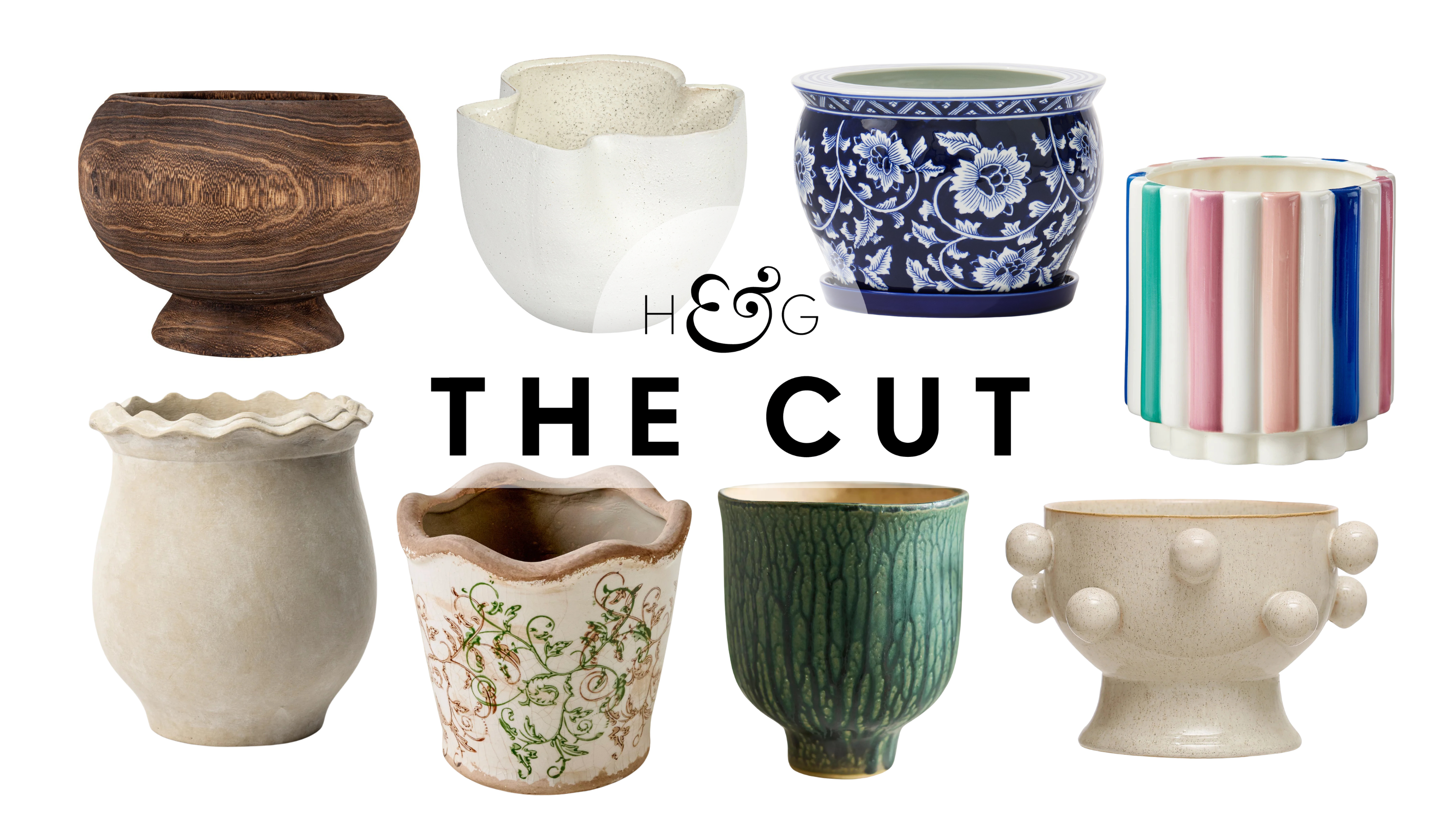
"When you invest in a statement planter, you are elevating the baseline of your room’s aesthetic," notes a leading home decor buyer. "A beautiful pot justifies keeping a plant in a prominent, high-visibility spot, encouraging people to care for their greenery more attentively because it actively contributes to the room’s color story and luxury feel."
Furthermore, botanical wellness advocates point out that the psychological benefits of houseplants—such as reduced stress levels and improved indoor air quality—are amplified when the presentation matches the occupant’s personal design style. A cluttered room with mismatched plastic buckets yields a different mental state than a serene, artfully curated collection of artisanal ceramics and metallic vessels.
Implications for Modern Living
The democratization of interior design and the ongoing popularity of biophilic living carry profound implications for how we inhabit our living spaces.
- Mental Health and Well-being: As urban living spaces shrink and access to private gardens becomes a luxury, the ability to cultivate an indoor oasis provides a vital, tactile connection to nature. The ritual of selecting a pot, repotting a growing plant, and placing it in a sunlit corner serves as a grounding, mindful practice for busy professionals.
- Sustainable Consumer Habits: With consumers increasingly seeking out durable, timeless materials like high-fired ceramics, metals, and natural terracotta rather than cheap, disposable plastics, the houseplant accessories market is shifting toward longevity and sustainability.
- Personalized Interior Expression: Ultimately, the pot you choose acts as a signature. Whether leaning into the crisp elegance of Chinoiserie, the earthy minimalism of raw clay, or the playful modernity of drip-glaze ceramics, houseplant styling remains one of the most cost-effective and flexible ways to continuously refresh a home’s aesthetic without undertaking a major renovation.
