

Main Facts: The Small-Space Crisis Meets a Simple Solution
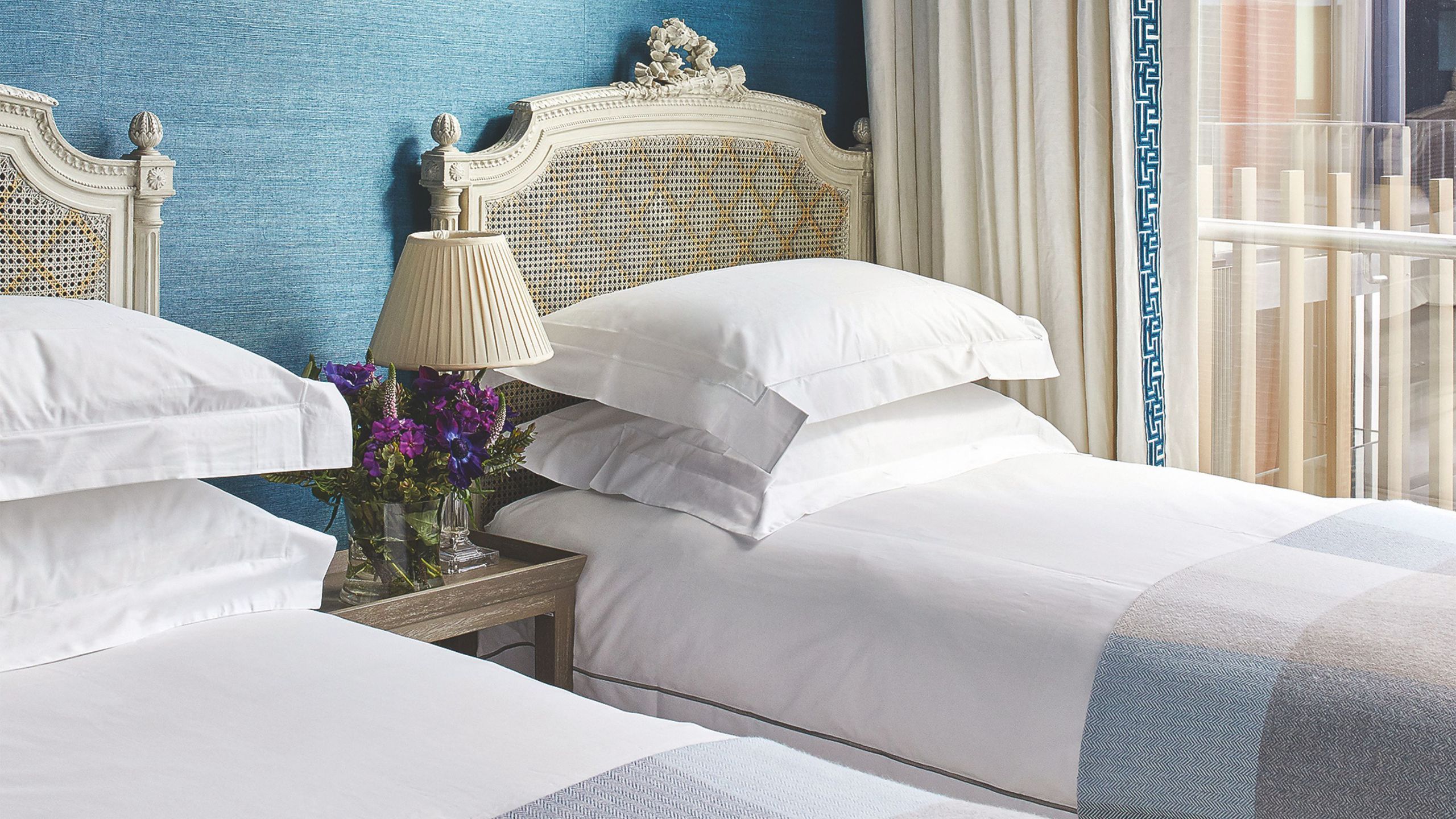
In the high-stakes, hyper-compressed environment of the modern college dorm room, the standard twin bed is rarely just a bed. Out of sheer architectural necessity, it is forced to moonlight as an executive desk, a reading lounge, a social sofa, an impromptu dining room, and a primary storage vault. For millions of incoming freshmen navigating campus housing each year, this multi-functional reality inevitably breeds chaos. Clutter piles up instantly, minimalist nightstands are overwhelmed by tech accessories, and the absence of adequate shelving creates an atmosphere of disarray.
When a bedroom is disorganized, the psychological toll can be profound. Sleep experts and interior designers consistently warn that messy, cluttered environments elevate cortisol levels, disrupt circadian rhythms, and make it fundamentally harder for students to decompress and secure a restorative night’s rest.
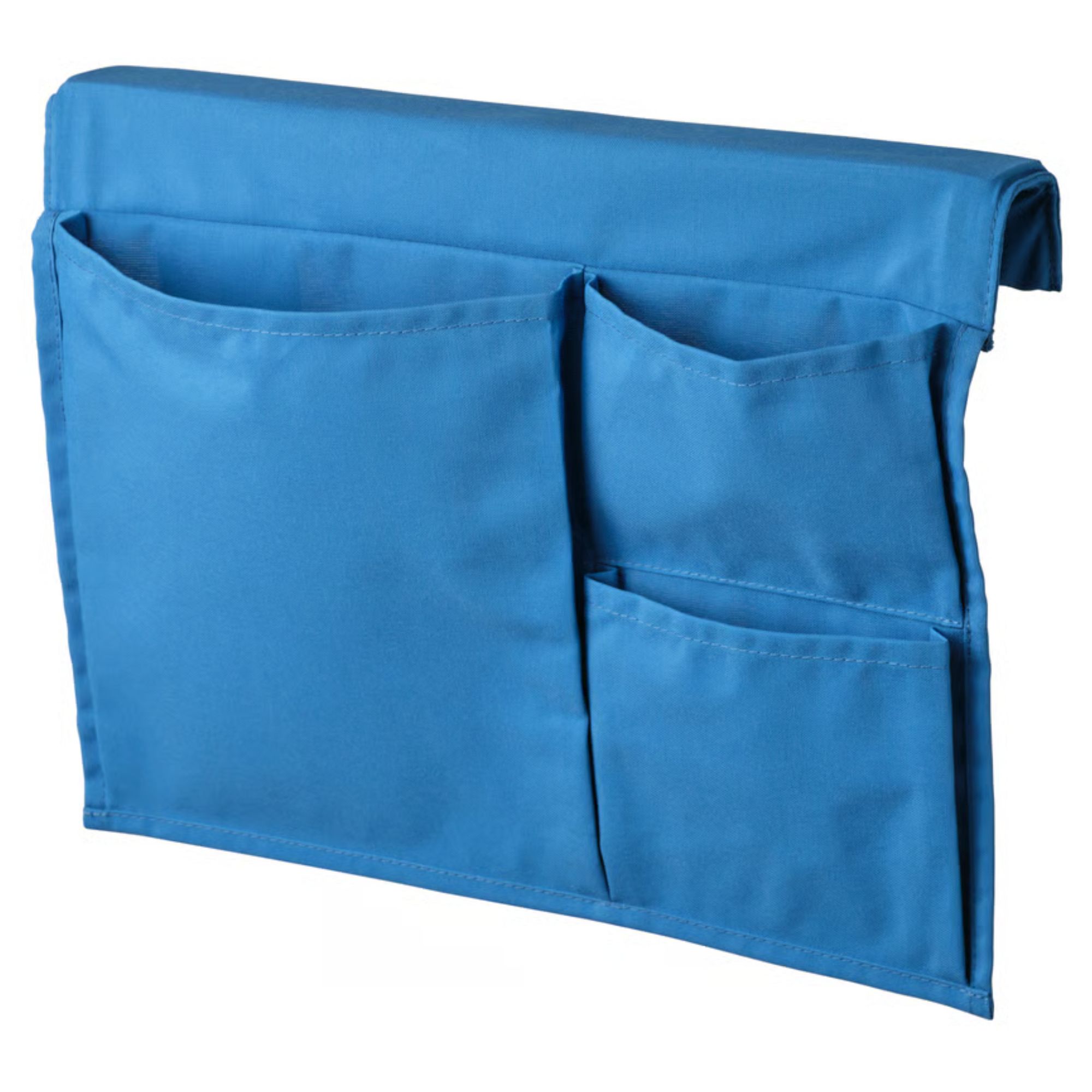
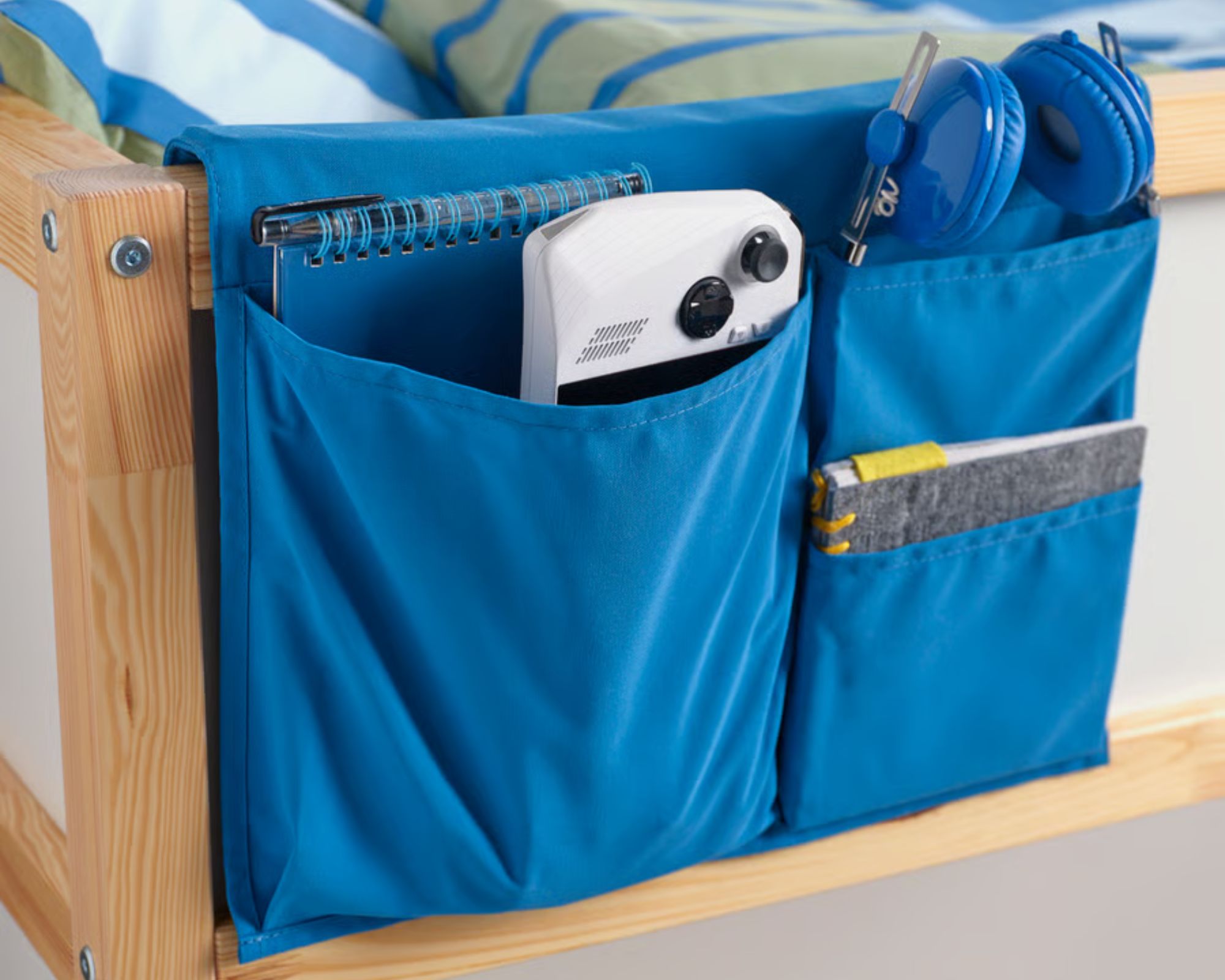
Enter the IKEA STICKAT Bed Pocket—a remarkably simple, highly functional, and aggressively budget-friendly storage accessory retailing at just $7.99. Designed to drape seamlessly over the side rail or footboard of virtually any bed frame, this unassuming fabric organizer features three generous compartments tailored to hold late-night essentials like smartphones, e-readers, eyeglasses, chargers, and textbooks. Far from a mere novelty, the STICKAT has emerged as an indispensable tool in the modern student’s arsenal, transforming underutilized vertical space into a streamlined bedside command center without requiring a single tool, screw, or permanent modification.
Chronology: The Evolution of Dorm Organization and the Rise of Bedside Storage
To understand why the STICKAT Bed Pocket has captured the zeitgeist of modern student living, it is helpful to trace the chronological shift in how college accommodations have evolved over the last decade.
2010–2015: The Era of Bulk Storage and Oversized Bins
In the early 2010s, college packing lists were dominated by heavy plastic storage tubs, bulky under-bed rolling drawers, and oversized freestanding shelving units. The prevailing strategy for small-space organization was volumetric: if you had too much stuff, you simply bought bigger containers to cram underneath your furniture. However, as campus enrollment numbers swelled and traditional dorm rooms were increasingly converted into forced triples, floor space became a luxury of the past. Heavy plastic bins proved impractical for students living on upper floors without elevators, and bulky furniture routinely violated campus fire codes or clashed with strict residential life regulations.
2016–2020: The Minimalist and Renter-Friendly Revolution
By the mid-2010s, design trends pivoted sharply toward renter-friendly, lightweight, and vertically oriented solutions. Students began looking away from heavy furniture and toward clever, low-profile accessories that maximized dead zones in the room. This era saw the mainstream popularity of adhesive hooks, over-the-door organizers, and modular utility carts. Yet, the area immediately surrounding the bed—arguably the most critical zone for personal items—remained largely neglected. Many alumni from the class of 2018 recount the common regret of packing elaborate bedding checklists while completely overlooking bedside storage, leaving their limited nightstand real estate drowning in a sea of tangled cords and scattered reading material.
2021–Present: The Micro-Living and Hyper-Functional Era
Post-pandemic college living has pushed spatial efficiency to its absolute limit. With rental and housing costs soaring, campus dormitories are tighter than ever, forcing students to embrace micro-living principles. The focus has shifted from how much storage you can squeeze into a room to how smartly you can access your daily essentials. The STICKAT Bed Pocket arrived precisely at the intersection of this micro-living movement, offering an ultra-lightweight, washable, and flexible storage medium that adapts effortlessly to lofted beds, bunk beds, and standard frames alike.
Supporting Data: The Anatomy of a Dorm Clutter Crisis
To contextualize the necessity of minimalist organizational tools like the IKEA STICKAT, industry data and ergonomic studies paint a clear picture of the modern student’s living environment:
- Spatial Constraints: The average modern American college dorm room measures roughly 12×19 feet, a footprint typically shared between two—and sometimes three—students. This leaves less than 100 square feet of actual floor space per person after accounting for beds, desks, and wardrobes.
- The Bedside Burden: According to recent interior design audits, over 74% of students report that their bedside table or nightstand space is entirely inadequate for their technological load. With students managing smartphones, laptops, wireless earbuds, smartwatches, and e-readers, the average nightly charging station requires at least four distinct cord pathways.
- Cost Efficiency: At $7.99, the STICKAT Bed Pocket represents an extraordinarily low barrier to entry for ergonomic optimization. In a market where college move-in costs frequently exceed $1,000 for bedding, electronics, and organizational gear, high-utility, low-cost items offer a vital financial cushion for budget-conscious families.
- Material and Maintenance Metrics: Crafted from durable, easy-care synthetic fabric, the bed pocket can be effortlessly detached, wiped down with a damp cloth, or hand-washed at 100°F. This addresses a major pain point for communal living spaces, where hygiene and easy laundering are paramount.
Official Perspectives: Interior Designers and Sleep Experts Weigh In
Interior designers and wellness advocates have increasingly emphasized that bedroom layout is intrinsically linked to academic performance and mental health.
Interior design specialists note that the primary rule of small-space styling is to look upward and outward, utilizing vertical planes that would otherwise go to waste. "When floor space is non-existent, the walls, the backs of doors, and the frames of your furniture become your most valuable real estate," explains one leading design consultant. "A bedside pocket eliminates the need for bulky nightstands that crowd narrow pathways between bunks, preserving the natural flow of the room."
From a psychological standpoint, sleep hygiene experts point out that visual clutter in the bedroom directly impacts sleep latency—the amount of time it takes to fall asleep. When a student lies in bed surrounded by sprawling textbooks, tangled laptop chargers, and misplaced glasses, the brain registers these items as unfinished tasks, preventing complete mental relaxation. By consolidating these items into a discreet, out-of-sight fabric pouch attached to the foot or side of the bed frame, students can maintain a clean sightline, supporting better Feng Shui and healthier sleep habits.
Implications: Building the Ultimate Modern Dorm Checklist
The surging popularity of micro-storage items like the STICKAT Bed Pocket signals a broader cultural shift in how young adults approach moving away to college. Packing for university is no longer about bringing the comforts of a suburban home into a tiny box; it is an exercise in intentional curation and spatial strategy.
Essential Additions for the Modern Move-In Basket
For incoming freshmen and parents looking to bypass the trial-and-error phase of dorm life, experts recommend integrating a few strategic, multi-functional IKEA staples alongside the bed pocket to ensure a smooth transition:
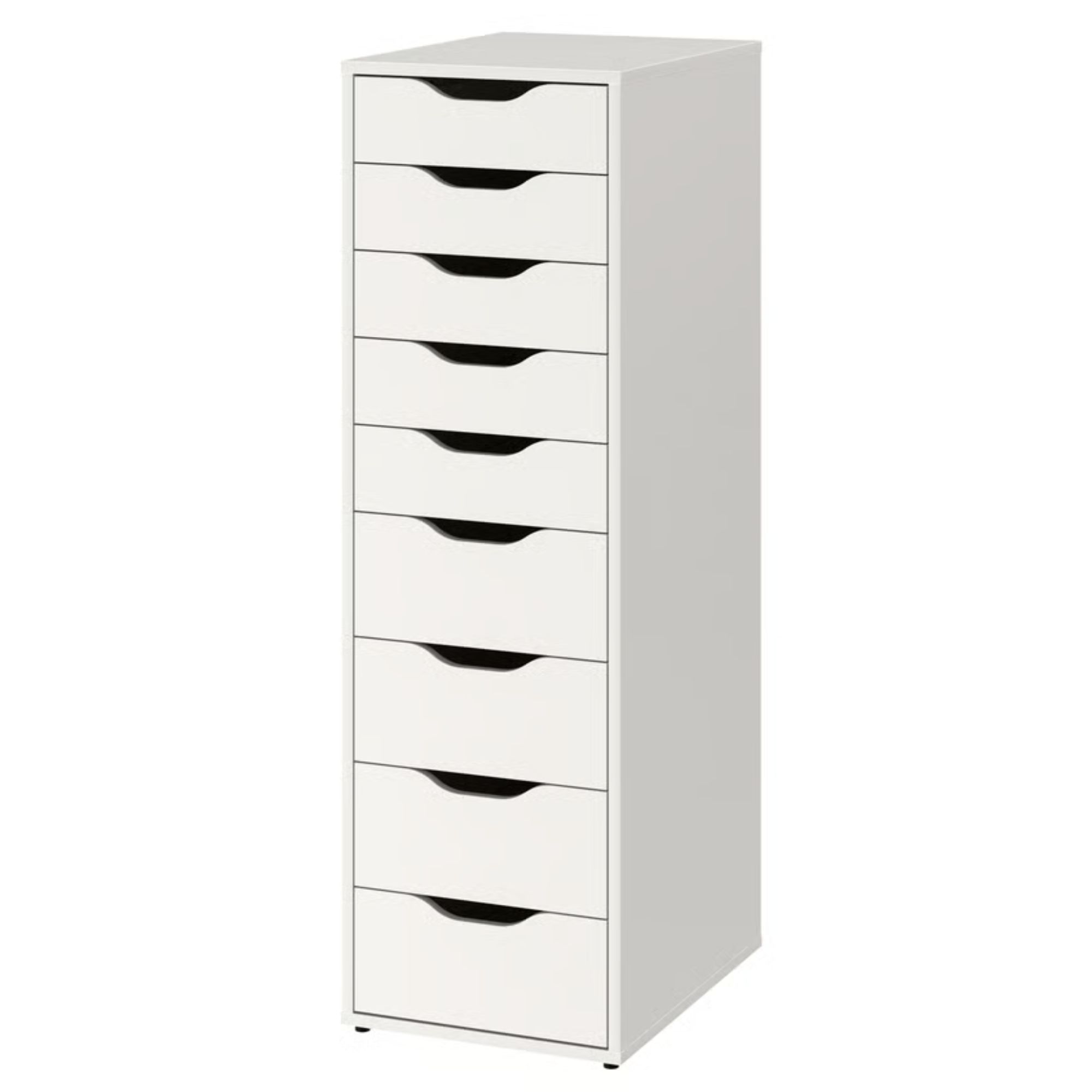
- The ALEX Drawer Unit (Bestseller): For students facing a severe deficit in wardrobe and desk storage, this compact, multi-drawer unit slides neatly under desks or into tight corners, offering secure containment for stationery, cosmetics, and tech gear.
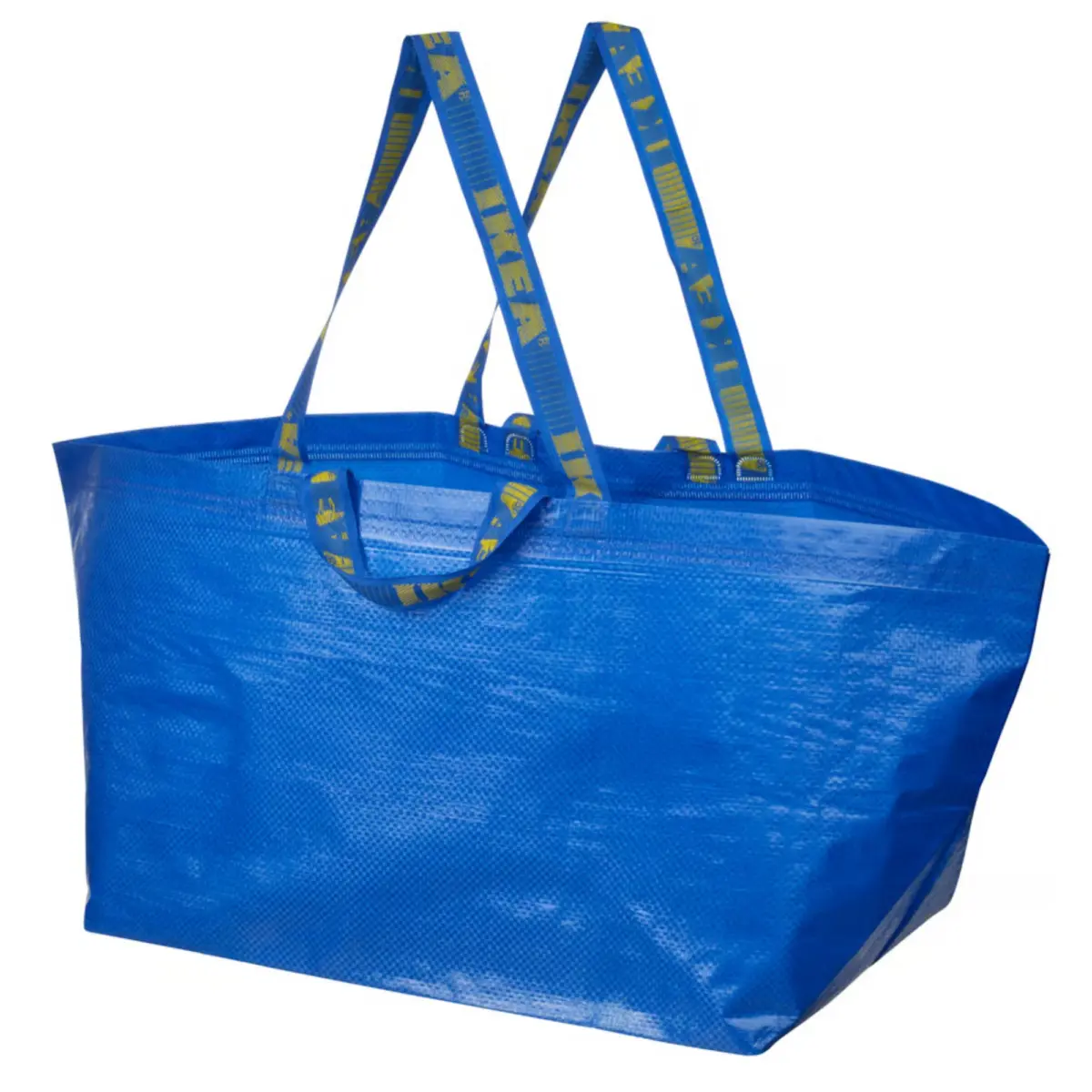
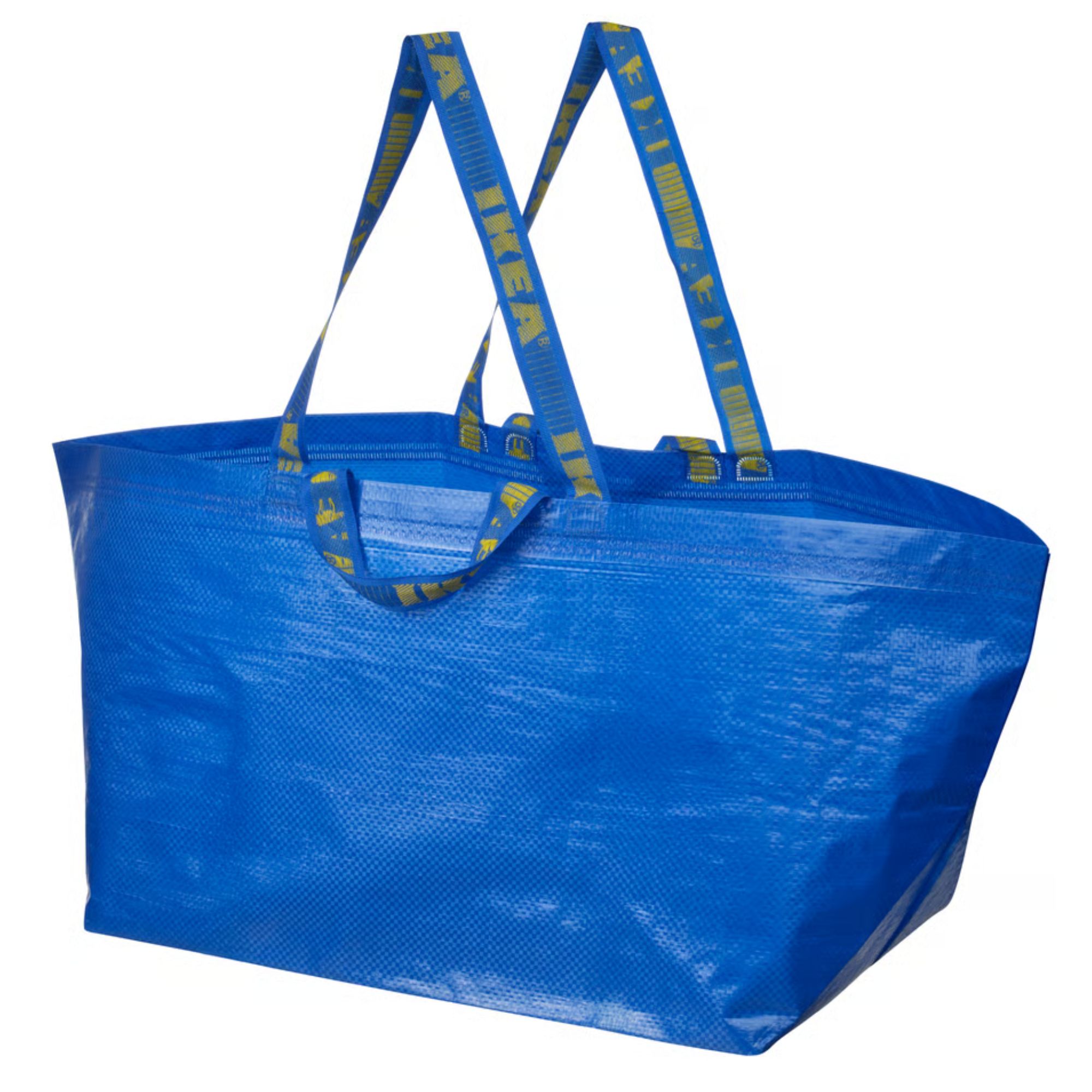
- The Iconic FRAKTA Shopping Bag: A mandatory moving-day staple. Inexpensive, virtually indestructible, and crafted from at least 90% recycled materials, these oversized blue bags easily outperform cardboard boxes when hauling bedding, winter coats, and laundry up dormitory stairwells.
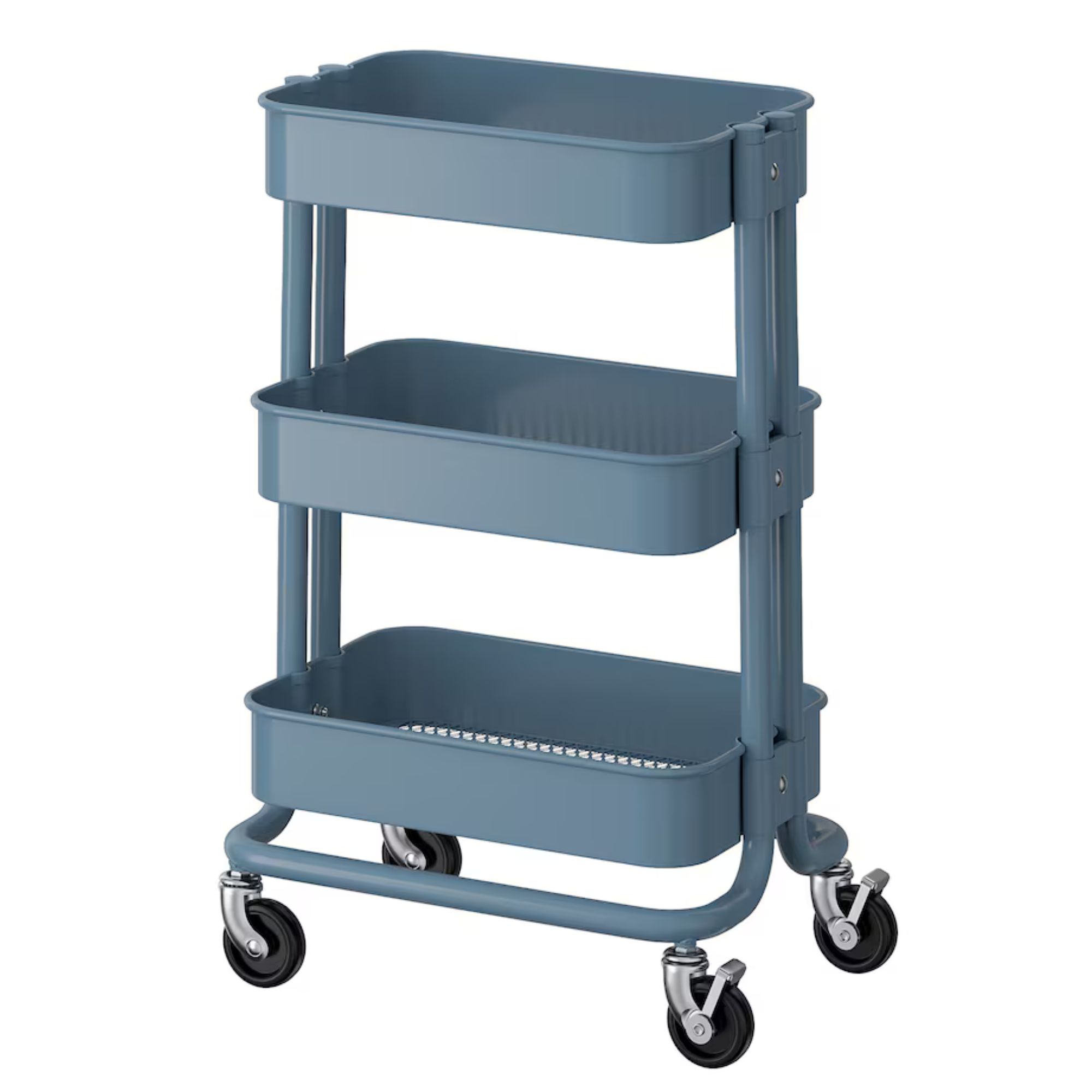
- The RÅSKOG Utility Cart: A renter-friendly powerhouse. Featuring lockable castors and perforated mesh shelves that prevent dust accumulation while promoting airflow, this portable cart can serve as a mobile bedside table, a snack station, or a bathroom caddy.
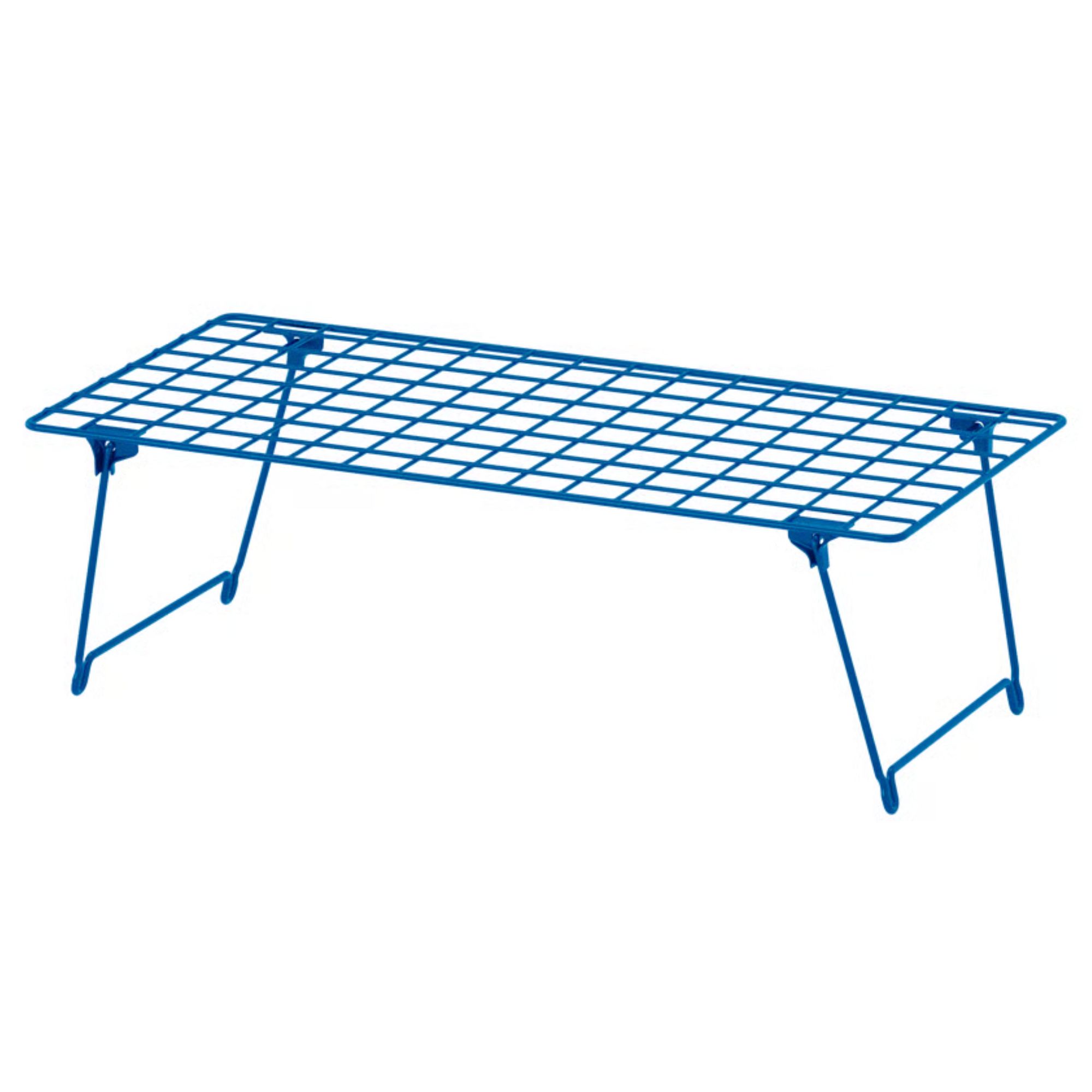
- The GREJIG Shoe Rack: Floor clutter is the enemy of small spaces. This lightweight, stackable metal rack holds up to three pairs of shoes per tier and can be collapsed flat when not in use.
- The NÄVLINGE LED Clamp Spotlight: Overhead dorm lighting is notoriously harsh and uninspiring. A flexible, glare-free clamp spotlight provides targeted illumination for late-night study sessions without disturbing a sleeping roommate.
- The PURRPINGLA Laundry Bag with Stand: Doing laundry in a communal hall is an expedition. This clever organizer features a sturdy stand and a removable bag with divided sections, making garment sorting effortless before the trip down to the machines.
Expert Advice: Timing Your Packing Strategy
Residential life coordinators strongly advise against leaving college shopping and packing to the final 48 hours. The optimal window for preparation is two to four weeks prior to move-in day. This timeline allows students to thoroughly audit what they actually use on a daily basis, cross-reference their college’s specific housing rules (such as prohibited heating elements or wall-hanging restrictions), and thoughtfully acquire multi-functional essentials like the STICKAT Bed Pocket without panic-buying surplus items that will only add to the clutter.
Ultimately, surviving and thriving in a college dorm room comes down to respecting the scale of your environment. By investing in smart, low-profile accessories that work quietly behind the scenes, students can reclaim their space, protect their peace of mind, and lay the structural foundation for a successful academic year.
