

Main Facts
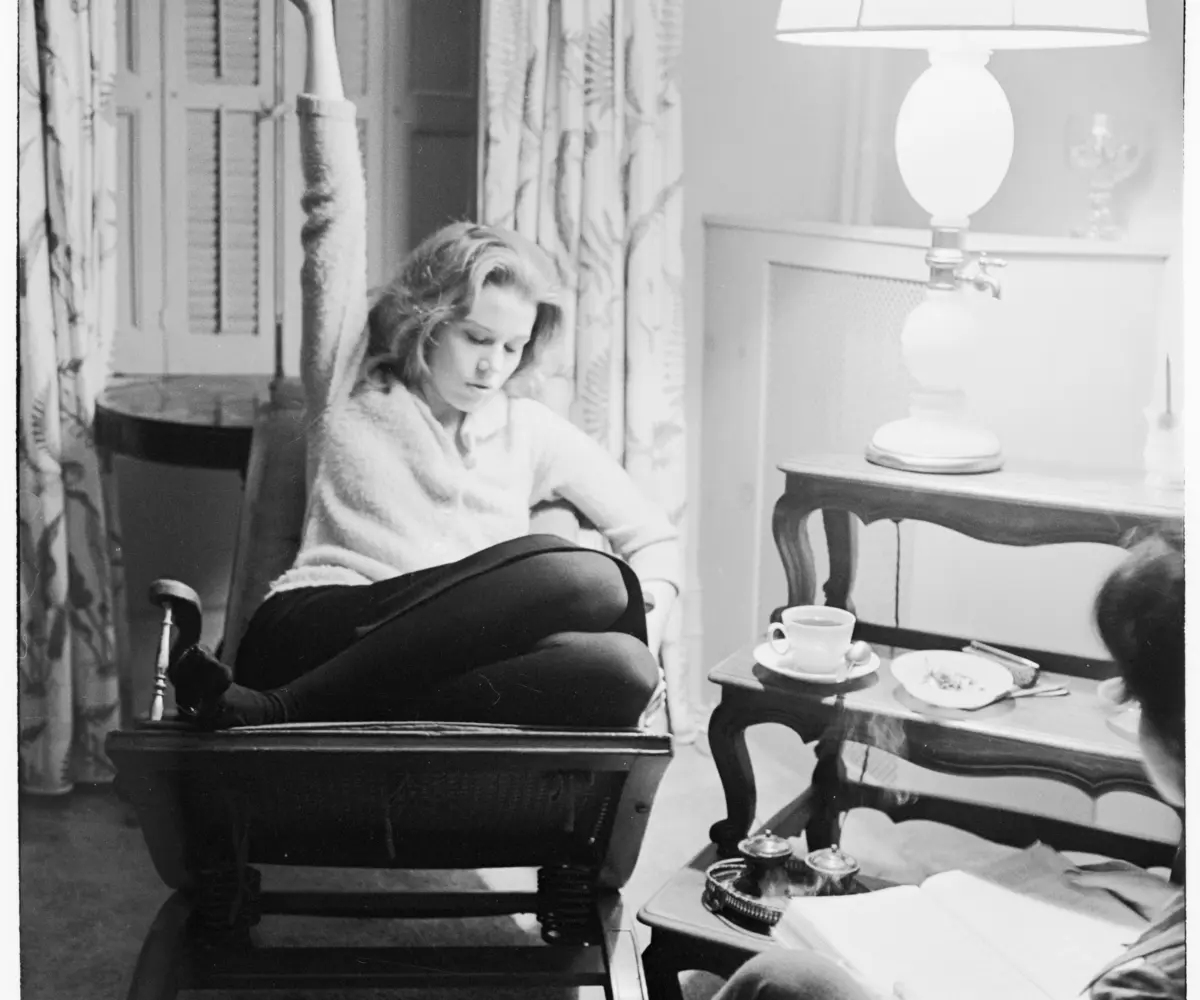
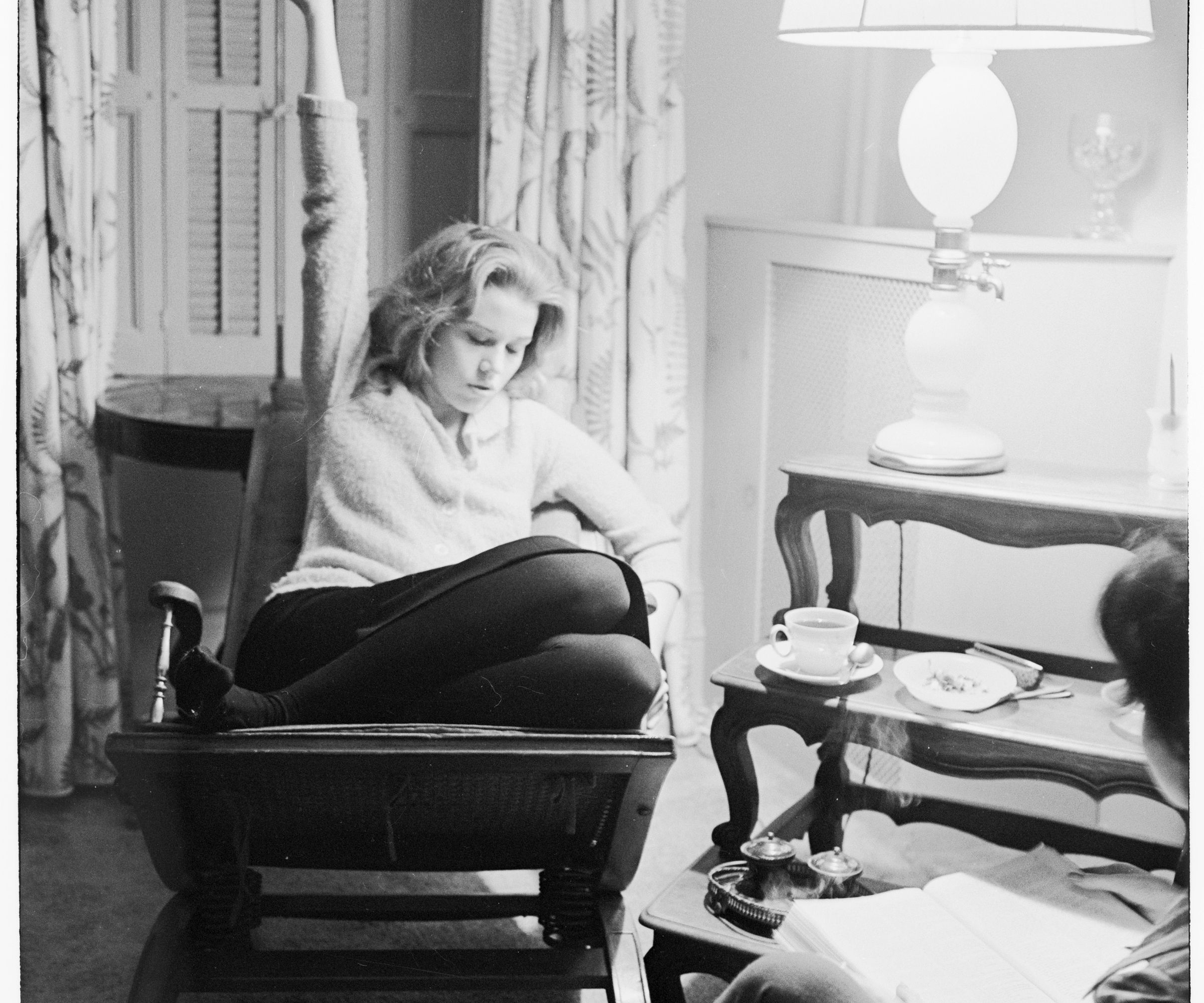
While contemporary interior design trends frequently champion sleek midcentury-modern silhouettes as the ultimate benchmark of refined taste, a glimpse further back into design history reveals statements of even greater longevity. In a striking portrait captured around 1960 inside her New York City apartment, a young Jane Fonda was photographed engrossed in scripts ahead of her Broadway debut.
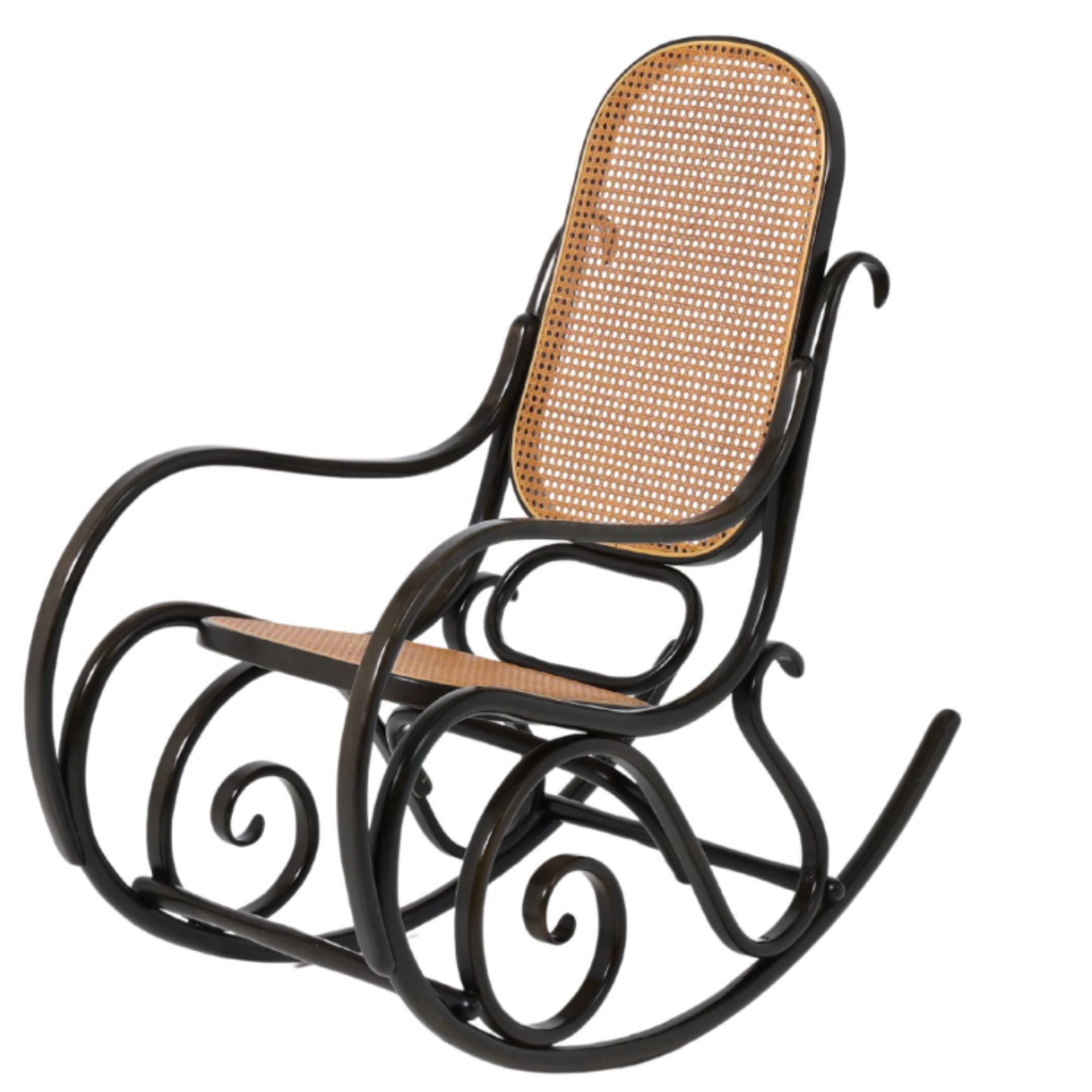
Yet, as much as the photograph captures a defining moment in the early career of a cinematic icon, it also preserves a masterclass in interior styling. Framing Fonda is the distinct, graceful silhouette of a Thonet Model No. 1 bentwood rocking chair—a legendary piece of 19th-century craftsmanship that has recently surfaced for sale on the luxury marketplace 1stDibs.
Originally conceived by pioneering Austrian designer Michael Thonet during the 1860s, the chair remains a monumental triumph of industrial manufacturing and ergonomic design. Characterized by its fluid, steam-bent beechwood frame and an airy, hand-woven cane backrest, the piece introduced a sense of rhythm, motion, and structural lightness to Fonda’s Manhattan reading nook.

Decades after Fonda was immortalized studying her lines against its curved framework, the Thonet rocker—and the broader design philosophy it represents—continues to captivate interior architects and homeowners alike. The piece successfully bridges historical heritage and modern living, proving that kinetic, sculptural furniture can elevate a room without ever overwhelming it.
Chronology of an Icon: From 19th-Century Vienna to 1960s Manhattan
To understand the enduring appeal of the chair featured in Jane Fonda’s apartment, one must trace its origins back nearly two centuries.
- The 1860s (The Birth of Steam-Bending): Michael Thonet revolutionized the furniture industry in Austria by perfecting the technique of steam-bending solid wood. Instead of carving heavy timber into rigid shapes, Thonet subjected beechwood to steam, rendering it pliable enough to be coaxed into continuous, sweeping curves. This breakthrough allowed for mass production without sacrificing artistic integrity, culminating in iconic pieces like the Model No. 1 rocking chair.
- The Late 19th Century (The Porch Culture Era): As the rocking chair gained international acclaim, its structural evolution became deeply intertwined with architectural movements. In North America and across Europe, the rocker transitioned from a novelty to a staple of domestic comfort, finding a permanent home on breezy porches and quiet parlor rooms.
- Circa 1960 (The Fonda Portrait): At the cusp of her theatrical and cinematic stardom, Jane Fonda settled into her New York City residence. Seeking an intellectual yet visually dynamic atmosphere, she incorporated the historic Thonet rocker into her living space. Photographed by Genevieve Naylor, Fonda utilized the chair not merely as a decorative accent, but as a functional piece of furniture that supported her creative process.
- The Modern Era (Resurgence on 1stDibs and Beyond): Today, the exact chair model from Fonda’s historic apartment is listed on the high-end vintage marketplace 1stDibs, drawing renewed attention from collectors, historians, and interior designers who view antique bentwood as the ultimate antidote to disposable, fast-furniture trends.
Supporting Data and Materiality: Analyzing the Craft
The enduring legacy of the Thonet rocking chair lies in its uncompromising approach to materiality and structural physics. Unlike bulky upholstered armchairs that dominate spatial volume, the Thonet rocker relies on transparency and negative space.
The Anatomy of the Thonet Rocking Chair
- Steam-Bent Beechwood Frame: Beech is uniquely suited for steam-bending due to its dense, uniform grain. The absence of joints in critical stress points gives the frame immense tensile strength while maintaining a slender, weightless appearance.
- Hand-Woven Cane Backrest and Seat: The inclusion of woven cane introduces an organic texture that contrasts against the polished wood. This breathability keeps the furniture visually light, preventing it from casting heavy shadows or making a room feel confined.
- Kinetic Geometry: The curvature of the runners is calculated to deliver a smooth, gentle rocking motion. This introduces a subtle, living element to static interior architectures.
Translating the Look: Modern Market Alternatives
For contemporary homeowners inspired by Jane Fonda’s 1960s setup, the design market offers a spectrum of interpretations that capture the essence of the original piece:
- The Vintage Collector’s Choice: Securing an authentic, period-correct Thonet rocker via platforms like 1stDibs ensures historical authenticity and investment-grade value.
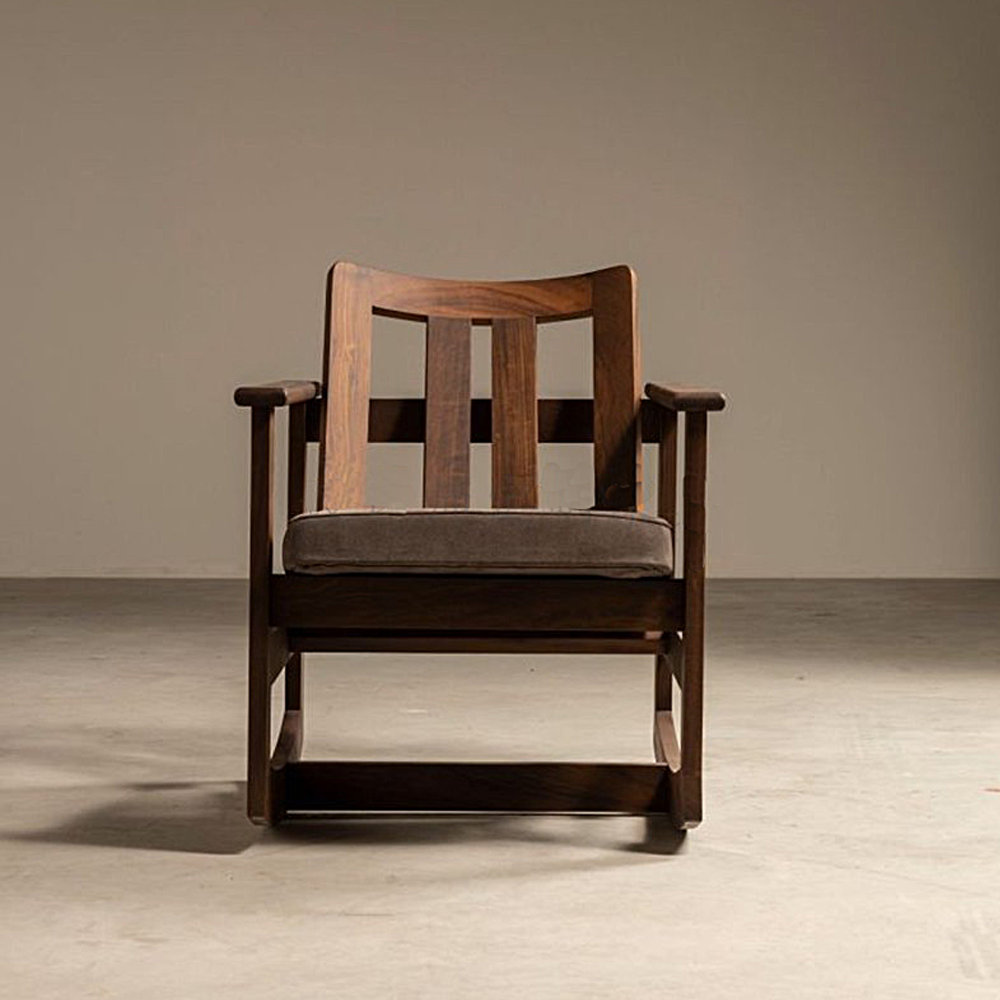
- The Soft-Modern Adaptation: Pieces such as the Chairvogue Solid Wood Casual Rocking Chair swap traditional cane for thick, ergonomic cushions in breathable cotton-linen blends, maintaining the sculptural silhouette while prioritizing plush comfort.
- The Architectural Alternative: Designs utilizing solid eucalyptus frames paired with nautical-grade rope—such as the Birch Lane Brayson Rocking Chair—replicate the fluid lines and open-weave texture of the original piece, making them equally suited for high-end sunrooms and modern living areas.
- The Heritage Porch Staple: All-weather wicker and classic white-painted wooden rockers (like the August Grove Oisin line) honor the historical crossover between 19th-century European craftsmanship and traditional American porch culture.
Official Perspectives: Insights from Interior Design Experts
Industry professionals emphasize that the staying power of the rocking chair stems from its unique psychological and spatial impact on a home.
"Rocking chairs introduce movement into a room in an interesting way that I don’t think any other piece of furniture can achieve," explains Blanca Sanchez, Director at Halo Design Interiors. "They have a natural sense of motion and make your space feel immediately calmer and more inviting."
Rather than succumbing to the volatile life cycle of interior design fads, the silhouette of the rocking chair has proven remarkably resilient.
"That novelty is why rocking chairs haven’t ever really completely disappeared from interiors despite all the changing trends," Sanchez notes. "They’ve adapted to different styles rather than being tied to one particular era, and you’ll find traditional wooden designs in country homes, streamlined versions in contemporary spaces, and upholstered styles in everything from reading nooks to bedrooms. They aren’t defined by a single trend because they’re valued for how they make a room feel as much as how they look."
When integrating such a statement piece into a contemporary floor plan, expert spatial planning is essential to avoid relegating the furniture to an overlooked corner.
"Instead of pushing it into a corner where it becomes an afterthought, give it enough space to stand out and make it feel intentional," advises Sanchez. "My favorite place for a rocking chair is beside a window where it can become a nice spot to read or have a coffee. Then keep the styling simple so the chair can stay as the focal point. A soft throw draped over the back and a single cushion are usually all that’s needed to make it feel warm and welcoming without adding clutter."
Implications for Modern Interior Design
The rediscovery of Jane Fonda’s 1960s apartment styling highlights a broader cultural shift in how consumers approach home decoration. In an era saturated with mass-produced minimalism and rapid micro-trends, the resurgence of 19th-century bentwood furniture signals a growing appetite for narrative-driven, sustainable interiors.
1. The Death of Fast Furniture
Investing in heritage pieces—or high-quality replicas inspired by them—reflects a move toward circular design. Items built with durable materials like steam-bent beechwood or solid eucalyptus outlast fleeting trends, reducing environmental waste and cultivating homes with generational character.
2. The Multi-Sensory Living Room
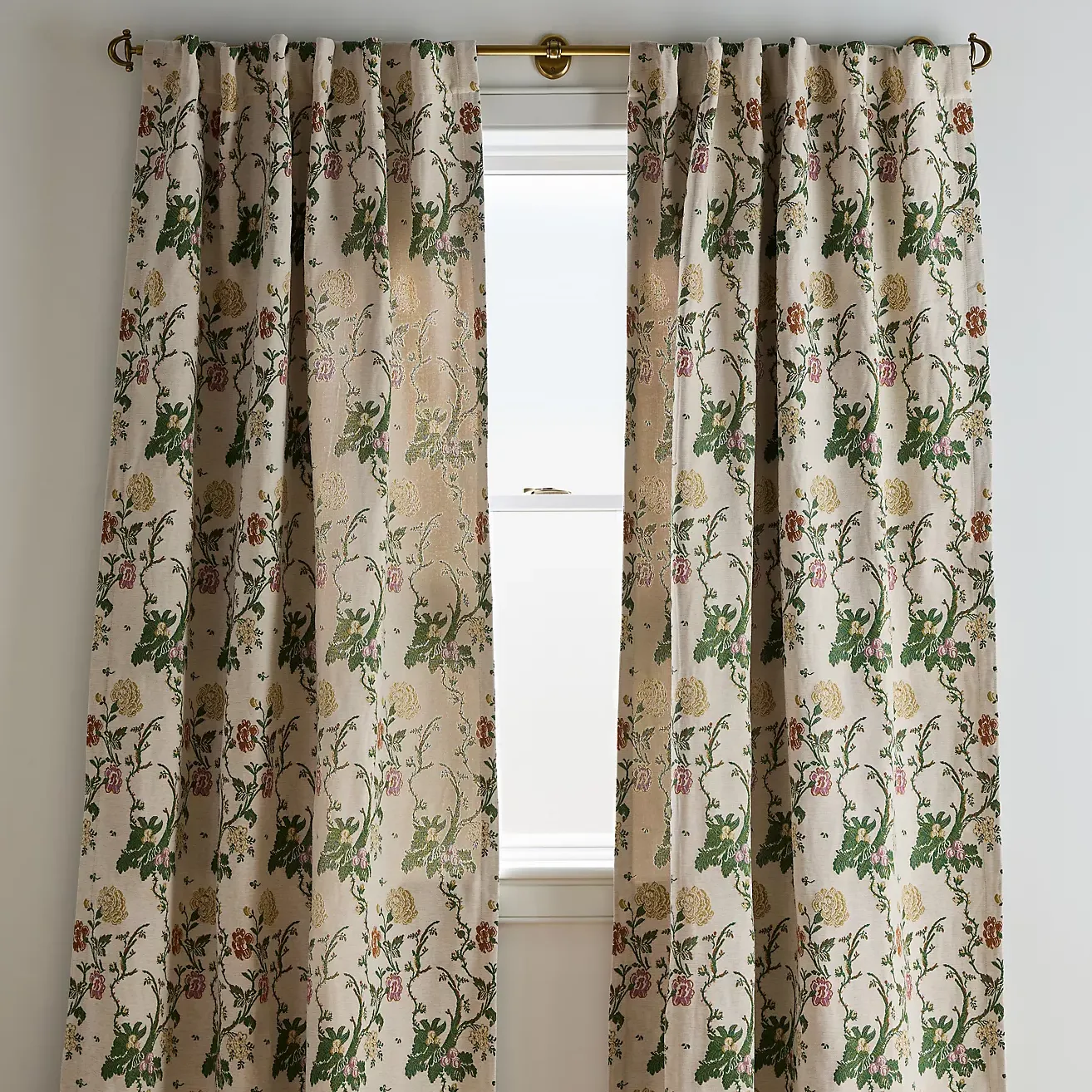
Modern interior design increasingly values sensory engagement over purely visual aesthetics. As Blanca Sanchez highlights, the kinetic nature of a rocking chair introduces a subtle, physical rhythm to a space. Paired with soft textiles—such as the floral woven jacquard curtains seen in the background of Fonda’s historic portrait—structured wooden frames prevent modern spaces from feeling too rigid, cold, or sterile.
3. The Evolution of the Reading Nook
Fonda’s use of the Thonet rocker as a dedicated space for script study underscores the enduring psychological need for purposeful zones within the home. As hybrid work models and digital saturation persist, designated analog spaces—anchored by comfortable, architecturally significant seating—offer a much-needed sanctuary for focus and relaxation.
Ultimately, whether viewed through the lens of Hollywood history, 19th-century Viennese craftsmanship, or contemporary sustainable styling, the Thonet rocking chair as modeled by Jane Fonda remains an unassailable proof of concept: true design elegance never grows old.
