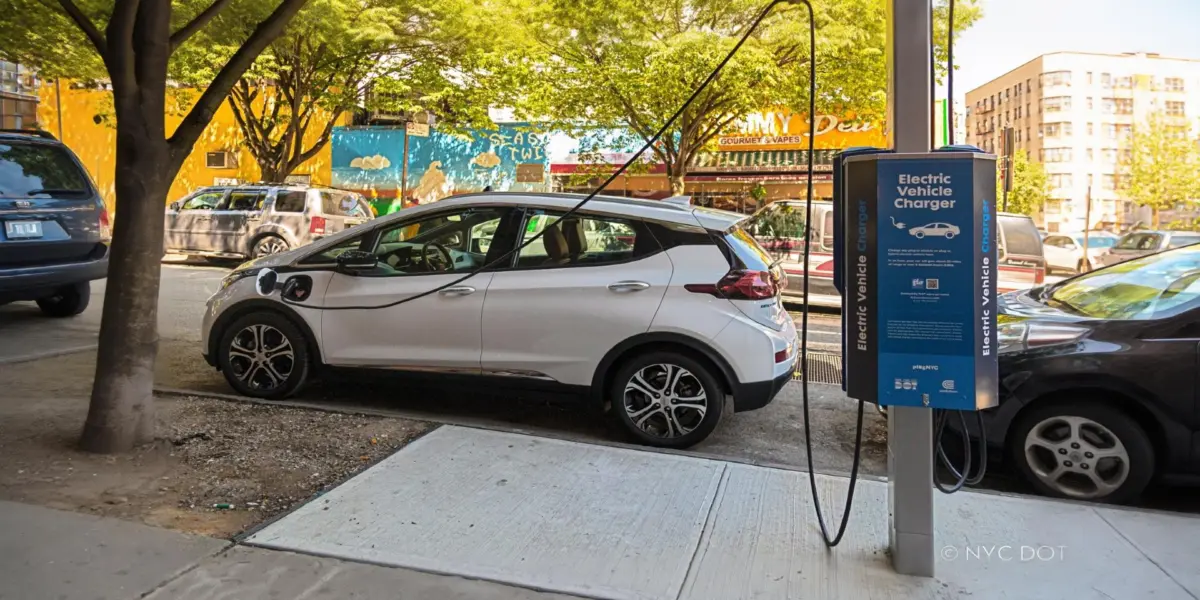
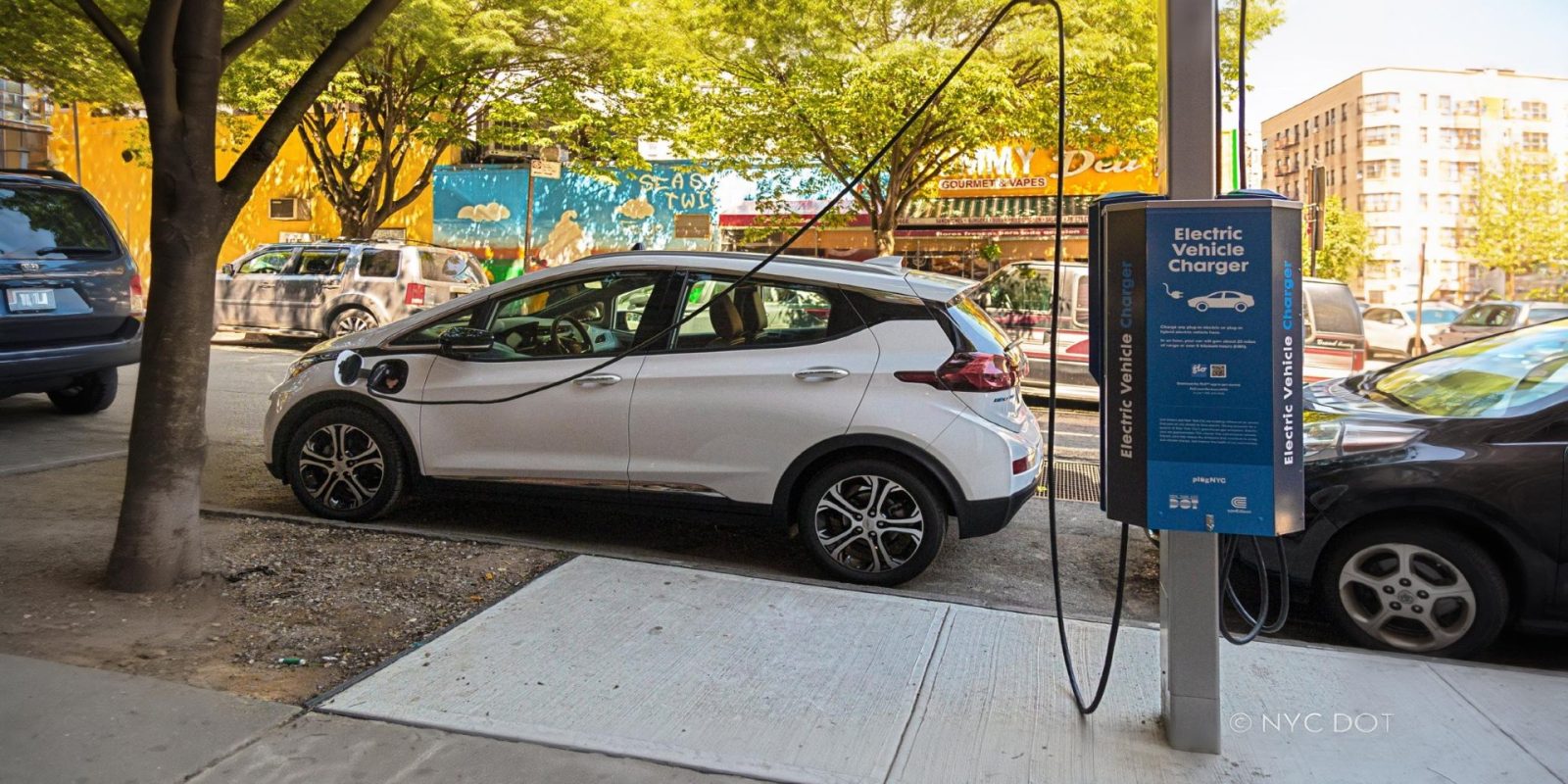
NEW YORK — In a major push to accelerate the transition to sustainable urban transit, the New York City Department of Transportation (NYC DOT) has announced an expansive initiative to install 600 new curbside electric vehicle (EV) charging points. The ambitious plan will dramatically scale up the city’s current footprint, expanding the existing network of just 88 Level 2 curbside ports to nearly 700 stations over the next three years.
This infrastructure overhaul tackles one of the most stubborn hurdles facing prospective EV owners in America’s most densely populated metropolis: the complete lack of off-street parking for a massive segment of the driving population. By bringing reliable charging infrastructure directly to the street curb, city officials hope to normalize EV ownership for everyday residents, rideshare operators, and commercial drivers alike.
Main Facts
The cornerstone of the newly announced initiative is the deployment of 600 additional Level 2 charging points under the city’s established "PlugNYC" network banner.
The Scale: The expansion will grow the city’s current curbside charging infrastructure from 88 ports to a total of nearly 700.
The Infrastructure: Each newly deployed PlugNYC station will feature a minimum of two posts equipped with a total of four charging points.
Regulatory Compliance: Strict enforcement measures will accompany the rollout; only electric vehicles that are actively plugged in and charging will be legally permitted to occupy the designated curbside spaces.
Payment and Pricing: Drivers will be able to initiate and pay for charging sessions seamlessly by tapping a credit card or using designated mobile applications. While the exact per-kilowatt-hour pricing structure is still being finalized, NYC DOT has stated it will retain regulatory control over pricing to keep charging affordable while discouraging vehicles from overstaying their welcome once power delivery is complete.
The "Dig Once" Philosophy: In areas where electrical upgrades are made for the chargers, the city plans to proactively install electrical connections to support micro-mobility infrastructure. This includes e-bike charging cabinets, electrified bike-share docks, cargo bike charging, and secure bike parking, minimizing future roadway disruptions.
Chronology of the Expansion
The rollout of the 600 new curbside charging points represents a meticulously planned multi-year municipal effort involving cross-agency collaboration and public engagement.
Phase 1: Planning and Initial Site Selection (Current)
NYC DOT has officially identified the vanguard neighborhoods slated to receive the first wave of curbside chargers. Proposed locations span all five boroughs:
The Bronx: Soundview and Unionport
Queens: Rego Park, Forest Hills, and Far Rockaway
Brooklyn: Red Hook, Carroll Gardens, and Bedford-Stuyvesant
Manhattan: Upper West Side and Washington Heights
Staten Island: Stapleton
Simultaneously, the agency has launched an interactive online public portal, inviting residents, local businesses, and drivers to submit comments, feedback, and localized recommendations regarding the proposed installation sites.
Phase 2: Procurement and Construction (Next 3 Years)
Following the public comment period and final site approvals, the New York Power Authority (NYPA) will spearhead the procurement of specialized charging hardware and manage construction contractors. Concurrently, NYC DOT will oversee the day-to-day operations and maintenance of the expanding network through specialized private-sector contracts. Construction and activation will occur in rolling phases across the five boroughs over a three-year timeline.
Phase 3: Broader Infrastructure Integration
Beyond the curbside installations, the city is concurrently building out a complementary network of off-street charging facilities. This broader blueprint includes 92 fast-charging points and 180 Level 2 charging points located inside city-owned parking lots and municipal garages, with several of these locations already under active construction or fully operational.
Supporting Data: High Demand and Demographic Realities
The urgency behind New York City’s charging expansion is underscored by compelling data regarding current adoption rates and usage patterns across the existing infrastructure.
The Street-Parking Reality
In a city of millions, approximately 50% of all car owners rely entirely on street parking. For these residents, owning an electric vehicle has traditionally been a logistical challenge, often requiring drivers to carve out hours of their week to seek out, drive to, and wait at distant public charging hubs.
Overwhelming Utilization Rates
Despite the modest size of the current 88-port curbside network, demand is extraordinarily high. According to NYC DOT metrics, the existing charging points are occupied by an electric vehicle more than 70% of the time, with high-traffic stations approaching a staggering 99% utilization rate.
Significantly, four of the five busiest charging stations in the entire city are situated in Upper Manhattan, the Bronx, and Queens—neighborhoods defined by high concentrations of working-class residents and high-volume professional drivers.
The Rideshare and Taxi Boom
Electric vehicles currently comprise 8.3% of all new vehicle registrations across New York City. Much of this growth is being driven by commercial operators. Taxi and rideshare drivers licensed by the New York City Taxi and Limousine Commission (TLC) are now completing an estimated 3 million electric trips every month, making rapid, accessible curbside charging an essential economic lifeline for these workers.
Official Responses and Perspectives
City leaders and transportation advocates have framed the PlugNYC expansion not merely as an environmental upgrade, but as an essential equity initiative for modern urban mobility.
"For the transportation sector, our main goal is making it easier and more affordable for New Yorkers to walk, bike, and take transit. But for those who still drive, we need to dramatically accelerate the adoption of electric vehicles," stated NYC DOT Commissioner Mike Flynn.
Flynn and other municipal planners emphasize that the city’s green transition cannot succeed if clean-vehicle technology is restricted solely to residents who own private drivebacks, garages, or single-family homes with dedicated off-street parking. By prioritizing densely populated neighborhoods characterized by limited residential parking and high populations of rideshare drivers, the city is actively democratizing access to clean transportation.
Implications for New York City’s Future
The deployment of 700 total curbside chargers—backed by off-street fast chargers and integrated micro-mobility provisions—carries profound implications for the city’s environmental targets, public health, and urban infrastructure.
Air Quality and Climate Goals: Transportation remains one of the largest contributors to urban air pollution and greenhouse gas emissions. By enabling commercial and private drivers to transition away from internal combustion engines, the city moves closer to its long-term decarbonization mandates while immediately reducing localized particulate matter in heavily congested neighborhoods like the South Bronx and Upper Manhattan.
Economic Relief for Workers: For TLC-licensed drivers who spend hours behind the wheel daily, public charging availability directly impacts operational costs. Expanding reliable Level 2 and fast-charging infrastructure helps lower fuel expenditures, maximizing take-home pay for rideshare and taxi operators who have embraced electrification.
A Blueprint for Dense Urban Centers: Many global megacities face the same spatial constraints as New York—narrow streets, dense housing stock, and a heavy reliance on street parking. The success or failure of NYC’s curbside charging rollout, coupled with its innovative "dig once" strategy for micro-mobility, will serve as a vital case study for urban planners worldwide attempting to solve the EV charging equation in high-density environments.