

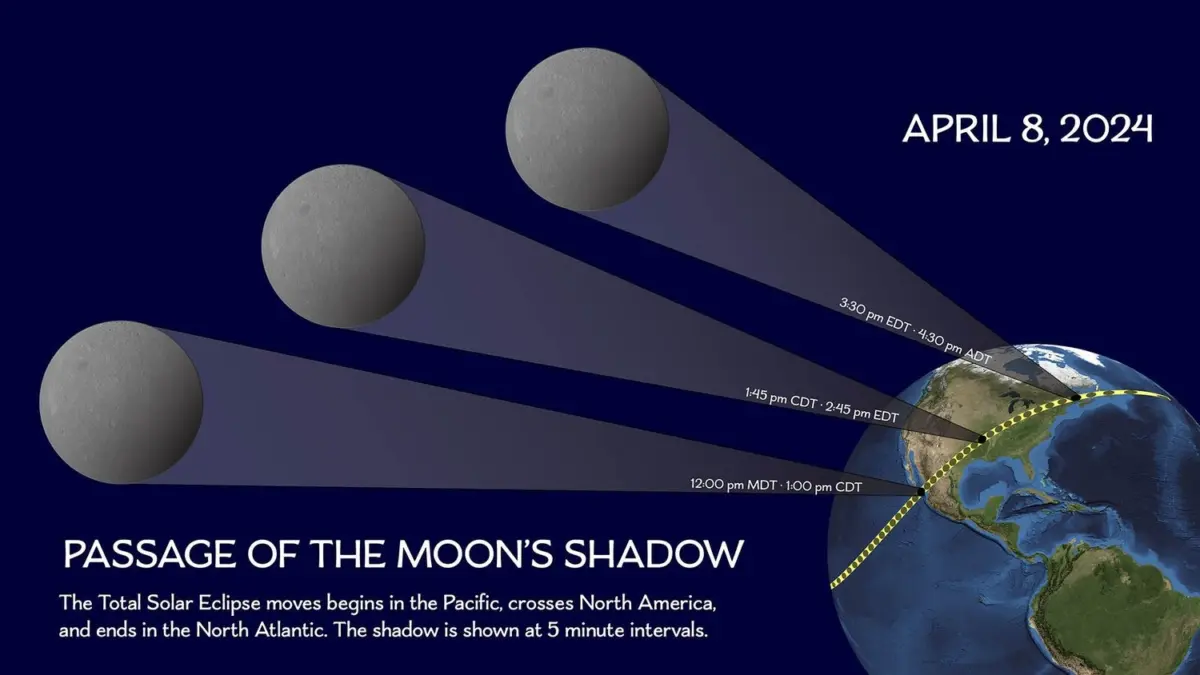
EUROPE — For the first time in more than a quarter of a century, the European continent is preparing to fall under the mesmerizing shadow of the Moon. On August 12, 2026, a rare and breathtaking total solar eclipse will cut a narrow, high-visibility corridor across the Arctic Ocean, Greenland, Iceland, and Spain.
Marking the first path of totality to cross continental Europe since August 11, 1999, this upcoming celestial alignment is expected to draw millions of scientists, astrophotographers, and travelers to Western Europe and the North Atlantic. Offering up to 2 minutes and 18 seconds of complete daytime darkness, the event promises to be one of the most significant astronomical tourism attractions of the decade.

Main Facts: The Cosmic Alignment of 2026
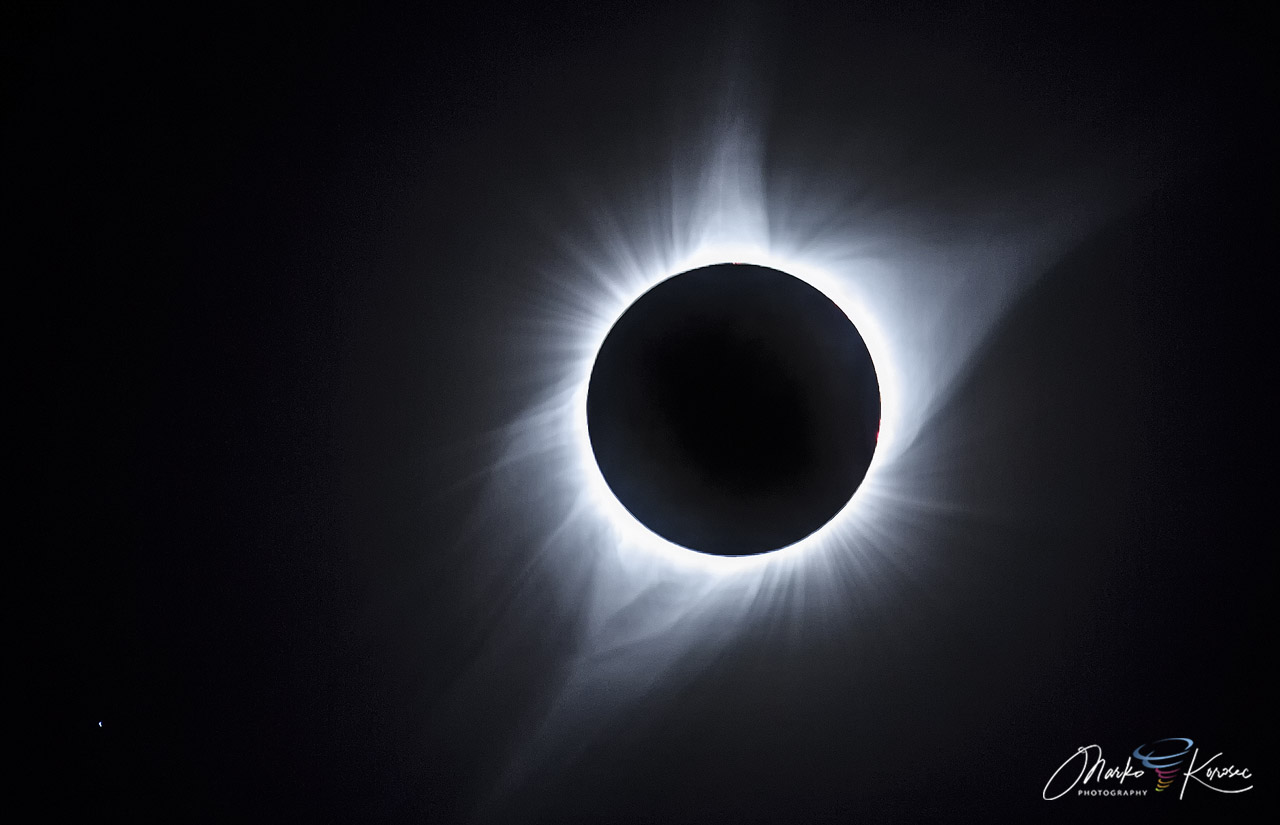
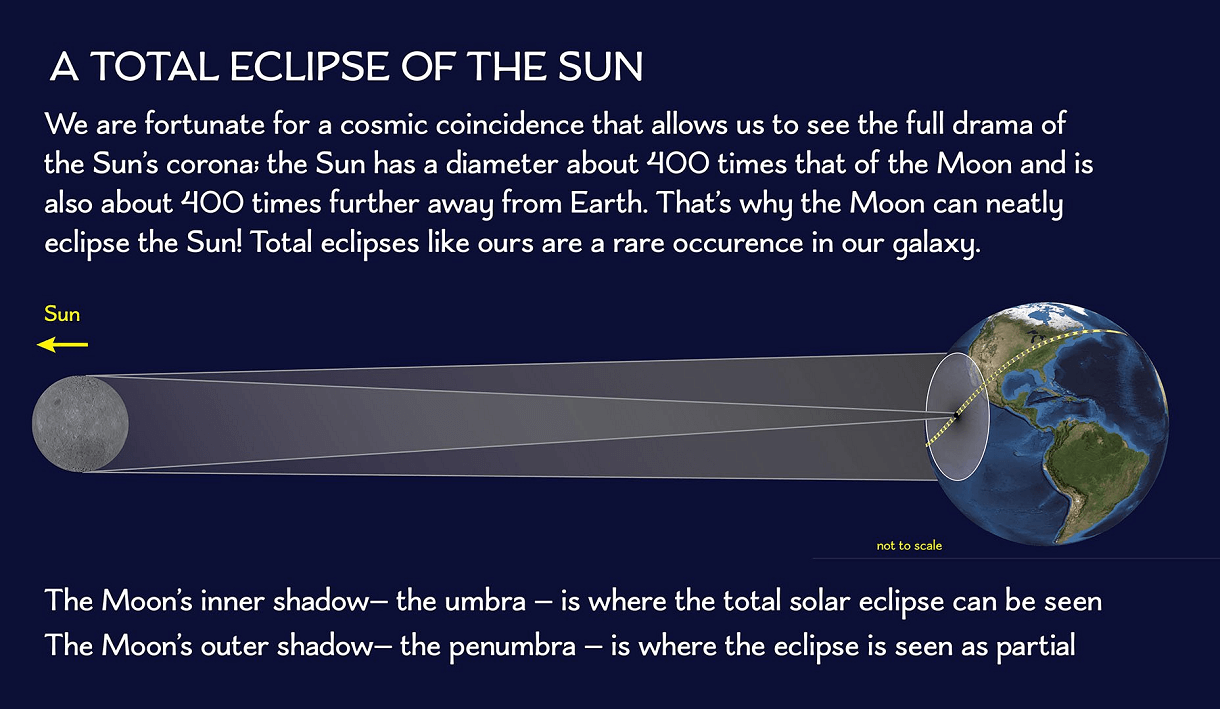
A total solar eclipse occurs when the Sun, Moon, and Earth align in a precise geometric formation. The Moon passes directly between the Sun and the Earth, casting its dark inner shadow—the umbra—onto the Earth’s surface. Observers positioned within this narrow path of totality experience a dramatic transformation: daytime skies plunge into twilight, local temperatures drop, and the Sun’s ethereal outer atmosphere, the corona, flashes into view.
The August 12, 2026, eclipse carries several unique attributes that elevate its significance within the scientific community:
- The European Drought: This is the first total solar eclipse visible from mainland Europe since the turn of the millennium.
- The Perseid Conjunction: The climax of the eclipse coincides directly with the peak of the annual Perseid meteor shower. Observers within the path of totality may have the rare, surreal opportunity to witness shooting stars streaking across a darkened daytime sky.
- Geographical Scope: The shadow’s trajectory sweeps across remote Arctic expanses, glaciated valleys, vibrant capital cities, and Mediterranean islands, offering a diverse array of backdrops for spectators.
Chronology and Trajectory: From Siberia to the Mediterranean
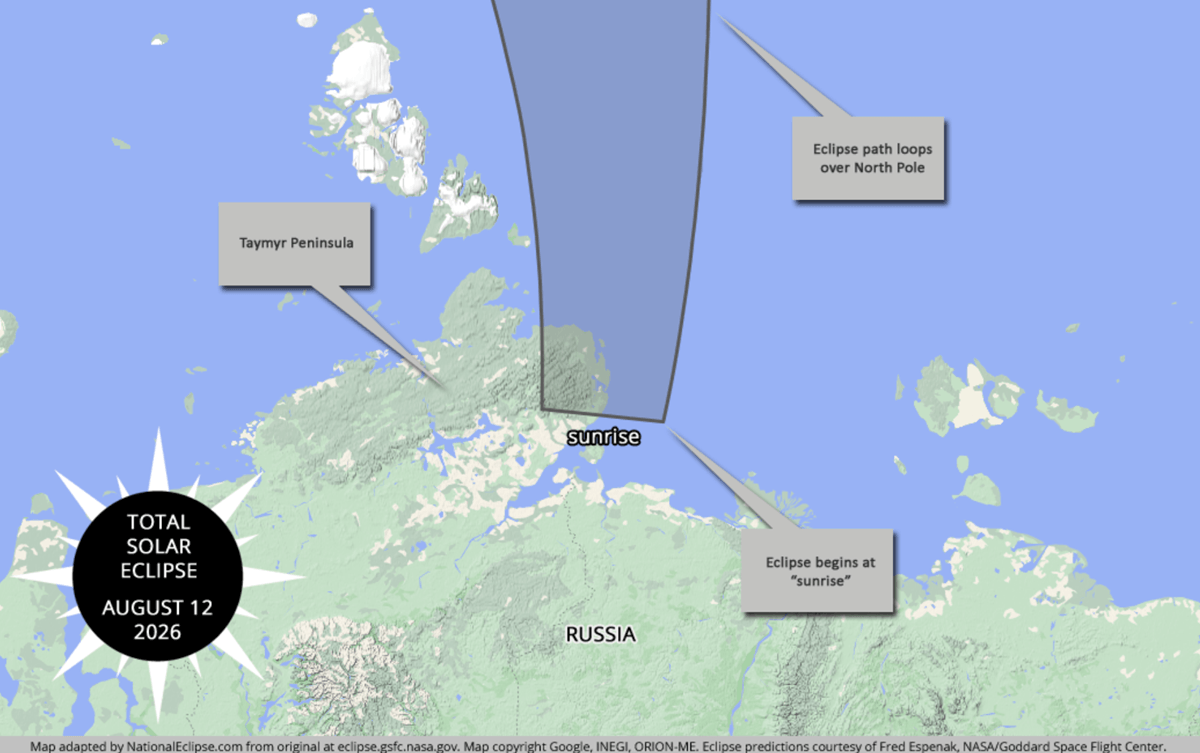
The astronomical journey of the 2026 eclipse begins at sunrise in northern Siberia, tracing a south-southwest path over the Arctic Ocean before making its first major landfall in eastern and northern Greenland.
1. The Arctic and Greenland
In Greenland, the shadow touches down during the late afternoon hours. Totality begins around 16:14 local time in the northeast and 16:38 in the southeast. Durations here range from 2 minutes and 8 seconds in the north up to 2 minutes and 17 seconds in the south. Because Greenland’s primary population centers lie along the western coast, few permanent residents will see the totality from land; however, specialized cruise ships are already booking passages to navigate the iceberg-laden fjords of the southeast to capture the event.
2. Iceland
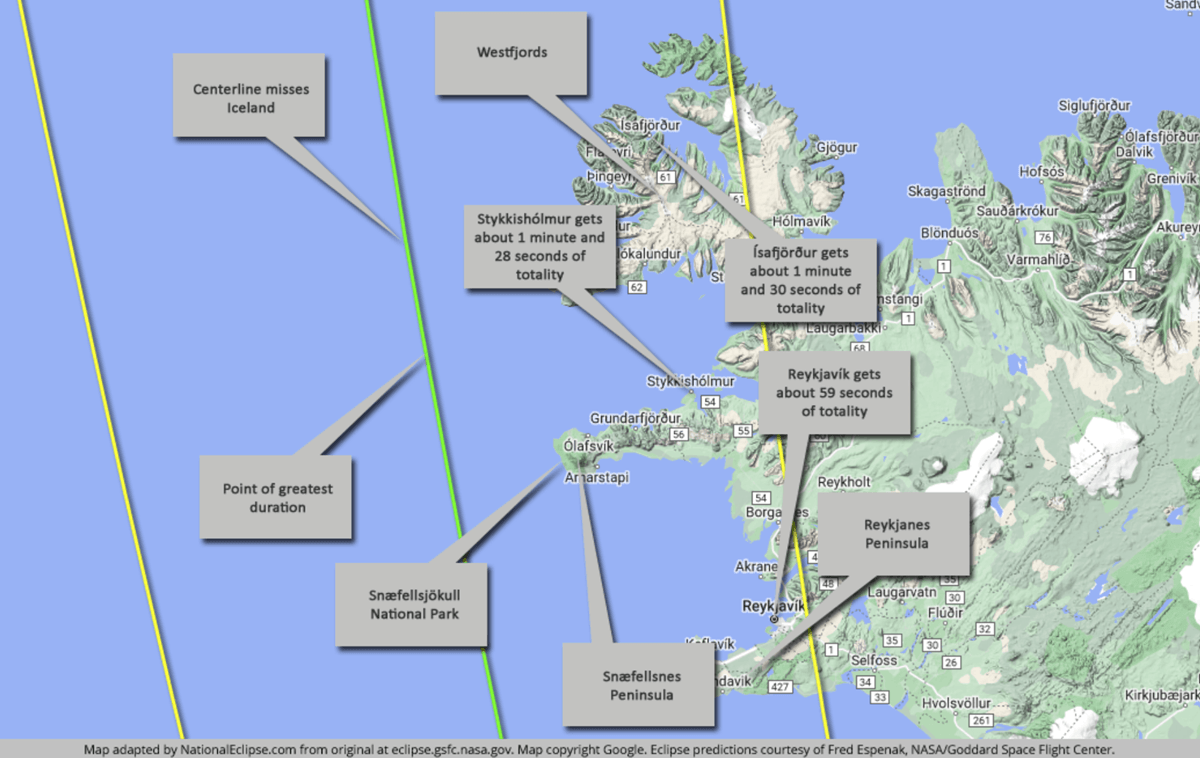
From Greenland, the shadow accelerates across the Atlantic, brushing the rugged western coastline of Iceland. The partial eclipse begins around 16:43 local time, with totality hitting the remote Westfjords at 17:44 and the capital city of Reykjavik at 17:48. Totality in the Westfjords will last for approximately 1 minute and 30 seconds, while Reykjavik will experience 59 seconds of complete darkness amidst a two-hour partial phase.
3. Spain and the Grand Finale
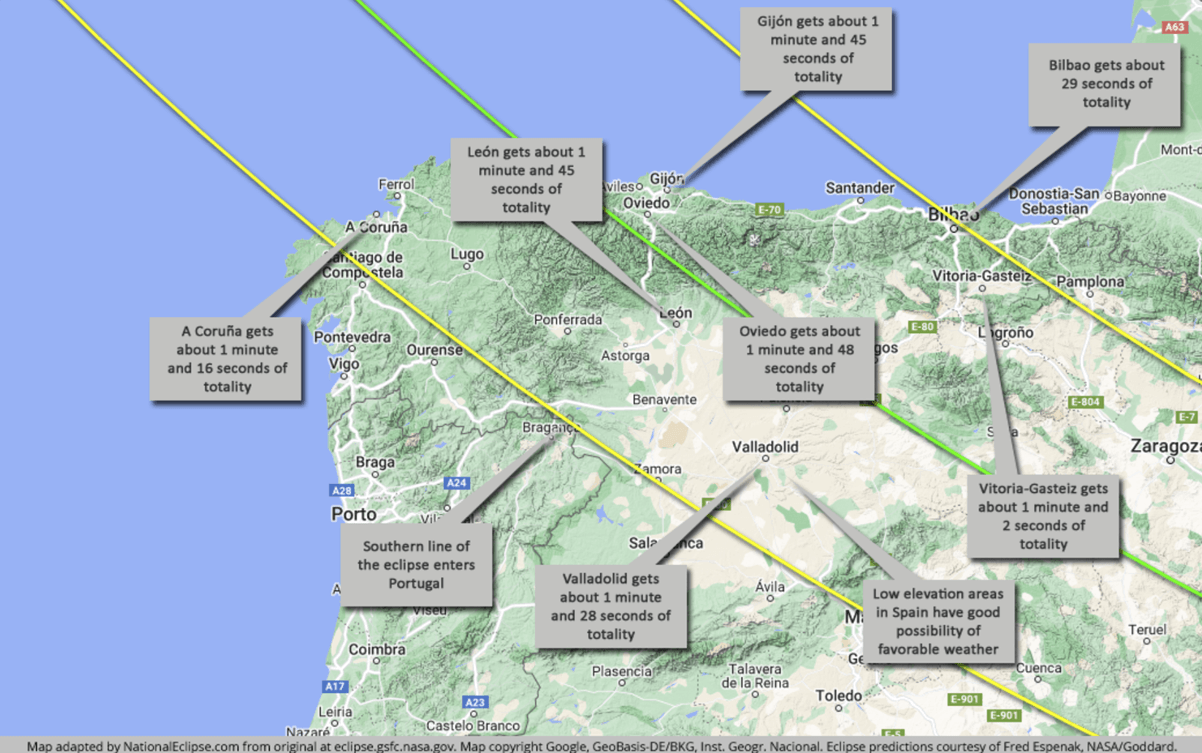
As the lunar shadow races across the Atlantic Ocean toward mainland Europe, it makes landfall in northern and eastern Spain just before sunset.
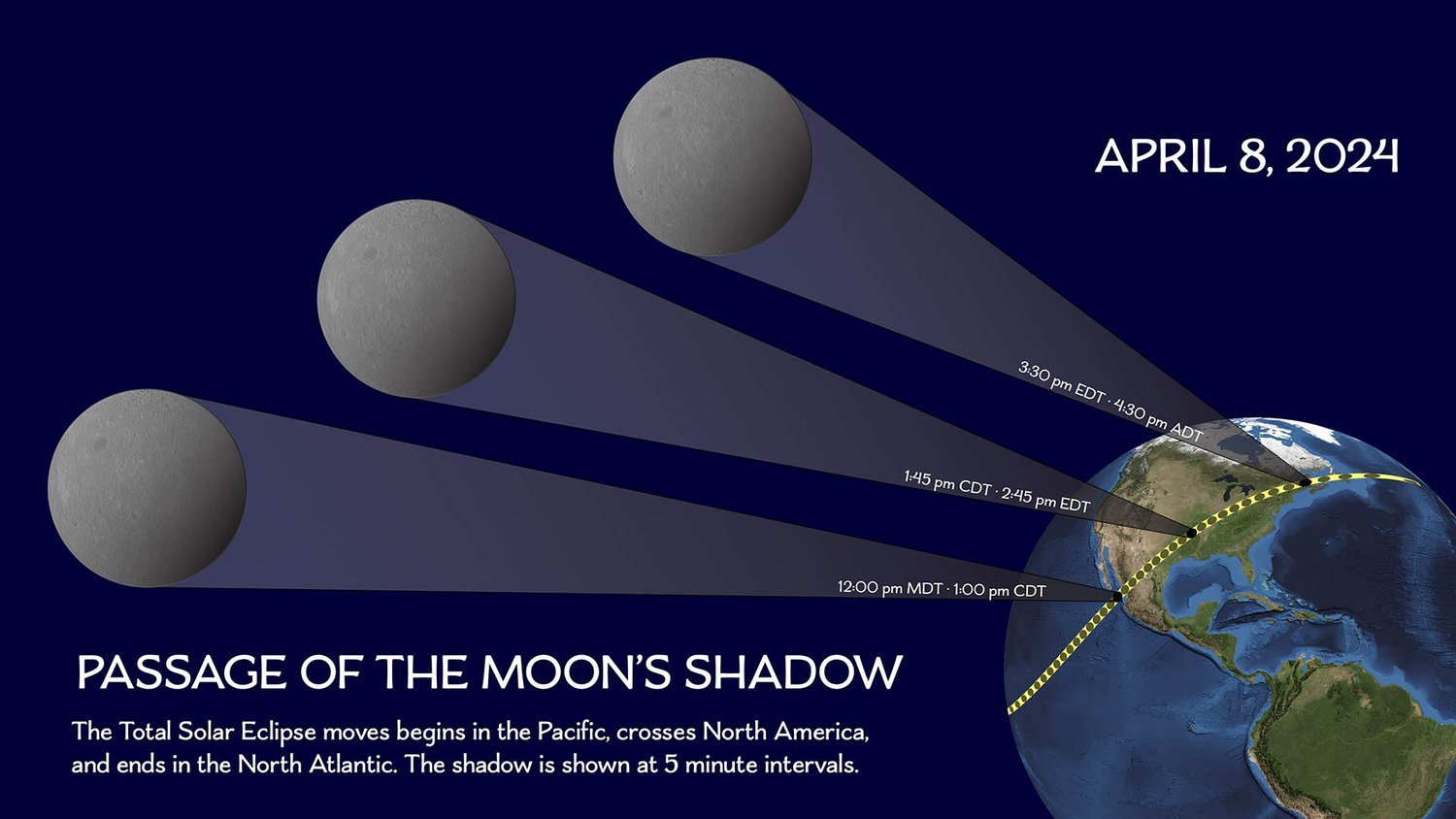
- First Contact: The partial phase begins across Spain at approximately 19:30 CEST.
- Totality: Totality strikes at roughly 20:26 CEST, plunging major urban hubs and tourist destinations—including A Coruña, Zaragoza, and Palma de Mallorca—into sudden twilight.
- Duration: In mainland Spain, the totality will last for about 1 minute and 45 seconds, shortening slightly to 1 minute and 36 seconds as it reaches the Balearic Islands before terminating precisely at sunset.
Supporting Data: Orbital Mechanics and Meteorology
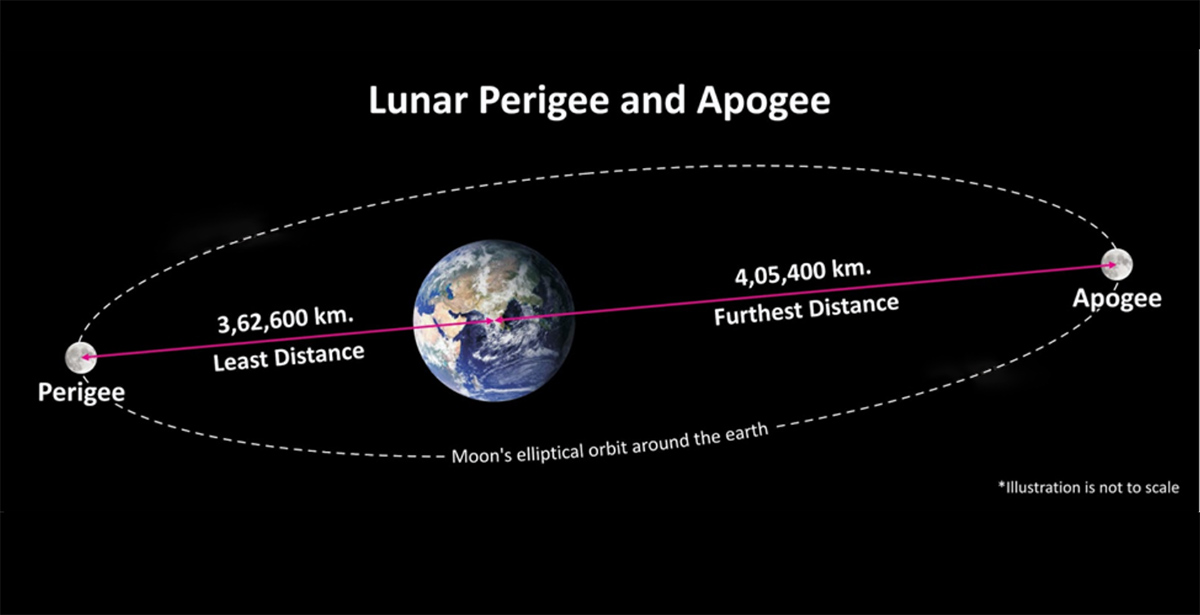
Understanding the rarity of this event requires looking closely at orbital mechanics. Total solar eclipses occur roughly once every 18 months somewhere on Earth. However, because the Moon travels in an elliptical orbit rather than a perfect circle, its distance from Earth varies between apogee (the Micro moon) and perigee (the Supermoon).
Furthermore, the Earth is rotating beneath a fast-moving lunar shadow that is typically only 60 to 70 miles (approx. 100 to 110 kilometers) wide. This creates a narrow, fleeting corridor of visibility. In approximately 600 million years, tidal friction will push the Moon far enough away from Earth that total solar eclipses will cease entirely, making our current epoch a privileged window in geological history for witnessing these events.
Weather Prospects: Where are the Best Skies?
Meteorological forecasts play a critical role in eclipse chasing. Current weather models provide a tale of two regions:
- Spain (High Probability of Clear Skies): Summertime in the Iberian Peninsula is characterized by hot, dry air masses and minimal cloud cover. Model guidance indicates that while some high, thin clouds may drift across eastern Spain, observation conditions are tracking as good to excellent.
- Iceland (High Meteorological Risk): Atlantic depressions frequently bring cloud cover to Iceland during August. While western regions and the Westfjords may benefit from downslope winds clearing out patches of sky, observers there face a higher risk of meteorological obstruction.
Official Responses and Public Safety Infrastructure
Governments, municipal authorities, and emergency services in Spain and Iceland are actively preparing for the logistical challenges posed by millions of domestic and international visitors.
Municipal Preparations in Spain
Major cities in the path of totality—such as Zaragoza and A Coruña—are drafting comprehensive civil protection plans. Local officials anticipate severe congestion on regional highways, crowded public parks, and high demand for accommodation. Municipalities are designating official public viewing zones equipped with sanitation facilities, security personnel, and educational outreach booths.
Safety Campaigns
Public health agencies and astronomical societies are launching coordinated campaigns to emphasize eye safety. Staring directly at the Sun—even when it is 99% obscured—can cause irreversible retinal damage within seconds. Authorities are urging the public to source certified ISO 12312-2 compliant solar viewing glasses and discouraging the use of unverified makeshift filters. Children, in particular, will require strict adult supervision to ensure safe viewing practices throughout the partial phases of the eclipse.
Implications: Economic Tourism and Scientific Research
Beyond its aesthetic and cultural impact, the 2026 total solar eclipse carries profound implications for local economies and scientific inquiry.
The Rise of Astrotourism
The hospitality and travel sectors in Spain and Iceland are experiencing an unprecedented surge in advance bookings. Hotels, car rental agencies, and tour operators along the path of totality have reported near-capacity reservations months in advance. Economists predict that the influx of international astrotourists will inject hundreds of millions of euros into local economies, providing a significant seasonal boost to regional businesses, restaurants, and transport networks.
Scientific Opportunities
For researchers, the 2026 eclipse offers a precious window to study the Sun’s corona—its scorching outer atmosphere—which is normally drowned out by the blinding light of the solar disk. Instruments on the ground and aboard specialized aircraft will measure coronal heating dynamics and space weather phenomena. Additionally, the unique convergence with the Perseid meteor shower will allow atmospheric scientists to study how sudden, localized drops in temperature and solar radiation affect upper-atmosphere ionization and meteor trail visibility.
As August 12, 2026, draws closer, anticipation continues to build. For millions across Europe and beyond, the upcoming eclipse stands as a powerful reminder of the precise, dynamic clockwork of our solar system—a fleeting, unforgettable moment when day turns to night, and the universe puts on its grandest show.
