

By Tech Desk
Published: September 2026
Main Facts: The $10 Hike for Apple’s Flagship Power Units
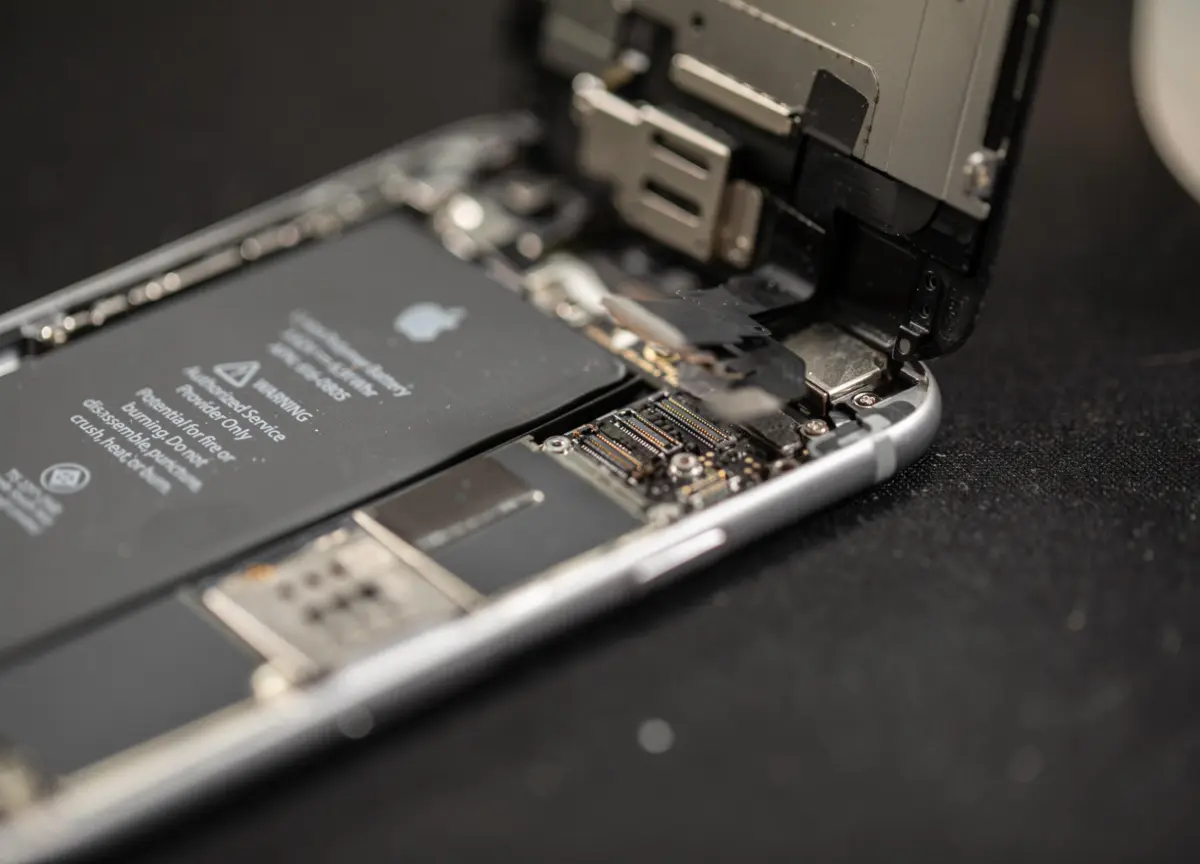
Apple has quietly adjusted its official out-of-warranty repair pricing, introducing a price increase for its newest high-end smartphones. According to recent updates on Apple’s support pages and corroborated by tech trackers like MacRumors, the cost to replace a battery on the iPhone 18 Pro or iPhone 18 Pro Max has risen by $10.
Users seeking a replacement battery directly from Apple will now pay $129, up from the $119 fee charged for previous generations, such as the iPhone 17 line, iPhone 16 Pro models, and the streamlined iPhone Air.
Industry analysts attribute this upward adjustment primarily to the physical evolution of the devices. The iPhone 18 Pro and Pro Max incorporate larger, more energy-dense battery capacities designed to power increasingly complex internal hardware, advanced mobile chips, and intensive, on-device AI operations. Because these larger power units require more raw materials and specialized manufacturing precision, the cost of servicing them has ticked upward.
Despite this localized price hike for its current flagships, Apple’s broader out-of-warranty battery service framework spans a wide spectrum. Pricing varies depending on the device generation, stretching all the way back to legacy hardware like the iPhone 6 and the original iPhone SE, where battery replacements remain the most affordable at $69.
Chronology: How Apple’s Battery Replacement Policy Evolved
To fully understand the current pricing structure, it helps to look back at how Apple’s battery repair ecosystem has transformed over the years:
- The Pre-2018 Era: For years, out-of-warranty battery replacements for iPhones hovered around a flat $79. Consumers frequently viewed battery degradation as an unavoidable part of device ownership, often turning to third-party repair shops to save money.
- The 2018 "Throttle" Controversy and Discount: Following public outcry over performance throttling on older iPhones with degraded batteries, Apple temporarily slashed out-of-warranty battery replacement costs down to $29 globally throughout 2018. This pivotal moment permanently altered public awareness regarding lithium-ion health.
- The Post-Discount Stabilization: After the promotional period ended, replacement prices steadily climbed back up, settling at $69 for older models, moving to $89 for devices like the iPhone 14 series, and eventually crossing the $100 threshold with the introduction of the iPhone 15 and 16 Pro lines at $119.
- September 2026: With the commercial release of the iPhone 18 series, Apple crosses a new threshold, pushing the flagship Pro and Pro Max battery swap fee to $129.
Supporting Data & Technical Context: The 80% Rule and Global Pricing Trends
Navigating Apple’s Warranty and the "Health" Metric
Apple’s official repair guidelines enforce strict criteria when evaluating whether a user qualifies for a complimentary battery swap. The cornerstone of this policy is the 80% maximum capacity mark.
- With AppleCare+: If a user’s device is covered under an active AppleCare+ plan and diagnostics show that the battery health has dropped below 80% of its original factory capacity during the coverage window, Apple will replace the battery at zero additional cost.
- Without AppleCare+: If the phone is operating under the standard one-year limited warranty—which explicitly excludes normal wear and tear from everyday use—or if the warranty has expired, users must pay the full out-of-pocket fee ($129 for iPhone 18 Pro models) once the capacity dips below 80%.
Apple strongly channels consumers toward official service pathways, whether through a physical Apple Store, an Apple Authorized Service Provider, or by mailing the device directly to an Apple Repair Center.

The Paradox of Battery Costs: Why Are Replacement Fees Rising While Raw Material Costs Fall?
A striking contradiction exists in the broader electronics market. While consumers are facing a $10 price hike for iPhone 18 Pro battery repairs, global market data shows that the cost of batteries themselves is plummeting.
According to research from Bloomberg, battery prices experienced steep declines late last year, a trend heavily driven by Chinese manufacturers flooding the global market with high volumes of cheaper cells. Furthermore, reporting from Quartz highlights that overall battery cost reductions stem from:
- A decisive shift toward cheaper alternative battery chemistries.
- A significant crash in global lithium prices.
- Decades of cumulative manufacturing and supply-chain efficiencies.
Despite these global manufacturing savings, retail repair pricing for elite consumer electronics remains high. This discrepancy is largely attributed to the proprietary engineering of modern smartphones, where tightly integrated adhesives, water-resistance seals, miniaturized logic boards, and complex biometric sensors make safe battery extraction an intricate, labor-intensive process requiring specialized robotics and technician training.
Official Responses and Industry Reactions
As of publication, representatives for Apple have declined to issue an immediate statement responding to requests for comment regarding the $119-to-$129 price adjustment on the iPhone 18 Pro lineup.
Independent consumer advocacy groups and right-to-repair advocates have seized upon the price increase to renew discussions about the long-term cost of device ownership. While Apple provides self-service repair options and genuine parts through its Self Service Repair program, critics argue that the specialized tools and system configurations required to successfully complete an iPhone battery swap often discourage DIY repairs, effectively locking consumers into Apple’s high-margin official service ecosystem.
Implications for Consumers: How to Protect Your Investment
With mobile phones functioning as navigation units, digital wallets, high-definition cameras, and continuous communication hubs, energy consumption is at an all-time high. Recent consumer surveys, including data compiled by CNET, indicate that declining battery life remains the single most common catalyst driving consumers to upgrade to a new smartphone.
However, users can take proactive measures to mitigate wear and tear and delay the dreaded drop below the 80% health threshold:
- Optimize Charging Habits: Avoid leaving your phone plugged into a power source at 100% capacity overnight for extended periods. Utilizing built-in features like "Optimized Battery Charging" helps stall chemical aging.
- Manage System Loaders: Reduce background energy drain by limiting heavy widgets, constant location tracking, high-refresh-rate animations, and unnecessary keyboard haptics.
- Thermal Management: Avoid exposing your device to extreme ambient temperatures (both freezing cold and intense direct heat), which permanently degrade lithium-ion cell chemistry. Additionally, select phone cases that dissipate heat effectively rather than trapping it against the chassis.
Ultimately, while rechargeable batteries are inherently consumable items with a finite lifespan, understanding Apple’s tiered repair costs and practicing smart charging habits can help consumers maximize both the performance and lifespan of their devices without facing unexpected repair bills.
