

By Tech Desk Analysis
Published September 6, 2026
Main Facts
As Apple prepares for its monumental September hardware showcase, software developers and tech enthusiasts have uncovered compelling details regarding one of the most anticipated operating system features of the decade. Arriving as a cornerstone inclusion in iOS 27 later this month, a newly detailed capability known as "iPhone Handoff" is set to completely redefine how users manage multiple Apple smartphones.
Initially teased with a fleeting, singular mention during the Apple Worldwide Developers Conference (WWDC) keynote in June, the feature was left shrouded in mystery, lacking technical specifications or functional demonstrations. However, fresh discoveries within the latest developer assets—specifically extracted from a demonstration clip running inside Xcode 27’s Device Hub—have illuminated how the mechanics of this system will operate.
At its core, iPhone Handoff allows a user to seamlessly link, synchronize, and dynamically switch between two different iPhone devices operating on the exact same phone number. By designating one unit as the "main device" and pairing a secondary handset as its certified "companion," Apple is addressing a long-standing friction point for multi-device owners, professionals, and tech minimalists.
Yet, the rollout of this feature is not merely a software convenience; it arrives at a crucial inflection point in Apple’s hardware roadmap. Industry insiders widely expect the imminent debut of Apple’s long-rumored, highly anticipated foldable device—tentatively dubbed the iPhone Ultra—alongside the traditional mainline smartphone updates.
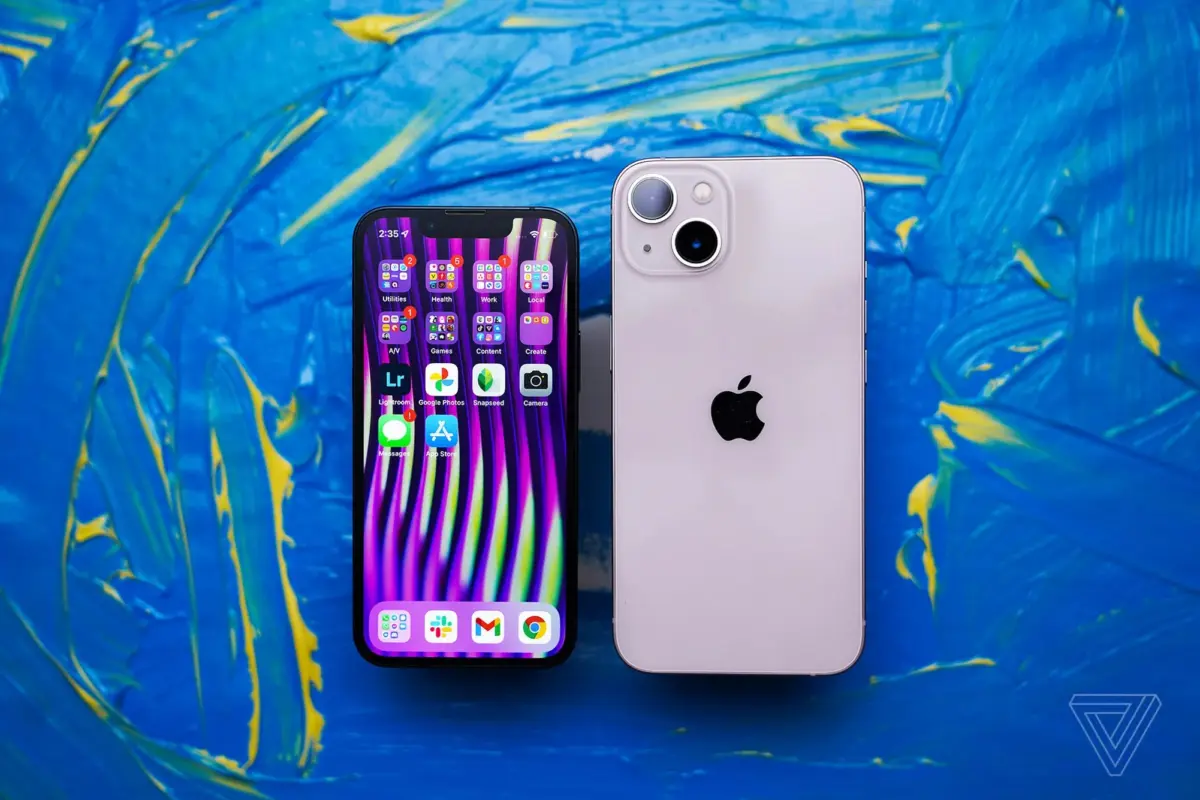
While foldable devices offer expansive, tablet-like screens, they frequently introduce compromises in weight, pocketability, durability, and cost. iPhone Handoff appears to be the software glue engineered specifically to solve this physical dilemma. It provides users the freedom to wield an expensive, premium, or bulky foldable device while at their desks or during leisure hours, while maintaining the ability to effortlessly bounce their active phone line, messages, and state over to a smaller, more rugged, or lightweight secondary device when stepping out into dynamic environments—such as dusting off an older, cracked iPhone 13 that has sat in a drawer for years.
Despite the excitement surrounding this ecosystem advancement, technical hurdles remain. Code inspections within developer frameworks reveal that native, seamless multi-device line sharing will require explicit carrier support. Thus far, references to major telecommunications providers, including T-Mobile US and Germany’s Telekom.de, have been spotted in the underlying code. The extent to which regional and smaller MVNO (Mobile Virtual Network Operator) carriers will support the feature at launch remains an open question.
Chronology
To fully understand how Apple arrived at this milestone feature, it is helpful to trace the technological trajectory and rumor cycles that led to the September 2026 iOS 27 rollout:
- 2021–2023 (The Multi-Device Era): Apple continuously refined device continuity across its ecosystem. While Macs, iPads, and iPhones could already share universal clipboards, answer phone calls, and relay SMS messages via Apple ID (Continuity and Cellular Calls on Other Devices), users remained strictly bound to a 1:1 relationship between a physical SIM/eSIM and a single active handset for cellular data and primary messaging lines. Carrying two phones required dual-active numbers or tedious physical SIM card swapping.
- Early 2024 (The Foldable Rumor Mill Accelerates): Supply chain analysts began reporting that Apple’s engineering teams were aggressively prototyping foldable display panels. Concurrently, discussions around device ergonomics highlighted a glaring consumer concern: would users realistically want to carry a fragile, heavy, and expensive folding phone to rugged outdoor events, athletic activities, or nights out?
- June 2026 (WWDC Keynote Teaser): During the annual WWDC opening address, Apple previewed iOS 27. Amidst a laundry list of artificial intelligence enhancements and interface overhauls, a brief slide flashed across the screen mentioning "iPhone Handoff for Identical Numbers." No implementation details, hardware requirements, or operational visuals were provided, leaving the developer community to speculate.
- September 2, 2026 (The MacRumors Leak): Code sleuths analyzing the latest beta builds and developer tools discovered concrete documentation surrounding the feature. Specific references to the primary/companion device architecture leaked via online forums, offering the first clear look at the architecture.
- September 5, 2026 (Xcode 27 Device Hub Demonstration): A leaked developer demo clip surfaced online, demonstrating the exact setup wizard within Xcode 27’s Device Hub. This leak confirmed how users would pair two iPhones under a single carrier subscription.
- Late September 2026 (Expected Global Launch): iOS 27 is scheduled for its public rollout alongside the hardware debut of Apple’s fall product lineup, officially bringing iPhone Handoff to consumer hands.
Supporting Data & Technical Architecture
The technical framework underpinning iPhone Handoff represents a significant evolution in Apple’s network abstraction layer. Historically, telecommunication standards tied a specific International Mobile Equipment Identity (IMEI) and Subscriber Identity Module (SIM/eSIM) profile tightly to a single piece of hardware for direct cellular network registration.
How the Primary and Companion System Operates
Based on the Xcode 27 Device Hub documentation, the architecture relies on a synchronized relay protocol coupled with cloud-backed state preservation:

- Identity Verification: Both devices must be logged into the same iCloud account and authenticated via two-factor security.
- Carrier Provisioning: The user’s cellular provider must provision a shared-identity profile (similar to how Apple Watch cellular plans share a number with an iPhone, though scaled up for full smartphone capabilities).
- Active State Handshake: When a user initiates a handoff from the main device to the companion device, active cryptographic tokens, ongoing cellular call states, iMessage sync queues, and local session data are instantaneously pushed across encrypted peer-to-peer Wi-Fi/Bluetooth channels or via iCloud relay if devices are separated.
- Network Handshake: The cellular network switches the active routing of incoming calls and data packets to the newly active device’s IMEI while placing the idle device into a standby or companion-listening mode.
Hardware Compatibility and Carrier Footprint
- Supported Operating Systems: iOS 27 and newer.
- Hardware Requirements: At least two compatible iPhones capable of running iOS 27. While older devices like the iPhone 13 can serve as companions, optimization for ultra-low-power standby modes heavily favors devices equipped with newer Apple Silicon neural engines.
- Confirmed Carrier Partners (Initial Code References):
- T-Mobile US (United States)
- Telekom.de (Germany)
- Global carrier expansion expected iteratively through Q4 2026 and 2027.
Official Responses and Industry Context
Apple has maintained its traditional posture of strict corporate silence regarding unreleased features, declining to comment on the leaked Xcode 27 assets or confirm the exact marketing nomenclature prior to the official September keynote. However, communication channels from major carrier partners have begun hinting at backend infrastructure updates.
Speaking anonymously, a network engineer at one of the participating Tier-1 US carriers noted that "supporting multi-device, single-number synchronization for smartphones requires a massive overhaul of VoLTE and 5G standalone (SA) core routing rules. Unlike smartwatches, which consume lower data throughput and have distinct use-case profiles, maintaining a seamless, zero-drop voice and data handoff between two fully functional, high-performance smartphones demands rigorous testing to prevent network congestion and billing anomalies."
Industry analysts have been quick to praise the forward-thinking nature of the feature. Competitors in the Android ecosystem—such as Samsung—have long offered multi-device management via ecosystems like Samsung Multi-device Experience, but these solutions typically rely on app-level forwarding (such as Link to Windows or tablet call-and-text forwarding) rather than true cellular identity cloning where either device can act as the primary master phone interchangeably on a whim without third-party app dependency.
Implications
The introduction of iPhone Handoff in iOS 27 carries profound implications for consumer behavior, the mobile hardware market, and telecommunications business models.
1. Shifting Consumer Hardware Habits
For years, the smartphone market has faced lengthening upgrade cycles. Consumers view purchasing a new $1,200+ flagship as a multi-year commitment. By enabling a fluid multi-device lifestyle, Apple is removing the psychological barrier of "what to do with my old phone." Instead of trading in a device for pennies or letting it collect dust, users can repurpose older, smaller, or more durable iPhones as specialized tools for specific environments—such as taking a ruggedized or older device to the beach, a concert, or a grueling hike, while keeping an expensive foldable or Pro Max model safely at home or in a secure bag.
2. Paving the Way for Form Factor Diversity
Apple’s rumored entry into the foldable market has been heavily scrutinized over durability and everyday practicality. Foldable screens are inherently more delicate and heavier than traditional slabs. If users can effortlessly switch their active line to a traditional, slim, glass-and-aluminum iPhone when they don’t want to deal with a folding screen, Apple mitigates the primary consumer hesitation holding back foldable adoption.
3. Carrier Monetization and Services Growth
For carriers, iPhone Handoff represents an opportunity to introduce new recurring revenue streams. While adding a smartwatch to a cellular plan typically incurs a modest monthly fee ($5 to $15), carriers may experiment with multi-device smartphone pairing fees. Conversely, carriers that fail to support Apple’s native protocol quickly risk losing high-value subscribers to competitors like T-Mobile who embrace the ecosystem feature out of the gate.
4. Enterprise and Privacy Advantages
Professionals who prefer to separate their daily physical footprint—perhaps carrying a lightweight device for quick personal errands while keeping a heavy work device secured—will find immense utility in single-number handoff. IT departments may also leverage these controls to ensure corporate data remains compartmentalized while giving employees hardware flexibility.
Conclusion
As the September hardware and software rollout event draws closer, iOS 27’s iPhone Handoff feature stands out as one of the most mechanically intriguing updates Apple has introduced in years. By blurring the lines between single-device ownership and multi-device flexibility, Apple is once again demonstrating its mastery over ecosystem integration. Whether consumers embrace the companion phone lifestyle en masse will ultimately depend on carrier adoption rates and the seamless execution of the technology when it hits public servers later this month. One thing is certain: the way we think about owning and carrying a "phone number" is about to change forever.
