

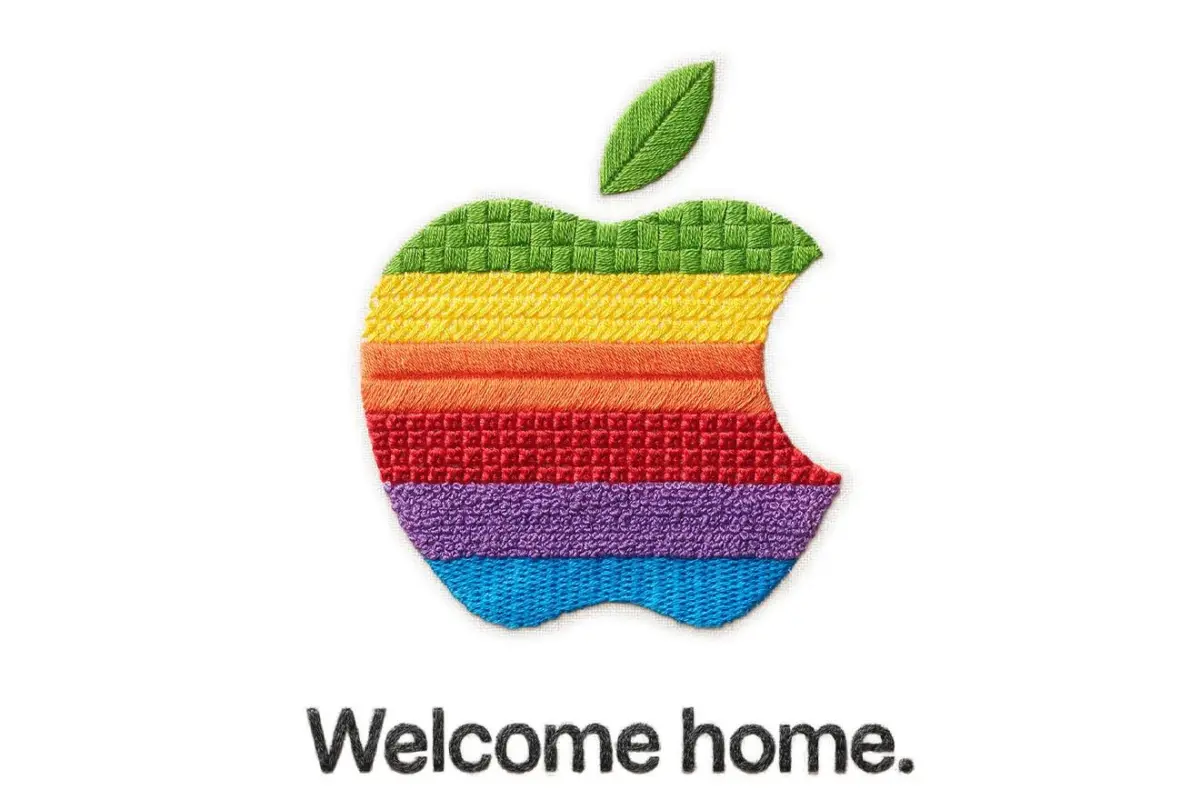
As the autumn tech calendar shifts into high gear, Apple is preparing to host one of its most focused product showcases in recent memory. Dubbed the “Welcome Home” event, the upcoming keynote—scheduled to kick off in New York City on October 13th at 9:00 AM Eastern Time—is expected to pivot sharply away from personal computing and mobile telephony. Instead, Cupertino is poised to plant its flag firmly in the automated living space, delivering a suite of announcements explicitly designed to unify, upgrade, and fundamentally reimagine the modern smart home.
While persistent industry chatter suggests that long-rumored hardware—such as a touchscreen-equipped MacBook—will likely remain under wraps until later in the month, anticipation has reached a fever pitch for what is on the immediate horizon. From an entirely new hardware category acting as a dedicated domestic command center to the debut of a purpose-built operating system and long-awaited internal refreshes for aging accessories, Apple is setting the stage for a comprehensive ecosystem expansion.
Main Facts: The Blueprint of Apple’s Smart Home Push
At the core of the October 13th event is Apple’s strategic maneuver to transition its smart home philosophy from a fragmented collection of app-driven accessories into a cohesive, centralized ecosystem. For years, the Cupertino giant has relied heavily on the native Home app running on iPhones, iPads, and Macs to coordinate domestic hardware. However, market pressures and shifting consumer expectations have driven the company to pursue a more robust, hardware-forward approach.
The centerpiece of this strategy is a brand-new dedicated smart home hub—tentatively referred to in leaks and industry reports as the HomePad, HomeView, or Apple Home Hub. Featuring a roughly 6-inch square touchscreen, this device is designed to function as an intuitive interface for managing household automation. According to supply chain whispers and industry insiders like Bloomberg’s Mark Gurman, the hub will be offered in multiple form factors, including a wall-mountable iteration and a countertop model. The latter is rumored to sport an aesthetic nod to the iconic iMac G4, featuring a display mounted on an adjustable arm rising from a weighted half-sphere base.
Powering this new hardware ecosystem is expected to be homeOS, a dedicated software platform specifically engineered for domestic environments. Quietly trademarked through a labyrinth of shell companies—a classic Cupertino playbook maneuver—homeOS reportedly blends design paradigms from iOS, tvOS, and watchOS.
Complementing this new hub will be internal hardware refreshes for the HomePod Mini and Apple TV, both of which are receiving long-overdue silicon upgrades to handle advanced AI workloads. Furthermore, strategic partnerships—most notably with consumer electronics titan LG—will yield new certified accessories featuring deeply integrated software functionalities, highlighting an open yet tightly controlled approach to third-party hardware integration.
Chronology: How Apple Built Up to the ‘Welcome Home’ Showcase
To understand the weight of the upcoming October 13th event, it is necessary to examine the timeline of Apple’s domestic hardware strategy over the past decade.
- October 13, 2020: Apple originally announces the HomePod Mini, positioning it as an affordable, room-filling smart speaker powered by Siri. Coincidentally, this launch date falls exactly six years to the day before the upcoming 2026 “Welcome Home” event.
- November 2022: Apple releases its last major hardware refresh for the Apple TV lineup, introducing performance bumps and improved energy efficiency, though leaving the industrial design largely untouched.
- Mid-2025: Speculation surrounding a dedicated Apple smart display intensifies following trademark filings for homeOS discovered via shell corporations such as Home Operations Suite LLC. These filings signal to industry analysts that a dedicated software framework for domestic hardware is actively moving through the pipeline.
- Early 2026: Supply chain leaks point to delays in Apple’s smart display initiatives due to ongoing refinements of its proprietary artificial intelligence capabilities, temporarily pushing back the hardware roadmap while engineering teams optimize Siri for localized, on-device contextual processing.
- September 2026: Ahead of the official announcement, leaks reveal details regarding second-party integrations, specifically highlighting upcoming LG smart home accessories equipped with proximity detection and near-field communication (NFC) pairing technologies.
- October 13, 2026 (Upcoming): The “Welcome Home” event officially kicks off in New York City, serving as the formal unveiling ground for the new smart home hub, homeOS, and refreshed HomePod Mini and Apple TV units.
Supporting Data: Hardware Specifications and Ecosystem Metrics
As hardware leaks solidify, a clearer picture of the technical architecture driving Apple’s new smart home push begins to emerge. The specifications reveal a concerted effort to unify processing power, wireless connectivity, and security across the entire ecosystem.
The Dedicated Smart Home Hub
- Display: Approximately 6-inch square touchscreen interface.
- Form Factors: Wall-mountable design and a countertop version featuring an articulated arm and semi-spherical base.
- Biometrics & Identification: Integrated voice and facial recognition capabilities to automatically surface relevant calendar appointments, reminders, and contacts based on who is interacting with the unit.
- Security Layer: Optional secondary verification routed through a user’s iPhone to safeguard sensitive personal data.
HomePod Mini & Apple TV Refreshes
- Processor Upgrade: Both devices are slated to receive modern system-on-chip upgrades designed specifically to shoulder the computational overhead of advanced Siri AI features.
- Connectivity: Integration of Apple’s proprietary N1 chip, providing native support for Wi-Fi and Bluetooth 6.0 standards to reduce latency and improve mesh networking stability.
- HomePod Mini Colorways: Alongside internal silicon enhancements, the speaker will debut in fresh aesthetic variations, including new green and pink finishes.
- Lifecycle Milestone: This update marks the first hardware iteration for the HomePod Mini since its initial introduction in late 2020.
Partner Ecosystem and LG Hardware
- Proximity Control: Utilizes NFC technology to automatically trigger contextual UI hints within an iPhone’s Dynamic Island when held in close physical proximity to a certified smart device.
- Zero-Power Setup: Innovative pairing functionality allowing users to configure smart deadbolts, thermostats, and temperature sensors without requiring active electrical power during the initial handshake sequence.
Official Responses and Industry Commentary
While Apple has maintained its customary pre-event silence regarding unannounced products, statements from industry analysts and leaked supply chain communications provide significant insight into the company’s internal expectations.
Mark Gurman, reporting on the impending hardware shift, has emphasized that Apple views the smart home market as an essential frontier for ecosystem retention. According to insiders, the decision to develop a dedicated hub running homeOS stems from user feedback indicating that controlling domestic utilities strictly through mobile phones or voice-only speakers lacks the immediacy of a persistent visual interface.
Furthermore, hardware partners like LG have reportedly worked closely with Apple’s engineering teams to ensure that second-party accessories fully leverage the upcoming homeOS architecture. Representatives from participating hardware manufacturers have privately expressed optimism that Apple’s focus on standardized proximity controls and simplified pairing will lower the barrier to entry for mainstream consumers hesitant to adopt complex automated home networks.
Despite the heavy emphasis on domestic tech, Apple’s public relations apparatus has actively worked to temper expectations regarding peripheral product categories. Whispers regarding a touchscreen MacBook Pro—though heavily rumored for later in the fourth quarter—have been explicitly decoupled from the October 13th proceedings, ensuring that media attention remains laser-focused on the smart home offensive.
Implications: What This Means for the Consumer and the Industry
The rollout of Apple’s revamped smart home ecosystem carries profound implications for both consumers and competing technology titans such as Amazon and Google. For years, the smart display market has been dominated by devices like the Amazon Echo Show and Google Nest Hub. By introducing a premium hardware hub running a dedicated operating system, Apple is signaling that it is no longer content to let third-party tablets and budget displays anchor the modern living room.
1. The Maturation of Ambient Computing
By integrating facial and voice recognition directly into the Home Hub, Apple is leaning heavily into ambient computing—technology that anticipates user needs without demanding direct, cumbersome interaction. The ability to dynamically shift displayed information based on who is standing in front of the device transforms a static control panel into a personalized household assistant.
2. Privacy as a Competitive Advantage
In an era where smart home devices are frequently scrutinized for data harvesting practices, Apple’s emphasis on local processing and optional iPhone-secured verification represents a strategic differentiator. By keeping facial recognition and personal calendar data tightly encrypted and processed locally via advanced silicon, Apple is doubling down on its long-standing marketing pillar of user privacy.
3. Deepening the Walled Garden
The introduction of homeOS and the N1 networking chip ensures that Apple hardware will communicate more efficiently with other Apple products than with disparate third-party ecosystems. While interoperability with brands like LG will ensure a baseline level of open compatibility, the true magic—such as Dynamic Island proximity prompts and seamless handoffs—will be reserved for those deeply invested in the iOS ecosystem.
As the tech world converges on New York City for the "Welcome Home" event on October 13th, the message is clear: Apple is ready to redefine how we interact with our living spaces. Whether these new hardware form factors and software platforms can successfully capture market share from entrenched competitors remains to be seen, but Cupertino’s renewed focus on the domestic sphere marks one of its most important strategic pivots of the decade.
