

Main Facts: Unmasking the Tiny Pests of Your Plumbing
No homeowner looks forward to walking into a sparkling, freshly scrubbed bathroom only to notice a cloud of minuscule, moth-like insects hovering near the sink or shower drain. Commonly referred to as drain flies—or scientifically as Psychodidae—these tiny nuisances are more than just a visual annoyance. They are specialized survivors that have evolved to live, breed, and thrive in the darkest, dampest recesses of residential and commercial plumbing systems.
According to Rich Mullins, an Indiana-based master plumber with over 25 years of hands-on experience and the founder of H20 Plumbing, identifying the root cause of these infestations can often be a frustrating puzzle for property owners. "A clogged or slow-moving drain creates a perfect breeding ground for these pests," Mullins notes, emphasizing that adult insects are merely the tip of the iceberg.
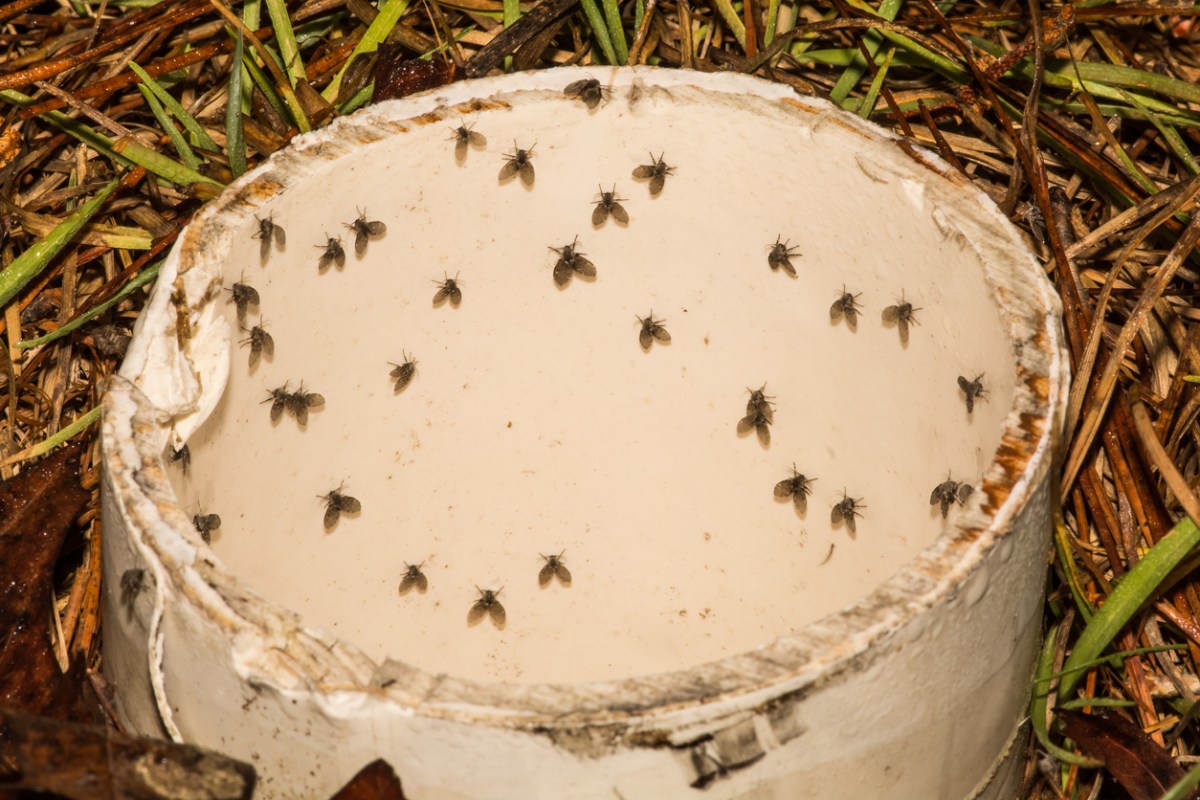
Measuring roughly one-fifth of an inch in length, drain flies feature fuzzy, hair-covered exoskeletons that range in color from dark brown to black and gray. While they do not bite humans, nor do they vector dangerous diseases like mosquitoes or houseflies, their sudden and persistent presence can quickly ruin the sanctuary of a clean home. Fortunately, understanding their biology, tracing their breeding grounds, and implementing non-destructive removal techniques can permanently rid your household of these unwelcome guests.
Chronology of an Infestation: From Pipe Slime to Pervasive Nuisance
Understanding the timeline of a drain fly infestation is crucial to halting its progression. These insects operate on a biological clock that dictates every phase of their lifecycle, which typically spans anywhere from 8 to 24 days depending on ambient temperatures and the internal climate of your plumbing infrastructure.
Phase 1: The Accumulation of Organic Slime
An infestation never starts with the flies; it starts with neglect or structural plumbing quirks. As hair, soap scum, skin cells, and food particles travel down household drains, they inevitably snag on minor imperfections along the interior walls of PVC or metal pipes. Over time, this trapped debris decomposes into a gelatinous, nutrient-dense biofilm commonly referred to as drain slime.
Phase 2: Egg Laying and Larval Development
Drawn to the moisture and decaying organic matter, adult female drain flies navigate deep into the plumbing to deposit their eggs directly into the biofilm. Within 48 hours, these eggs hatch into tiny, maggot-like larvae. These larvae are remarkably resilient and voracious; they spend their days feeding exclusively on the surrounding sludge. Because they are microscopically small and live deep within the pipe architecture, homeowners rarely notice this subterranean phase of the lifecycle.
Phase 3: Emergence of the Adult Population
After completing their larval and pupal stages, the mature insects emerge from the drain opening as winged adults. Seeking mates and new food sources, they flutter into bathrooms, kitchens, and laundry rooms. Because their flight capabilities are weak, they are rarely found far from their natal drain, typically bouncing along walls or resting near porcelain basins. Once airborne, they begin the cycle anew, laying hundreds of new eggs into the same or neighboring slow-moving pipes.
Supporting Data: Drain Flies vs. Fruit Flies and the Danger of Chemical Shortcuts
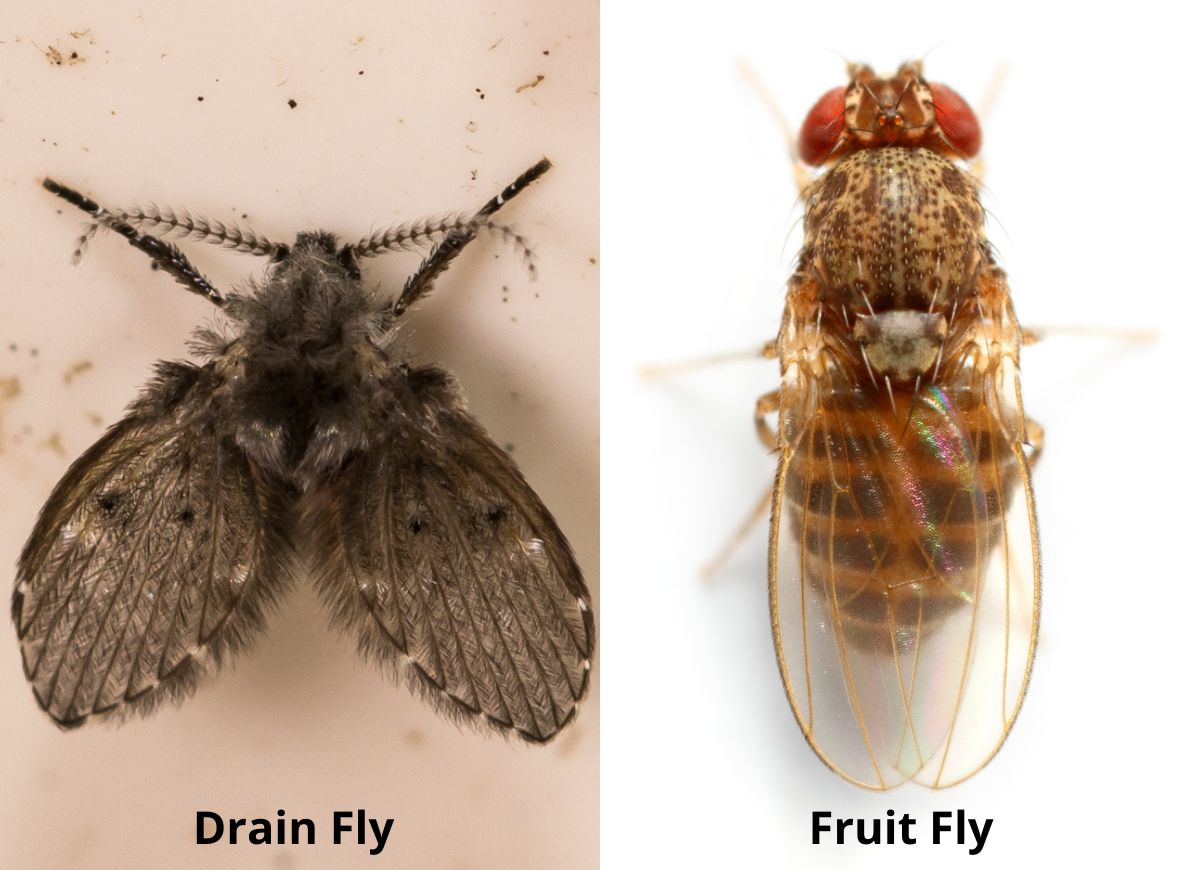
To effectively wage war against household pests, homeowners must first accurately identify their enemy. It is common to confuse drain flies with fruit flies (Drosophila melanogaster), as both insects share a penchant for indoor environments and appear roughly similar in casual glances. However, their behaviors, habitats, and physical characteristics are vastly different.
Diagnostic Comparison
- Physical Appearance: Drain flies look like miniature, hairy moths with wings folded tent-wise over their bodies. Fruit flies feature smooth, oval-shaped bodies, frequently displaying distinct red eyes and a tan or yellow-brown abdomen.
- Primary Habitats: Drain flies are exclusively aquatic or semi-aquatic, residing within damp slime layers of plumbing traps and sewage systems. Fruit flies, conversely, congregate around exposed produce, fermenting liquids, open garbage cans, and damp organic waste (such as wet soil or mops).
- Flight Dynamics: Drain flies are reluctant flyers that scurry or make short, jerky flights when disturbed. Fruit flies are erratic, darting fliers that hover persistently around food sources.
The Hidden Risks of Chemical Drain Cleaners
When faced with a sudden swarm of insects, many homeowners instinctively reach for commercial caustic drain cleaners or household bleach. Plumbing experts universally warn against this practice. While bleach may kill a few adult flies on contact, it fails to dissolve the underlying organic biofilm where eggs and larvae are safely insulated.
Furthermore, harsh chemicals can severely compromise your home’s infrastructure. Chlorine bleach corrodes metal components within water tanks, damages delicate pipe gaskets, and can leach into private septic systems, destroying the beneficial bacteria essential for breaking down household waste. Safe, mechanical removal combined with enzymatic treatments is always the preferred protocol.
Official Responses and Expert Protocols: Step-by-Step Eradication
Eliminating drain flies requires a methodical approach that targets the source of the infestation rather than merely swatting at airborne adults. Industry professionals recommend a four-step remediation protocol.
Step 1: Identifying the Infested Drains
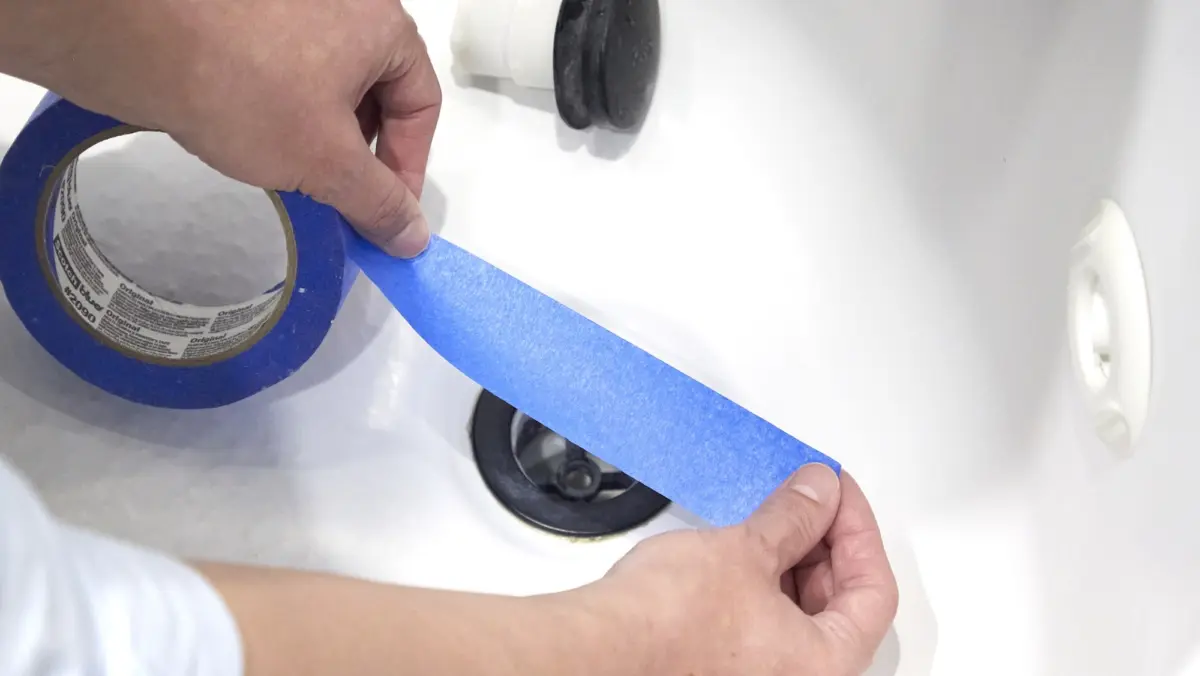
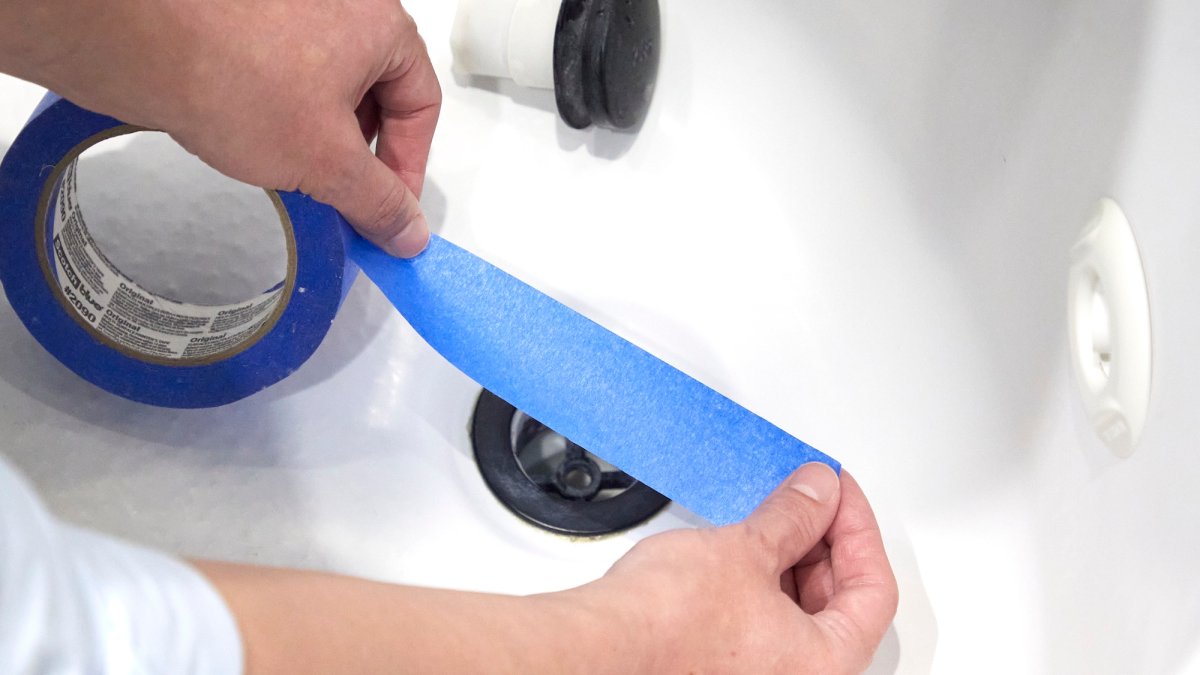
Before applying any treatments, you must pinpoint which specific pipe is hosting the colony. Plumber Rich Mullins recommends a classic diagnostic technique: "Place a piece of painter’s tape over the drain at night. If you find flies stuck to the tape in the morning, it’s a clear sign of an infestation."
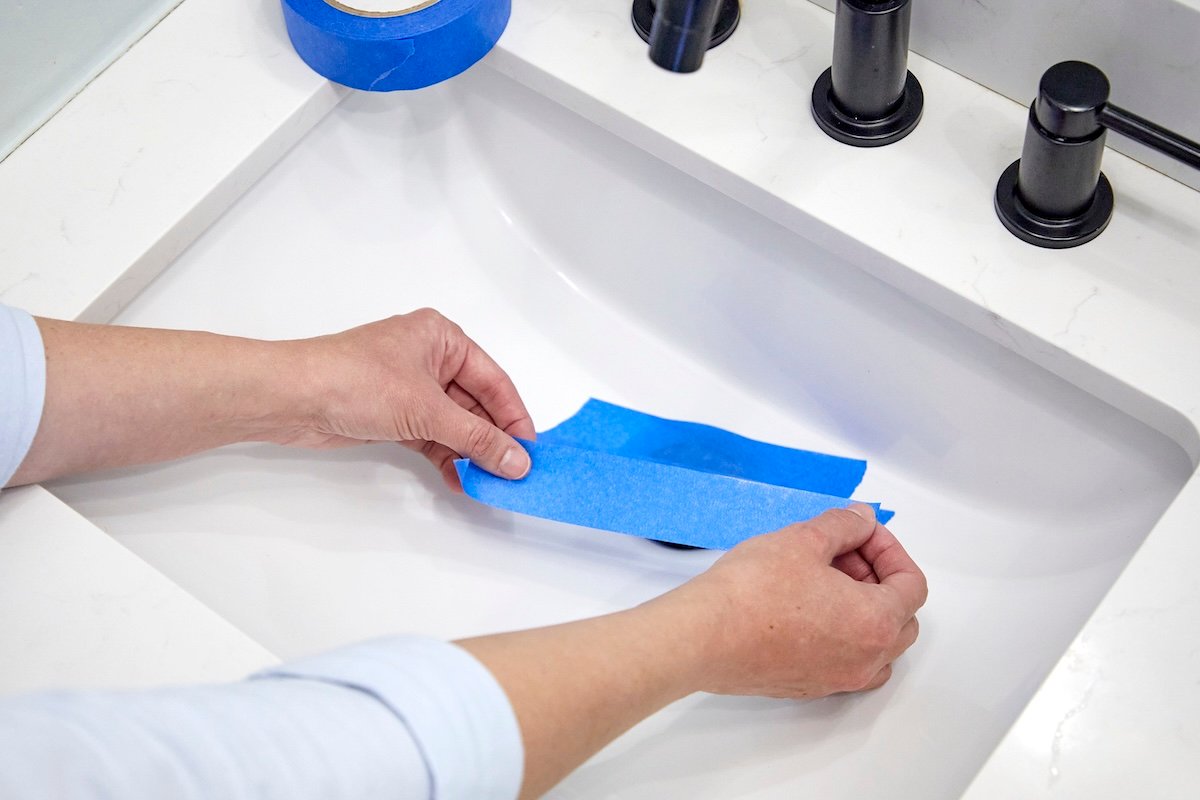
When applying the tape, ensure you leave small gaps or shape it into an "X" to allow necessary airflow while trapping emerging insects. Check every sink, tub, and floor drain in the home for several consecutive nights.
Step 2: Mechanical Cleaning with a Drain Snake or Brush
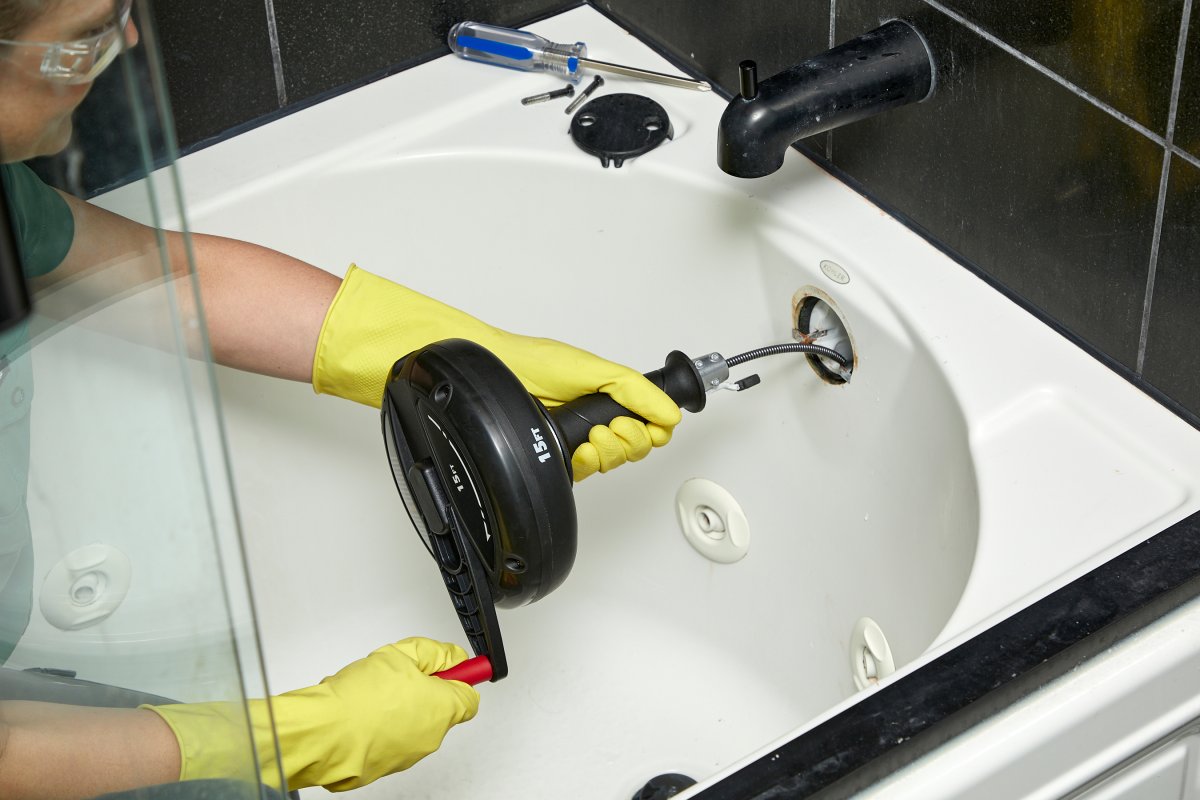
Once the problem pipe is isolated, eliminate the breeding zone manually. Run warm water down the fixture, then thread a flexible drain snake or specialized pipe brush into the opening. Use a gentle up-and-down scrubbing motion to scour the interior walls, dislodging the gelatinous slime.
For stubborn clogs, a traditional plunger can help draw out deep-seated debris. Alternatively, pouring a dry mixture of baking soda followed by white vinegar can create a foaming chemical reaction that naturally loosens organic buildup without harming your plumbing.
Step 3: Clearing and Sanitizing the U-Trap
The U-trap (or P-trap) located beneath your sink is designed to hold standing water, preventing toxic, foul-smelling sewer gases from entering your living space. Unfortunately, this stagnant pool also makes it a prime incubator for fly larvae.
To thoroughly clean the trap:
- Place a large bucket directly beneath the plumbing fixture to catch residual water.
- Carefully loosen the slip nuts on either side of the U-trap using a wrench or channel-lock pliers.
- Remove the pipe segment, empty its contents into the bucket, and scrub the interior clean with a bottle brush and dish soap.
- Reinstall the trap securely, ensuring all rubber washers are properly seated to prevent leaks.
Step 4: Deploying Enzymatic Cleaners
With the physical blockages and bulk slime cleared, pour a specialized enzymatic drain cleaner down the fixture. Unlike caustic acids, enzyme-based solutions utilize natural bacteria and proteins to safely consume and dissolve microscopic organic residues left behind in the pipe threads.

Products such as Green Gobbler’s enzymatic gel coat the interior pipe walls, providing residual protection against future blockages. Allow the formula to sit undisturbed for the duration specified on the manufacturer’s label before flushing the system with hot water.
Implications: Long-Term Prevention and Maintenance
Ridding your home of drain flies is a tangible victory, but maintaining a pest-free environment requires ongoing vigilance and proper home maintenance habits. If left unchecked, minor plumbing oversights can lead to recurring infestations within a matter of weeks.
Best Practices for Prevention
- Install Protective Strainers: Equip all bathroom and kitchen sinks with fine mesh strainers and hair catchers. These simple accessories prevent hair, food scraps, and large debris from entering the plumbing system in the first place.
- Address Leaks Promptly: Repair dripping faucets, sweating supply lines, and leaky pipe joints immediately. Standing water anywhere in the home—even in unused guest bathrooms or basement utility sinks—serves as an open invitation for passing insects.
- Regular Maintenance Rinses: Routinely flush rarely used drains with hot water or safe enzyme treatments to keep biofilm from accumulating in dark, undisturbed pipe branches.
By combining diligent inspection, mechanical pipe cleaning, and enzyme-based sanitation, homeowners can reclaim their living spaces and maintain a clean, hygienic, and completely fly-free plumbing system for years to come.
