

When summer temperatures soar and humidity levels spike, keeping a home comfortable without watching utility bills skyrocket becomes an annual challenge. While central air conditioning and heavy window AC units offer aggressive cooling, they also consume massive amounts of electricity. For homeowners looking for an energy-efficient, eco-friendly alternative to circulate air and take the edge off indoor heat, the humble window fan remains an unmatched household staple.
Modern window fans have evolved far beyond the noisy, single-speed metal boxes of the past. Today’s market features digitally controlled air circulators, automated thermostats, quiet brushless motors, and reversible airflow configurations. To help consumers navigate these options, product testing experts put 10 of the market’s highest-rated window fans through more than 50 hours of rigorous, hands-on evaluations.
Main Facts: What Makes a Great Window Fan?
Window fans mount securely into the bottom frame of a standard window, drawing in cool outdoor breezes or exhausting stale indoor air. Unlike traditional box fans that simply churn air around a single room, window fans actively manage indoor ventilation by exchanging indoor air with outdoor air.
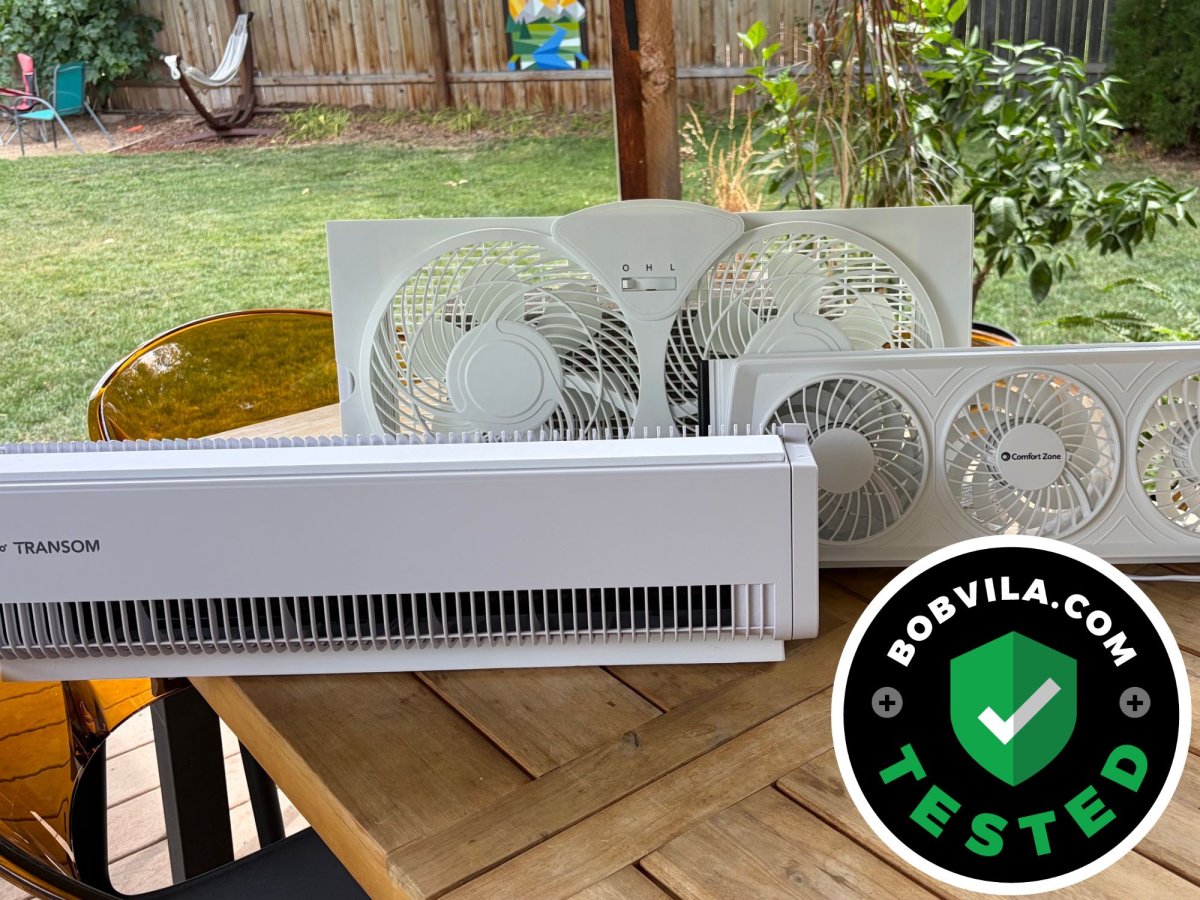
During the extensive testing process, reviewers evaluated models based on several core performance metrics:
- Ease of Installation: How simple it is to expand side panels, achieve a tight weather-tight seal, and secure the unit without extensive tools.
- Airflow and Circulation: Measured in cubic feet per minute (CFM), determining how effectively the fan moves air across small, medium, or whole-house spaces.
- Noise Level: Measured in decibels (dB), identifying units quiet enough for bedrooms and home offices versus heavy-duty options meant for utility spaces.
- Cleanability: Ease of accessing fan blades and grates to remove accumulated dust, pet dander, and outdoor debris.
- Value: Balancing price point against functional features like digital thermostats, remote controls, and independent dual-fan reversing capabilities.
The Top-Performing Picks at a Glance
- Best Overall: Genesis A1 Twin Window Fan
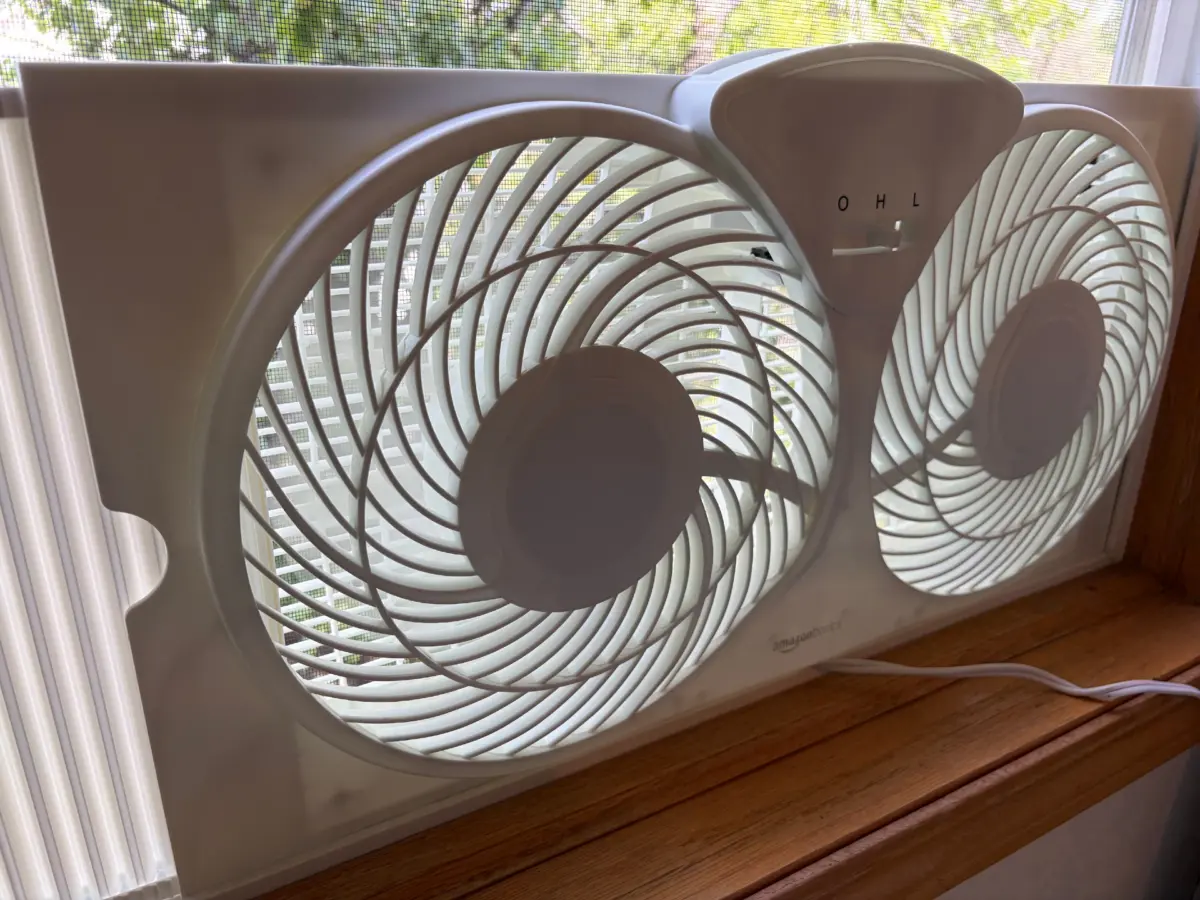
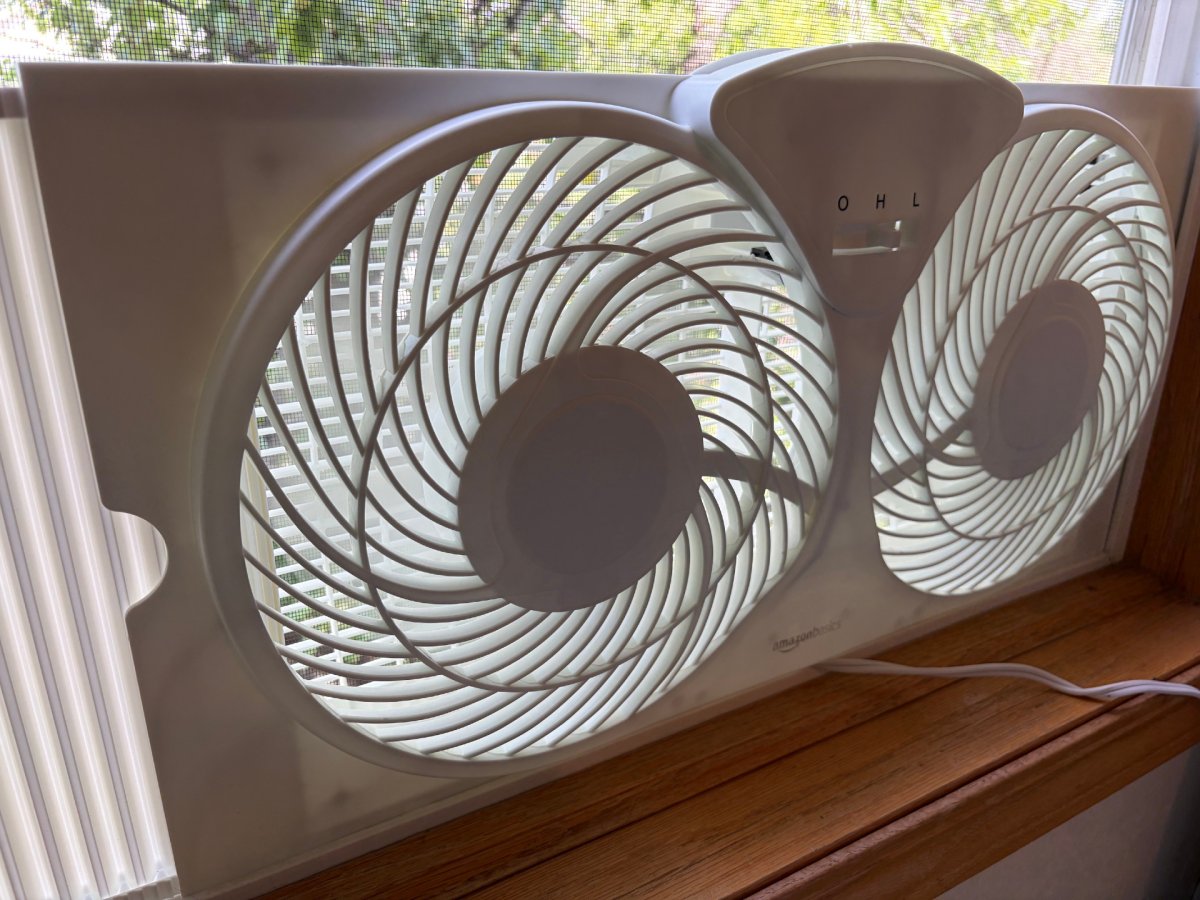
- Best Bang for the Buck: Amazon Basics Twin Window Fan
- Best Twin Fan: Comfort Zone 9-Inch Reversible Twin Window Fan
- Best Triple Fan: Comfort Zone 3-Speed Triple Window Fan
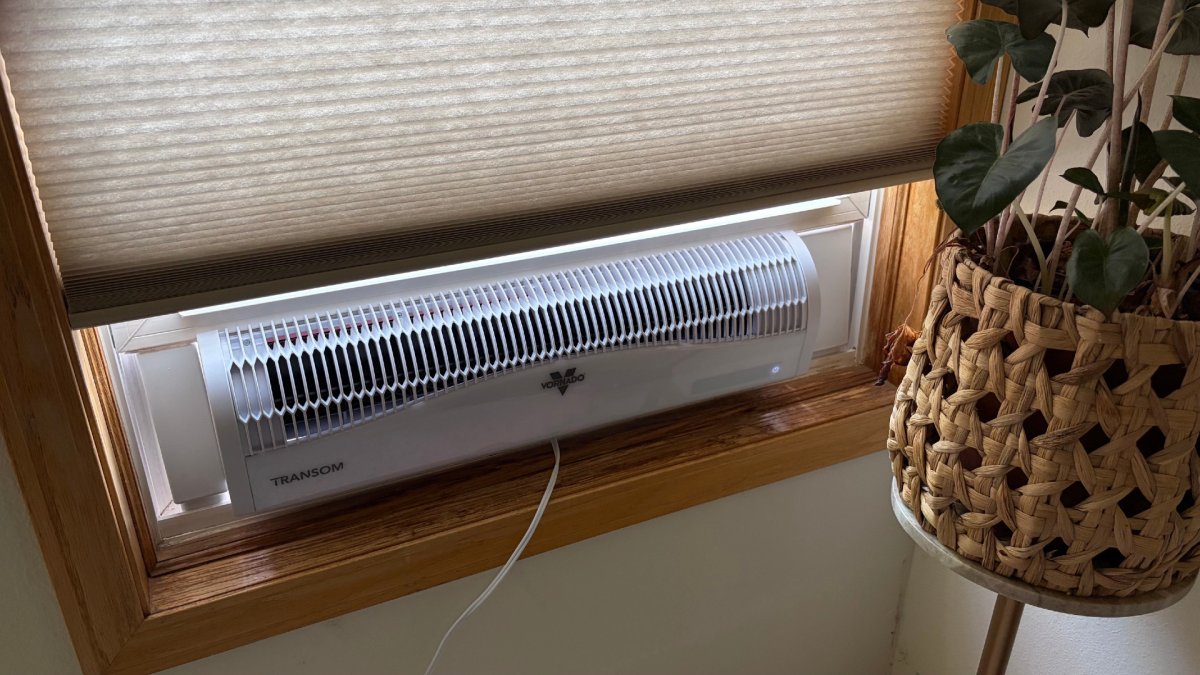
- Best Quiet Option: Vornado Transom Window Air Circulator
- Best Whole House: Air King 20-Inch Whole House Window Fan
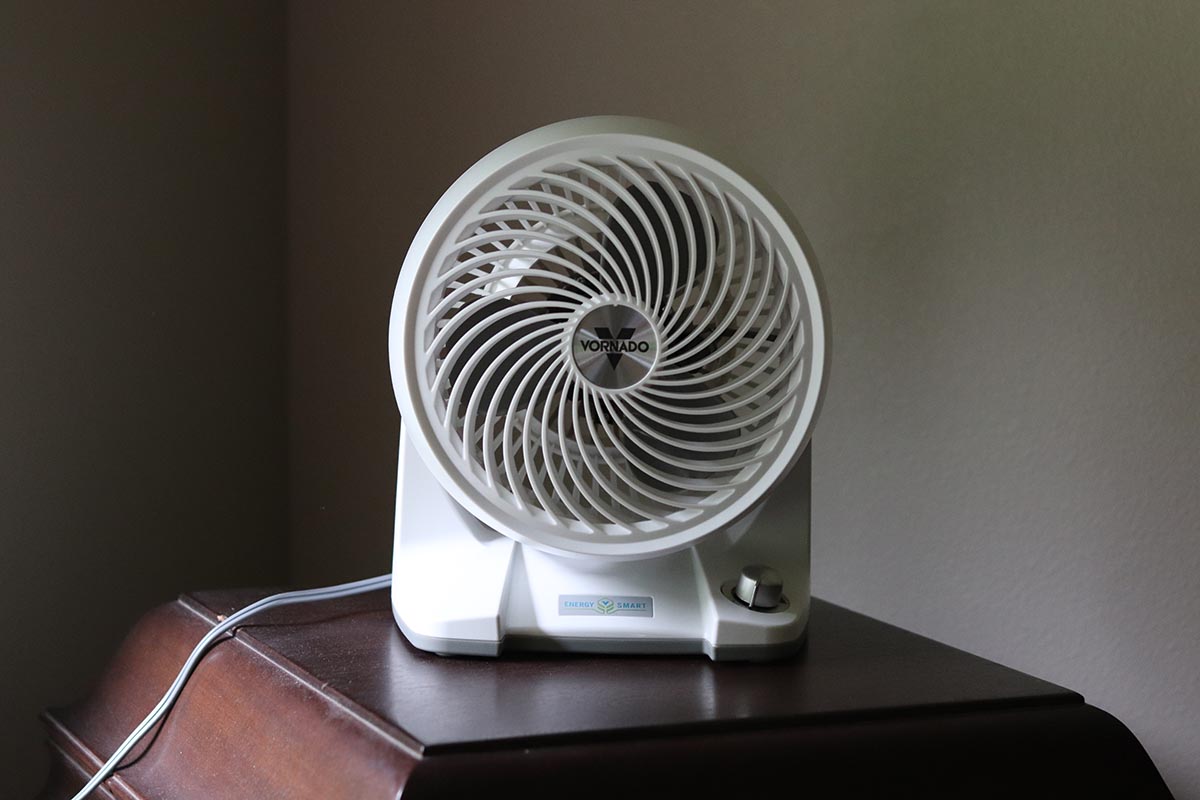
- Best Compact: Vornado Energy Smart Small Air Circulator Fan
- Best Portable: Treva 10-Inch Battery-Powered Portable Fan
Chronology: Putting 10 Top Models Through 50 Hours of Testing
To ensure unbiased and realistic results, testing coordinators deployed these cooling devices across various residential environments over a multi-week period.
Phase 1: Unboxing and Installation
Testing began with out-of-the-box setups. Reviewers assessed how quickly each unit could be mounted in standard double-hung windows. Models featuring intuitive, lockable accordion side panels—such as the Comfort Zone Twin and Amazon Basics—scored highest for quick, sub-5-minute installations. Conversely, heavy-duty whole-house models like the Air King required a more cumbersome installation process, demanding two people and physical screw-fastening to the window frame to manage its substantial weight.
Phase 2: Airflow and Performance Trials
Once installed, testers measured air velocity and cooling efficiency.
- The Air King Whole House Fan proved its mettle during an unexpected kitchen mishap that left a home filled with heavy cooking odors. Operating on its exhaust setting, the fan cleared the entire house within 10 minutes, easily exceeding its advertised cooling footprint of 1,310 square feet.
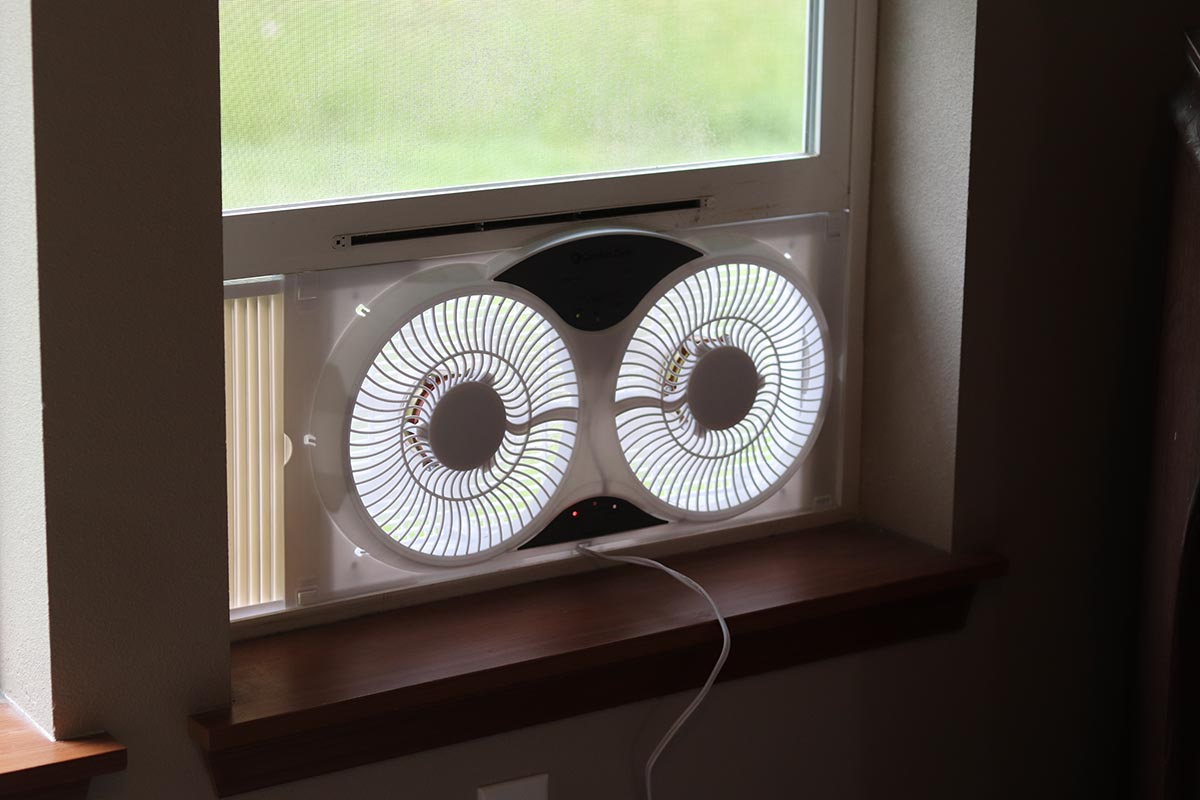
- The Genesis A1 stood out for its versatility, featuring independently reversible twin fans. While one fan pulled fresh night air inward, the other could be set to exhaust warm air, creating a balanced cross-breeze.
- The compact Vornado Energy Smart impressed testers by utilizing a signature spiral-shaped grate and a variable-speed brushless motor to project air up to 75 feet, disproving the notion that cooling power requires a massive footprint.
Phase 3: Noise and Convenience Evaluations
Decibel meters tracked sound outputs across low, medium, and high settings. The Vornado Transom emerged as the quietest traditional window-style unit, registering a whisper-soft 40 dB on low and capping out at 46 dB on high. Testers also evaluated digital thermostats, remote controls, and automatic shut-off features, noting that automated climate-sensing features allowed users to "set it and forget it" without constantly monitoring room temperatures.
Supporting Data: Understanding CFM and Energy Efficiency
When shopping for cooling solutions, understanding airflow metrics is essential to avoiding wasted energy.
The CFM Formula Explained
Airflow is measured in Cubic Feet per Minute (CFM). Purchasing the most powerful fan available is often counterproductive; an oversized fan running in a small bedroom wastes electricity and creates excessive noise.
Industry standards recommend calculating required CFM by taking the square footage of the room and adding an extra 50 CFM:
$$textRequired CFM = textRoom Square Footage + 50$$
For example, a standard 200-square-foot bedroom requires a fan rated for at least 250 CFM to maintain adequate air changes per hour.
Power Consumption vs. Air Conditioning
While small window air conditioners typically consume anywhere from 500 to 1,500 watts of electricity, standard window fans operate on a mere 50 to 100 watts. Utilizing a window fan during mild summer days or cool evenings drastically reduces reliance on central HVAC systems.
- Intake Mode: Ideal for evening and nighttime use, drawing cool outdoor air directly into the home to naturally lower interior temperatures.
- Exhaust Mode: Best deployed during peak daytime heat or after cooking, forcing hot air and stagnant odors outdoors.
Official Recommendations: Expert Insights on Selection and Maintenance
Product testers and home improvement veterans emphasize that choosing the right device requires aligning product specifications with specific household needs.
Key Buying Considerations
- Window Dimensions: Standard window fans fit openings between 26 and 38 inches wide. Slanted, casement, or vertical sliding windows require specialized vertical window fans or portable floor circulators.
- Weather Seals and Bug Screens: Gaps left around poorly fitting fans let in warm air and insects. Models equipped with expanding side panels, foam weather stripping, or built-in bug screens provide a cleaner, pest-free seal.
- Manual vs. Electric Reversibility: Manually reversible fans require the user to physically dismount and flip the unit to change airflow direction. Electrically reversible models allow direction changes via a switch or remote control, offering superior convenience.
Maintenance Best Practices
To maintain optimal airflow and motor longevity, routine cleaning is vital:
- Unplug the unit completely before servicing.
- Remove protective grates (where manufacturer design permits).
- Use a vacuum hose attachment with a soft dusting brush to clear lint and dust buildup from fan blades.
- Wipe down blades with a damp microfiber cloth, ensure all parts are completely dry, and reassemble.
Implications: Maximizing Home Comfort While Slashing Utility Bills
As global energy costs continue to fluctuate, homeowners are increasingly searching for low-cost, sustainable ways to maintain indoor comfort. Window fans represent an accessible, highly effective bridge between passive ventilation and energy-intensive air conditioning.
By strategically deploying intake fans on the coolest side of a house during the evening, and utilizing exhaust settings in upper-level or south-facing rooms during the afternoon, households can significantly reduce indoor temperatures. Coupled with smart thermostats and energy-efficient brushless motors, modern window fans prove that effective home cooling does not require a luxury budget or an inflated electric bill.
