

As summer temperatures rise and prolonged heatwaves sweep across the country, indoor comfort becomes a top priority for millions of households. For homes lacking central air conditioning, the window AC unit serves as a trusty and affordable line of defense against sweltering days and humid nights. While installing one of these heavy-duty appliances is well within the capabilities of a competent do-it-yourselfer, the process demands careful planning, precise measurements, strict adherence to safety protocols, and a solid understanding of structural support requirements.
Drawing on expert insights from HVAC professionals and seasoned home improvement specialists, this comprehensive guide explores the essential steps, crucial considerations, and safety measures required to successfully and securely install a window air conditioner.
Main Facts: What You Need to Know Before Buying
Before purchasing and hauling a cooling appliance home, homeowners must evaluate several regulatory, structural, and environmental factors. Skipping these preliminary checks can lead to code violations, property damage, or costly replacements.
1. HOA and Landlord Restrictions
While owners of single-family detached homes enjoy total freedom regarding window modifications, renters and residents living in condominiums, townhomes, or communities governed by a Homeowners Association (HOA) face strict oversight. Management boards frequently regulate exterior modifications to preserve building aesthetics and uniformity.
- Review the Bylaws: Check your development’s covenants, conditions, and restrictions (CCRs) or architectural guidelines before purchasing an AC unit.
- Height and Elevation Rules: Some associations prohibit window units on front-facing elevations or street-facing windows to maintain curb appeal.
- Liability Concerns: Buildings often ban window AC units entirely due to liability risks. An improperly secured appliance that dislodges and falls from a high floor poses a severe physical hazard to pedestrians below.
2. Choosing the Right Window
Not all windows are created equal when it comes to housing an air conditioner.
- Double-Hung Windows: These are the industry standard for window AC compatibility. They feature two vertical sliding sashes that can clamp down securely onto the top of the unit.
- Alternative Windows: Casement windows (which crank outward) and sliding windows (which open horizontally) require specialized AC units or custom plexiglass framing panels, making standard installations unfeasible.
3. Sizing, Dimensions, and BTU Requirements
Selecting an air conditioner is a delicate balancing act of dimensions and cooling capacity, measured in British Thermal Units (BTUs).
- Physical Fit: Measure the exact height and width of your window opening. Ensure the unit’s cabinet dimensions fall within these parameters, leaving room for mounting rails and side panels.
- BTU Matching: An undersized AC will run continuously without lowering the temperature, driving up electric bills. Conversely, an oversized unit will cool the room too quickly without adequately pulling moisture from the air, leaving the space feeling clammy and damp. Match the BTU rating directly to the square footage of your room using manufacturer guidelines or an online BTU calculator.
Chronology: Step-by-Step Installation Roadmap
Successfully executing a window AC installation requires a logical, sequential workflow. Rushing through the steps or ignoring preparatory measures is a recipe for disaster.
Phase 1: Preparation and Safety Setup (Steps 1–3)
- Clear the Hazard Zone: Before touching the unit, ensure that no people, children, or pets are walking or playing directly beneath the target window. Cover or relocate valuable patio furniture, plants, or vehicles parked below.
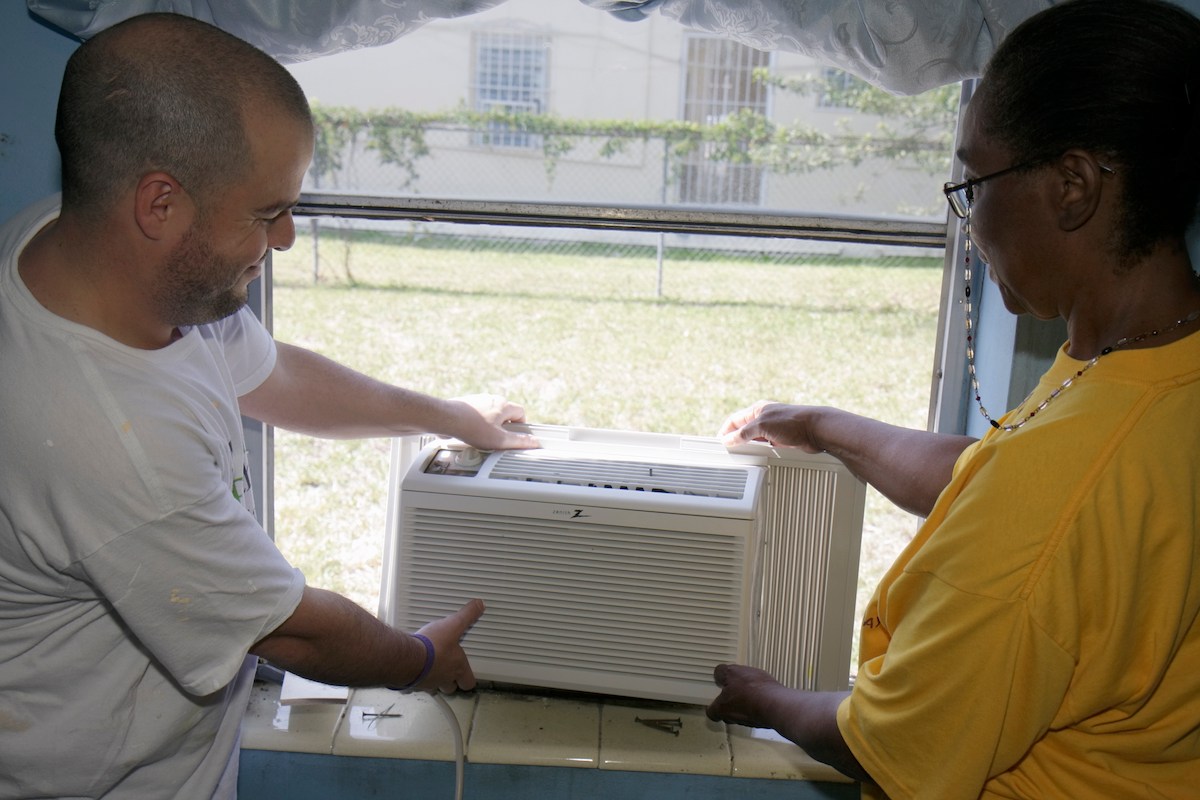
- Enlist a Helper: Micah Sherman, a virtual HVAC expert with the home maintenance platform Frontdoor, emphasizes that the single biggest mistake homeowners make is assuming installation is a solo project. "Window units can be heavier than they look," Sherman notes, citing that most weigh between 50 and 100 pounds. Having an extra set of hands prevents drops, injuries, and improper alignment.
- Clean and Clear the Window: Open the window fully, remove any screens, and thoroughly wipe down the glass, frame, and windowsill. Debris or grit can prevent a tight, level seal.
Phase 2: Structural Support and Brackets (Step 4)
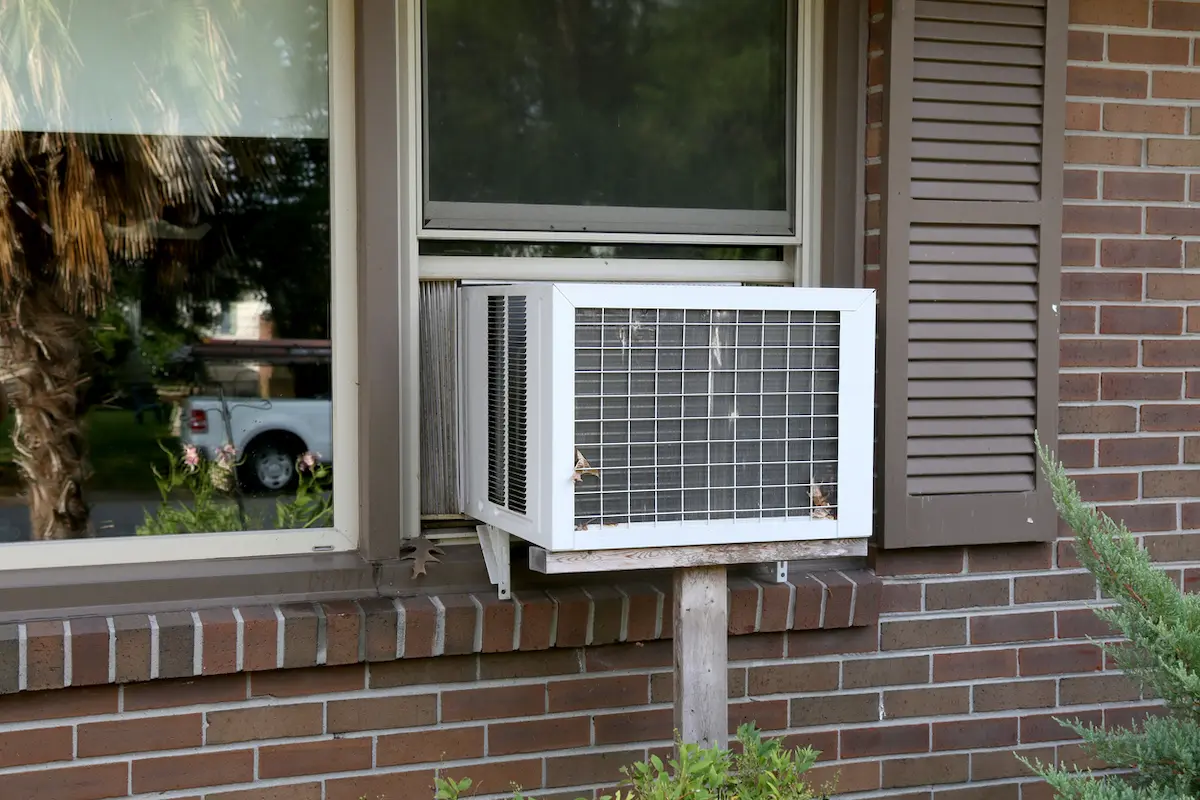
While lightweight, smaller units sometimes rely solely on the window sash for support, heavy units (typically over 50 to 100 pounds, or units installed in high-rise apartments) require exterior support brackets.
- Distributing Weight: Brackets relieve stress on the fragile glass and wooden window frame by transferring the unit’s weight directly to the exterior wall.
- Modern Options: No-drill brackets, such as the Ivation Window Air Conditioner Support Bracket, utilize expandable bars and rubber-tipped feet that rest against the exterior siding, making setup significantly faster and less invasive.
Phase 3: Securing the Chassis and Panels (Steps 5–6)
- Attach Mounting Rails: If your unit does not come pre-assembled, secure the top and bottom mounting rails using the manufacturer-provided screws, ensuring every fastener is completely tightened.
- Position the Unit: With your helper, carefully center the AC unit on the windowsill or support bracket. Lower the window sash down firmly behind the top mounting rail.
- Extend the Side Panels: Pull out the accordion-style side panels until they meet the inner edges of the window frame. Lock them into place and secure them with screws or weather-resistant fasteners to seal off outdoor air leaks.
Phase 4: Levelling and Sealing (Steps 7–8)
- Measure the Tilt: Unless explicitly instructed otherwise by the manufacturer, most window units require a very slight backward tilt (usually no more than half an inch) away from the interior of the home. This ensures that condensation drains properly outside rather than pooling on your indoor drywall or flooring. Use plastic shims under the base if necessary.
- Weatherproof and Test: Apply foam insulation strips and weatherstripping tape around gaps in the accordion panels and window sashes. Plug the unit into a dedicated, grounded electrical outlet, turn it on, and verify proper operation.
Supporting Data & Expert Insights
When navigating home improvement tasks, expert guidance bridges the gap between amateur mistakes and professional results.

- Weight and Ergonomics: Industry data shows that standard household window AC units average roughly 75 pounds. Maneuvering this dead weight at an elevated height while leaning out of a window presents a major fall risk, underscoring the necessity of a two-person team.
- The High-Rise Reality: In major metropolitan areas like New York City, local ordinances mandate the use of exterior metal support brackets for all window air conditioners. Failure to comply can result in steep municipal fines or landlord penalties.
- Pro Tip for Off-Season Efficiency: Paul Rankin, a contributing editor and experienced urban homeowner, shares a tried-and-true trick for cold climates: "Instead of taking my heavy window AC out completely in the winter, I secure it with an exterior bracket, cut a piece of rigid foam insulation board to fit snugly around the AC inside the frame, and seal the edges with removable weatherstripping tape. It blocks freezing drafts, lowers my heating bill, and saves me the back-breaking hassle of reinstalling it every summer."
Official Responses and Industry Standards
HVAC and safety organizations provide clear parameters regarding electrical safety and equipment handling when dealing with window-mounted cooling systems.
- Electrical Load Requirements: Because window air conditioners draw a substantial amount of current (especially during compressor startup), electrical safety standards dictate that high-capacity units (typically 12,000 BTUs and above) should be plugged directly into a dedicated 115-volt or 230-volt circuit. Avoid using cheap extension cords or multi-plug adapters, which can overheat and spark electrical fires.
- Professional Intervention: While the vast majority of consumer window units are engineered for DIY installation, experts agree that homeowners should defer to local handypersons or certified HVAC technicians under specific conditions:
- The window is located on a second or third-story level where exterior access is dangerous.
- The homeowner lacks the physical strength to manage heavy lifting.
- The home’s electrical wiring is outdated and unable to support the amperage demands of modern inverter compressors.
Implications: Energy Efficiency, Home Safety, and Aesthetics
The installation of a window air conditioner extends far beyond immediate temperature relief; it carries long-term implications for household safety, energy consumption, and property upkeep.
1. Safety and Structural Integrity
The most critical implication of a poorly executed installation is structural failure. A dropped AC unit not only destroys an expensive appliance but can cause catastrophic injury to anyone standing below. Utilizing rated support brackets and enlisting a second person during setup are non-negotiable safety practices.

2. Energy Consumption and Utility Costs
A properly sealed and correctly sized window AC unit operates efficiently, cycling on and off at appropriate intervals to maintain steady indoor humidity and temperature levels. Conversely, improper sealing allows hot outdoor air to leak around the unit’s perimeter, forcing the compressor to work overtime and driving up monthly utility bills.
3. Property Maintenance and Weatherproofing
Leaving gaps unsealed invites more than just warm air—it creates entry points for rainwater, insects, and outdoor pollutants. By investing time in proper weatherstripping, foam insulation, and correct unit tilting, homeowners protect their window frames from wood rot and moisture damage, ensuring both cool summers and cozy, draft-free winters.
