

By the Technical Editorial Team
Special Commentary and Insights Courtesy of Joe Marchese, Senior Field Support Engineer, Heatcraft Refrigeration Products
Main Facts: Understanding the Mechanics of Condensate Drainage Failures
In the complex ecosystem of heating, ventilation, air conditioning, and refrigeration (HVAC/R) systems, proper moisture management is critical to protecting equipment, preventing property damage, and maintaining sanitary conditions. When an evaporator coil removes humidity from the air, condensate water collects in a drain pan and must be safely evacuated from the unit.
When a condensate line fails to drain properly, technicians instinctively reach for clearing tools, nitrogen tanks, or chemical flushes, operating under the assumption that a clog is to blame. While biological growth, debris, and structural blockages are indeed the most common culprits, they are far from the only ones.
According to HVAC/R field experts, structural piping errors—specifically improper sloping and the notorious phenomenon of "double trapping"—frequently mimic the symptoms of a clogged drain line. On horizontal runs, industry standards consistently recommend a minimum slope of at least one-quarter inch per linear foot to guarantee gravity-assisted flow. Furthermore, the P-trap itself must possess sufficient depth to overcome the specific static pressure generated by the evaporator fan. In low-temperature applications like walk-in freezers, frozen drain lines caused by failed heating elements present yet another persistent challenge.
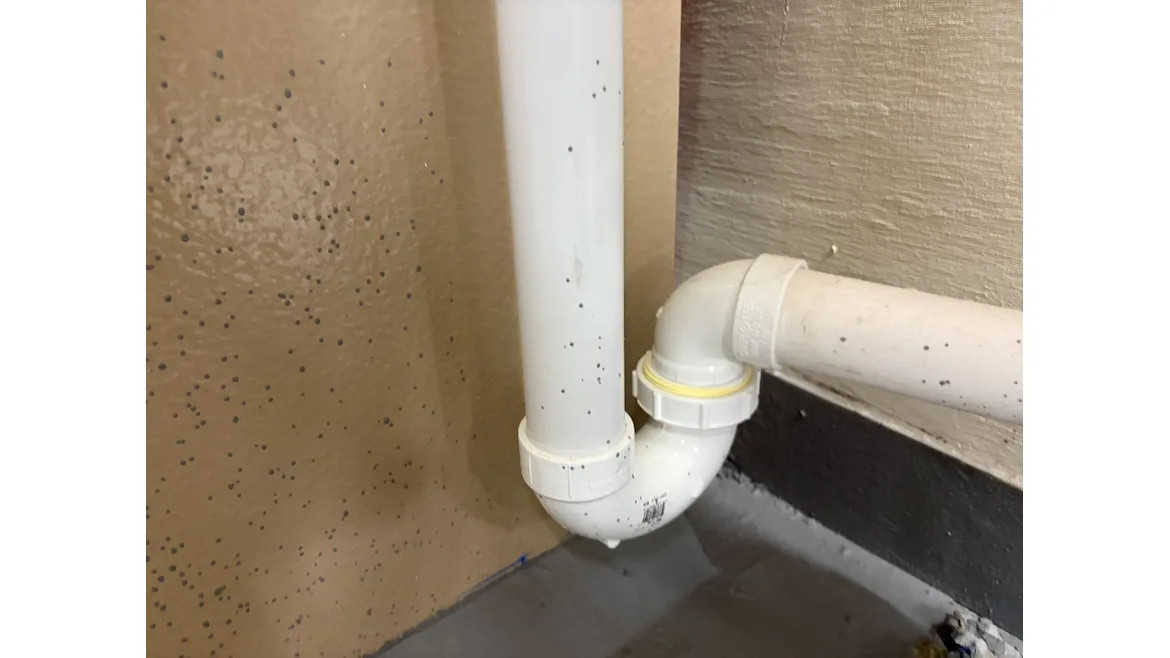
However, when a system is entirely free of clogs, ice, and saggy piping yet still refuses to drain, technicians must look closer at the geometry of the drainage run. A less common, highly deceptive cause of drainage failure is a double-trapped condensate line. This configuration flaw occurs when a second physical trap is inadvertently installed downstream of the primary trap, or when a long horizontal run sags, creating an unintentional low spot that acts as a secondary water seal. Because condensate drainage relies entirely on a delicate balance of internal and external pressures, the introduction of a second trap shatters that equilibrium, creating a hydraulic lock that brings water movement to a complete halt.
Chronology: How Negative Pressure and Hydraulic Locks Develop
To understand why a double-trapped line fails, it is helpful to trace the chronological sequence of events that occur from the moment a refrigeration or air conditioning system cycles on to the eventual overflow of the drain pan.
- System Startup and Fan Activation: When the evaporator blower activates, it pulls warm air across the cold coil. In many modern air handlers and walk-in cooler evaporators, this configuration places the drain pan area under a pronounced negative pressure.
- The Need for a Primary Seal: Because of this negative pressure, the system requires a properly sized and primed P-trap. The water that pools inside this initial trap creates an airtight seal, effectively isolating the negative pressure zone of the evaporator coil from the neutral atmospheric pressure found further down the drain line. Without this trap, the fan would pull ambient air backward through the drain pipe, disrupting airflow across the coil and preventing water from leaving the pan.
- The Introduction of the Secondary Trap: Complications arise when a second trap is introduced—either through installer error (adding an extra P-trap where one already exists) or environmental settling (a long horizontal pipe sagging over time).
- The Formation of a Pressure Pocket: Once the second trap fills with water, it creates its own secondary water seal. The isolated section of pipe situated between the first and second traps transforms into a sealed pressure pocket.
- The Tug-of-War (Hydraulic Lock): With the evaporator side operating under negative pressure and the downstream side exposed to normal atmospheric pressure, the two water seals begin a physical tug-of-war. The negative suction from the evaporator fan tries to pull the water backward toward the coil, while the downstream trap stubbornly holds its water in place.
- Total Drainage Stagnation: Trapped between opposing forces, the water loses its forward momentum. Unable to move forward into the drain or backward into the coil, the water stalls completely. As the evaporator continues to strip moisture from the air, the drain pan rapidly fills, eventually overflowing into the conditioned space or freezing solid in low-temperature environments.
Supporting Data and Technical Analysis: Unstable Pressure Dynamics
A functioning condensate drainage system is a study in fluid dynamics and pressure differentials. Under optimal conditions, the pressure at the evaporator drain pan gently pushes water through a single, well-designed trap and out into the building’s drainage infrastructure. The pressure differential in a single-trap system is predictable, stable, and self-regulating.
When a second trap is introduced, that predictability vanishes. The pressure differential becomes violently unstable. The negative pressure from the evaporator pulls water upward into the discharge side of the first trap. However, because the second trap completely blocks ambient air from entering the line, there is no mechanism to equalize the pressure within the intermediate piping segment.

In fluid mechanics, air movement and pressure equalization are prerequisites for gravity drainage in closed systems. Without air entering the system to break the vacuum, water cannot move downstream.
Common Symptoms of a Double-Trapped Line
Because the physical manifestations of a double trap mimic traditional blockages, technicians often fall into diagnostic traps of their own. Typical field indicators include:
- Continuous Pan Overflow: Water spills over the edges of the drain pan despite the pan and lines being entirely clean of debris.
- Gurgling or Sucking Noises: Air attempting to force its way past the water seals can create audible bubbling or whistling sounds near the evaporator unit.
- Intermittent Drainage: The system may appear to drain slowly during specific operational cycles when fan speeds or pressures fluctuate, only to back up completely during peak loads.
- Premature Coil Freezing: In refrigeration units, standing water trapped in the pan due to pressure locks quickly turns to ice, exacerbating airflow restrictions and driving up energy consumption.
Official Recommendations and Expert Insights from Joe Marchese
Joe Marchese, senior field support engineer at Heatcraft Refrigeration Products, emphasizes that field technicians must expand their diagnostic checklists beyond simple clogs.
"Before taking the time to clean out a condensate drain line with nitrogen or harsh chemicals, technicians need to step back and examine the physical piping layout," advises Marchese. "Ensure there are no hidden double traps occurring from a secondary physical fitting or a structural sag in a long horizontal run."
Marchese outlines a three-step pre-service verification protocol for technicians facing persistent drainage issues:
- Visual Piping Inspection: Trace the entire route of the condensate line from the evaporator drain connection to the building discharge point. Check for unauthorized secondary traps, check valves installed improperly, or long horizontal spans lacking adequate hangers.
- Slope Verification: Confirm that all horizontal runs maintain a continuous downward slope of at least one-quarter inch per linear foot. Even minor leveling errors can create micro-traps that initiate pressure-locking conditions.
- Trap Depth and Rating Analysis: Verify that the primary P-trap is deep enough to withstand the maximum negative static pressure generated by the evaporator fan when the filters are dirty or airflow is restricted. A shallow trap will simply blow out or suck dry, leading to air leakage and drainage failure.
Broader Implications for the HVAC/R Industry
The persistent issue of double-trapped condensate lines highlights a broader training and installation challenge within the HVAC/R service sector. As energy efficiency standards tighten, air handlers, variable-speed blowers, and refrigeration units are operating under increasingly dynamic pressure ranges. Equipment designs are more sensitive than ever to external piping configurations.
When installation contractors rush through commercial fit-outs or residential replacements, nuanced plumbing details—such as proper trap sizing, venting, and support bracing for PVC or copper drain lines—are frequently overlooked. The resulting service callbacks cost contracting companies thousands of hours in unproductive labor, while building owners suffer from equipment downtime, water damage, and inflated utility bills.
By shifting industry mindsets away from blind reactive maintenance (e.g., automatically blowing out lines) and toward comprehensive root-cause analysis, service teams can dramatically improve first-time fix rates. Educating apprentices and veteran technicians alike on the physics of negative pressure zones and hydraulic locking ensures that drainage systems are installed right the first time—saving time, protecting equipment assets, and upholding professional engineering standards across the trade.
