

By Brad Bourque
Technology and Commerce Journalist
In an era defined by endless digital scrolling, cloud backups, and high-resolution smartphone camera sensors that capture millions of pixels in a fraction of a second, a quiet counter-revolution is taking place. People are increasingly seeking imperfection, tangibility, and the raw, unadulterated charm of the physical world. While smartphones offer unmatched convenience and computational photography wizardry, they lack the soul, the anticipation, and the sheer tactile satisfaction of analog instant photography.
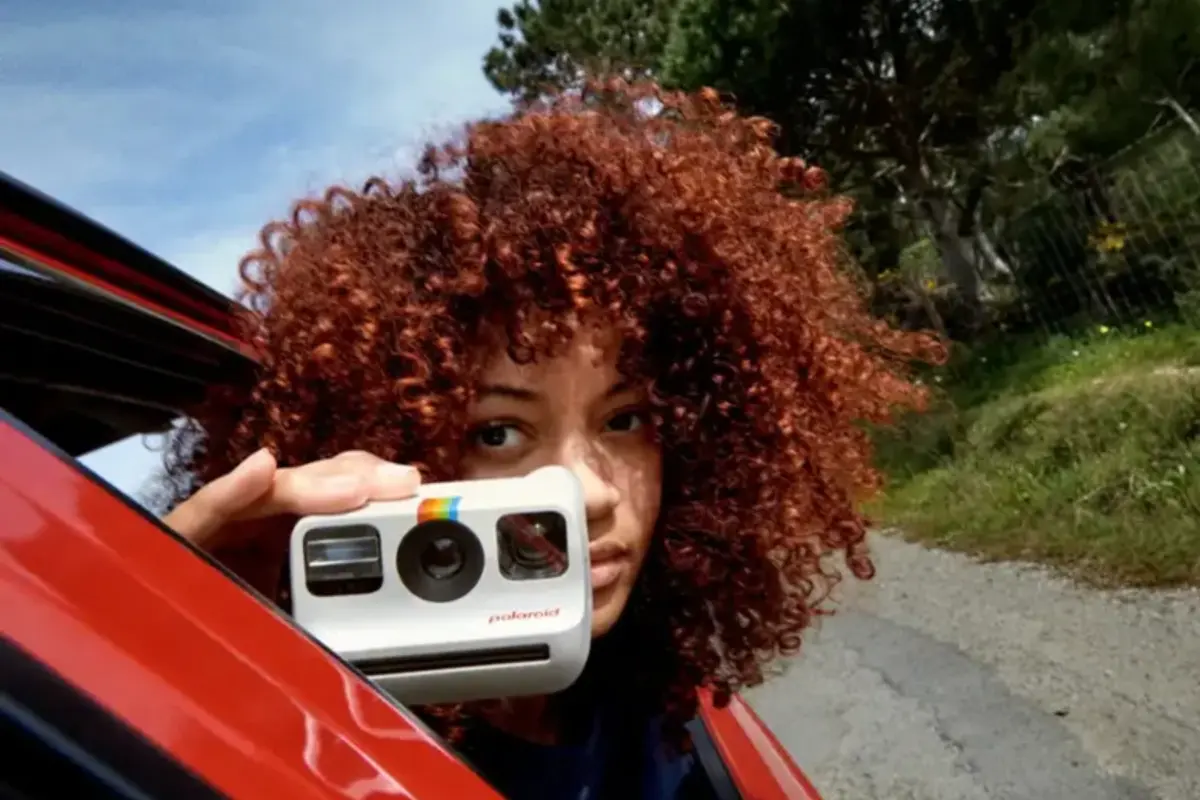
For those looking to trade digital perfection for tangible memories, Amazon is currently offering a compelling entry point. The retail giant has slashed the price of the Polaroid Go Generation 2 instant camera bundled with a 16-photo film pack down to just $71.99, a steep discount from its standard MSRP of $109.99. This represents the lowest price ever recorded for this specific bundle. To put the deal into perspective, a standalone pack of Polaroid Go film typically retails for $21.99 on its own—meaning buyers are not only getting a historic discount on the hardware, but they are also securing a bundled package that costs four dollars less than purchasing the camera body by itself.
Main Facts: What the Deal Entails
The current Amazon promotion brings together one of the most portable analog cameras on the market with enough film to get shutterbugs started immediately.
- The Product: Polaroid Go Generation 2 Instant Camera + 16-Photo Film Pack Bundle.
- The Price: $71.99 (down from the regular $109.99 list price).
- The Savings: A total discount of $38, representing an all-time low for this specific kit.
- Standout Value: Buying the bundle is actually cheaper than purchasing the camera alone, considering standard retail pricing and the inclusion of two packs of specialized film.
- Key Upgrades of Gen 2: The second-generation Polaroid Go features a wider aperture range, precise light metering, a built-in selfie mirror, a self-timer, and a modern USB-C charging port.
Chronology: The Evolution of Instant Photography and the Rise of "Tiny Analog"
To understand why the Polaroid Go Generation 2 is generating significant buzz among tech enthusiasts and casual photographers alike, it helps to look at the timeline of how instant photography has evolved over the decades.
The Golden Age and Near-Demise (1948–2008)
- 1948: Edwin Land introduces the Polaroid Model 95, the world’s first commercial instant camera, changing photography forever by delivering a developed physical print in under a minute.
- 1970s–1990s: Iconic models like the Polaroid SX-70 and the OneStep cement instant film as a cultural touchstone for family gatherings, street photography, and artistic experimentation.
- 2001–2008: The rise of digital photography dramatically cuts into film sales. In 2008, Polaroid announces the cessation of production for all traditional instant film, sparking panic among loyalists.
- The "Impossible Project" (2008): A dedicated group of former employees rescues an abandoned Polaroid factory in Enschede, Netherlands, slowly reverse-engineering the chemical formulas to keep analog instant photography alive. By 2017, the company officially rebrands as Polaroid.
The Modern Renaissance and the Birth of Polaroid Go (2020–Present)
- April 2020: In the midst of a global pandemic that drives a massive surge in nostalgic hobbies, Polaroid drops its classic branding and refocuses on hardware innovation.
- April 2021: Recognizing that traditional Polaroid cameras (and their large, square photos) are bulky to carry around, Polaroid introduces the Polaroid Go—touted as the world’s smallest analog instant camera.
- Summer 2023: Polaroid releases the Polaroid Go Generation 2. Building on user feedback from the first iteration, Gen 2 introduces a wider aperture range, improved exposure accuracy, and a transition to USB-C charging.
- Present Day: Retail promotions like Amazon’s current $71.99 bundle bring the barrier to entry lower than ever, capturing a new generation of creators who grew up exclusively with smartphones.
Supporting Data: Specifications and Hardware Breakdown
While novelty often drives sales in the instant camera market, hardware specifications dictate whether a camera is actually fun to use or simply sits on a shelf collecting dust. The Polaroid Go Generation 2 packs considerable engineering into a shell that measures just 4.1 x 3.3 x 2.4 inches.
Scale and Portability
The most defining characteristic of the Polaroid Go series is its size. Traditional Polaroid formats (such as i-Type or 600 film) produce photos measuring 88mm x 107mm—magnificent for framing, but notoriously difficult to slip into a pocket or tuck into a phone case.
- The Go Format: The Polaroid Go film measures a diminutive 53.9mm x 66.6mm, with an active image area of 47mm x 46mm.
- Practical Application: This credit-card-adjacent sizing makes the prints exceptionally well-suited for traditional photo albums, sticking onto bedroom bulletin boards, or sliding securely behind a transparent smartphone case.
Optics and Battery Performance
Despite its pint-sized footprint, the Generation 2 model brings several crucial internal refinements:
- Aperture & Shutter: Features a dynamic shutter speed range and a wider aperture range to better handle low-light situations without immediately blowing out highlights.
- Built-in Flash: A manually toggled or automatic flash helps illuminate indoor scenes.
- Creative Tools: Includes a built-in selfie mirror on the front housing, a functional self-timer for group shots, and a double-exposure mode for artistic experimentation.
- Power Management: Unlike vintage cameras that relied on batteries built directly into disposable film packs, the Go Gen 2 runs on a rechargeable lithium-ion battery charged via a modern USB-C port. A single full charge boasts enough endurance to shoot up to 15 packs of film (roughly 240 photos), minimizing battery anxiety during trips or parties.
Official Responses and Industry Perspectives
Major stakeholders in the instant photography market have consistently emphasized that products like the Polaroid Go are not meant to compete with smartphones on technical image quality, but rather to offer an entirely different psychological and creative experience.

In various product launch statements and interviews, Polaroid executives have noted that younger demographics—particularly Gen Z and younger Millennials—are driving the analog renaissance. Weary of algorithmic social media feeds where photos are instantly filtered, edited, stored in the cloud, and easily forgotten, consumers are gravitating toward physical media that forces mindfulness.
"When you take a picture with a smartphone, you take twenty of them, pick the best one, apply a digital filter, and post it online where it vanishes into an endless stream," noted one consumer electronics analyst based in Seattle. "When you press the shutter on an instant camera, there is a financial cost per frame and a physical reality to the print. You have to wait for it to develop. That intentionality changes how people capture moments."
Furthermore, retail partners like Amazon have leaned heavily into bundling strategies during back-to-school and holiday shopping seasons, recognizing that the primary hurdle for new analog photographers isn’t the cost of the camera body itself, but the recurring ongoing cost of purchasing film packs. By bundling 16 exposures directly into the $71.99 price tag, Amazon effectively removes the immediate friction of having to buy consumables separately.
Implications: Why This Deal Matters for Consumers and the Market
The drop of the Polaroid Go Generation 2 bundle to $71.99 carries several broader implications for both casual shoppers and the wider consumer electronics landscape.
1. Lowering the Barrier to Entry for Analog Hobbies
Analog photography has historically suffered from a perception of high cost. Between purchasing specialized cameras, film stock, and dealing with development fees (in traditional film photography), it can quickly become an expensive hobby. By packaging a modern, user-friendly instant camera with two packs of film for roughly the price of a standard video game, Polaroid and Amazon are democratizing access to tactile creativity.
2. The Psychology of "Slow Tech"
As artificial intelligence begins generating hyper-realistic images instantly and smartphones rely more on computational enhancement than optical physics, human psychology is pushing back in the form of "slow tech." Devices that embrace limitations—such as grainy focus, unpredictable lighting, and physical constraints—are finding massive audiences. The Polaroid Go Gen 2 thrives precisely because it is not a smartphone. It forces the user to live in the moment, accept imperfections, and hand over a physical token of friendship or memory to someone else.
3. Sustainability and Reusability
Unlike the disposable cameras of the 1990s, which contributed immense amounts of plastic waste to landfills once their film was exhausted, modern instant cameras like the Polaroid Go represent a sustainable middle ground. Built with durable plastics, powered by rechargeable USB-C lithium batteries, and kept relevant through firmware and optical refinements, these cameras are designed to last for years. Users simply purchase eco-conscious film packs as needed, drastically reducing electronic waste while preserving the magic of physical media.
Conclusion
For anyone looking to capture summer vacations, autumn gatherings, or everyday moments with a touch of retro charm, the current Amazon promotion on the Polaroid Go Generation 2 bundle represents an exceptional value. At an all-time low price of $71.99 with 16 photos included, it offers a rare combination of modern reliability, pocket-friendly portability, and old-school analog magic.
