

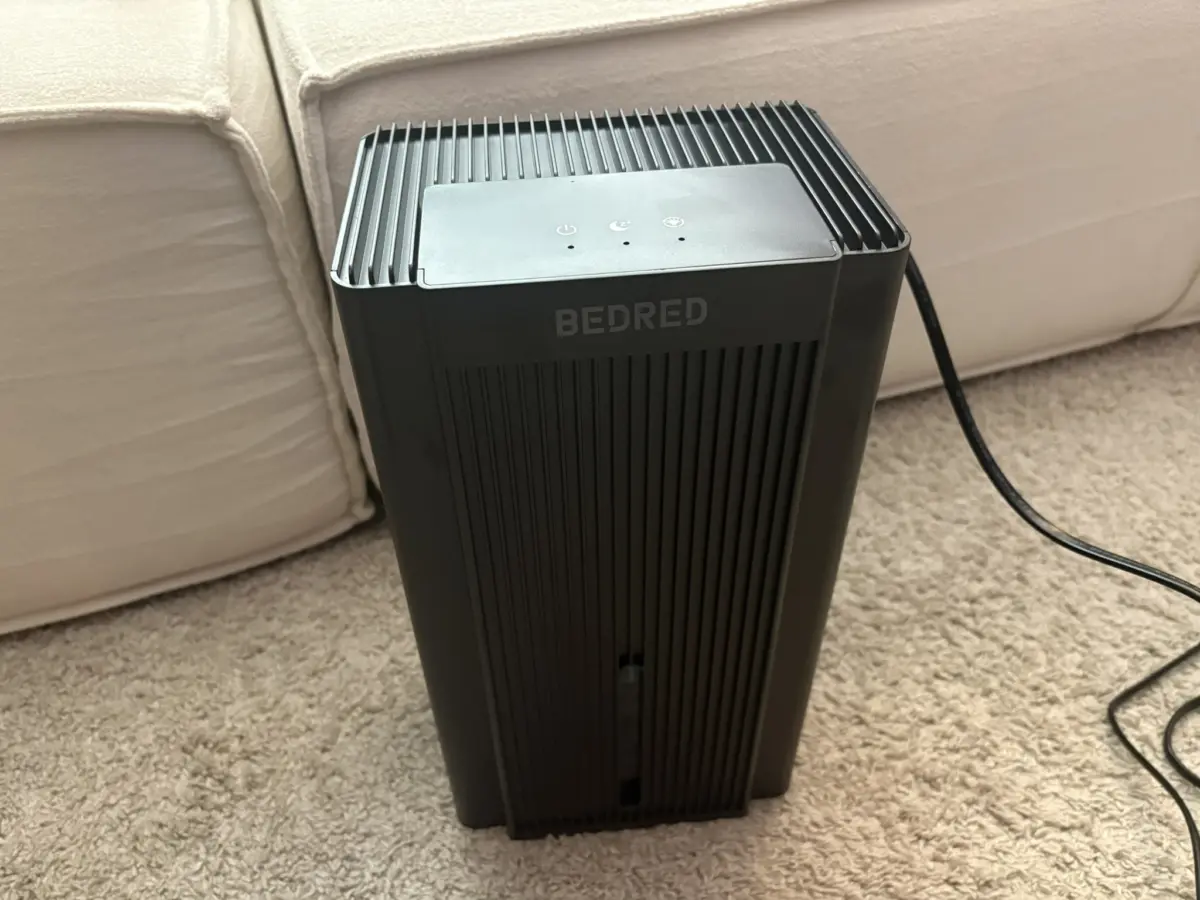
Excess indoor humidity is more than just an atmospheric annoyance that leaves living spaces feeling sticky and oppressive; it is a structural hazard. High indoor moisture content creates a welcoming microclimate for mold colonies, dust mites, and destructive pests, while simultaneously forcing heating, ventilation, and air conditioning (HVAC) systems to work significantly harder to maintain thermal comfort.
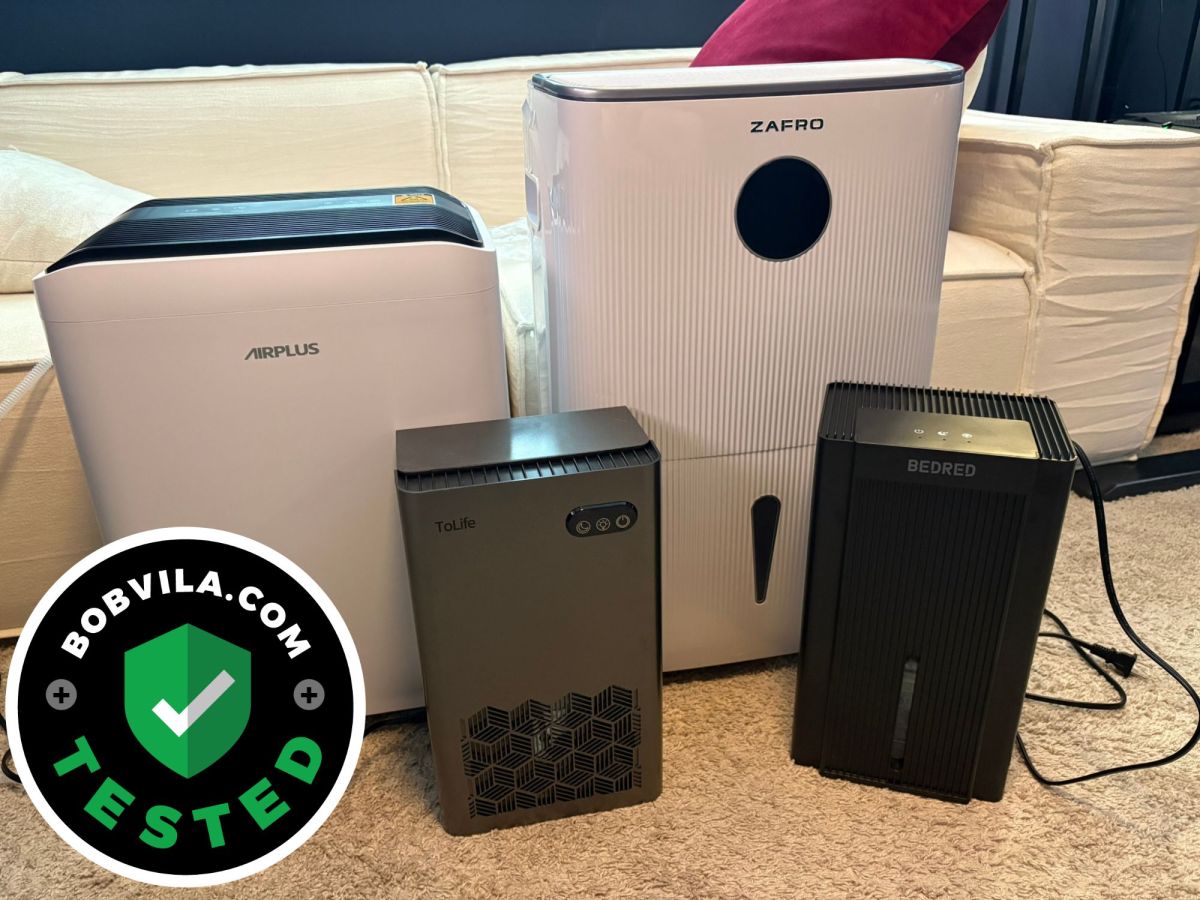
To help homeowners navigate the crowded market of climate-regulation appliances, a team of product testing experts spent over six weeks evaluating 15 of the market’s leading dehumidifiers. By running these units through rigorous, real-world simulations—ranging from damp, subterranean basements to drafty crawl spaces and humid garages—analysts uncovered which models truly deliver on their performance promises.
Main Facts: The Scope of the Testing Project
The extensive evaluation project was designed to identify standout models across various categories, including high-capacity whole-room units, compact bedroom models, and specialized cold-room devices.
- Testing Duration: 6 intensive weeks of continuous and intermittent operation.
- Scope of Evaluation: 15 distinct models chosen from an initial pool of over 40 options across 10 major manufacturers.
- Total Moisture Extracted: Approximately 2,500 pints of water pulled from test environments.
- Price Spectrum: Tested units ranged widely from budget-friendly $50 thermoelectric models to high-end $1,500 whole-house and commercial-grade systems.
- Primary Testing Ground: A large, open basement with ambient humidity levels fluctuating dramatically between 40 and 70 percent.
Each appliance was judged on four core metrics: ease of use, effectiveness, operating noise, and overall value. Testers also monitored air quality improvements, sensory changes in odor and atmosphere, and the practical utility of secondary features like continuous drainage and Wi-Fi connectivity.
Chronology: How the 6-Week Evaluation Unfolded
Conducting a multi-week stress test on climate appliances requires a structured, step-by-step methodology to ensure fair comparisons.
Week 1: Unboxing and Baseline Assessments
Upon arrival, all 15 dehumidifiers were unpacked, cataloged, and inspected for build quality, control interfaces, and design ergonomics. Initial baseline humidity readings were established across testing zones using calibrated hygrometers. Testers recorded the out-of-the-box setup time, noting whether assembly required professional intuition or trial-and-error due to murky instruction manuals.
Weeks 2 through 4: High-Humidity Basement Trials
The core of the testing phase took place in a chronically damp basement. Every unit was deployed sequentially for a mandatory 7-day run cycle. Testers logged:
- Daily water collection volumes (measured via bucket weights and continuous drain outputs).
- Response times to reach target humidity levels.
- Decibel outputs recorded at various fan speeds using professional sound meters.
- The frequency of required bucket emptyings for non-drained setups.
Weeks 5 and 6: Specialized Environment Testing
During the final two phases, units were rotated into challenging, specialized environments:
- Crawl Spaces: Evaluated for structural durability, continuous gravity-drain reliability, and coil frost resistance.
- Garages and Unheated Rooms: Tested for cold-temperature performance, specifically looking at how refrigerant versus desiccant technologies handled ambient drops.
- Bedrooms and Nurseries: Assessed for acoustic disturbance, night-light functionality, and the true effectiveness of dedicated "sleep modes."
Supporting Data: Top-Performing Dehumidifiers at a Glance
Based on rigorous rubric scoring (graded out of 5 points across categories), several models emerged as definitive industry leaders.
1. Best Overall: Frigidaire Gallery 2-in-1 50-Pint Dehumidifier
- Effectiveness: 5/5 | Noise: 5/5 | Ease of Use: 4.7/5 | Value: 4.7/5
- Key Specs: Removes 50 pints daily; covers up to 4,500 square feet; Energy Star–certified; features advanced air filtration and Wi-Fi connectivity compatible with Alexa and Google Home.
- Tester Insight: Praised for being the quietest high-capacity unit tested. Its lightweight, compact frame paired with a wheeled base made repositioning effortless.
2. Best for Crawl Spaces: AprilAire E070 70-Pint Dehumidifier
- Effectiveness: 4.5/5 | Noise: 5/5 | Ease of Use: 5/5 | Value: 4.7/5
- Key Specs: Bucketless design; removes 70 pints daily; corrosion-resistant aluminum coils; gravity-drain compatible.
- Tester Insight: Reduced crawl space humidity from 70 percent down to 49 percent within 24 hours. Installation took a mere 15 minutes.
3. Best for Large Rooms & Basements: Hisense 60-Pint with Built-In Pump
- Effectiveness: 5/5 | Noise: 5/5 | Ease of Use: 4.7/5 | Value: 4.3/5
- Key Specs: 3-speed fan; built-in condensate pump allowing elevated drainage; heavy-duty compressor.
- Tester Insight: The heavy-hitter of the group (weighing 57 pounds), it cleared room humidity faster than any other portable model evaluated, though moving it up stairs requires genuine physical effort.
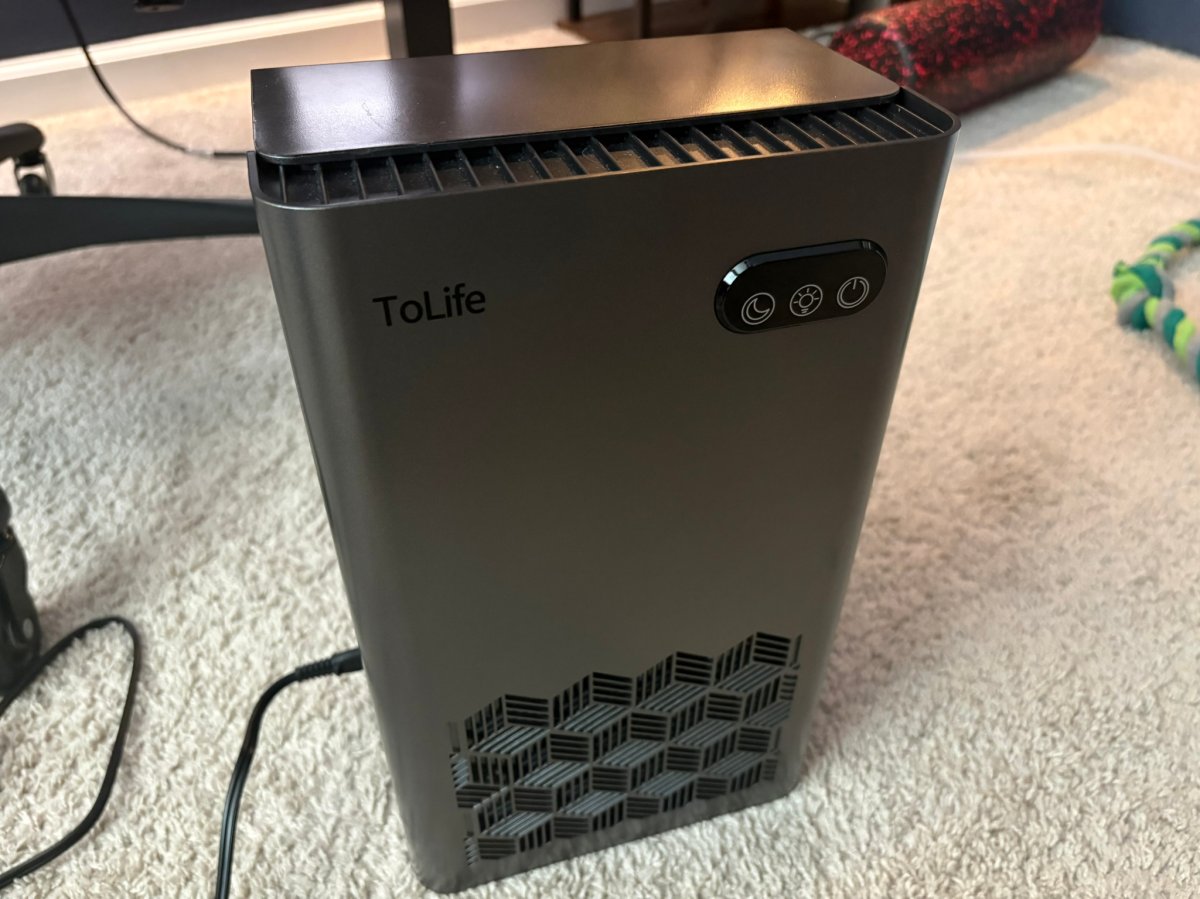
4. Best Budget / Small Space: ToLife TZ-C2
- Effectiveness: 3.7/5 | Noise: 3/5 | Ease of Use: 5/5 | Value: 5/5
- Key Specs: Thermoelectric operation; 95-ounce tank; 7-color ambient lighting.
- Tester Insight: Excellent for localized spot-treatment in closets or small bathrooms, though it operates significantly slower than compressor-driven units.
Official Industry Standards and Expert Guidance
To contextualize the physical test results, the testing panel consulted guidelines published by the U.S. Department of Energy (DOE) and the Environmental Protection Agency (EPA).
According to DOE testing protocols, portable dehumidifier capacity is officially measured in pints per day (PPD) under standardized laboratory conditions—specifically 65 degrees Fahrenheit and 60 percent relative humidity. However, experts emphasize that real-world performance fluctuates wildly based on actual home temperatures and moisture loads.
Furthermore, home climate specialists strongly advocate for Energy Star–certified appliances. Because dehumidifiers often run continuously for days or weeks during peak seasons, certified models utilize advanced compressors and optimized refrigeration coils that draw roughly 20 percent less electricity than conventional non-certified alternatives.

Implications: How to Choose and Maintain Your Dehumidifier
Choosing the wrong dehumidifier size or technology can lead to premature equipment failure and persistent indoor dampness. Homeowners should evaluate their specific needs using the following criteria:
Sizing Your Unit Appropriately
- Moderate Humidity (60% to 70%): A standard 30- to 50-pint capacity unit generally suffices for open spaces up to 2,000 square feet.
- Severe Humidity (70%+ or Active Water Seepage): High-capacity models (50 to 70+ pints) equipped with continuous drain hoses or built-in condensate pumps are mandatory to prevent basement mold outbreaks.
- Cold Environments: Standard refrigerant units begin to struggle and freeze up when ambient temperatures drop below 60 degrees Fahrenheit. For unheated garages, cellars, or winterized cabins, a rotary desiccant dehumidifier (such as the Eva-Dry model evaluated) is required to maintain functionality down to 34 degrees Fahrenheit.
Maintenance and Lifespan Realities
The average lifespan of a well-maintained portable dehumidifier is approximately 8 years. However, neglecting basic upkeep drastically shortens this window. Users must regularly wash or replace intake air filters. A clogged filter restricts airflow, forcing the compressor to overwork, reducing moisture-removal efficiency, and ultimately triggering thermal overload or early burnout.
By integrating an air quality monitor to track baseline humidity—keeping the home ideally between 30 and 50 percent—homeowners can maximize their appliance’s lifespan, protect their structural investment, and ensure a healthier indoor living environment year-round.
