

Main Facts
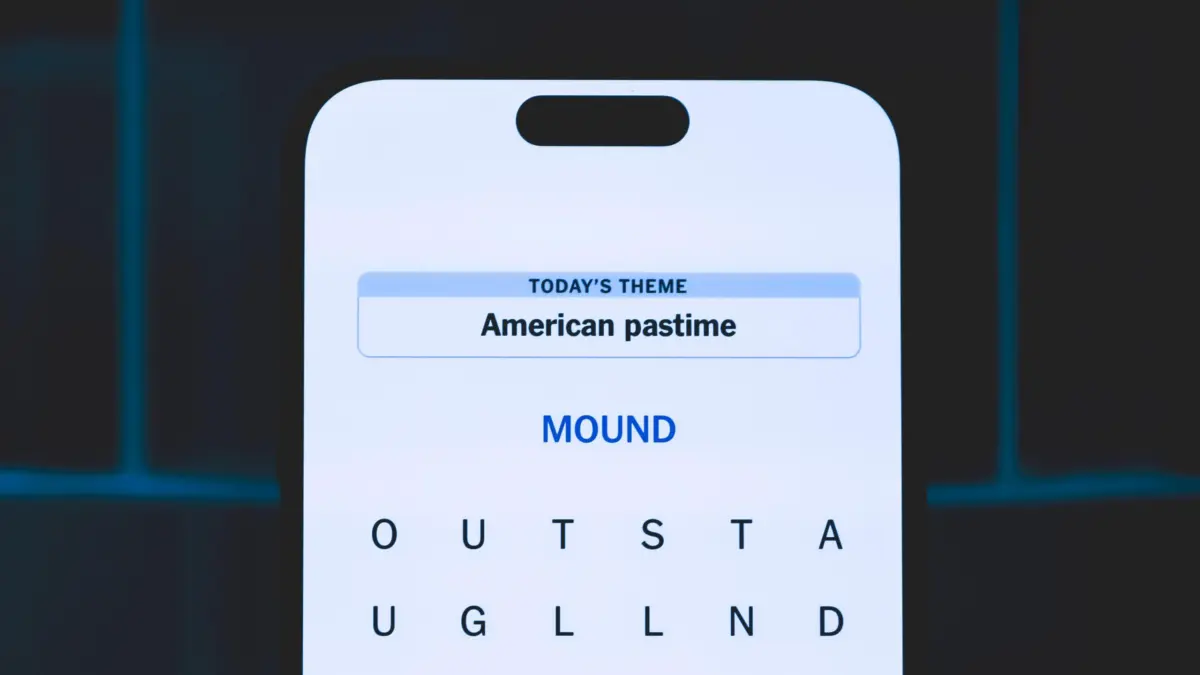
For puzzle enthusiasts and word-game aficionados, The New York Times has established an essential daily digital routine. Alongside staples like the traditional Crossword, the wildly popular Connections, and the lightning-fast Mini Crossword, Strands has rapidly carved out a dedicated following. Described as a modern twist on the classic word-search genre, Strands strips away the traditional provided word list, leaving players to decipher a cryptic daily theme and hunt for hidden words buried within a grid of letters.
The primary mechanics of Strands require players to connect adjacent letters—horizontally, vertically, or diagonally—to form thematic words. Every single letter on the board must eventually be utilized, ensuring that no square goes wasted. Central to this experience is the "spangram," a special theme word that stretches from one edge of the puzzle board to the opposite side, summarizing or anchoring the day’s core concept.
For days when the puzzle proves exceptionally stubborn, the game includes a built-in safety net. Players can uncover hidden, non-theme words consisting of four or more letters. For every three filler words successfully identified, the game acts as a helpful catalyst, automatically highlighting one of the genuine theme answers. However, the challenge doesn’t end there: players must still unscramble the highlighted letters to formally log the correct term.
Chronology of the Daily Challenge
The evolution of The New York Times games portfolio has transformed morning routines across the globe. Following the monumental success of Wordle and Connections, The New York Times introduced Strands into its experimental Games beta in early 2024 before rolling it out as a permanent daily fixture.

The Gameplay Timeline
- The Launch (Morning Reset): Every day at midnight local time, a fresh Strands grid goes live. Players open the app or website, greeted immediately by the day’s cryptic theme.
- The Initial Hunt: Players scan the grid for obvious matches related to the theme. For those struggling, the secondary strategy kicks in: hunting down arbitrary four-letter (or longer) words to build up credit for in-game hints.
- The Breakthrough (The Spangram): As theme words are uncovered, the board slowly clears. Discovering the spangram usually serves as the turning point, cutting the remaining puzzle space in half and providing critical context for the final answers.
- The Final Polish: Once all theme words and the spangram are locked in, the grid is completely filled, signaling a successful puzzle completion ready to be shared on social media.
Supporting Data and Puzzle Mechanics
Understanding the architecture of Strands helps players master the daily challenge more efficiently. Unlike standard word searches, where words can be placed in predictable linear paths, Strands grids feature winding, serpentine letter chains that test spatial reasoning just as much as vocabulary.
Key Metrics of Strands Play
- Word Length Requirements: Filler words must be a minimum of four letters long. Theme words vary in length depending on the grid layout.
- Hint Threshold: Exactly 3 filler words = 1 revealed theme word.
- Board Utilization: 100%. Unlike traditional word finds where un-circled letters remain, a completed Strands board leaves zero unused letters, as every square contributes either to a theme word or the central spangram.
- The Spangram Rule: Always touches opposing sides of the puzzle board (either left-to-right or top-to-bottom) and is highlighted in a distinct yellow color, unlike the blue standard theme words.
Official Responses and Creator Insights
The design philosophy behind The New York Times games division centers on accessibility combined with intellectual stimulation. Editors and puzzle constructors craft Strands to evoke a "lightbulb moment" rather than simple rote memorization.
Game developers and puzzle columnists, such as CNET’s resident pop-culture journalist and puzzle commentator Gael Fashingbauer Cooper, frequently emphasize the psychological appeal of word games in modern media consumption. According to recurring commentary from Times puzzle architects, games like Strands are intentionally calibrated to bridge the gap between casual gamers and hardcore linguists. By offering flexible hints through the filler-word mechanic, the game ensures that beginners do not hit an impenetrable wall, maintaining engagement across diverse demographics.
Furthermore, community feedback heavily influences how clues are phrased. Themes range from pop culture icons and historical eras to culinary delights and scientific phenomena, ensuring that no two consecutive days feel repetitive.

Implications for the Digital Gaming Landscape
The enduring popularity of Strands and its sibling games underscores a massive shift in how modern audiences consume digital media and take mid-day mental breaks.
1. The Rise of "Micro-Engagement"
In an era dominated by endless scrolling and high-intensity video content, puzzle games offer a structured, low-stakes alternative. Players can complete a Strands puzzle in anywhere from three to ten minutes, providing a satisfying sense of accomplishment that fits seamlessly into a commute, a coffee break, or a quiet moment before bed.
2. Community Building and Social Sharing
Much like Wordle‘s iconic green-and-yellow emoji grids, Strands has fostered a robust online ecosystem. Communities on platforms like Reddit, X (formerly Twitter), and dedicated tech blogs routinely exchange hints, debate the difficulty of specific spangrams, and share their completion times. This communal ritual transforms a solitary digital puzzle into a shared cultural experience.
3. The Future of Newspaper Digital Subscriptions
For The New York Times, the expansion of its games portfolio has proven to be a masterclass in user acquisition and retention. Games serve as a friendly, low-friction entry point for readers who might not initially subscribe for hard news or investigative journalism. Once hooked on the daily puzzle streak, users are far more likely to convert into paying subscribers, solidifying the publication’s digital revenue model for years to come.

As Strands continues to mature as a staple of the daily digital diet, it proves that classic wordplay, enhanced by modern UX design and clever thematic structuring, remains an unbeatable formula for global engagement.
