

Transforming your backyard into a welcoming ecosystem for local wildlife is one of the most rewarding home-gardening projects. By introducing native plants, hanging secure feeders, and installing a pristine water feature, you invite vibrant avian life right to your doorstep. However, creating this backyard sanctuary comes with distinct responsibilities. Among the most crucial maintenance tasks is keeping your bird bath clean, hygienic, and safe.
Neglected water features can quickly transform from an avian oasis into a hazardous breeding ground for water-borne pathogens, mosquitoes, and toxic algae. To protect your feathered visitors and ensure your yard remains a flourishing wildlife hub, understanding the proper techniques for bird bath upkeep is essential.
Main Facts: Why Bird Bath Hygiene is Critical
For homeowners passionate about attracting backyard birds, the bird bath is often the centerpiece of the landscape. Whether crafted from durable concrete, classic cast iron, sleek ceramic, or lightweight polyresin, these basins serve a vital dual purpose: they provide a reliable source of drinking water and a place for birds to preen and clean their feathers.
Despite their charm, unmaintained bird baths present severe ecological and health hazards. When organic matter—such as fallen leaves, wind-blown dirt, insect larvae, and bird droppings—accumulates in standing water, it fosters bacterial growth. Pathogens like Salmonella, Trichomonas gallinae, and the West Nile virus (transmitted via mosquitoes that breed in stagnant water) pose fatal risks to local bird populations.
Furthermore, harsh chemical cleaners like household bleach or synthetic detergents should never be used. Bleach leaves toxic residues that can poison wildlife, while synthetic soaps strip away the natural, waterproofing oils from a bird’s feathers, leaving them vulnerable to the elements. Therefore, utilizing a natural, non-toxic cleaning regimen is non-negotiable for responsible backyard conservation.
Chronology: The Evolution of Backyard Birding and Maintenance
The practice of providing water and food to wild birds has transformed over the past century from a casual hobby into an organized science supported by conservation groups and wildlife biologists.

- Early 20th Century: Bird feeding gained popularity as an amateur pastime, primarily focused on winter seed dispersion. Water features during this era were largely decorative garden elements rather than targeted wildlife stations.
- Mid-to-Late 20th Century: As suburban sprawl accelerated, ornithologists and Audubon societies began emphasizing the loss of natural water sources due to urbanization. Homeowners increasingly installed concrete bird baths, though cleaning guidelines relied heavily on traditional household disinfectants—often without realizing the toxic risks posed by chemical residues.
- Modern Era: Contemporary avian research has highlighted the critical link between backyard hygiene and the spread of infectious wildlife diseases, such as Mycoplasmic conjunctivitis in house finches. This has ushered in the modern era of eco-friendly maintenance, emphasizing mild, natural cleaning agents like distilled white vinegar and baking soda to protect vulnerable species.
Supporting Data: Understanding the Impact of Maintenance
Maintaining a clean bird bath is not merely an aesthetic choice; it directly influences local biodiversity and neighborhood ecology.
- Cleaning Frequency: Wildlife conservation experts recommend scrubbing and refreshing bird baths two to three times a week during warmer spring and summer months, and at least once a week during cooler seasons. If the water appears discolored, cloudy, or exhibits a green or slimy sheen before your scheduled cleaning day, it must be addressed immediately.
- Water Depth: Most backyard songbirds prefer shallow water to bathe safely without the risk of drowning. Optimal depth ranges between 1 to 2 inches at the center of the basin.
- Algae Prevention: Algae thrives in direct sunlight and stagnant warmth. Introducing subtle water movement—such as through a solar-powered bubbler or fountain combo (like the popular Vivohome polyresin models)—not only deters mosquito larvae by keeping the water in motion, but also attracts more birds through the sound of trickling water.
Official Recommendations and Expert Guidelines
Wildlife biologists and avian veterinarians emphasize specific protocols when maintaining artificial water sources. According to leading conservation organizations, the focus should always balance effective sanitation with absolute chemical safety.
Recommended Natural Cleaning Agents
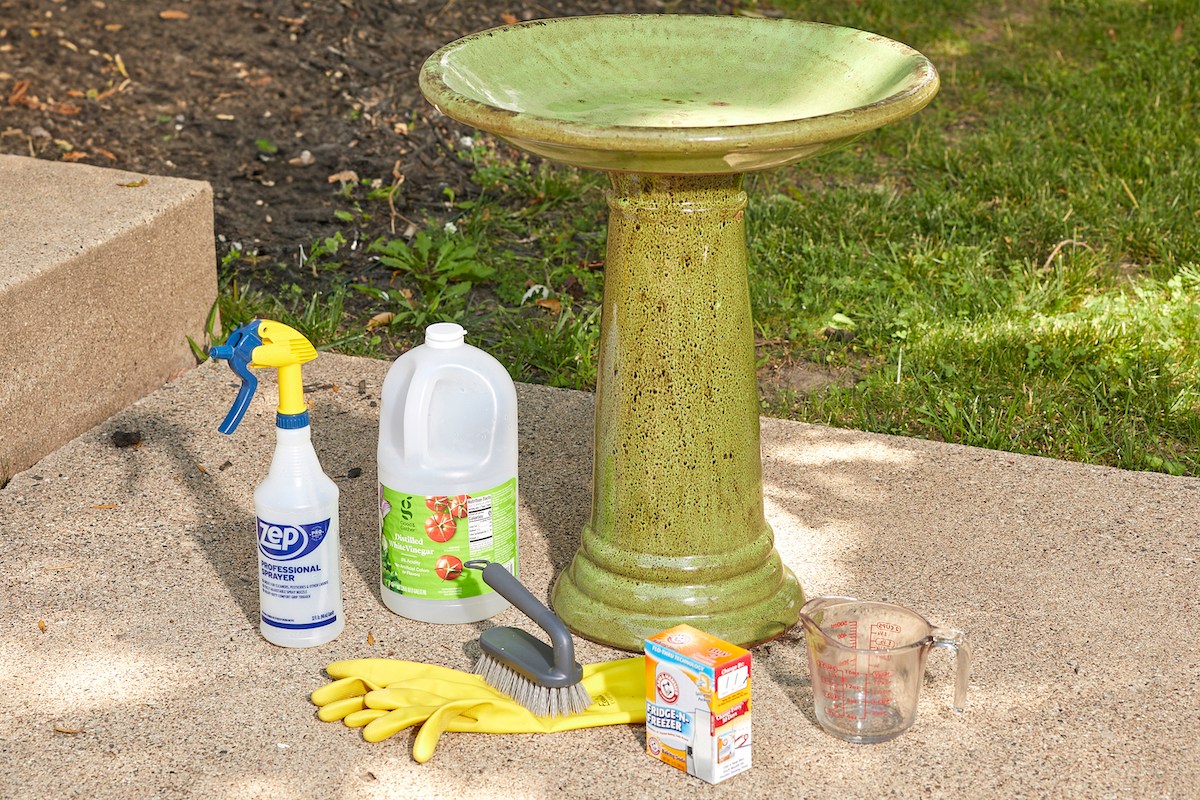
- Distilled White Vinegar: Acetic acid is a powerhouse against mineral deposits, dirt, and mild algae. A dilution of one part vinegar to nine parts water provides more than enough sanitizing strength without harming wildlife.
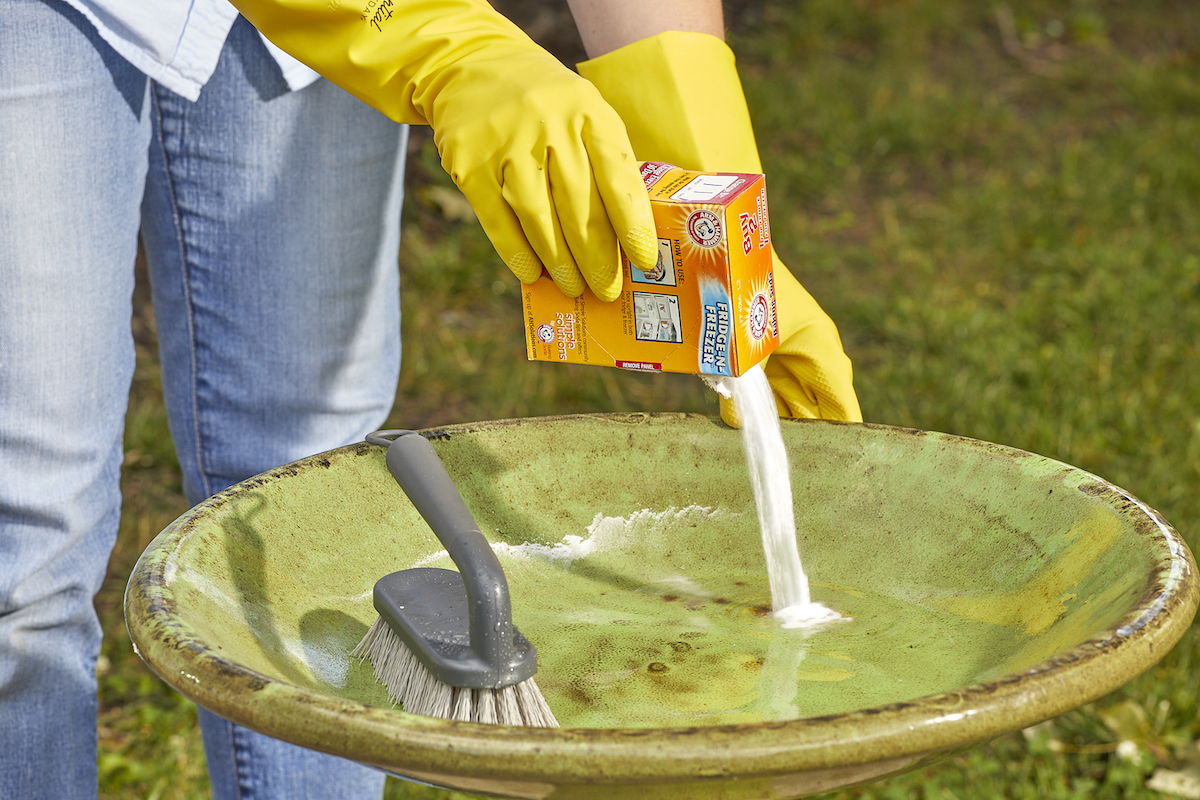
- Baking Soda: For stubborn, baked-on stains or thick organic crusts that resist a simple vinegar spray, sodium bicarbonate acts as a gentle, non-toxic abrasive scrub.
Safety Precautions for Homeowners
Because wild birds can occasionally carry zoonotic diseases, human safety is also a factor during maintenance.
- Wear Protective Gear: Always wear waterproof rubber gloves when handling stagnant water, scrubbing basins, or clearing out decayed organic debris.
- Mind Drainage: When dumping dirty water, disperse it evenly across your lawn rather than pooling it in a single spot. Saturated soil creates unwanted muddy patches and breeding puddles for pests.
Step-by-Step Guide: How to Clean a Bird Bath in 5 Easy Steps
To keep your backyard safe and sparkling, follow this proven five-step cleaning protocol.
Step 1: Pour Out the Water and Remove Debris
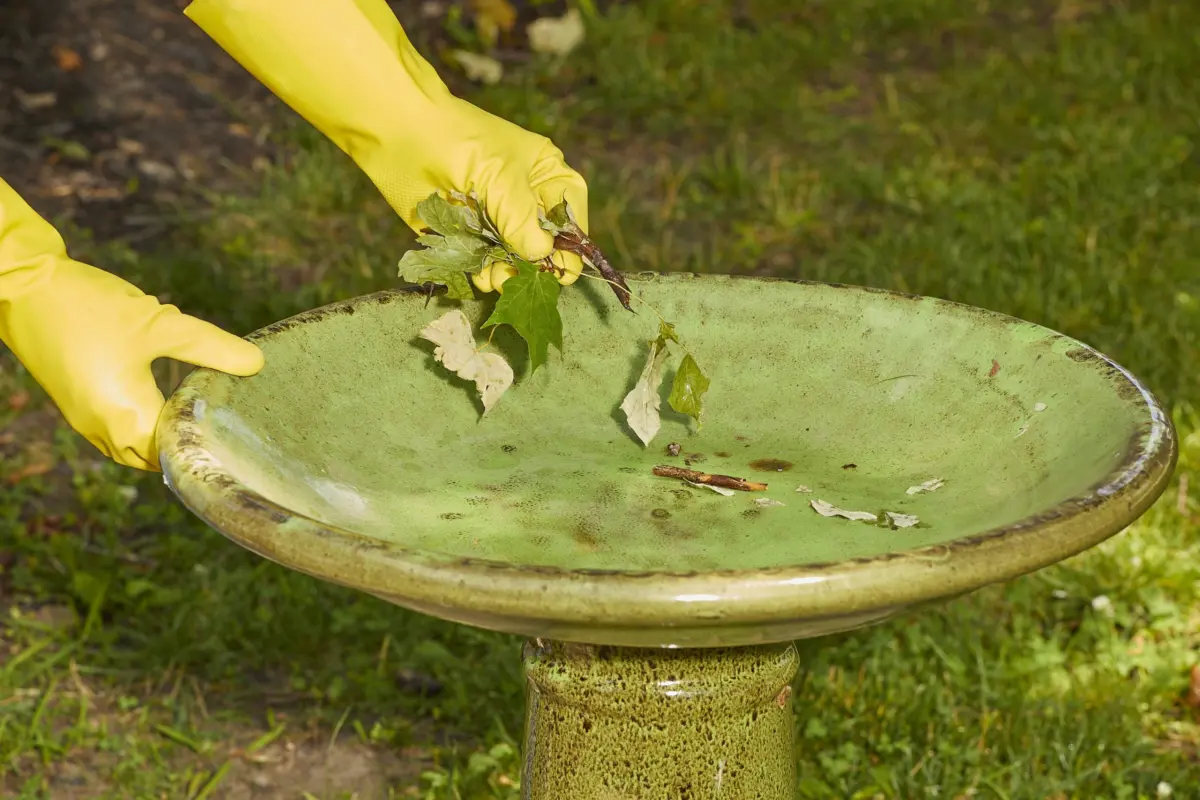
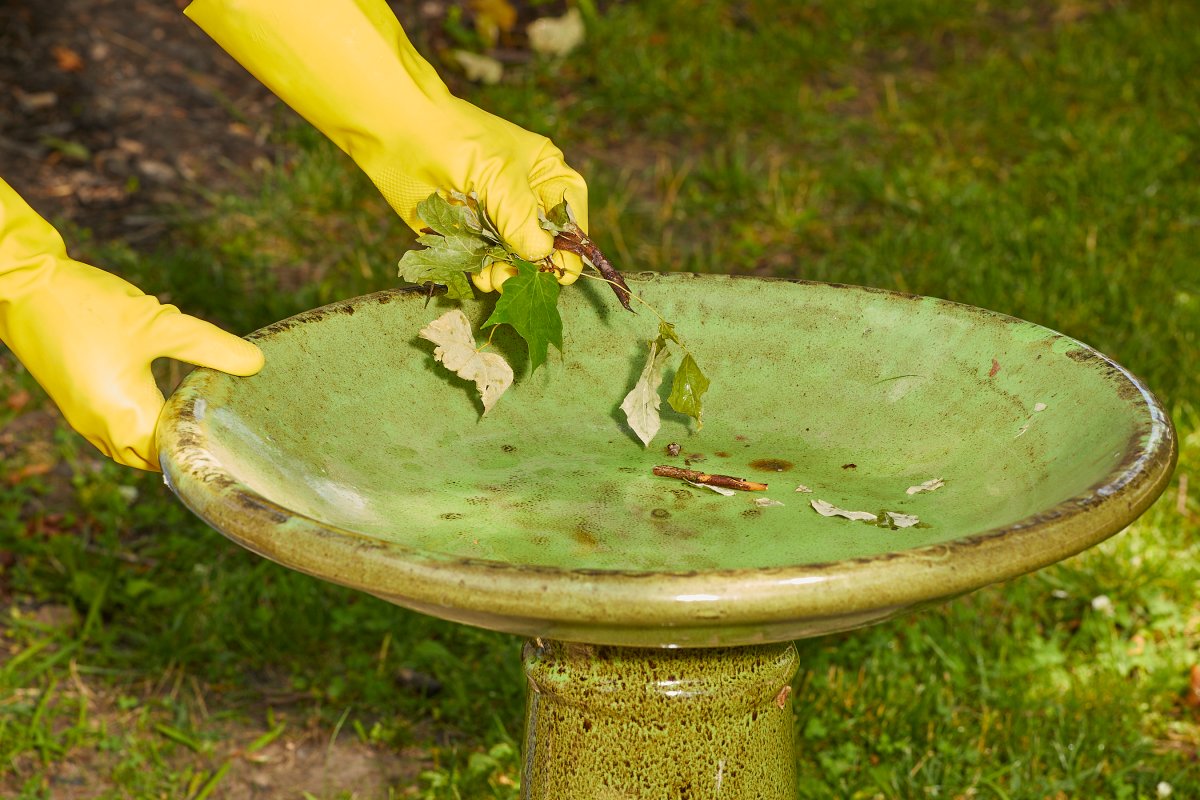
Carefully tip the basin to empty the stagnant water across your grass. Reach in with your gloved hands to scoop out any accumulated leaves, twigs, feathers, or heavy sediment stuck to the bottom of the basin.
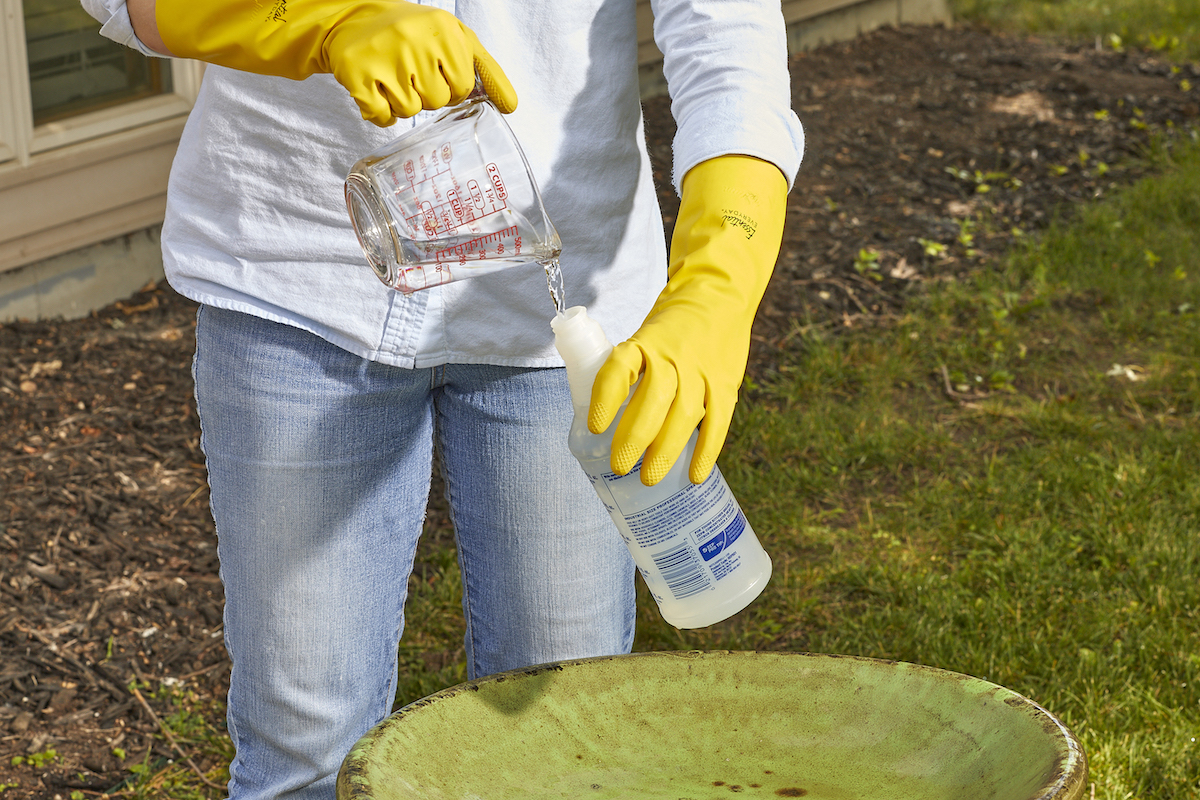
Step 2: Prepare Your Vinegar and Water Solution
Mix one part distilled white vinegar with nine parts water. Pour this mixture into a convenient spray bottle to ensure easy application across the entire surface of the bird bath, including the rim and exterior pedestal.
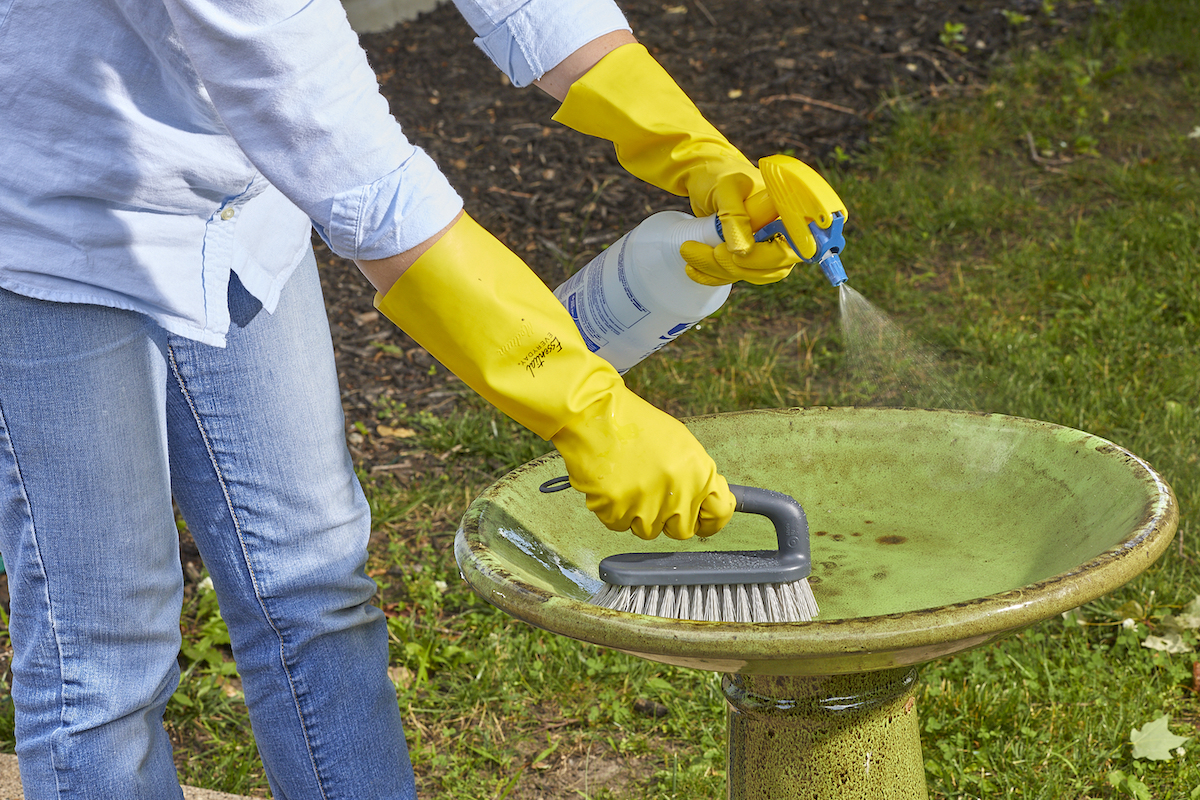
Step 3: Scrub the Basin Thoroughly
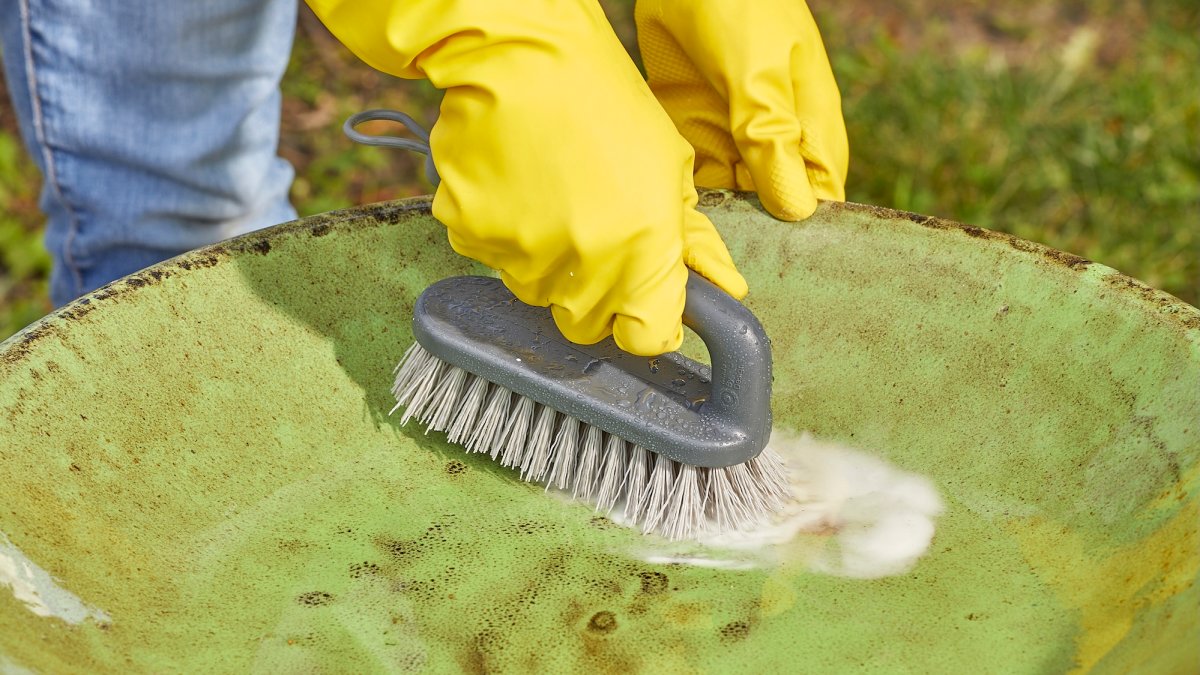
Spray the vinegar solution generously over the interior and exterior of the bird bath. Allow it to sit for 10 to 15 minutes to break down stubborn algae and mineral rings. Take a heavy-duty, non-metallic scrub brush and thoroughly scour the basin, paying special attention to corners, crevices, and bird droppings. For particularly stubborn spots, sprinkle a small amount of baking soda directly onto the area before scrubbing.
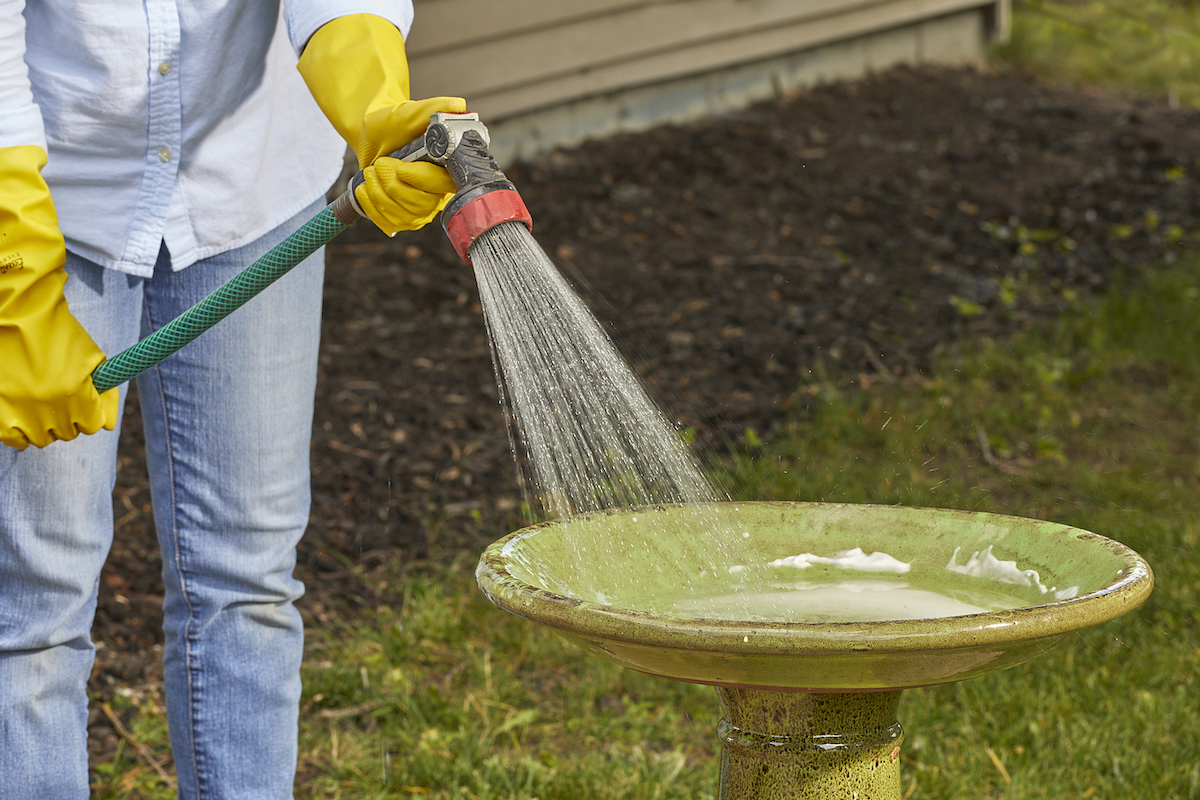
Step 4: Rinse and Dry Completely
Using a garden hose, thoroughly rinse the basin with clean water to remove all loosened debris and vinegar residue. Allow the bird bath to dry completely in the sun before refilling. Complete drying ensures any remaining acetic acid neutralizes and evaporates entirely.
Step 5: Refill with Fresh, Shallow Water
Once the basin is clean and dry, fill it with approximately 2 inches of fresh, cool water. This shallow depth ensures that small songbirds can comfortably stand, drink, and bathe without danger.
Implications: The Broader Environmental Impact
The health of a single backyard bird bath ripples outward into the surrounding local ecosystem. When homeowners commit to a routine maintenance schedule, they actively mitigate the spread of avian epidemics that can wipe out regional flocks. Furthermore, keeping water sources pristine encourages a wider variety of migratory and resident species—from goldfinches and robins to chickadees and cardinals—to visit your garden.
By adopting sustainable, chemical-free cleaning habits, gardeners transform their outdoor spaces into vital ecological stepping stones. In an era where natural habitats face continuous pressure from human development, a clean, reliable backyard watering station becomes more than just a charming garden accessory—it becomes a literal lifeline for urban and suburban wildlife.
