

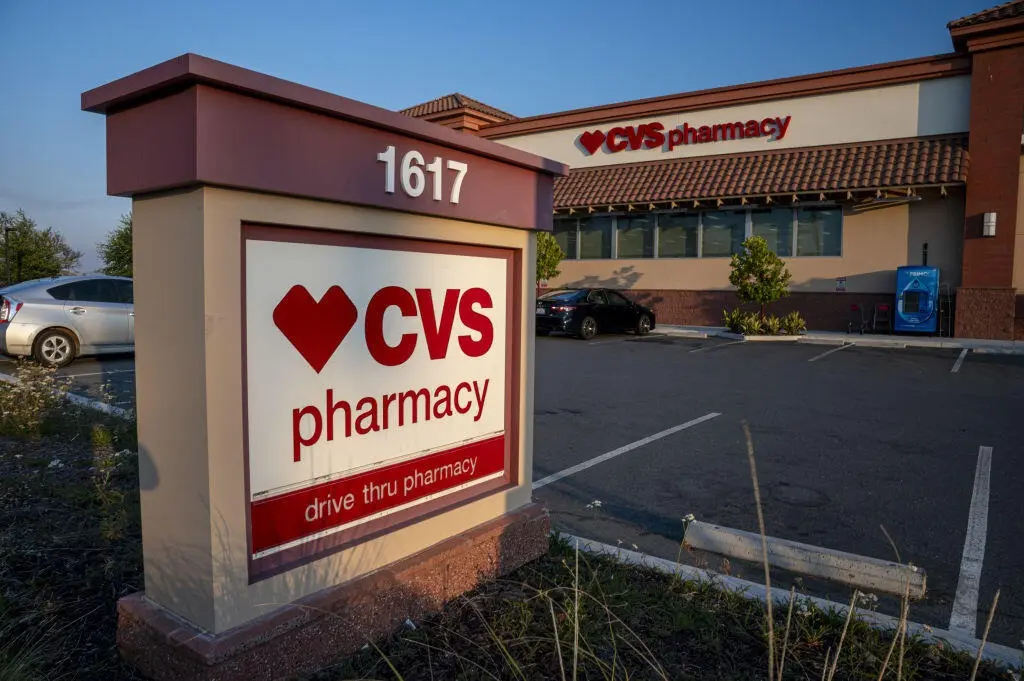
Pharmacies are supposed to be safe havens for personal privacy, governed by strict expectations of confidentiality regarding medical conditions, prescriptions, and personal health habits. However, the digital age has blurred the lines between secure healthcare environments and the aggressive data-harvesting practices of modern e-commerce. In a sweeping class-action lawsuit that highlights the hidden costs of online convenience, retail pharmacy giant CVS has agreed to a $20.5 million settlement over allegations that it improperly shared customers’ private health and browsing data with third-party advertisers.
While CVS continues to deny any wrongdoing or liability, the substantial financial agreement aims to put an end to prolonged litigation and business disruptions. For millions of Americans who regularly use cvs.com, cvshealth.com, or the official CVS mobile application, the settlement opens the door to financial compensation—provided they navigate a multi-step claims process before the fast-approaching deadlines.
Main Facts: The Core Allegations and Settlement Terms
At the heart of the legal battle is the accusation that CVS leaked sensitive user data to digital marketing entities, most notably the advertising firm Criteo. According to the class-action complaint, when users browsed CVS digital properties, their online activities—ranging from general search queries to specific health-related interests—were allegedly tracked and transmitted to third parties without explicit, informed consent.
The sharing of such information raises critical legal and ethical questions, particularly regarding whether browsing behaviors on pharmacy sites constitute protected health information. Plaintiffs argued that tracking tools, pixels, and data-sharing software embedded in CVS’s websites and mobile app essentially spied on users, mapping their personal health journeys to build targeted advertising profiles.
To resolve the claims without admitting fault, CVS settled for $20.5 million. Eligible class members who complete the requisite paperwork stand to receive cash payments, though individual payouts will depend heavily on the total number of claims filed and whether the claimant provides supporting documentation.
According to the official settlement parameters:
- Claims without documentation: Eligible participants may receive up to $5.
- Claims with valid documentation: Participants who can substantiate their membership in the class may receive up to $10.
- Pro-rata adjustments: Because the settlement fund is fixed at $20.5 million, final payout amounts are subject to reduction if the volume of approved claims exceeds available funds after administrative and legal fees are deducted.
Payments can be distributed through various modern channels, including traditional paper checks, PayPal, Venmo, or Zelle, offering flexibility to claimants.
Chronology of the Case and Key Deadlines
Navigating class-action settlements requires strict attention to the calendar. The legal timeline for the CVS digital privacy settlement spans several critical dates, stretching from the initial discovery of the alleged data practices to the final distribution of funds.
- Prior to July 27, 2026: The qualifying window for class membership. Anyone who utilized any CVS website (cvs.com, cvshealth.com) or the CVS mobile app prior to this date is theoretically eligible to participate in the settlement.
- Early September 2026: Formal email notifications regarding the settlement are dispatched to potential class members, alerting them to their rights and providing instructions on how to file a claim.
- November 1, 2026: The absolute deadline for potential class members to opt out of the settlement. Choosing this route forfeits any right to a cash payout but preserves the individual’s legal right to file a separate, independent lawsuit against CVS.
- November 16, 2026: The final deadline to submit a claim form. Missing this date means forfeiting any share of the $20.5 million settlement fund.
- December 1, 2026: The scheduled final approval hearing. During this court session, a judge will review the fairness of the settlement and grant final authorization.
- 120 Days Post-Approval (Spring 2027): Anticipated timeline for the disbursement of funds to approved claimants, assuming the court grants final approval without unforeseen legal challenges.
Supporting Data and Eligibility Requirements
Determining whether you qualify for a piece of the $20.5 million settlement is relatively straightforward, but meeting the procedural requirements is non-negotiable.
Who Is Eligible?
You are considered a member of the class if you accessed or shopped on cvs.com, cvshealth.com, or the CVS mobile app at any point leading up to July 27, 2026. Given the ubiquity of CVS as both a retail pharmacy and a front-line healthcare provider (handling everything from photo printing and front-store retail shopping to vaccine scheduling and prescription management), millions of consumers across the United States fall into this category.
How to File a Claim
Eligible individuals who received email notifications can follow the direct links provided in those messages. Alternatively, claims can be submitted directly through the official settlement website at cvsdigitalprivacysettlement.com.

- Documentation Requirements: While providing proof of usage (such as old order confirmation emails, screenshots of app activity, or receipts) can qualify a claimant for up to $10, basic claims submitted without documentation remain eligible for up to $5.
- The Risk of Inaction: Doing nothing guarantees zero compensation, while automatically releasing CVS from liability regarding the specific claims covered in the lawsuit.
The Opt-Out Alternative
Class action lawsuits are designed to resolve disputes efficiently on a mass scale, but they also limit individual legal remedies. For consumers who feel deeply aggrieved by the alleged data practices and wish to pursue independent legal action, the Nov. 1, 2026 opt-out deadline is crucial. Opting out requires submitting a formal written request detailing an intent to be excluded from the settlement class, permanently surrendering any claim to the $20.5 million fund in exchange for the freedom to sue CVS independently.
Official Responses and Corporate Stance
As is standard practice in corporate class-action settlements, CVS Health has vehemently denied any wrongdoing, ethical lapses, or violations of state and federal privacy laws. In official statements regarding the settlement, representatives for the pharmacy chain maintained that the company takes customer privacy seriously and employs robust security and compliance measures across its digital infrastructure.
CVS explained that the decision to settle—rather than drag the litigation through protracted, expensive court battles—was driven by a desire to avoid ongoing legal expenses and business interruptions. By cutting off the litigation early via a financial settlement, CVS can refocus corporate resources on its core retail and healthcare operations while putting the distraction of the data-privacy allegations behind it.
However, consumer advocacy groups and legal experts view such settlements through a more critical lens. While settling without an admission of liability allows corporations to manage financial risk, it often leaves fundamental questions about digital tracking unaddressed. Critics argue that multi-million-dollar settlements become a routine cost of doing business for large tech and retail conglomerates, failing to deter future data-harvesting practices or compel meaningful transparency regarding how consumer browsing data is monetized.
Broader Implications for Digital Privacy in Healthcare
The CVS lawsuit is far from an isolated incident. Over the past several years, digital privacy watchdogs and legal teams have increasingly targeted companies—particularly those operating in healthcare, pharmaceuticals, and insurance—for deploying third-party tracking pixels, analytics software, and advertising cookies on user-facing platforms.
The Pixel Problem
The core technical issue in many of these lawsuits involves web-tracking tools (such as Meta pixels, Google analytics tags, and specialized marketing cookies) embedded in website code. Originally designed to help companies understand user behavior, optimize website performance, and deliver relevant advertisements, these tools frequently sweep up far more data than consumers realize.
When applied to websites where users look up medical symptoms, search for sensitive prescriptions, or log into health portals, the boundary between general e-commerce tracking and confidential health data collapses. Even if a user is merely browsing over-the-counter medications or retail items, the transmission of that activity to programmatic advertising networks like Criteo can construct a highly intimate profile of an individual’s life.
Regulatory and Legal Shifts
This lawsuit underscores an escalating tension between modern digital marketing strategies and evolving consumer expectations of privacy. With regulations like the California Consumer Privacy Act (CCPA) and various state-level health data privacy laws coming into force, corporations face mounting pressure to audit their digital ecosystems.
For consumers, the CVS settlement serves as a stark reminder of the digital footprints left behind during routine online interactions. As companies increasingly monetize user data to offset operational costs or drive digital revenue, the onus has fallen largely on class-action attorneys and litigators to police corporate behavior.
What Consumers Should Keep in Mind
As the digital landscape evolves, protecting personal data requires active vigilance. Consumers interacting with healthcare portals, pharmacy apps, and retail sites can take several proactive steps:
- Review Privacy Policies: Pay close attention to how websites handle data sharing and third-party advertising cookies.
- Utilize Privacy Tools: Employ browser extensions, ad-blockers, and anti-tracking features designed to block hidden pixels and cross-site scripts.
- Monitor Class Actions: Stay informed about privacy settlements, as data breaches and digital tracking lawsuits have become increasingly common across the retail, financial, and healthcare sectors.
For now, CVS customers who interacted with the pharmacy’s digital platforms prior to July 27, 2026, have a limited window to claim their portion of the $20.5 million settlement. With the claim submission deadline locked in for November 16, 2026, eligible individuals must act quickly to ensure their voices—and claims—are registered before time runs out.
