

Main Facts
In a bold vote of confidence for the American housing sector, JPMorgan Chase—the nation’s largest financial institution—has initiated a staggering $750 billion lending and investment commitment targeted at real estate. This massive capital allocation comes at a precarious macroeconomic crossroads. While prevailing consumer sentiment hopes for a broad correction in runaway home prices, the banking titan is aggressively positioning itself to finance the housing market of tomorrow.
Simultaneously, the broader real estate landscape is showing mixed signals. July 2026 data reveals a noticeable cooling in home sales, sparking intense debate over whether the broader market has finally peaked for the cycle. Yet, beneath the headline-grabbing drop in traditional sales figures lies a counterintuitive trend: older, outdated, and unrenovated homes are quietly outperforming pristine property flips in velocity.
Coupled with these developments, recent Consumer Price Index (CPI) reports indicate that inflation may be steadying. However, this stabilization leaves open a critical question for both institutional giants and everyday buyers: Will the Federal Reserve halt its interest rate hikes, or will borrowing costs remain elevated? For real estate investors navigating this complex terrain, understanding structural rehabilitation costs—particularly the "Big Five" home systems—has never been more urgent.
Chronology of Market Shifts
To understand how the current real estate environment reached this juncture, it is helpful to examine the timeline of recent economic markers:
- Early 2026: Inflation metrics begin showing signs of sustained plateauing, leading market analysts to closely monitor the Federal Reserve’s next policy moves regarding interest rates.
- Summer 2026: The traditionally hot summer selling season encounters unexpected friction. Housing sales data from July points to a definitive slowdown in transaction volume across multiple metropolitan areas.
- Mid-Summer 2026: Market anomalies emerge. Real estate data reveals that while newly renovated "flip" properties experience longer days on market due to aggressive pricing, dated, unrenovated homes continue to move rapidly.
- Late Summer 2026: JPMorgan Chase announces its sweeping $750 billion housing initiative, signaling to institutional and retail investors alike that long-term real estate fundamentals remain exceptionally strong.
- Present: Industry experts, including seasoned investors and podcast hosts, pivot focus toward foundational property analysis, emphasizing that buyers must accurately budget for structural repairs to survive tightening margins.
Supporting Data & Market Metrics
Navigating today’s housing market requires a firm grasp of the hard numbers—from institutional capital allocations down to the granular cost of replacing home infrastructure.
Institutional Capital and Macro Indicators
- $750 Billion: The total capital commitment earmarked by JPMorgan Chase for housing loans and real estate investments.
- July 2026: The period marking a noticeable contraction in national home sales volume.
The "Big Five" Rehabilitation Cost Breakdown
For investors evaluating older or outdated homes, accurately estimating the lifespan and replacement costs of core home systems dictates whether a deal generates profit or a severe loss.
1. The Roof and Windows
- Three-Tab Shingles: Lifespan of 15–20 years; estimated replacement cost of $5,000 to $12,000. (Generally discouraged by experienced flippers due to poor buyer perception).
- Architectural Shingles: Lifespan of 25–30 years; estimated replacement cost of $8,000 to $17,000. This is the modern industry standard.
- Metal Roofs: Lifespan of 40–70 years; estimated replacement cost of $12,000 to $30,000.
- Windows (Bonus Item 1.5): Replacing outdated single-pane aluminum windows with dual-paned vinyl options averages $300 to $400 per window installed.
2. Foundations
- The Risk Profile: Universally acknowledged as the most financially volatile and expensive component to repair. While minor drywall cracks are normal, gaps wide enough to fit a finger or long fissures spanning floor-to-ceiling indicate severe structural shifting.
- Cost Reality: Because foundation estimates notoriously fluctuate—turning $5,000 fixes into $25,000 nightmares—industry experts strongly advise against self-appraisal. Investors must secure multiple bids from licensed foundation specialists.
3. Plumbing Systems
- Red Flags: Brown or discolored water, sluggish drainage, low water pressure caused by corroded galvanized pipes, and damp cabinet decking under sinks.
- Replacement Cost: Re-plumbing a standard 1,500-square-foot, three-bedroom, two-bathroom home typically ranges between $7,000 and $15,000, providing a relatively capped financial exposure compared to foundations.
4. Electrical Systems
- Red Flags: Outdated fuse boxes (characterized by screw-in, lightbulb-style fuses), two-prong ungrounded outlets, flickering lights, and warm-to-the-touch switchplates.
- Replacement Cost: A complete home rewire generally spans $4,000 to $15,000, depending heavily on regional labor rates and the life-safety urgency of mitigating fire hazards.
5. HVAC (Heating, Ventilation, and Air Conditioning)
- Replacement vs. New Installation: Replacing an existing HVAC system where ductwork is already present costs between $7,000 and $10,000. However, installing central air and running brand-new ductwork in a home that has never possessed it requires specialized contractor oversight and can scale from $15,000 to $25,000.
Official Responses & Industry Perspectives
Industry leaders and seasoned real estate professionals have adopted a pragmatic, analytical approach to the current market anomalies.
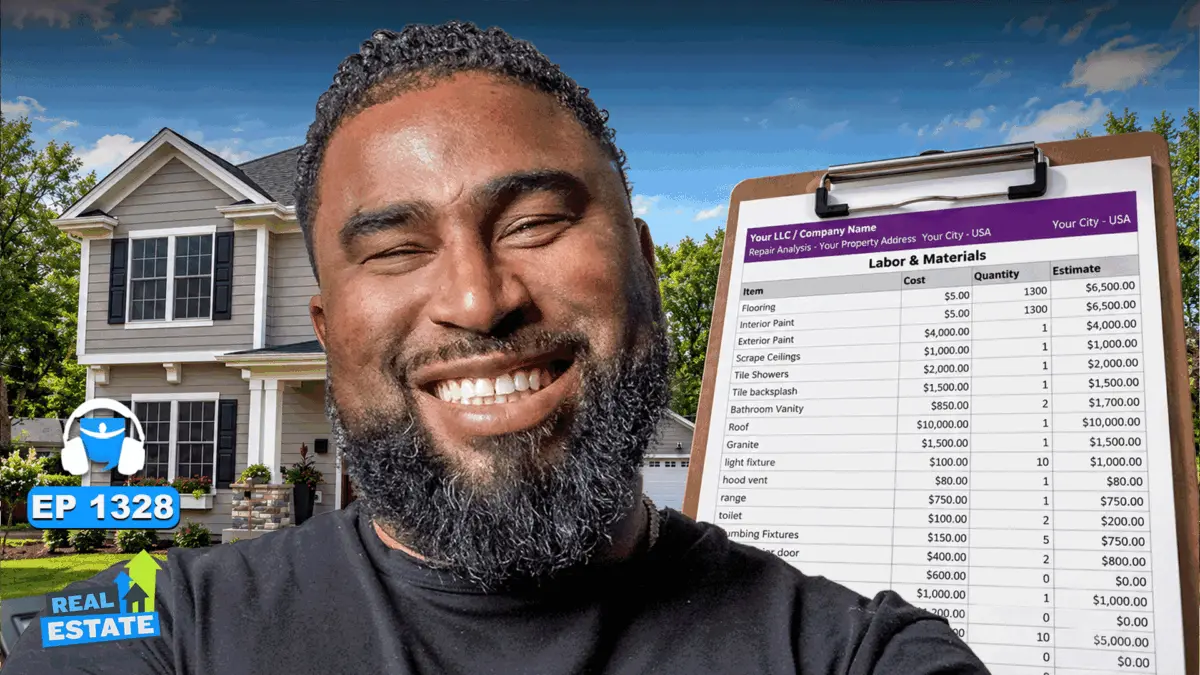
Real estate investor and podcast personality Henry Washington emphasizes that paper calculations mean little if an investor fails to inspect core infrastructural assets. "Every property I buy, I check the big five," Washington notes, referring to roofs, foundations, plumbing, electrical, and HVAC systems. He warns against running away from distressed properties, provided the investor adjusts their purchase offer to absorb upcoming capital expenditures. "These expenses are coming no matter what. These things don’t last forever… you want to be able to adjust what you’re offering for the home to cover that expense so that you’re not covering it out of your pocket down the road."
Financial analysts tracking JPMorgan Chase’s $750 billion initiative view the move as a calculated long-term play. While retail buyers hesitate amid high borrowing costs and cooling summer momentum, institutional lenders are betting that structural housing shortages in the United States will sustain long-term demand, rendering temporary interest rate fluctuations secondary to overall asset appreciation.
Implications for Buyers and Investors
The convergence of a cooling summer market, aggressive institutional backing from banks like JPMorgan Chase, and the hidden liabilities of aging housing stock creates a unique operational environment for real estate participants.
1. The Rise of the "Ugly Home" Strategy
With pristine, newly renovated home flips sitting on the market longer due to inflated pricing and high mortgage rates, buyers are pivoting toward outdated properties. These homes offer built-in equity margins, allowing astute purchasers to acquire assets below market value and execute targeted upgrades—such as addressing the Big Five—rather than paying a retail premium for someone else’s cosmetic flip.
2. Underwriting Discipline is Paramount
As borrowing costs remain sensitive to Federal Reserve policies, margin for error has evaporated. Investors who fail to properly budget for hidden plumbing corrosion, failing roofs, or compromised electrical panels risk severe financial distress. Utilizing professional home inspections, even when possessing personal renovation experience, acts as an essential insurance policy against catastrophic post-purchase expenses.
3. A Bullish Long-Term Outlook
JPMorgan’s massive capital injection suggests that institutional players do not foresee a catastrophic crash in American real estate. For individual buyers and investors willing to look past near-term macroeconomic noise, meticulous property evaluation and disciplined offer-pricing could mean that entering the market now yields substantial rewards in the years to come.
