

WASHINGTON — As summer draws to a close, millions of Americans are preparing to hit the roads, board flights, and set sail for the traditional end-of-summer holiday. However, according to comprehensive new data released by AAA and transportation analytics firm INRIX, this year’s holiday getaway will come with a noticeably steeper price tag and significant logistical hurdles.
Despite persistent economic headwinds and rising costs across nearly every major expense category—including airfare, hotel accommodations, and fuel—overall consumer demand remains exceptionally strong. Booking data reveals that travelers are unfazed by inflated prices, eagerly securing itineraries for popular domestic hotspots as well as major international destinations across Canada and Europe.
While the desire to travel remains resilient, navigating the upcoming holiday weekend will require careful planning, strategic scheduling, and a flexible budget. From soaring domestic airfares to packed highways during peak commuting hours, here is a comprehensive breakdown of what travelers can expect this Labor Day.
Main Facts: The Cost of Getting Away
The overarching narrative of this year’s holiday travel landscape is higher expenditure. Consumers booking late-summer trips are encountering increased costs across multiple sectors of the travel industry, though a few bright spots offer relief for international flyers and cruise enthusiasts.
Air Travel Dynamics: Domestic Up, International Down
According to AAA booking data, the average price for a roundtrip domestic flight has climbed 2% compared to the same period last year, resting at a national average of $750. For those targeting the nation’s most sought-after holiday destinations, the pinch is far more acute: airfares to top-tier domestic markets are surging nearly 20% year-over-year, commanding an average of $790 per ticket.
Conversely, travelers looking to cross oceans are finding unexpected bargains. International airfare has dropped by 4% compared to last year, incentivizing vacationers to look beyond U.S. borders for their long-weekend escapes.
Accommodations and Cruises
It is not just flights driving up vacation budgets; overnight stays are also requiring a larger financial commitment. Domestic hotel bookings have jumped 9% in price compared to last Labor Day weekend. International accommodations are even pricier, showing a 12% year-over-year increase.
However, consumers eyeing a maritime escape will find welcome financial relief. Cruises departing from U.S. ports are trending 4% cheaper than they were last year, with the average booking settling at $2,700.
Fuel Pressures at the Pump
Motorists planning road trips will also feel the pinch at the service station. Current energy market trends indicate that drivers will pay more to fill their tanks this Labor Day compared to last year.
Energy analysts attribute these elevated prices to several key market drivers. Crude oil—which typically accounts for roughly half of the total price consumers pay at the pump—remains higher than it was a year ago. Furthermore, robust refinery demand coupled with relatively low crude oil inventories continues to support sustained high fuel prices nationwide.
Chronology and Peak Traffic Forecast: When to Avoid the Gridlock
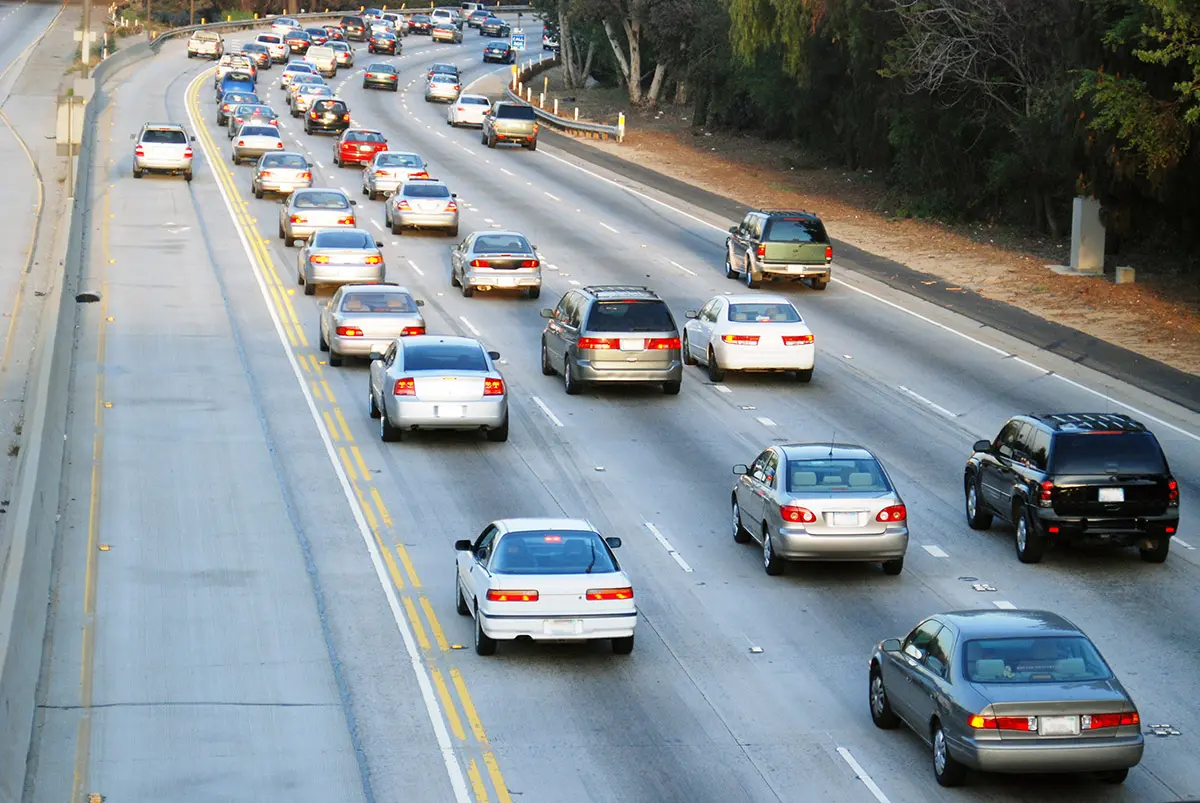
Because Labor Day spans a concise, three-day weekend rather than a prolonged holiday period, travel volume is severely compressed into a tight window. This concentration of vehicles—compounded by regular weekday and Friday afternoon commuters—creates ideal conditions for severe highway congestion.
Transportation data provider INRIX warns that the heaviest traffic congestion will materialize early in the holiday timeline, beginning on Thursday and persisting through Monday afternoon.
The Worst Times to Travel
To help motorists minimize delays, INRIX and AAA have identified the specific windows when highway congestion is expected to peak:
- Thursday, Sept. 3: 2:00 p.m. to 7:00 p.m.
- Friday, Sept. 4: Noon to 8:00 p.m.
- Saturday, Sept. 5: 1:00 p.m. to 5:00 p.m.
- Monday, Sept. 7: 2:00 p.m. to 5:00 p.m.
Travel experts advise hitting the road during off-peak hours—ideally early in the morning or late at night—to bypass the worst of the bottlenecks.
Supporting Data: Top Domestic and International Destinations
Despite rising expenditures, Americans are eager to travel. AAA booking data highlights the specific cities and regions capturing the lion’s share of consumer interest this season.
Top Domestic Destinations
Urban centers offering a mix of outdoor recreation, cultural attractions, and entertainment dominate the domestic leaderboard. The top ten domestic destinations for the holiday are:
- Seattle, WA
- Orlando, FL
- Boston, MA
- Denver, CO
- New York, NY
- Chicago, IL
- Anaheim/Los Angeles, CA
- Las Vegas, NV
- Anchorage, AK
- Atlanta, GA
Top International Destinations
Buoyed by lower international airfares, European capitals and Canadian metropolitan hubs are seeing substantial bookings. The top ten international destinations include:
- Rome, Italy
- Vancouver, Canada
- London, England
- Dublin, Ireland
- Paris, France
- Calgary, Canada
- Barcelona, Spain
- Athens, Greece
- Amsterdam, Netherlands
- Halifax, Canada
Official Responses and Industry Guidance
In anticipation of the massive influx of travelers, major automotive and travel associations are rolling out advisories, safety warnings, and preparedness campaigns.
AAA’s Roadside Assistance Warnings
Automobile associations are strongly reminding drivers to conduct comprehensive vehicle maintenance checks before embarking on any long-distance road trip. Last year, more than 400,000 motorists required emergency roadside assistance over the Labor Day weekend alone, frequently due to preventable issues such as flat tires, dead batteries, and engine overheating.
"A little preventative maintenance goes a long way," noted a regional AAA spokesperson. "Checking your tire pressure, testing your battery, and ensuring your fluid levels are adequate can mean the difference between a memorable holiday and being stranded on the shoulder of a heavily congested interstate."
Transportation Authorities Gear Up
Airports and highway patrols across the country are adjusting staffing levels to cope with the surge. Security checkpoints at major hubs like Orlando, Seattle, and New York are expected to experience long queues, prompting airport authorities to advise passengers to arrive at least two to three hours before domestic departures. Meanwhile, state highway departments are suspending non-emergency construction projects on major corridors to maximize lane capacity during peak travel days.
Implications for Consumers and the Broader Economy
The resilience of Labor Day travel demand, even in the face of climbing prices, offers a fascinating lens through which to view the broader economic landscape.
The Persistence of Experiential Spending
Economists note that consumer spending behavior continues to prioritize travel and experiential services over physical goods. Even as inflation impacts household budgets across food, housing, and energy sectors, vacations remain a sacred priority for many families. This willingness to absorb higher costs—evidenced by the 9% increase in domestic hotel rates and a 20% spike in airfares to top destinations—demonstrates that the post-pandemic appetite for mobility and leisure remains largely unabated.
Financial Planning and Smart Travel
For the average consumer, these market dynamics underscore the growing necessity of advanced financial planning. Spontaneous, last-minute holiday travel is becoming increasingly cost-prohibitive. Travelers who secured their itineraries months in advance are reaping the benefits of lower baseline rates, while late planners are absorbing the full brunt of seasonal price surges.
Furthermore, the divergence between domestic and international pricing trends suggests a strategic pivot for future holiday planning. As long as domestic flights and hotels continue their upward trajectory while international airfares soften, more American travelers may look abroad to maximize the value of their vacation dollars.
Environmental and Infrastructure Realities
The massive concentration of vehicular traffic over a 96-hour period also brings ongoing infrastructure challenges into sharp focus. Major urban corridors—particularly routes connecting metropolitan centers to coastal retreats, mountain ranges, and national parks—will be tested to their limits. Environmental analysts point out that heavy bumper-to-bumper traffic significantly spikes carbon emissions over the holiday weekend, adding urgency to long-term discussions about expanding public transit alternatives for regional holiday travel.
Conclusion
As the final countdown to the holiday weekend begins, travelers are advised to exercise patience, monitor traffic applications actively, and double-check all travel reservations. While the financial cost of celebrating the end of summer is higher this year, and the highways promise to be exceptionally crowded, millions of Americans have made it clear that a well-earned getaway remains well worth the journey.
