

SAN FRANCISCO — It is difficult to conceptualize modern daily existence without the ubiquitous presence of the smartphone. These sleek glass-and-aluminum rectangles dictate how we communicate, navigate, work, and consume media. Yet, nearly two decades ago, the landscape of personal technology was fundamentally different.
When the late Apple CEO Steve Jobs strode onto the stage at the Moscone Center in San Francisco on January 9, 2007, to unveil the first-generation iPhone, the device was far from an anointed success. In hindsight, the technological paradigm shift feels inevitable; at the time, however, the industry was fraught with skepticism. A smorgasbord of naysayers, industry analysts, and rival executives lined up to predict its catastrophic failure. Competitors like Microsoft dismissed the device for lacking a physical keyboard, while veteran telecom executives laughed at the notion of a phone without buttons, priced at $499 with a two-year contract, manufactured by a computer company that had never built a cellular handset in its history.
Oops.
As Apple prepares its machinery for yet another high-stakes fall live event on September 9, the media landscape pauses to reflect. Major technology publications—including foundational brands under The CNET Group umbrella such as CNET, Lifehacker, Mashable, PCMag, Popular Science, and ZDNET—have collectively spent centuries covering the ebbs and flows, the triumphs and miscalculations of Cupertino. Having witnessed pivotal turning points, from Apple’s monumental transition to Intel processors in 2005 to Tim Cook introducing the Apple Watch as a classic "one more thing" reveal in April 2015, these newsrooms are uniquely positioned to look back. Through retrospective deep dives and predictive forecasting, tech journalism is offering a window into what Apple’s storied history might reveal about its future.
Main Facts: The Evolution of an Industry Titan
The upcoming September 9 event carries the usual weight of speculation, anticipation, and high-stakes market capitalization. Apple events have long transcended mere product rollouts to become cultural phenomena, drawing the eyes of Wall Street, global consumers, and competing conglomerates alike.
At the core of the upcoming announcements are perennial questions: How will Apple evolve its hardware lineup? What software integrations will define the next generation of computing? And, perhaps most importantly, how will the company navigate an increasingly saturated and regulated global market?
Yet, to understand the gravity of any modern Apple announcement, one must contextualize the sheer scale of the ecosystem the company has built. What began as a niche personal computer company in a Los Altos garage has mutated into one of the most valuable publicly traded entities in human history. The bedrock of this transformation was not merely the Macintosh or even the iPod; it was the audacious gamble of the post-PC era, spearheaded by the iPhone in 2007 and expanded through a constellation of services, wearables, and proprietary silicon.
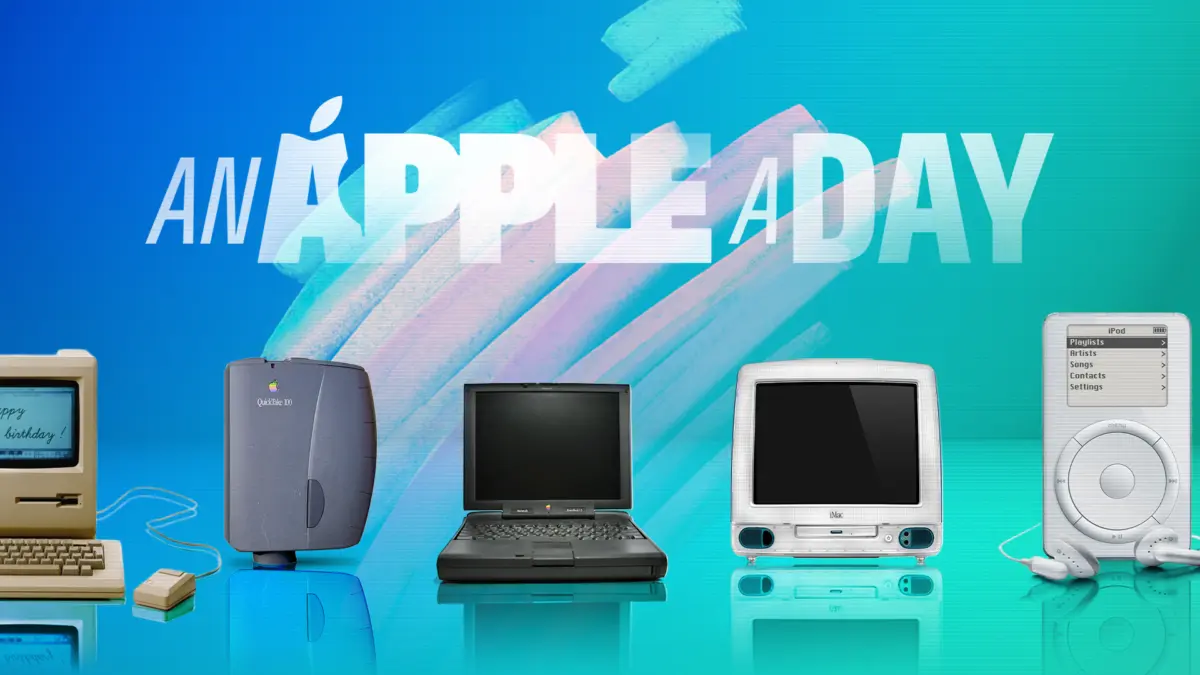
As journalists and analysts brace for the September showcase, newsrooms across The CNET Group are launching a dedicated editorial series titled “Apple a Day.” Running daily through September, the series highlights critical coverage moments from the past two decades. Furthermore, to engage the readership, the network has launched the "Big Guessing Game" contest, offering tech enthusiasts a chance to win a brand-new Apple Watch by correctly forecasting Apple’s next strategic moves.
Chronology: Milestones That Shaped the Apple Ecosystem
To trace Apple’s trajectory is to trace the evolution of consumer technology in the 21st century. The timeline of the company’s major pivots reveals a deliberate, if occasionally volatile, strategy of reinvention.
2005: The Intel Transition
Long before Apple became famous for designing its own custom M-series silicon, the company relied on PowerPC processors through an alliance with IBM and Motorola. By the mid-2000s, however, those chips were failing to keep pace with the thermal and performance demands of modern computing, particularly regarding Apple’s laptop lines.
At the Worldwide Developers Conference (WWDC) in June 2005, Steve Jobs made a jaw-dropping announcement: Apple was transitioning its entire Mac lineup to Intel processors. Veteran journalists covering the event noted the immense engineering hurdles and software translation challenges this would require. Yet, the move ultimately revitalized the Mac brand, setting the stage for a prolonged period of hardware growth and proving that Apple was willing to abandon legacy architecture in the pursuit of performance.
2007: The iPhone Gambit
The launch of the original iPhone remains the definitive watershed moment in modern tech history. While competitors were refining BlackBerry devices with physical QWERTY keyboards or pushing stylus-driven Windows Mobile PDAs, Apple introduced a multi-touch capacitive screen, a simplified operating system (then called iPhone OS), and a web browser that rendered actual web pages rather than stripped-down WAP sites.
The early days of coverage were rife with doubt. Reviewers pointed out the lack of 3G connectivity, the closed ecosystem, and the high price tag. Within a few years, however, the launch of the App Store in 2008 transformed the device from a mere telephone into a versatile, pocket-sized supercomputer, upending entire industries ranging from photography to taxi services.
2015: The Wearable Frontier and "One More Thing"
By the time Tim Cook took the stage at the Yerba Buena Center for the Arts in San Francisco on September 9, 2014—and subsequently detailed the device at a deeper launch event in April 2015—Apple was firmly entrenched as a mobile powerhouse. The introduction of the Apple Watch, teased with Jobs’s iconic "one more thing" phrase, represented the company’s first major hardware category under Cook’s leadership.
Initial critical reception was mixed. Skeptics questioned the necessity of a smartwatch, the battery life, and the fashion appeal of a wrist-mounted gadget. Yet, over the subsequent decade, Apple methodically pivoted the device’s core value proposition away from mere notifications toward health, fitness, and biometric monitoring, turning the Apple Watch into the dominant player in the global smartwatch market.
Supporting Data: The Metrics of Modern Dominance
The narrative of Apple’s success is reinforced by hard economic and market data. Over the past twenty years, the company’s financial footprint has expanded exponentially.
- Market Capitalization: In 2007, around the launch of the iPhone, Apple’s market valuation hovered around $70–$80 billion. Today, the company routinely fluctuates near the $3 trillion mark, making it a bellwether for the broader global economy.
- The Services Juggernaut: While hardware—specifically the iPhone—remains the primary revenue driver, Apple’s Services division (encompassing iCloud, Apple Music, App Store commissions, Apple Pay, and Apple TV+) has grown into a multi-billion-dollar powerhouse. Services revenue often accounts for over 20% of the company’s total quarterly earnings, providing a stabilizing recurring-revenue buffer against cyclical hardware upgrade cycles.
- Global Market Share: Despite facing fierce competition from Android manufacturers like Samsung, Google, and a myriad of fast-growing Chinese brands, Apple maintains an ironclad grip on the premium smartphone tier. In key markets like the United States, the iPhone commands over 50% of the total smartphone market share, with particularly high retention rates among younger demographics.
- Research and Development (R&D) Expenditure: Apple pours tens of billions of dollars annually into R&D. In recent years, a significant portion of this capital has been funneled into custom silicon development (culminating in the M-series chips and various neural engines), augmented reality frameworks, and proprietary manufacturing processes.
Official Responses and Industry Perspectives
As the tech sector awaits the September 9 event, executives, developers, and regulatory bodies have weighed in on Apple’s current trajectory and its future challenges.
Apple’s leadership, characteristically tight-lipped regarding unannounced products, has consistently framed its upcoming innovations around the themes of user privacy, seamless ecosystem integration, and ambient computing. In recent earnings calls, CEO Tim Cook has emphasized the transformative potential of artificial intelligence—branded carefully by Apple as "Apple Intelligence"—positioning the company not as a latecomer to the AI boom, but as a deliberate actor prioritizing privacy and on-device processing over cloud-heavy data harvesting.
Industry analysts, however, maintain a watchful eye on regulatory pressures. Antitrust scrutiny from the United States Department of Justice, the European Union’s Digital Markets Act (DMA), and similar regulatory frameworks worldwide have forced Apple to alter foundational aspects of its business model. From opening the iOS ecosystem to alternative app marketplaces in Europe to grappling with standard-setting pressures, Apple faces a shifting legal landscape that threatens its historic walled-garden approach.
Developer communities have expressed cautious optimism regarding hardware refreshes and software APIs, though tensions remain high regarding App Store commission structures and sideloading protocols. Nevertheless, the magnetic pull of Apple’s developer ecosystem remains unmatched, with millions of software engineers worldwide building applications explicitly tailored to iOS, macOS, and watchOS.
Implications: What Apple’s Past Tells Us About the Future
Examining Apple’s historical missteps and triumphs provides a valuable lens through which to view its upcoming announcements. History suggests that Apple rarely wins the race to be first to market with a new technology.
- The iPod was not the first MP3 player; Creative and Diamond Multimedia had products on shelves years prior.
- The iPhone was not the first smartphone; Palm, BlackBerry, and Nokia had established deep corporate and consumer roots.
- The iPad was not the first tablet; Microsoft and various PC manufacturers had experimented with tablet form factors for a decade.
- The Apple Watch was not the first smartwatch; Pebble, Samsung, and Sony had already deployed wrist-worn wearables.
Instead, Apple’s historical playbook relies on the art of refinement, ecosystem synergy, and uncompromising user experience design. The company waits for a technology to mature, identifies the friction points that frustrate everyday consumers, and then deploys an integrated hardware-software solution that redefines user expectations.
As the September 9 fall event approaches, industry watchers should look past the immediate spec sheets. Whether the announcements involve iterative hardware updates, breakthroughs in health sensing, or deeper integrations of artificial intelligence into everyday workflows, the broader implication is clear. Apple is playing a long, calculated game—one forged through decades of trial, public skepticism, massive financial growth, and relentless iteration.
If the past twenty years of tech journalism have taught us anything, it is this: writing off Apple, regardless of how crowded or skeptical the room may be, is a perilous venture. The naysayers of 2007 learned that lesson the hard way; as the tech giant prepares to turn the page to its next chapter, the world is watching to see history repeat itself.
