

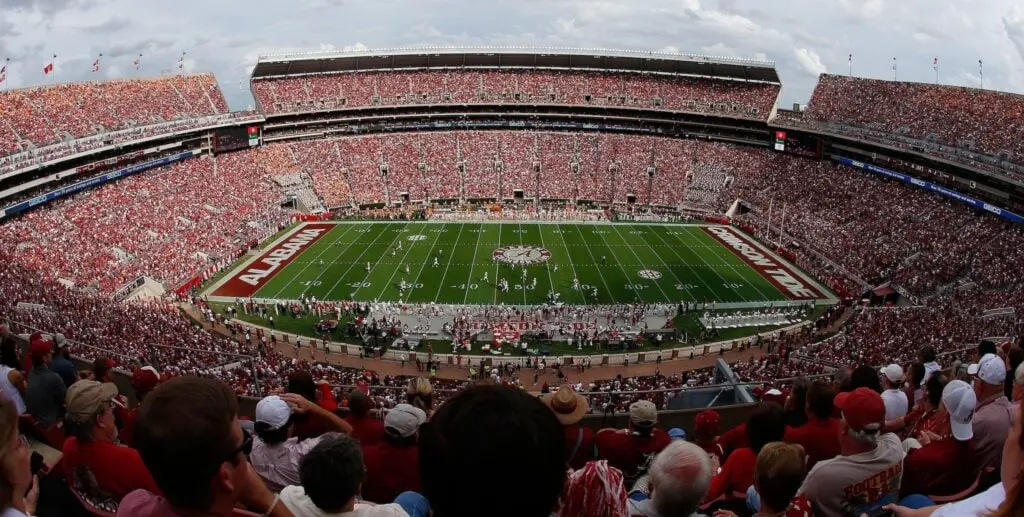
As autumn approaches, signaling the return of college football, college towns across the United States brace for an influx of hundreds of thousands of fans. For real estate investors, this seasonal ritual is more than a cultural phenomenon—it represents a dependable, highly lucrative revenue spike.
A comprehensive market analysis drawing on AirDNA performance data, Zillow Home Value Index metrics, and municipal zoning ordinances evaluates how effectively university towns translate fall sports enthusiasm into sustainable short-term rental (STR) returns.
The study highlights that while powerhouse football programs often drive massive nightly rate premiums, high rankings do not automatically equate to top-tier real estate investments. Instead, successful college town investing relies on a delicate balance between seasonal demand, affordable entry prices, and navigable municipal zoning laws.
Chronology: Methodology and Data Collection Phase
The research methodology required a rigorous, multi-step filtering process to identify the top short-term rental markets for the upcoming season:
- Initial Screening (Pre-Season): The study began by analyzing the home markets of the top 50 NCAA football programs. Markets located within major metropolitan areas—such as Los Angeles or Atlanta—were eliminated early, as large stadiums in vast urban ecosystems (e.g., a 100,000-seat stadium in a metro of 2 million people) fail to generate a distinct rate curve. Markets with insufficient data density were also pruned, leaving 22 finalist markets.
- Scoring and Metric Weighting: Each finalist market was evaluated across core STR metrics: gross revenue, Average Daily Rate (ADR), occupancy rates, and active supply growth, alongside trailing 12-month data trends through July 2026 and Zillow home values from August 2026. Unofficial metrics, such as how vacant a town feels from February through August, were also factored into the qualitative analysis.
- Regulatory Audits: Following the quantitative screening, a comprehensive, nine-hour review of municipal zoning ordinances, overlay districts, and permit availability was conducted for every finalist. Markets with declining revenue (greater than 5% year-over-year) or absolute prohibitions against remote investors were disqualified.
- Final Ranking Formulation: The final top 10 list and honorable mentions were compiled, balancing high-yield seasonal returns against the harsh reality of local regulatory frameworks.
Supporting Data: The Top College Real Estate Markets
While major football powerhouses like Ohio State or Oregon command massive sports headlines, smaller towns often provide superior cash-flow metrics. Below is a breakdown of key markets evaluated in the study:
10. Columbus, OH (Ohio State Buckeyes)
- Market Strengths: Features the highest occupancy rate in the study (62% for homes under $250,000) driven by a diversified economy anchored by Intel, Nationwide, and major medical systems, ensuring steady bookings year-round.
- Investor Reality: Surprisingly ranks 10th despite the team’s top-tier status. The fall rate premium is negligible (0.98x lift), meaning football weekends don’t heavily distort the calendar. Permitting via the Department of Public Safety is straightforward ($150 annual fee for investment properties).
9. Columbia, MO (Missouri Tigers)
- Market Strengths: Revenue climbed 15.6% year-over-year while active listings dropped 2.7%. It is one of the rare markets where fall revenue outpaces summer revenue.
- Investor Reality: City rules limit short-term rentals to eight occupants and restrict non-owner-occupied properties to a maximum of 120 to 210 nights per year via conditional use permits. The most lucrative properties are often rural or downtown parcels rather than suburban homes.
8. Columbia, SC (South Carolina Gamecocks)
- Market Strengths: Strong revenue yield, with a median-priced home ($230,662) generating over $36,000 at 61% occupancy.
- Investor Reality: Residential zone non-owner-occupied rentals are heavily restricted and must front major multi-lane arterial roads. Investors should prioritize commercial or mixed-use districts, especially given past municipal moratoriums on residential STR permits.
7. Norman, OK (Oklahoma Sooners)
- Market Strengths: Revenue increased by 12.2% with a low entry price point (median home values start in the $200k range) and a limited inventory of 558 active listings.
- Investor Reality: Norman offers one of the most transparent regulatory frameworks for investors, though proposed increases to the municipal guest tax require careful underwriting.
6. Iowa City, IA (Iowa Hawkeyes)
- Market Strengths: A standout growth market boasting an 18.8% increase in revenue, a 12.4% rise in occupancy, and a 3.6% reduction in active listings.
- Investor Reality: State-level legislation in Iowa preempts cities from banning or capping short-term rentals, keeping local regulatory hurdles low. Interestingly, secluded log cabins located 15 minutes outside town frequently outperform urban properties within walking distance of Kinnick Stadium.
5. Lubbock, TX (Texas Tech Red Raiders)
- Market Strengths: Offers some of the most affordable real estate on the list, with a median home price of $212,191 yielding nearly $30,000 in annual revenue.
- Investor Reality: Graduation weekend actually outearns football weekends, meaning investors are buying into a low-cost housing market with steady organic demand rather than a pure sports-driven asset.
4. Athens, GA (Georgia Bulldogs)
- Market Strengths: Exhibited resilient performance, shedding 7.2% of its housing supply while raising average nightly rates by 17%, supported by a robust 1.71x fall premium.
- Investor Reality: Athens-Clarke County enforces strict zoning rules. Remote investors cannot easily secure Home Occupation permits, and discretionary Special Use Permits in commercial zones face pushback from local commissioners.
3. Oxford, MS (Ole Miss Rebels)
- Market Strengths: The ultimate football-dependent market in the nation. It boasts the highest average nightly rate in the study ($438) and commands over $500 per night throughout the entire autumn season, despite a modest 33% annual occupancy rate.
- Investor Reality: The local Land Development Code does not explicitly classify non-owner-occupied whole-home rentals as a permitted use, requiring investors to secure a written determination from the Planning Director before closing.
2. Tuscaloosa, AL (Alabama Crimson Tide)
- Market Strengths: Fall nights average $513 compared to $252 in July—a 104% premium over summer rates—operating within a tight, low-supply market of just 525 active listings.
- Investor Reality: Residential properties in Tourist Overlay areas are restricted to a maximum of 45 days of short-term rental operation per calendar year by right. Furthermore, Alabama assesses non-homestead rental properties at double the tax rate of owner-occupied homes, effectively doubling the expected property tax burden.
1. South Bend, IN (Notre Dame Fighting Irish)
- Market Strengths: Claimed the top spot by outperforming peers across multiple categories: median home values hover around $202,170, average listings earn $39,546, and local real estate values appreciated by 6.9% year-over-year.
- Investor Reality: While a 46% occupancy rate deters some casual buyers, the six-to-seven home game weekends provide reliable cash flow that rivals much higher-priced university markets like Ann Arbor, Michigan—where entry costs are more than double for identical revenue.
Official Responses and Regulatory Frameworks
Municipalities across the United States are increasingly grappling with the proliferation of short-term rentals, particularly in college towns where housing inventory is already strained by student populations.
- State vs. Local Preemption: While states like Iowa have enacted legislation protecting short-term rentals from outright municipal bans and caps, other states leave the matter entirely to local city councils and county commissioners.
- Discretionary Approval Boards: In markets like Athens, Georgia, and Tuscaloosa, Alabama, local officials have adopted cautious or restrictive postures regarding commercial and non-owner-occupied STR permits. Urban development offices frequently require public hearings, strict night-cap limits (such as Tuscaloosa’s 45-day rule), or owner-occupancy mandates.
- Tax Code Adjustments: Local tax authorities are actively closing loopholes. Investors must account for specialized municipal and county lodging taxes, as well as shifts in property tax assessments that penalize non-homestead or rental classifications—such as in Indiana and Alabama, where effective property tax rates for investors run significantly higher than standard published averages.
Implications for Real Estate Investors
The empirical data gathered from these top college markets points to several vital takeaways for prospective real estate investors:
- The Regulatory Paradox: The most lucrative football markets—those with the highest fall-rate premiums—frequently feature the strictest zoning laws and permit caps. High tourist demand inevitably leads to community friction, prompting local councils to clamp down on short-term rentals.
- Rate vs. Volume: College football acts primarily as a pricing catalyst rather than an occupancy booster. Successful investments depend on monetizing a handful of high-value weekend spikes during the autumn months rather than projecting high year-round occupancy rates.
- The Fallacy of Poll Rankings: A team’s national ranking or the quality of its incoming recruiting class does not reliably correlate with real estate returns. High-ranking programs in major metropolitan areas or stagnant markets often yield lower returns than smaller, strategically positioned college towns.
- Due Diligence is Mandatory: Relying solely on high-level market metrics (such as broad AirDNA estimates or generalized county tax rates) can severely distort underwriting pro formas. Investors must thoroughly verify property-level zoning legality, permit availability, night caps, and true non-homestead tax liabilities before entering into any binding purchase agreement.
