

As the old cinematic adage goes—famously delivered by Al Pacino in The Godfather III—“Just when I thought I was out, they pull me back in!”
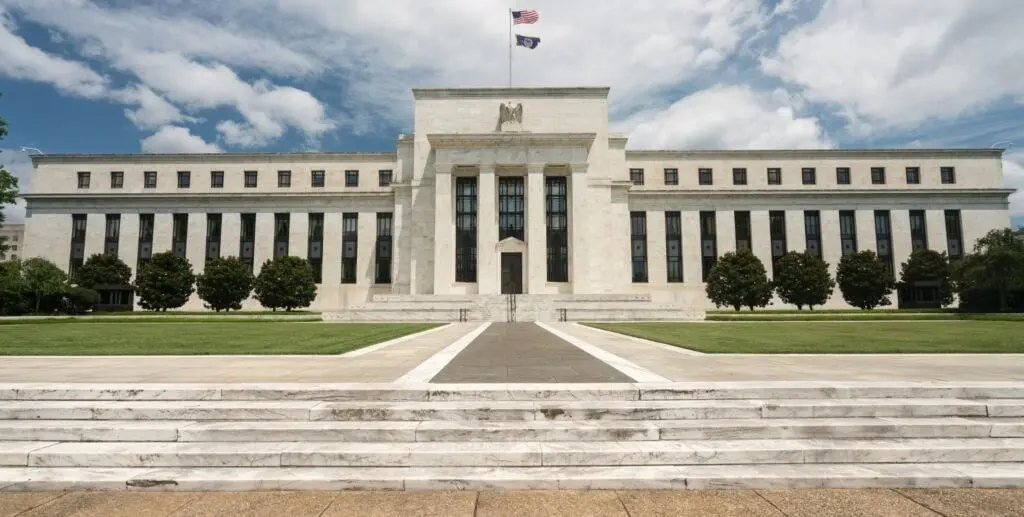
For real estate investors across the United States, that sentiment captures the prevailing mood as the Federal Reserve pivots away from anticipated monetary easing. Just as the market began adjusting to the prospect of declining borrowing costs under a new leadership mandate, the central bank announced a surprise quarter-percentage-point rate hike. This development has sent shockwaves through the property sector, transporting investors back to the challenging, negative-cash-flow environment of 2022.
With mortgage rates already hovering stubbornly above the 7% threshold, this latest macroeconomic shift has added immediate friction to an already cooling housing market. However, seasoned investors and industry analysts note that higher interest rates are not universally negative. While leveraged purchasing becomes significantly harder, capital-rich buyers may find themselves uniquely positioned to capitalize on falling prices, reduced competition, and robust rental demand.
Main Facts: The Anatomy of the New Rate Hike
The macroeconomic landscape shifted following the Federal Reserve’s September meeting, driven largely by rising inflationary pressures compounded by geopolitical instability in the Middle East, specifically surrounding ongoing conflicts involving Iran.
- The Fed’s Action: The Federal Reserve implemented a quarter-percentage-point rate hike, signaling a temporary halt to expected monetary easing cycles.
- Mortgage Rates vs. Federal Funds Rate: It is a common misconception that the Fed directly dictates mortgage rates. Mortgage figures are intrinsically tied to long-term bond yields, inflation forecasts, and market demand for mortgage-backed securities. This explains why borrowing costs had already crept upward even before the central bank’s official announcement.
- The Buyer Squeeze: Industry experts point out that the compounding effect of record-high home prices and elevated interest rates is pricing out entire segments of retail owner-occupants. Moving mortgage rates from 6.75% to 7% instantly sidelines a substantial wave of prospective buyers.
Chronology: A Familiar Script With New Actors
To understand where the market is heading, economists suggest looking backward. The current economic drama is a sequel played out multiple times over recent years, featuring a revolving cast of central bank and administrative leaders.
[2020–2021] Low Rates & Boom ➔ [2022–2023] Rapid Fed Hikes ➔ [2024–2025] Anticipated Easing ➔ [Current] Unexpected Rate Reversal- The Powell-Biden Era: Marked by post-pandemic economic recovery, soaring inflation, and the aggressive initial wave of rapid interest rate hikes designed to cool an overheated economy.
- The Powell-Trump Era: Characterized by continued monetary balancing acts, political friction over inflation targets, and a protracted plateau in borrowing costs.
- The Warsh-Trump Era: The current chapter, featuring newly appointed leadership under a fresh mandate that investors initially hoped would prioritize aggressive rate cuts—hopes that have now been tempered by stubborn inflationary data.
Despite the changing political and central banking actors, the overarching script remains remarkably consistent: leveraged rental properties struggle to achieve immediate positive cash flow, and fix-and-flip buyers face steep hurdles in qualifying for affordable short-term financing.
Supporting Data: Regional Divergence and Market Realities
The U.S. housing market is far from monolithic. Regional data compiled by organizations like Realtor.com and the Federal Reserve Bank of New York reveals stark geographic differences in how local markets are absorbing high interest rates.
Regional Pending Sales (Year-Over-Year Trends)
- The Midwest: Emerging as a prime hunting ground for deals, with August pending sales down 4.3% compared to the previous year.
- The West: Continuing a cooling trend, with pending sales down 3.3%.
- The South: Showing surprising resilience, with pending sales ticking upward by 1.8%.
- The Northeast: Experiencing modest growth, with pending sales up 1.1%.
Price Reductions and Market Liquidity
Price adjustments vary drastically by region. While only about 14.15% of active listings in the Northeast have seen price reductions, that figure balloons to over 20% across the West and South. Consequently, real estate investors cannot rely on blanket national strategies; instead, underwriting must factor in hyper-local metrics, including regional inventory levels, municipal taxes, property insurance costs, and localized rent growth.
Official Responses and Industry Perspectives
Real estate executives, mortgage brokers, and financial analysts have weighed in heavily on the psychological and practical impacts of the Federal Reserve’s latest policy maneuvers.
"For buyers, a slower market can actually create opportunity," notes Benjamin Cohen, a prominent mortgage industry executive. "There is more time to make a decision, more negotiating power, and potentially more flexibility from sellers who are no longer seeing multiple competing offers within 48 hours."
However, the affordability crisis remains a primary concern for retail market participants. Beau Keenan, broker-owner of Dickson Realty, emphasizes the psychological barrier of crossing key interest rate thresholds:
"Historically, rates are not that high, but we are also at the highest prices ever seen in many markets," Keenan explains. "Having rates this high on top of record-high prices—we noticed that just going from a 6.75% rate to a 7% rate takes out a massive swath of buyers."
Conversely, for investors operating with substantial liquidity, market contractions represent a textbook opportunity to acquire assets free from hyper-competitive bidding wars. Anna-Marie Ellison, vice president of sales at John R. Wood Properties Christie’s International Real Estate, highlights this dynamic:
"A lot of our buyers are coming in with equity from a home they just sold, or they’re paying cash outright, so a rate hike isn’t going to keep them away."
Implications for Real Estate Investors
As the dust settles from the Fed’s latest announcement, real estate investors must adapt their strategies to protect existing assets while selectively identifying new opportunities.
1. The Rise of Cash and Equity
True to the hip-hop adage popularized by the Wu-Tang Clan, cash truly rules the current economic environment. Investors holding liquid capital or significant home equity are insulated from volatile debt markets. Those lacking immediate cash reserves are increasingly turning to alternative funding mechanisms, including private lending, portfolio lines of credit, and strategic partnerships.
2. Strong Rental Demand Cushions the Blow
While conventional leveraged investing—including popular strategies like the BRRRR (Buy, Rehab, Rent, Refinance, Repeat) method—faces severe headwinds, the macroeconomic environment offers a powerful silver lining. Because higher mortgage rates price out retail buyers, millions of prospective homeowners are forced to remain in the rental pool. Data from the Federal Reserve Bank of New York indicates that consumer inflation expectations and rent growth remain firm, ensuring strong absorption rates for rental properties in both urban and suburban submarkets.
3. Focus on Asset Stabilization and Upgrades
For established landlords locked into low-rate fixed mortgages secured during previous years, taking on new debt to fuel aggressive portfolio expansion may carry unnecessary risk. Financial advisors suggest a pivot toward defense: utilizing current rental cash flow to execute capital improvements, upgrade finishes, and secure high-quality, long-term tenants. Stabilizing existing assets reduces operational stress and preserves capital during uncertain economic cycles.
4. Strategic Portfolio Pruning
For multi-property owners who have aggressively scaled their portfolios, the current climate may call for a tactical pause. If high-rate floating debt or underperforming assets are bleeding cash with little prospect of near-term refinancing relief, strategic divestment should be considered. Taking a calculated financial loss on a single asset to pay down balances and preserve a leaner, healthier portfolio can prevent long-term financial distress.
Final Thoughts
Navigating a high-interest-rate environment requires discipline, patience, and a clear-eyed evaluation of individual financial thresholds. While the temptation to continuously acquire doors can be powerful, long-term wealth preservation often relies on knowing when to step on the gas and when to coast.
As investors chart their course through the remainder of the year, the overarching lesson remains clear: safeguard your liquidity, focus on localized market fundamentals, and remember that financial endurance is just as important as aggressive growth.
