

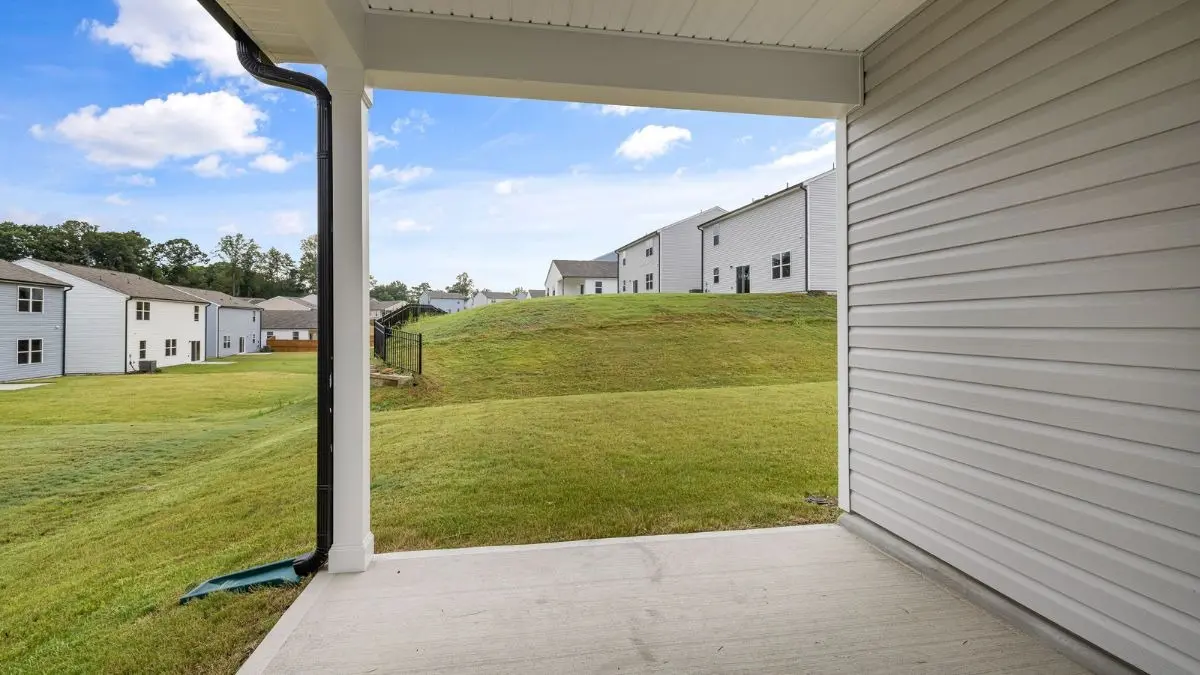
WASHINGTON — A rebound in new home sales offers a deceptive surface look at the health of the American housing market. Newly released data from the U.S. Census Bureau indicates that while single-family home purchases climbed in August 2026, the underlying market dynamics reveal a grueling balancing act for homebuilders. To entice cautious buyers off the sidelines, developers are increasingly relying on aggressive price adjustments, complex mortgage rate buydowns, and strategic product redesigns aimed at engineering baseline affordability.
Yet, despite these Herculean efforts by builders to effectively put homes “on sale,” the broader market has failed to stage a true demand recovery. Stubbornly high mortgage rates, compounding macroeconomic anxieties, and historic cash-to-close requirements continue to lock out or freeze prospective buyers across nearly every demographic.
Main Facts
According to U.S. Census Bureau figures released Thursday, sales of newly built single-family homes rose 6.4% in August compared to July. However, this month-over-month recovery falls flat when measured against a broader historical lens: sales remain down 2.0% year-over-year, and year-to-date figures continue to trail 2025 performance.
The primary driver behind August’s transaction lift is not organic buyer enthusiasm, but deep-seated financial engineering by builders. The median sales price for a new home dropped to $393,700 in August—marking a notable 5.8% decline from the same period in 2025.
Inventories remain heavily saturated. At the end of August, an estimated 483,000 new homes were listed for sale, representing an 8.5-month supply at the current sales pace. This total includes 112,000 completed homes ready for immediate occupancy—standing inventory that exerts relentless pressure on builders to offload units even as they scale back new construction starts.
Regionally, the South continues to anchor the national market, accounting for approximately 66% of all new home sales recorded during the month. However, high-cost barriers continue to restrict market entry nationwide, with down payments and cash reserves reaching staggering historical extremes for everyday households.
Chronology of the 2026 Housing Market Crunch
To understand the precarious state of the late-summer housing market, it is necessary to examine how economic pressures have mounted throughout 2026:
- Spring 2026: Early-season momentum stalls as mortgage rates remain elevated. Unlike previous years where pent-up demand easily absorbed rate hikes, prospective buyers begin hitting a structural affordability ceiling.
- Early Summer 2026: Macroeconomic headwinds intensify. Escalating geopolitical conflicts in the Middle East, rising energy and utility costs, and pervasive anxieties regarding artificial intelligence’s impact on job security bleed into consumer sentiment. Major homebuilders report a distinct cooling of prospective buyer traffic.
- Mid-to-Late Summer 2026: Realizing that traditional marketing strategies are failing, major builders like Lennar and KB Home signal during earnings calls that market conditions have deteriorated. Roughly 80% to 90% of all new home sales require aggressive mortgage rate buydowns to clear underwriting hurdles.
- Late August 2026: Census Bureau data registers a 6.4% monthly bump in sales, driven almost entirely by price concessions and a shift toward smaller, more affordable floor plans. Simultaneously, inventory peaks at 483,000 units, forcing developers to carefully weigh construction cutbacks against the need to generate immediate cash flow.
- Early September 2026: Earnings cycle disclosures reveal that roughly 50% of prospective buyers visiting builder communities fail to qualify for mortgages, underscoring the severe disconnect between prevailing home prices, incomes, and financing costs.
Supporting Data and Market Metrics
The tension between builder concessions and consumer constraints is laid bare by the hard data surrounding August 2026 housing transactions:
- Sales Volume & Pricing: Single-family sales rose 6.4% month-over-month but dropped 2.0% annually. The median sales price settled at $393,700, down 5.8% year-over-year.
- Price-Tier Shifts: Homes priced below $300,000 expanded to capture 22% of August sales, a clear indicator of builders shifting toward lower price points. Homes priced between $300,000 and $499,999 accounted for 50% of sales, while properties above $500,000 saw their market share decline to 26%.
- Inventory Levels: Total new homes for sale stood at 483,000 at August’s close, translating to an 8.5-month supply. Of these, 112,000 units were fully completed and awaiting occupancy.
- Mortgage Qualification Failures: According to industry reports from leading builders, up to 50% of prospective buyers touring new home communities in recent months failed to qualify for financing.
- The Cash-to-Close Barrier: Data from former Zillow Senior Economist Orphe Divounguy highlights that a median-income U.S. household requires approximately $159,100 in cash at closing to purchase a typical home while keeping monthly housing costs under 28% of gross income—four times the cash requirement of 2020. Conversely, Realtor.com noted that average actual down payments fell to $27,100, the lowest level in five years, as buyers exhaust savings just to meet minimal thresholds.
Official Responses and Industry Perspectives
Industry leaders and economic analysts emphasize that today’s market requires unprecedented effort to convert prospective lookers into contractual buyers.
Stuart Miller, President and CEO of 500-homebuilding giant Lennar, addressed the psychological toll of inflation and living costs during the company’s recent earnings call:
"When families are paying more at the pump and more for electricity, their willingness to make the largest financial commitment of their lives moderates, even when their underlying desire to own has not changed at all."
Selma Hepp, Chief Economist at CoreLogic, noted that developers have fundamentally altered their sales strategies to clear backlogs:
"Homebuilders have become increasingly aggressive in using price cuts, mortgage rate buydowns and other incentives to attract buyers, effectively shifting homes from ‘for sale’ to ‘on sale’."
Echoing the sentiment that closing deals has become increasingly arduous, First American Senior Economist Sam Williamson observed that builders simply "need to work harder for every sale."
Looking toward the catalysts required to jump-start genuine demand, KB Home Executive Chairman Jeffrey Mezger pointed directly to consumer psychology during his company’s earnings briefing:
"I think if you get a little jolt of consumer confidence, you’ll see a lift in housing demand… The people are out there. Our traffic is down, but it is down by an order of magnitude, about 10%. So there are a lot of people out still looking for homes. They’re just cautious… But if they feel better about where things are headed, I think you’ll see demand come right back."
Implications for the Broader Economy and Housing Sector
The August 2026 housing data signals a fundamental maturation—and potential vulnerability—in the post-pandemic real estate landscape.
For homebuilders, the era of effortless margin expansion has definitively closed. Developers are being forced to accept compressed margins, absorbing the ongoing costs of permanent rate buydowns and pivoting toward lower-margin, entry-level product mixes. If consumer confidence remains suppressed and mortgage rates hover at elevated levels, builders will likely be forced to further curtail housing starts, risking a slowdown in residential construction employment and supply chain velocity.
For prospective buyers, the market remains a paradox of accessibility. While builders are cutting headline prices and offering unprecedented incentives, the structural barriers to entry—chiefly inflated borrowing costs, strict lending underwriting standards, and astronomical cash-to-close requirements—mean that homeownership is increasingly slipping out of reach for median-income families and first-time buyers.
Ultimately, the August rebound is not a harbinger of a runaway housing boom. Instead, it serves as a testament to the heavy lifting required by homebuilders to keep the market moving forward in an era of profound economic uncertainty. Until a broader convergence of falling mortgage rates, easing inflation, and restored consumer confidence takes hold, the American housing market will remain locked in this delicate, high-incentive equilibrium.
