

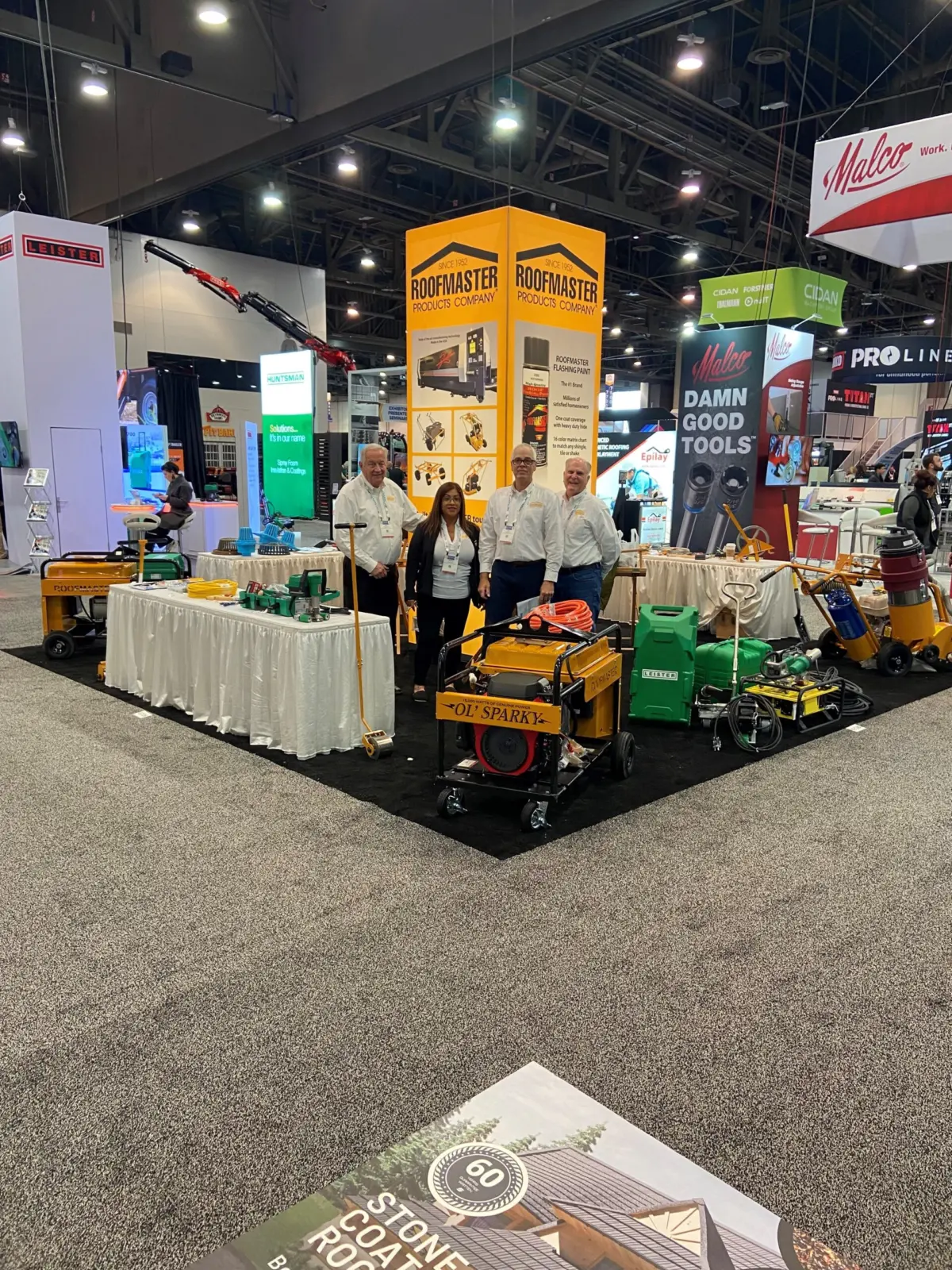
Main Facts: Streamlining a Massive Industrial Catalog for a New Era of Infrastructure
LOS ANGELES, CA — In a major bid to resolve ongoing supply chain complexities and meet the unprecedented demand of the North American commercial construction sector, Roofmaster Products, a premier manufacturer and distributor of professional roofing equipment, has announced a comprehensive modernization of its operational infrastructure. The initiative includes a major overhaul of its digital procurement platform, a restructuring of its regional distribution networks, and a localized push to secure raw materials for its highly specialized product lines.
With a product catalog spanning thousands of stock-keeping units (SKUs)—ranging from heavy-duty, on-deck asphalt kettles to precision single-ply hot air welders and OSHA-compliant fall arrest systems—the company’s operational shift represents a significant milestone for the industrial roofing supply chain.
The primary objectives of this multi-million-dollar modernization initiative include:
- Digital Integration of Inventory Systems: Transitioning Roofmaster’s extensive catalog of tools, drains, and heavy machinery into an interconnected, real-time database to prevent contractor downtime.
- Supply Chain Resiliency: Establishing localized redundancy for critical raw materials, particularly copper, cast iron, and high-grade aluminum used in commercial drainage and hoisting systems.
- Expansion of Safety and Training Support: Integrating comprehensive safety compliance documentation directly into the product procurement cycle, assisting contractors in meeting stricter federal safety mandates.
As commercial roofing projects face tighter deadlines and stricter environmental standards, Roofmaster’s strategic pivot aims to establish a new benchmark for how heavy industrial equipment and specialized hand tools are distributed to job sites across the continent.
Chronology: The Road to Modernization (2021–2026)
The rollout of Roofmaster’s strategic overhaul is the culmination of a multi-year analysis of contractor purchasing patterns, manufacturing bottlenecks, and macroeconomic pressures. Below is the timeline detailing how the company arrived at its current modernization phase and where the project is headed.
[2021–2022: Pandemic Backlogs] ➔ [Mid-2023: Logistics Audit] ➔ [Late-2024: Phase 1 Digital Launch] ➔ [Mid-2025: Phase 2 Distribution] ➔ [2026 Target: Automated Supply]2021–2022: Pandemic-Induced Supply Chain Bottlenecks
During the peak of the global supply chain crisis, Roofmaster, like many industrial manufacturers, faced severe lead-time delays. Shortages of microchips for powered hand tools, volatility in the steel and copper markets, and a lack of freight container availability led to localized deficits in high-demand items, particularly commercial retrofit drains and specialized single-ply hot air welding equipment.
Mid-2023: The Logistics and Catalog Audit
Roofmaster commissioned an external logistical audit to analyze inefficiencies within its product distribution network. The audit revealed that while manufacturing capabilities remained strong, contractors struggled with navigating the company’s massive, multi-tiered product directory. It became clear that the digital catalog required a complete architecture rebuild to allow regional distributors to locate specialized parts—such as kettle repair components, specialized flexmetal, and litewall tubing—instantly.
Late 2024: Phase 1 – Digital Platform and Catalog Rebuild
Roofmaster launched the first phase of its modernized web interface. This update consolidated thousands of highly specific product categories—including adhesive rollers, air tool accessories, powered on-deck equipment, and fall protection safety gear—into a unified, searchable, and mobile-friendly database. The platform integrated real-time warehouse inventory levels, allowing contractors on active job sites to verify the immediate availability of critical parts.
Mid-2025: Phase 2 – Regional Distribution Hub Expansion
To drastically reduce shipping transit times, Roofmaster began expanding its physical distribution hubs. The company established new logistical centers in the Midwest and Southeast, strategically locating inventory closer to major metropolitan construction zones. High-demand safety equipment, such as perimeter warnings, roof anchors, and fall arrest harnesses, were prioritized for local stock.
2026 Target: Complete Integration and Predictive Supply Chains
By the end of 2026, Roofmaster plans to implement predictive artificial intelligence within its inventory management system. By analyzing regional weather patterns and historical seasonal purchasing data, the system will automatically pre-position critical materials—such as asphalt-based primers, mops, and tear-off tools—in regional warehouses ahead of peak construction seasons.
Supporting Data: Deciphering the Massive Inventory and Market Demands
To understand the scale of Roofmaster’s logistical undertaking, one must analyze the sheer breadth of its product inventory. The company’s catalog is categorized into distinct operational divisions, each serving a critical phase of the commercial and industrial roofing lifecycle.
                           ┌──────────────────────────────┐
                           │  Roofmaster Product Catalog  │
                           └──────────────┬───────────────┘
                                          │
         ┌────────────────────────┬───────┴────────┬────────────────────────┐
         ▼                        ▼                ▼                        ▼
┌─────────────────┐      ┌─────────────────┐      ┌─────────────────┐      ┌─────────────────┐
│     On-Deck     │      │   Single-Ply    │      │ Water & Drainage│      │Safety Compliance│
│    Equipment    │      │    Equipment    │      │     Systems     │      │    & Rigging    │
└─────────────────┘      └─────────────────┘      └─────────────────┘      └─────────────────┘
1. On-Deck and Heavy Thermal Processing Equipment
At the core of traditional commercial roofing is "on-deck" heavy equipment. Roofmaster’s proprietary asphalt kettles, tanker pumps, and hot asphalt carriers require a highly specialized supply chain.
- The Component Complexity: A single asphalt kettle relies on a complex assembly of kerosene or LP burners, litewall tubing, unions, regulator parts, and replacement engines.
- Logistical Challenge: Because thermal processing equipment operates under extreme temperatures and pressures, replacement parts must be manufactured to precise tolerances. Ensuring the steady availability of components like "Flexmetal MCOE" and specialized "Top Swivel Assemblies" is vital for preventing costly operational stoppages on-site.
2. The Rise of Single-Ply and Membrane Technologies
As modern architectural designs increasingly favor thermoplastic polyolefin (TPO) and ethylene propylene diene monomer (EPDM) synthetic membranes, the demand for single-ply tools has skyrocketed.
- Key Equipment Categories: This segment includes hot air welders, steel and rubber rollers, adhesive rollers, frames, and modified bitumen LP torches.
- Market Growth Data: Industry reports indicate that the single-ply membrane market is projected to grow at a compound annual growth rate (CAGR) of over 5.5% through 2030. Roofmaster has responded by doubling its production capacity for single-ply testers, scissors, and automated welding accessories.
3. Water Management and Commercial Drainage Systems
Water infiltration remains the leading cause of structural failure in commercial buildings. Consequently, drainage components represent a highly active sector of Roofmaster’s catalog.
- Materials Diversity: The inventory spans cast iron drains (large, medium, and small sumps), plastic roof drains, scuppers, and side-outlet drains.
- The Retrofit Boom: With aging infrastructure across North American cities, the market for "Retrofit Drains" (available in copper, aluminum, and plastic) has outpaced new-construction drainage installations by a margin of 3 to 1. Roofmaster’s logistics update ensures these critical water-management products can be shipped to renovation projects within 24 hours.
4. Safety Compliance and Rigging Infrastructure
Fall protection remains the most frequently cited OSHA violation in the construction industry. Roofmaster’s dedicated safety segment covers:
- Fall Arrest Systems: Harnesses, roof anchors, and deceleration lifelines.
- Perimeter Warning Systems: Roof-edge flagging, warning signs, cones, and safety tapes.
- Personal Protection Equipment (PPE): Specialized footwear, safety glasses, gloves, and first aid/burn kits tailored specifically for hot-asphalt environments.
Official Responses: Executive Perspectives and Industry Commentary
The strategic restructuring of Roofmaster’s catalog and distribution model has drawn significant attention from both internal leadership and external industry analysts.
Executive Commentary: Addressing Contractor Pain Points
Arthur Vance, Chief Operating Officer of Roofmaster Products, emphasized that the decision to modernize was driven entirely by customer feedback:
"For decades, professional roofing contractors have relied on Roofmaster for our rugged engineering and catalog depth. However, in the modern construction landscape, having a great product is only half the battle. If a contractor is on a high-rise in Chicago and a critical kettle pump part or a specific hot air welder accessory breaks, they cannot wait two weeks for a replacement.
Our newly optimized digital platform and expanded regional hubs are designed to eliminate the word ‘backordered’ from our vocabulary. We are investing heavily in domestic manufacturing for our copper and aluminum retrofit drains, ensuring we are not at the mercy of volatile international shipping lanes."
Regulatory Compliance: Aligning with Federal Safety Mandates
Marcus Thompson, Director of Occupational Safety and Health Consulting at the National Roofing Contractors Association (NRCA), commended Roofmaster’s proactive integration of safety gear within its primary purchasing pipelines:
"Fall protection is not an area where contractors can afford to cut corners. By placing OSHA-compliant fall arrest systems, perimeter warning lines, and personal protective equipment on the same logistical tier as primary tear-off tools and materials, Roofmaster is making safety compliance a seamless part of project planning. This integration will undoubtedly assist in reducing job site injuries."
Economic Analysis: The Broader Supply Chain Impact
Sarah Jenkins, Lead Industrial Analyst at the Dodge Construction Network, noted that Roofmaster’s restructuring reflects a broader trend among tier-one construction suppliers:
"What we are seeing with Roofmaster is a classic pivot toward ‘just-in-case’ inventory management, moving away from the fragile ‘just-in-time’ models of the pre-pandemic era. By holding larger volumes of raw components—like stainless steel nails, deck screws, copper retrofit drains, and specialized tire assemblies—and utilizing predictive distribution, they are shielding themselves and their clients from sudden macroeconomic shocks."
Implications: How the Restructuring Reshapes the Commercial Roofing Landscape
The modernization of Roofmaster’s product catalog and distribution framework has profound implications for the commercial roofing industry, affecting labor efficiency, material costs, and sustainable building practices.
| Focus Area | Key Operational Shift | Long-Term Industry Impact |
|---|---|---|
| Labor Efficiency | Greater availability of automated "on-deck" tools (e.g., GranuleMaster, WarmMaster, and powered feltslitters). | Mitigates the chronic labor shortage by reducing manual crew sizes on-site. |
| Material Costs | Domestically sourced copper and aluminum drainage systems. | Stabilizes bid pricing for municipal and commercial renovation projects. |
| Environmental Impact | Integration of solar-compatible roof accessories and high-efficiency drainage. | Supports developers aiming for LEED certification and modern green building codes. |
Mitigating the Industrial Labor Shortage
The construction industry continues to grapple with a severe shortage of skilled labor. By streamlining access to labor-saving, powered hand tools and heavy machinery—such as automated conveyors, powered roof hoists, and advanced spraying systems—Roofmaster enables contractors to complete complex tear-offs and installations with smaller crews. Automated systems like the GranuleMaster and high-efficiency WarmMaster sprayers reduce manual physical strain, lowering worker compensation claims and improving retention rates.
Price Stabilization in Volatile Markets
By establishing localized stockpiles of raw metals and pre-assembled fasteners (including deck screws, copper nails, and stainless steel fasteners), Roofmaster provides contractors with a buffer against sudden commodity price hikes. When contractors can lock in pricing for critical components like copper retrofit drains months in advance, their overall project bids become significantly more accurate, reducing the risk of mid-project contract renegotiations.
Supporting Green Building Initiatives and Climate Resilience
As municipal governments enact stricter stormwater management regulations, the demand for highly efficient drainage systems has escalated. Roofmaster’s focus on maintaining immediate availability of large-sump cast iron drains, combo/overflow drains, and advanced pipe stands supports developers in constructing climate-resilient structures. Furthermore, the inclusion of dedicated solar-roofing accessories and high-performance vent flashings ensures that commercial buildings are fully equipped to meet modern energy-efficiency mandates.
In an industry where time is quite literally money, Roofmaster’s structural and digital evolution is more than a simple corporate upgrade—it is a vital realignment designed to keep the wheels of the North American construction sector turning smoothly.
