

By Rebecca Lawton
Updated for the Fall Gardening Season
Every seasoned gardener knows the subtle frustration of working in the yard, only to realize the essential trowel, pruning shears, or twine is sitting fifty feet away in the garden shed. As you pivot between weeding a sprawling perennial border, deadheading summer annuals, and tucking spring bulbs into fresh soil, the physical toll of constantly backtracking quickly adds up.
Enter the garden tool caddy—a simple yet transformative organizational accessory designed to keep your most-used hand tools, gloves, and accessories right by your side. Whether you are managing a compact urban balcony container garden or navigating a sprawling suburban landscape, a well-designed caddy eliminates clutter, saves precious time, and protects your favorite implements from being misplaced in the grass.
As the gardening year shifts toward cooler temperatures, investing in a reliable transport system for your gear becomes even more critical. From traditional waxed canvas totes to rugged wooden toolboxes and sleek, waterproof synthetic bags, the market offers a diverse array of options tailored to every aesthetic and functional demand.
The Anatomy of an Efficient Garden Caddy: Main Facts
A high-performing garden tool caddy is much more than a simple bucket or bag; it is a mobile workstation. When evaluating the vast array of available options, experts look at several key features that dictate usability, durability, and comfort:
- Material Durability: Garden environments are notoriously harsh. Caddies must withstand damp soil, abrasive mulch, fertilizer residues, and intense ultraviolet radiation. Materials like heavy-duty waxed canvas, treated hardwoods, and waterproof polymers dominate the high-end market because they resist rot, moisture, and tearing.
- Compartmentalization: A chaotic pile of tools defeats the purpose of a caddy. Effective designs feature a mix of exterior pockets for quick-grab items (like pruners and markers) and a deep interior cavity for bulkier gear, such as hand cultivators, twine dispensers, and kneeling pads.
- Portability and Weight Distribution: Ergonomics matter. A caddy loaded with steel-headed tools and wet soil can quickly strain wrists and forearms. Comfortable handles—whether crafted from rounded solid wood, reinforced webbing, or ergonomic rubber grips—are essential for seamless transport.
- Visibility and Access: Open-sided totes allow gardeners to spot and retrieve larger equipment instantly, whereas structured bags with rigid frames maintain their shape, preventing tools from tumbling out when set down on uneven terrain.
Evolution of the Garden Carrier: A Brief Chronology
The desire to keep tools close at hand is as old as agriculture itself, but the ways gardeners transport their gear have evolved significantly over generations.
- Pre-Industrial Era (Agricultural Roots): Historically, cultivators relied on simple woven baskets made of willow or split oak, or repurposed leather sacks. These organic containers were biodegradable and practical for harvesting crops, though less optimized for holding pointed steel hand tools.
- Mid-20th Century (The Industrial Workshop crossover): As suburban gardening boomed in the post-war era, DIY culture crossed paths with horticulture. Gardeners frequently adopted traditional carpenter’s toolboxes—often heavy wooden boxes with a central vertical dowel handle—to corral trowels, dibbers, and seed packets.
- Late 20th Century (Synthetic Innovations): The introduction of heavy-duty nylon, molded plastics, and water-resistant synthetic fabrics revolutionized outdoor gear. Lightweight tool bags with dozens of mesh and fabric pockets flooded the market, catering to homeowners looking for maximum storage with minimal weight.
- The Modern Artisan Renaissance (Present Day): Today, the market occupies a sweet spot between heritage craftsmanship and modern performance. Contemporary gardeners are increasingly drawn to premium materials like weather-resistant waxed canvas, sustainable woods, and architectural waterproof polymers. Brands are responding with products that marry high-end interior design aesthetics with rugged, outdoor-ready utility.
Curating Your Kit: Standout Caddies for the Autumn Transition
As summer fades and autumn arrives, gardeners face a distinct set of tasks: planting spring-flowering bulbs, dividing perennials, clearing fallen leaves, and prepping soil for the dormant winter months. Having specialized tools—such as bulb planters, soil scoops, pruning saws, and plant labels—immediately accessible is vital before the ground freezes or daylight wanes.
To help navigate the seasonal shift, industry round-ups have highlighted several standout models currently available on the market, each catering to a distinct style of gardening:
1. The Heritage Choice: Gardenheir Waxed Canvas Origami Harvesting Trug & Tote
For those who appreciate traditional craftsmanship and timeless aesthetics, the Gardenheir Waxed Canvas Origami Harvesting Trug & Tote in Olive offers an exceptionally premium feel. Constructed from sturdy, weather-resistant waxed canvas, this bag develops a rich patina over time. Its clever structural design makes it equally adept at carrying heavy hand tools across deep perennial beds or collecting a fresh harvest of late-season vegetables and cut flowers.
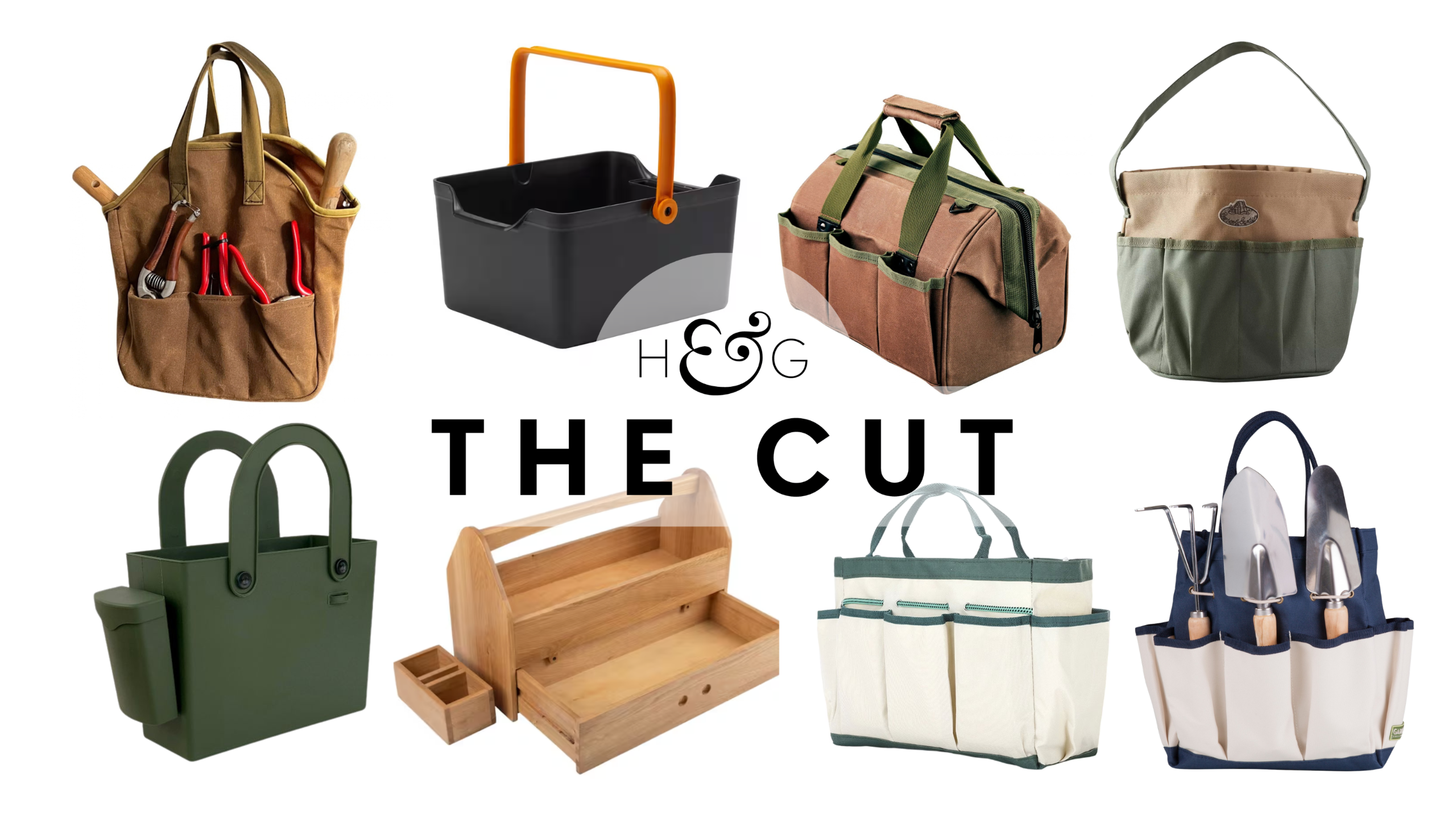
2. The Contemporary Urbanite: Chilewich Hachiman Garden Tool Bag via West Elm
Gardeners seeking a sleek, modern architectural aesthetic often gravitate toward the Chilewich Hachiman Garden Tool Bag, available through West Elm. Engineered with a contemporary, waterproof textile design, this bag is exceptionally easy to wipe clean after a muddy day in the dirt. Its sophisticated profile proves that functional gardening equipment can seamlessly complement upscale outdoor living spaces.
3. The Workshop Classic: Kings County Tools Wood Box Caddy via The Home Depot
Channeling the nostalgic charm of a classic carpenter’s workshop, the Kings County Tools Wood Box Caddy, available at The Home Depot, brings rustic structural integrity to the garden. Measuring 22 inches long by 9 inches wide, this simple wooden box provides rigid protection for your tools. Unlike soft bags that can slouch or tip over when weighted unevenly, this sturdy wooden caddy stands firm on any flat surface, offering ample capacity for essential gear.
Across the broader market, experts have curated selections encompassing up to 16 distinct styles—ranging from folding stool-and-bag combinations to multi-pocketed utility aprons and rolling carts—ensuring every gardener can find a configuration tailored to their physical needs and property layout.
Expert Insights and Practical Application
Horticultural extension agents and professional landscape designers frequently emphasize workflow efficiency as a cornerstone of enjoyable gardening.
"When you waste energy walking back and forth to your storage shed just to swap a hand fork for a pair of bypass pruners, mental fatigue sets in much faster," notes landscape consultant Marcus Vance. "A thoughtfully packed caddy acts as an extension of your hands. If you keep your essentials organized—one pocket for sharp blades, one for ties and labels, and the center for bulkier items—you can complete complex planting routines in half the time."
Furthermore, professionals point out that proper storage in a caddy extends the lifespan of tools. Tossing wet trowels and soil-encrusted pruners into a dark shed accelerates rust and handle rot. Many modern caddies feature breathable mesh panels or wipe-clean synthetic interiors that allow residual moisture to evaporate, preventing premature degradation of metal and wood components.
Implications: Maximizing Your Garden Productivity
Investing in a quality tool caddy yields far-reaching benefits for both the gardener and the garden itself:
- Time Management: By drastically reducing transit time between plant beds and storage sheds, gardeners can maximize daylight hours—a crucial factor during the compressed windows of the autumn planting season.
- Ergonomics and Safety: Carrying multiple loose, sharp tools by hand across uneven garden paths creates a tripping and injury hazard. A secure caddy keeps cutting edges safely contained and distributes weight evenly.
- Tool Longevity: When every tool has a designated slot, gear is less likely to be left behind in damp grass overnight, minimizing weather damage and reducing replacement costs over the long term.
As you look ahead to your seasonal garden checklist—whether you are dividing overgrown hostas, planting hundreds of tulip bulbs, or mulching tender perennials—a dependable tool caddy transforms outdoor chores from a fragmented series of errands into a streamlined, deeply satisfying ritual.
