

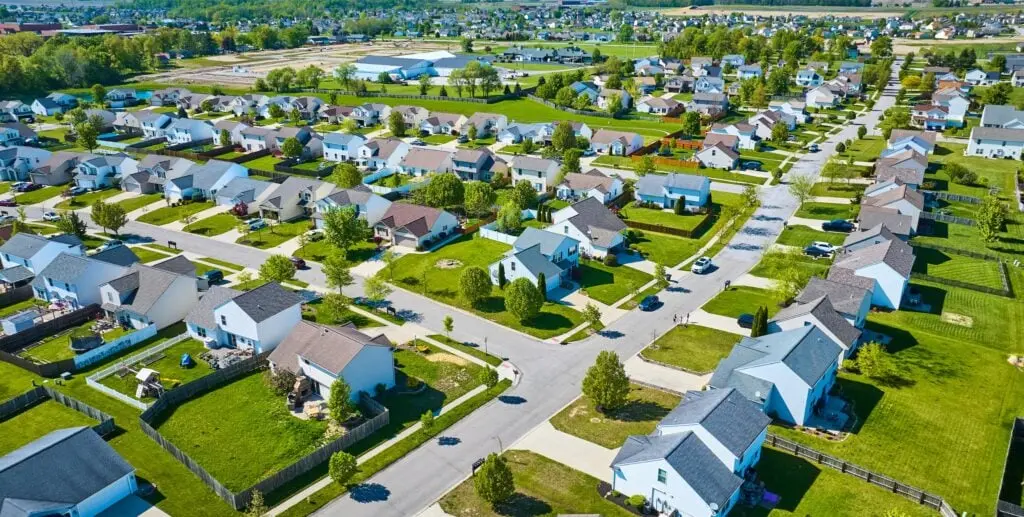
If there were a U.S. championship for the best places to invest in residential real estate, the American Midwest would sweep the podium, capturing gold, silver, and bronze. Heartland cities have thoroughly dominated the Wall Street Journal/Realtor.com Summer 2026 Housing Market Rankings for popular places to live, while consistently topping BiggerPockets Pulse cash flow surveys for high-yield investment properties.
Yet, as seasoned investors know, all that glitters is not gold. Beneath the surface of impressive rental-yield calculators lies a complex economic ecosystem. Before investors throw a dart at a map of the Midwest and rush to acquire rental portfolios, they must understand that not all heartland markets are created equal. The delicate balance between employment demand, supply chains, wage growth, and local policy is the true litmus test for a fruitful landlording experience.
Main Facts: The Midwest Real Estate Landscape in 2026
The contemporary real estate narrative is defined by a paradox: soaring mortgage rates hovering near 7% have crippled affordability nationwide, forcing investors to rethink conventional leverage strategies. In this climate, the Midwest has emerged as an oasis of affordability.
According to data compiled by Leading Landlord utilizing Zillow home value and rent metrics, cities like Detroit, Cleveland, St. Louis, Milwaukee, and Indianapolis rank among the top 10 highest-yielding rental markets in the United States. In these metros, purchase prices are low enough relative to monthly rents to make cash-flow math work, even in a high-interest-rate environment.
However, these headline numbers can be profoundly misleading. House prices in many heartland cities remain depressed not because of a lack of interest, but because historical employment opportunities and population trajectories lagged behind coastal counterparts. Furthermore, a shifting macroeconomic landscape—marked by a cooling national labor market and tighter immigration policies—is altering the fundamental dynamics of tenant demand.
Chronology: How the Heartland Shift Unfolded
The ascent of the Midwest as a focal point for real estate and economic reinvention is the culmination of several years of gradual demographic and industrial changes:
- The Post-Pandemic Exodus (2020–2022): Driven by remote work flexibility and skyrocketing housing costs on the coasts, a wave of migration began drawing residents toward affordable secondary and tertiary markets. However, the Midwest as a whole still experienced net population losses, with regions like the Rust Belt shedding roughly 175,000 residents in 2022 alone.
- The Stabilization Era (2023–2025): Industrial investments began trickling back into the heartland, spurred by federal legislation encouraging domestic manufacturing, battery plants, and supply-chain reshoring. Concurrently, smaller and mid-sized manufacturing hubs began leaning into service-based economies, tech startups, and healthcare expansions.
- The 2026 Turning Point: Recent Census Bureau figures covering the period ending in June reveal a remarkable reversal. The Midwest is now gaining residents at a slightly higher rate than the rest of the country—adding roughly 16,000 net residents. Simultaneously, cooling labor markets and stubborn 7% mortgage rates have forced real estate investors to abandon coastal speculation in favor of the resilient cash flows offered by heartland metros.
Supporting Data: Yields, Jobs, and Population Shifts
Rental Yields vs. Economic Reality
While high cap rates and strong cash-on-cash returns draw investors to the Midwest, these figures must be cross-referenced with local economic health. High yields in distressed rural or secondary markets often correlate with higher tenant turnover, lower median household incomes, and deferred property maintenance costs.
The Labor Market Pulse
Employment is the lifeblood of residential tenancy. Without job growth, tenant pools dry up. Recent macroeconomic data underscores a cautious national labor environment:
- U.S. employers unexpectedly shed 23,000 jobs in July, accompanied by downward revisions for the preceding two months.
- According to Dean Baker, co-founder of the Center for Economic and Policy Research, immigration restrictions have slowed labor force growth significantly. Slower wage growth amidst persistent inflation paints a challenging picture for everyday workers.
Despite these national headwinds, select Midwest metros are bucking the trend. The Monster Jobs Market Report highlights cities like Minneapolis-St. Paul, Cincinnati, Milwaukee, Dayton, and Indianapolis as some of the fastest-growing hiring markets. Vicki Salemi, a career advice expert with Monster, notes that hiring growth is broadening out of traditional tech hubs:
"While healthcare remained the largest source of hiring demand, transportation, logistics, customer service, and sales also continued to generate significant employer activity. At the same time, several Midwest metros emerged among the fastest-growing hiring markets… suggesting hiring growth is broadening beyond many of the country’s traditional employment hubs."
Demographic Reversals
The Wall Street Journal recently spotlighted cities like Akron, Ohio, where tech startups have taken up residence in abandoned industrial footprints, signaling a profound cultural and economic shift. Service-based economies in Indianapolis, Columbia, Des Moines, Cleveland, and Akron are successfully shedding their purely manufacturing-dependent pasts, attracting domestic movers and international migrants alike.
Official Responses and Corporate Shifts
The macroeconomic factors influencing Midwest real estate are mirrored in the strategic real decisions of major corporations and financial institutions.
- Financial Sector Expansion: Demonstrating confidence in the heartland’s commercial viability, Bank of America recently announced an aggressive hiring drive, adding senior investment bankers in Chicago, Detroit, and Minneapolis to target middle-market corporate clients across the region. Chicago remains the anchor of the Midwest economy, boasting a heavily diversified industrial base.
- Industrial and Pharmaceutical Headwinds: Conversely, federal policies and trade adjustments are introducing friction into rural and suburban industrial projects. In Georgia, residents near massive new manufacturing developments have voiced anxieties over project slowdowns linked to tariff structures and immigration enforcement. Meanwhile, in Indiana, pharmaceutical giant Roche publicly questioned its planned $50 billion U.S. investment strategy, citing potential government drug-pricing executive orders that could jeopardize capital allocation.
Implications for Real Estate Investors
For real estate investors navigating the market in 2026, the Midwest offers immense opportunity, but it demands a sophisticated, micro-market approach.
1. Look Beyond the Yield Headline
A "Top 10 Cash-Flowing Cities" list should only be the starting point of due diligence. High cap rates in economically stagnant rural areas often mask underlying risks, such as declining populations, shrinking tax bases, and unstable blue-collar employment. Investors must weigh property-level yields against local job diversity.
2. Focus on Established Metros and Diversified Economies
To mitigate vacancy and default risks, capital is best deployed in established Midwest metros with diversified employment drivers—such as healthcare, education, finance, and technology. Metros like Chicago, Minneapolis, Indianapolis, and Columbus offer a sturdier economic cushion against national downturns than single-industry towns.
3. Monitor Corporate and Infrastructure Investments
For landlords, news of a major hospital expansion, a corporate headquarters relocation, or a stable regional banking footprint translates directly into steady paychecks for tenants. Rents go a long way in the Midwest, but only when supported by reliable local employment.
Conclusion
The 2026 real estate landscape proves that the Midwest is no longer just a fallback option for priced-out coastal investors; it is a primary engine of demographic stabilization and rental yield. However, success in the heartland requires more than a simple calculation of home prices versus monthly rent. By anchoring investment strategies in robust job markets, favorable population trends, and diversified local economies, landlords can successfully harvest the golden opportunities of the American heartland while avoiding its hidden pitfalls.
