

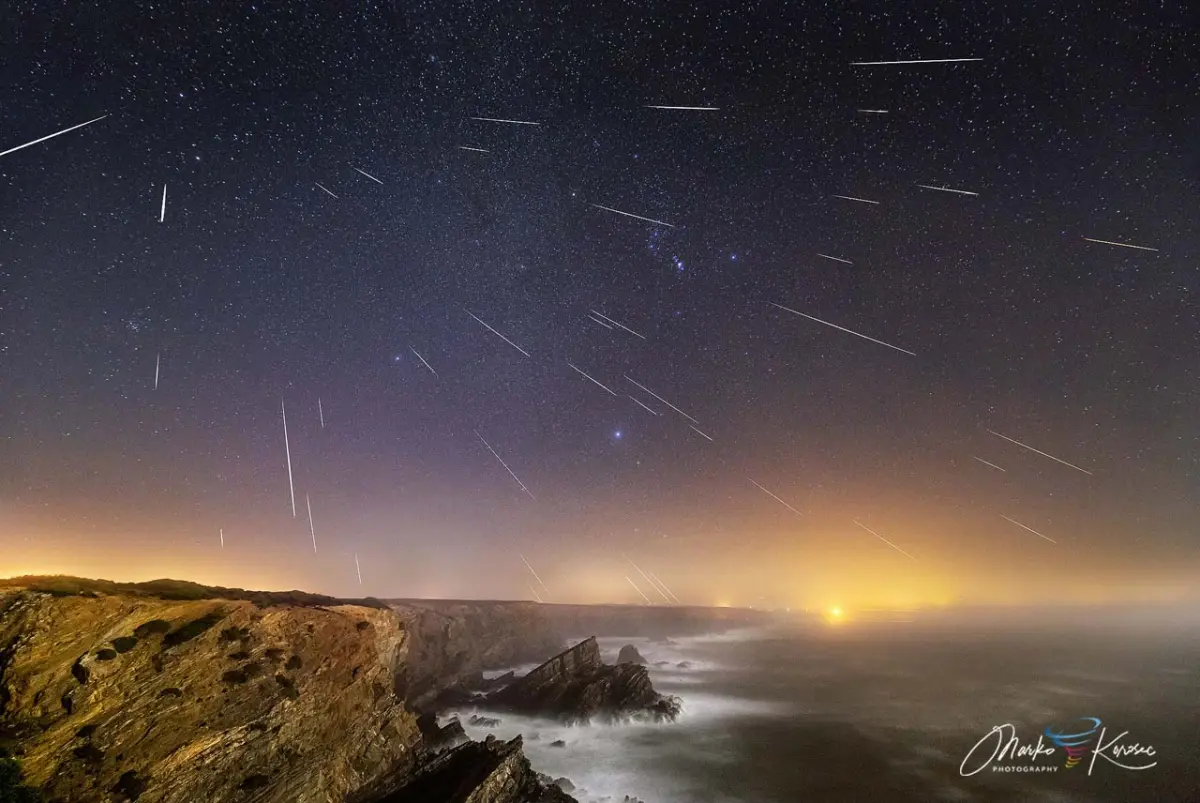
GLOBAL ASTROPHYSICS DESK — As the northern hemisphere settles into the heart of summer, stargazers, professional astronomers, and night-sky photographers are preparing for what promises to be the most visually stunning celestial display in years. The annual Perseid meteor shower is reaching its magnificent climax on the night of August 12 into the early hours of August 13, 2026.
This year’s event is uniquely elevated by a rare astronomical alignment: the peak intensity coincides directly with a New Moon phase, ensuring zero moonlight interference. Furthermore, the shower shares the cosmic stage with a rare total solar eclipse sweeping across Greenland, Iceland, and Spain on August 12, marking a monumental week for global astronomy enthusiasts.

Main Facts: What Makes the 2026 Perseids Exceptional?
The Perseids are universally celebrated as the most popular and reliable meteor shower of the summer calendar. Under ideal dark-sky conditions, observers can expect a Zenithal Hourly Rate (ZHR) ranging from 90 to 100—and potentially up to 120—shooting stars per hour.
What sets the 2026 event apart is the complete absence of lunar illumination. Last year’s viewing conditions were heavily impacted by a bright waxing moon, which washed out fainter meteors. In stark contrast, the 2026 peak arrives precisely during a New Moon. This guarantees pitch-black skies from dusk until the pre-dawn hours, allowing even suburban observers to catch a significantly higher count of faint, fast-moving streaks of light.
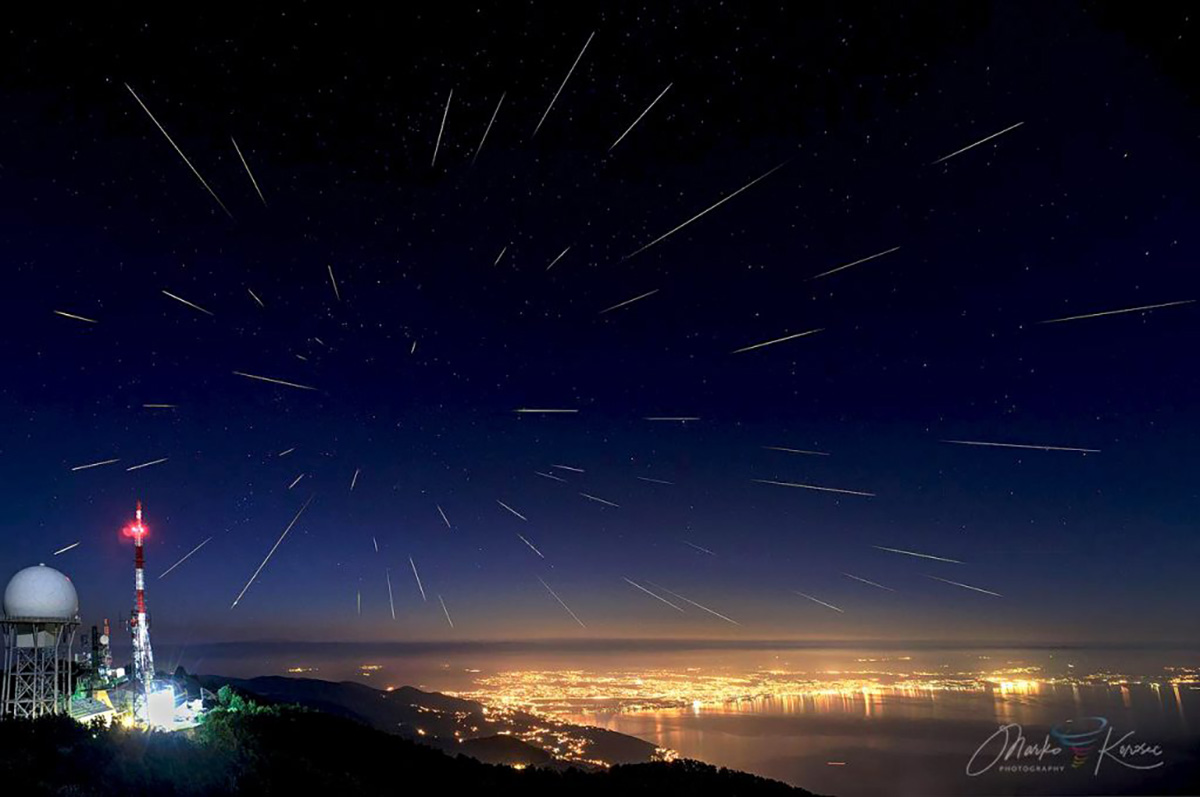
Key Astronomical Parameters:
- Parent Body: Comet 109P/Swift-Tuttle.
- Entry Velocity: Approximately 59 kilometers per second (roughly 212,400 km/h or 132,000 mph).
- Peak Timing: Night of August 12 into August 13 (with strong activity also recorded on August 11). The main peak officially targets August 13 at around 02:00 UTC.
- Altitude of Phenomenon: Occurs approximately 100 kilometers high in the upper atmosphere, right at the boundary of space.
- Radiant: The constellation Perseus, near the famous Double Cluster, rising high into the northeastern sky during the second half of the night.
Chronology of the Event: The Journey of Comet Swift-Tuttle’s Debris
To understand the spectacle unfolding this August, one must look backward through time and space to trace the lifecycle of the Perseid meteors.
The Source: Comet 109P/Swift-Tuttle
Discovered independently by Lewis Swift and Horace Parnell Tuttle in July 1862, Comet Swift-Tuttle is a large periodic comet with an orbit of roughly 133 years. Every time the icy wanderer swings through the inner solar system, it sheds millions of tons of dust, rock, and ice particles along its orbital path.
The Annual Intersection
Earth crosses this vast trail of cosmic debris every year between mid-July and late August. As our planet plows through the particle stream at immense speeds, these tiny crumbs—most no larger than a grain of sand or a small pebble—collide with Earth’s upper atmosphere.
The Climax (August 11–13, 2026)
- Pre-Peak Phase (Early August): Earth enters the denser regions of the Swift-Tuttle debris stream. Hourly rates steadily climb night by night, offering early observers a preview of the main event.
- The Daylight Approach (August 12, Daytime): While parts of Europe and North America experience daylight, a historic total solar eclipse cuts across Greenland, Iceland, and Spain. As day turns briefly to night in those regions, anticipation builds for the celestial grand finale.
- The Evening Activation (August 12, Dusk): As the sun sets and twilight fades, the constellation Perseus begins to climb the northeastern horizon. The radiant point ascends higher through the night, geometrically increasing the number of visible meteors.
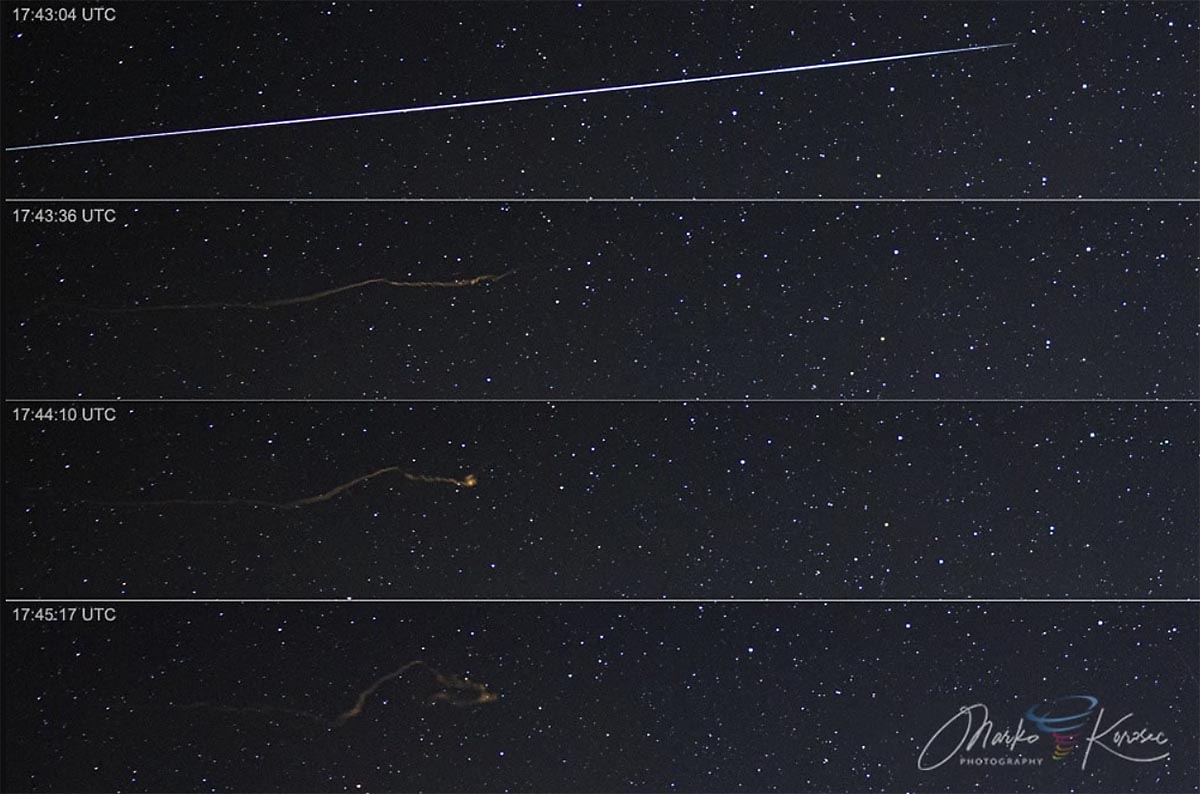
- The Zenith Peak (August 13, 02:00 UTC): The Earth hits the densest concentration of the debris field. For observers across Europe and Western Asia, this is the prime window. Meteors streak across the sky at breakneck speeds, occasionally producing dazzling fireballs that leave persistent, glowing dust trails visible to the naked eye for seconds—or through binoculars for minutes—as upper-level winds contort them.
Supporting Data and Scientific Metrics
Astrophysicists rely on standardized metrics to measure meteor shower intensity. The most critical of these is the Zenithal Hourly Rate (ZHR).
- Defining ZHR: The ZHR denotes the theoretical number of meteors a single observer would witness in one hour under a pristine, pitch-black sky (where stars down to magnitude 6.5 are visible) if the radiant point were directly overhead at the zenith.
- Real-World Viewing: Because the radiant is rarely directly overhead, and atmospheric haze or light pollution degrades visibility, the actual number of meteors seen by an individual in a dark rural area is usually slightly lower—hovering around 60 to 80 per hour during the peak. However, the moonless night of 2026 will bridge this gap, allowing fainter meteors typically lost to moonlight glare to become visible.
- Geographical Variance: The peak timing (02:00 UTC on August 13) is nearly ideal for observers across Europe and Africa. For North America and Canada, the peak occurs roughly six hours before local midnight, meaning American stargazers will experience the highest rates during the second half of the night as Perseus ascends into the local sky.
Official Responses and Meteorological Outlook
Space agencies and meteorological organizations worldwide have issued advisories and viewing guides for the 2026 Perseids, emphasizing both the extraordinary scientific opportunity and the practical challenges of terrestrial weather.
National Space Agency Guidelines
NASA, the European Space Agency (ESA), and international astronomical societies have highlighted the unique nature of this year’s pairing. Because of the favorable lunar phase, public outreach campaigns are urging citizens to step away from urban light pollution.
"A moonless Perseid shower is the gold standard of amateur astronomy," notes a briefing from European meteor networks. "When you remove the moon from the equation, the visibility threshold drops significantly. Observers will see dimmer, more distant meteors that are usually drowned out."
The Weather Factor: Summer Thunderstorms vs. Clear Skies
While astronomical variables could not be better, meteorologists offer a word of caution regarding terrestrial weather. August is notoriously plagued by convective afternoon activity—localized thunderstorms, towering cumulonimbus clouds, and lingering atmospheric moisture that can obscure nighttime visibility.
Weather forecasting models indicate mixed patterns across the globe. While mountainous regions and elevated plateaus generally offer a better chance of rising above low-level valley fog and humidity, coastal regions in southern Europe may experience varying cloud clover. Meteorologists advise stargazers to monitor real-time satellite and radar loops on the nights of August 11–13 to locate localized clear pockets.
Implications: Cultural Resonance, Scientific Value, and Photography
The Perseid meteor shower carries implications that stretch far beyond a simple night-sky spectacle, touching cultural history, scientific research, and modern digital astrophotography.
Historical and Cultural Significance
For centuries, the Perseids have held a deep place in human folklore. In traditional European folklore, the meteors were historically referred to as the "Tears of St. Lawrence," commemorating the martyrdom of Lawrence of Rome on August 10, 258 AD, with the fiery streaks interpreted as glowing embers from his gridiron.
Modern Scientific Contributions
Despite being thoroughly studied, meteor showers continue to provide vital data regarding the structure of cometary dust tails and the distribution of matter in the inner solar system. Citizen science networks—such as the International Meteor Organization (IMO)—rely heavily on visual reports, video surveillance cameras, and photographic captures submitted by amateur astronomers worldwide to map shifts in the Swift-Tuttle stream.
Tips for Astrophotographers
Capturing a Perseid meteor requires patience, specialized equipment, and precise technical execution:
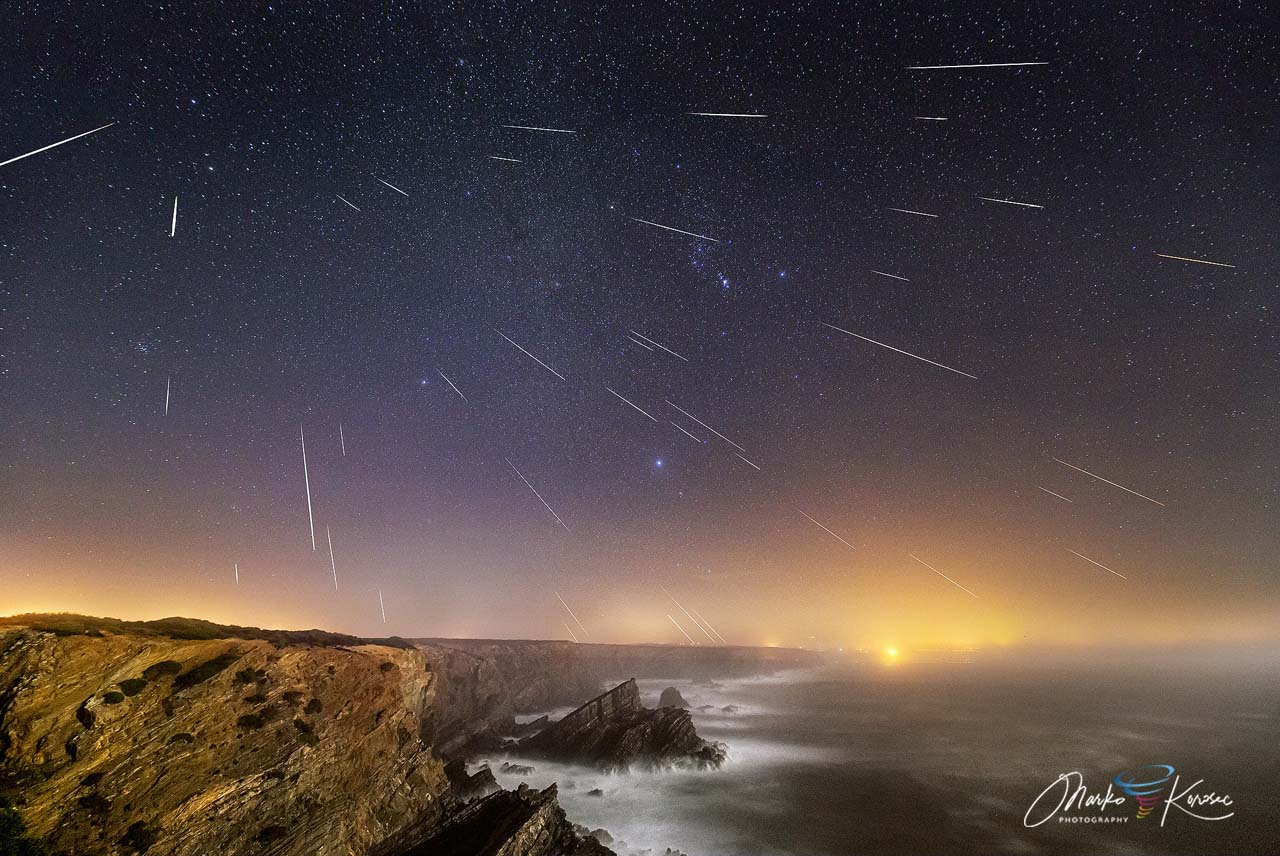
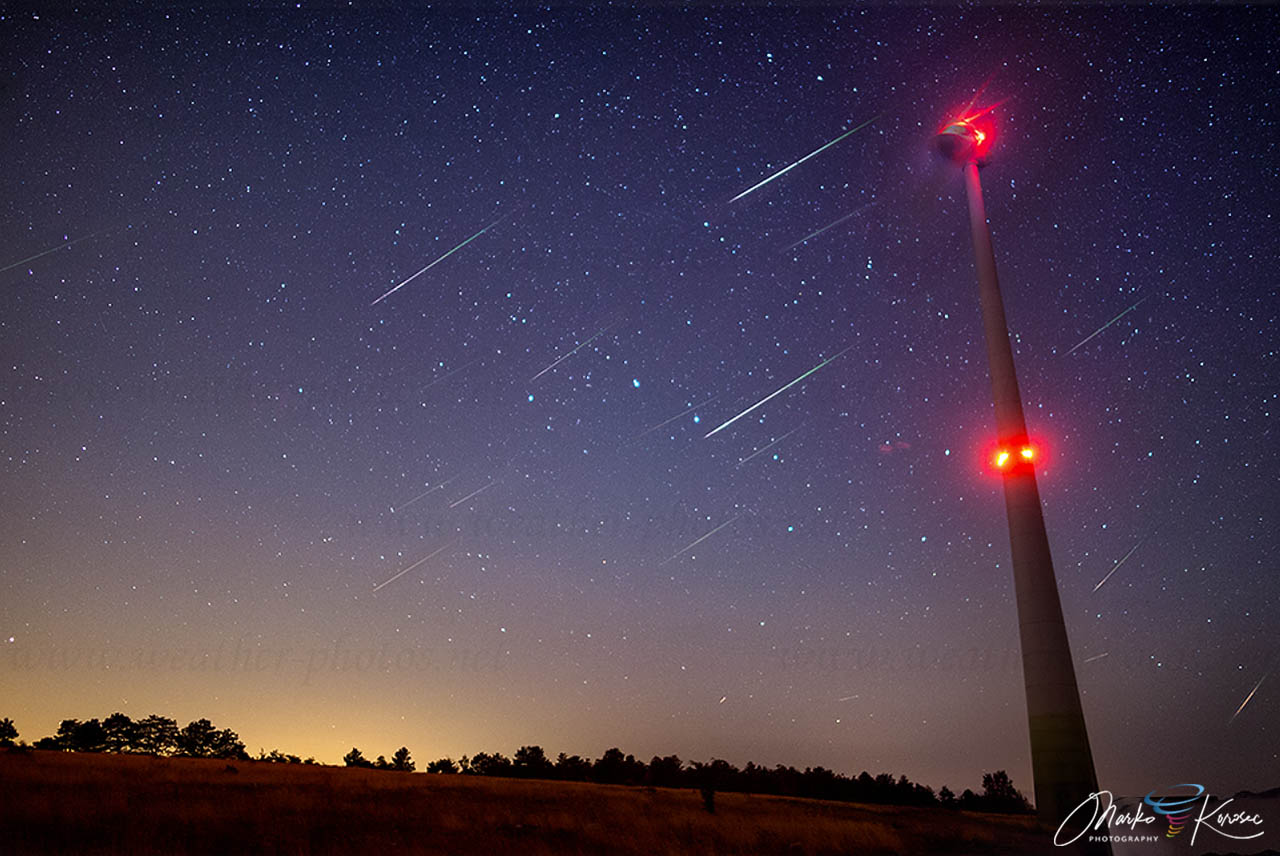
- Equipment: A digital camera with manual settings, a wide-angle, fast lens (f/2.8 or lower), a sturdy tripod, and a remote intervalometer to automate continuous shooting.
- Settings: Set the camera to manual focus (locked onto a bright star or distant horizon light), use a high ISO (ranging from 1600 to 6400 depending on ambient light), and open the aperture wide. Shutter speeds should be kept between 15 to 25 seconds to prevent stars from trailing due to Earth’s rotation.
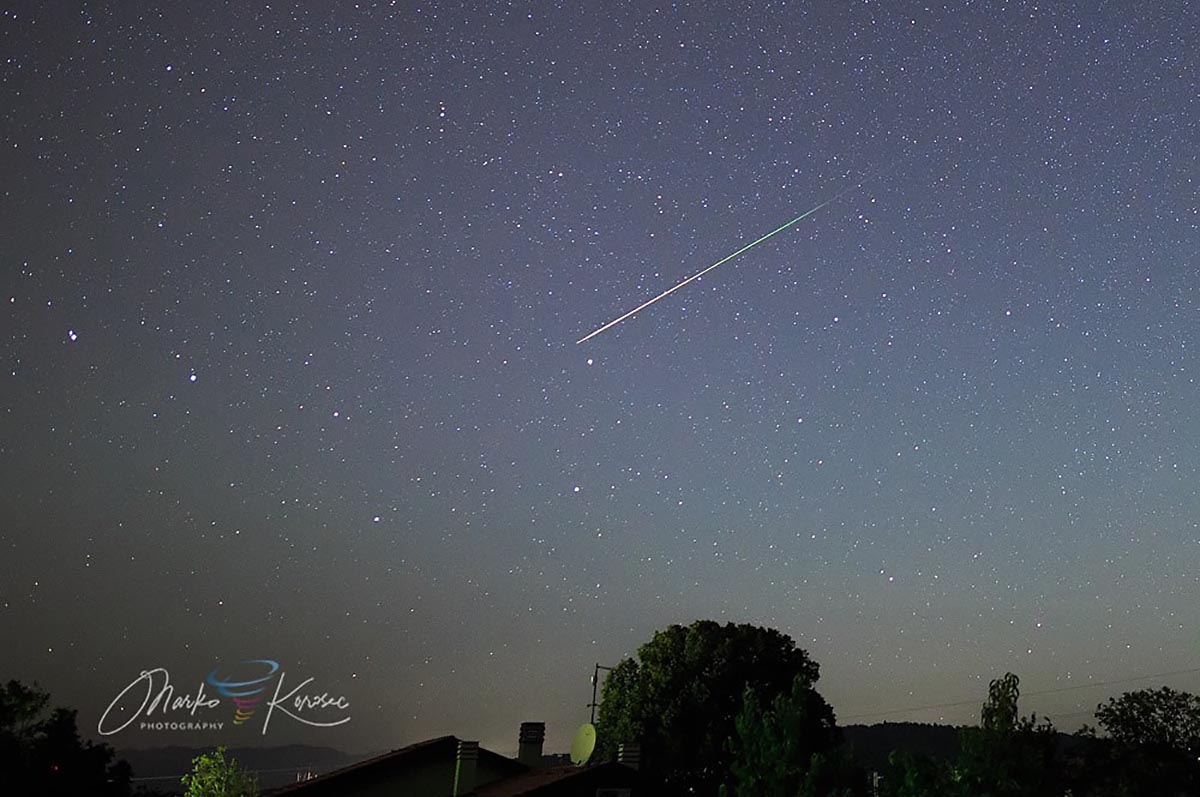
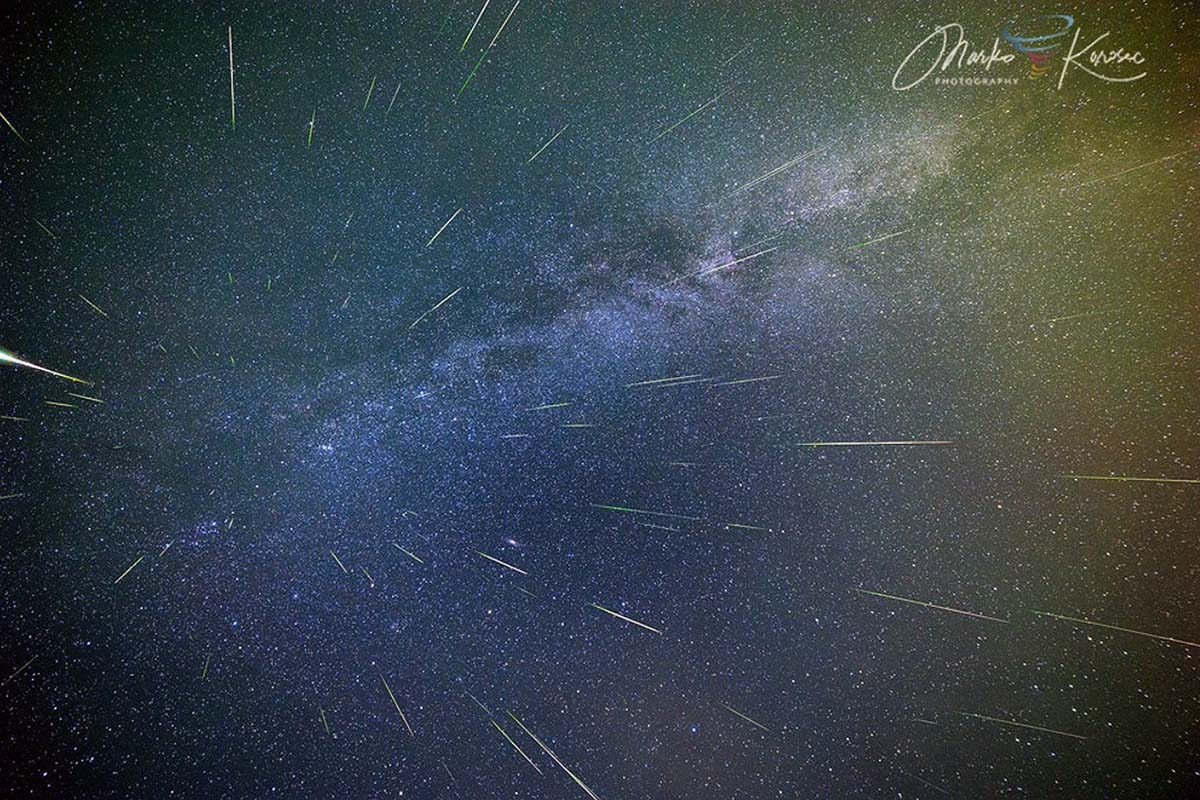
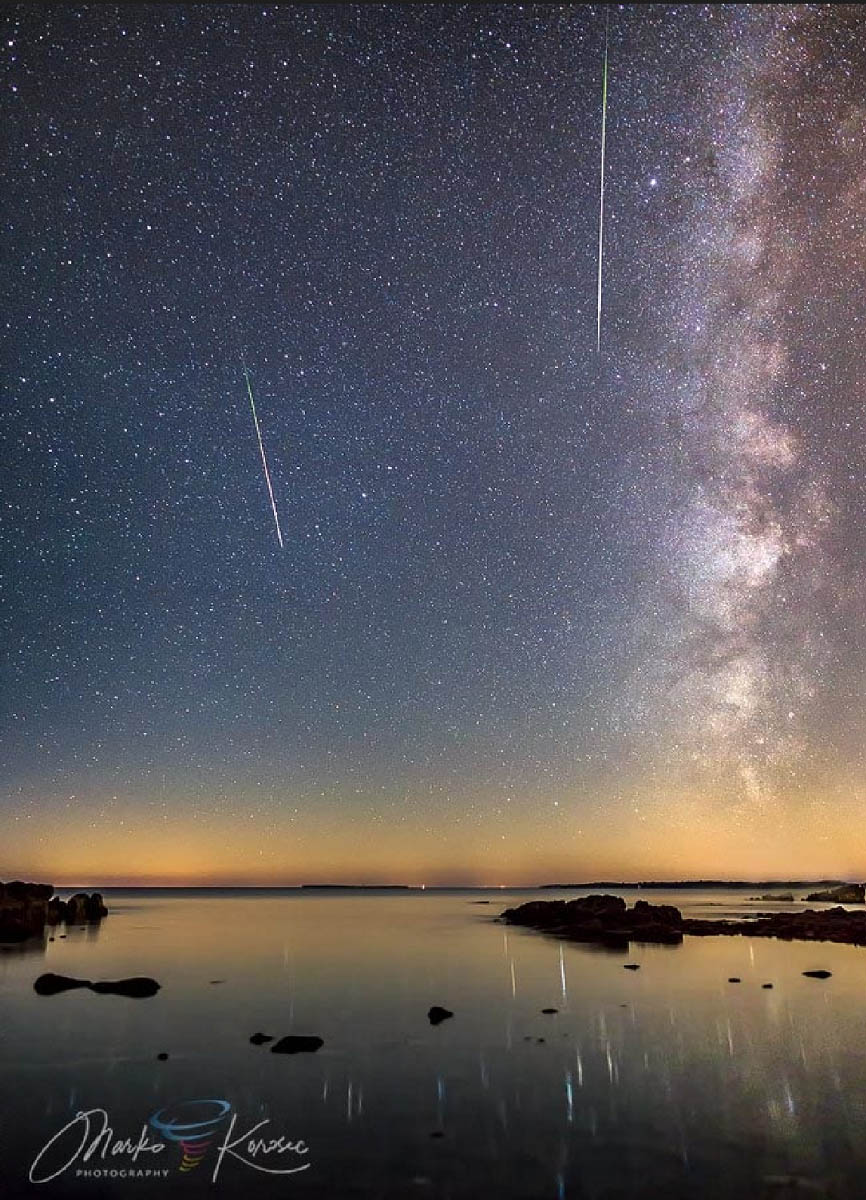
- Patience: Even during a peak shower, capturing a bright meteor or fireball requires hundreds—sometimes thousands—of consecutive exposures over several hours. The wait, however, is routinely rewarded when a brilliant green or orange fireball cuts across the Milky Way frame.
Conclusion
As the cosmic alignment of August 2026 approaches, the stage is set for an unforgettable astronomical event. With a pristine New Moon guaranteeing a velvet-black canvas, the historic Perseid meteor shower invites millions of people worldwide to step outside, look up, and reconnect with the cosmos.
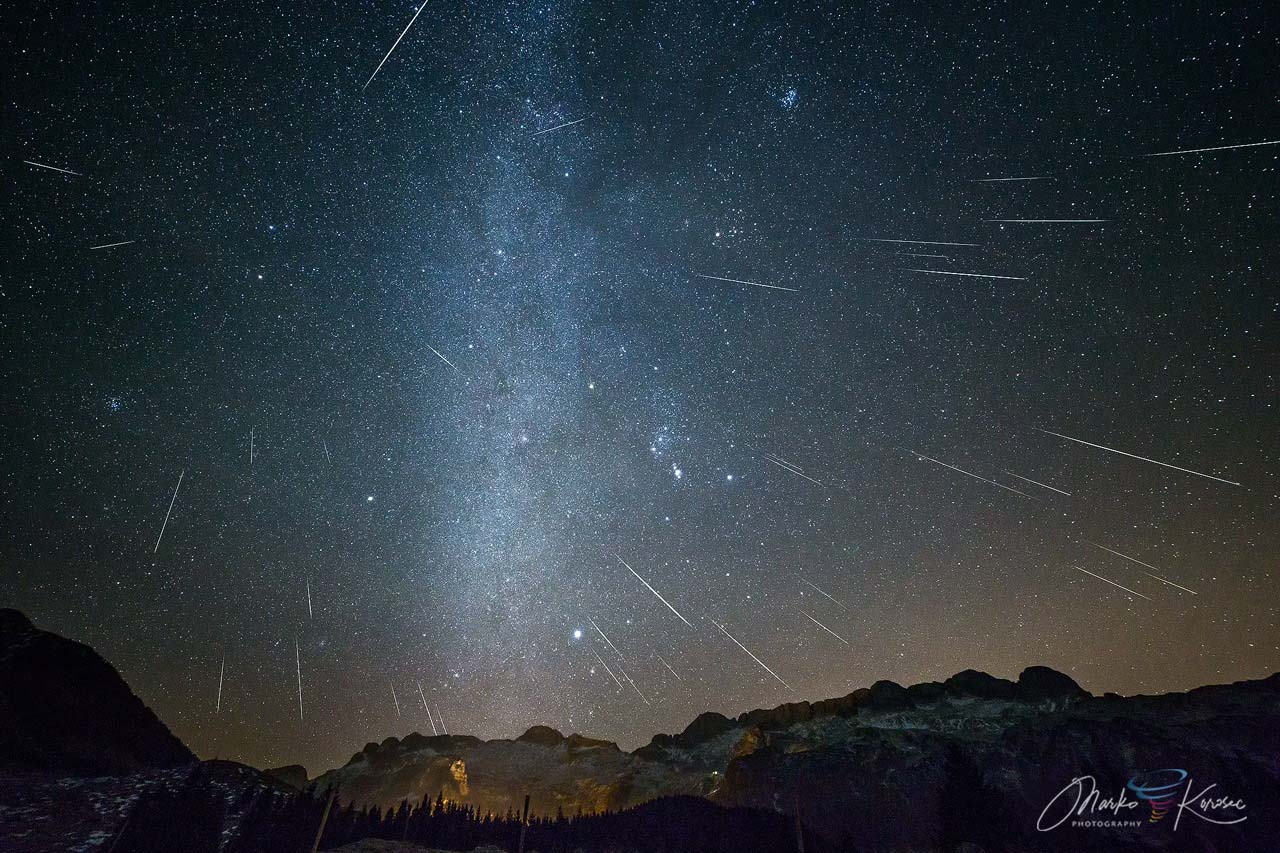
Whether observing from a high-altitude mountain pass, a rural backyard, or tracking the skies through a camera viewfinder, spectators are reminded of the dynamic, ever-changing nature of our solar system. Clear skies and patience will be the ultimate keys to unlocking one of nature’s most magnificent summer masterworks.
Observers are encouraged to share their photographic captures and visual counts with the global astronomical community via regional reporting networks and discussion groups.
