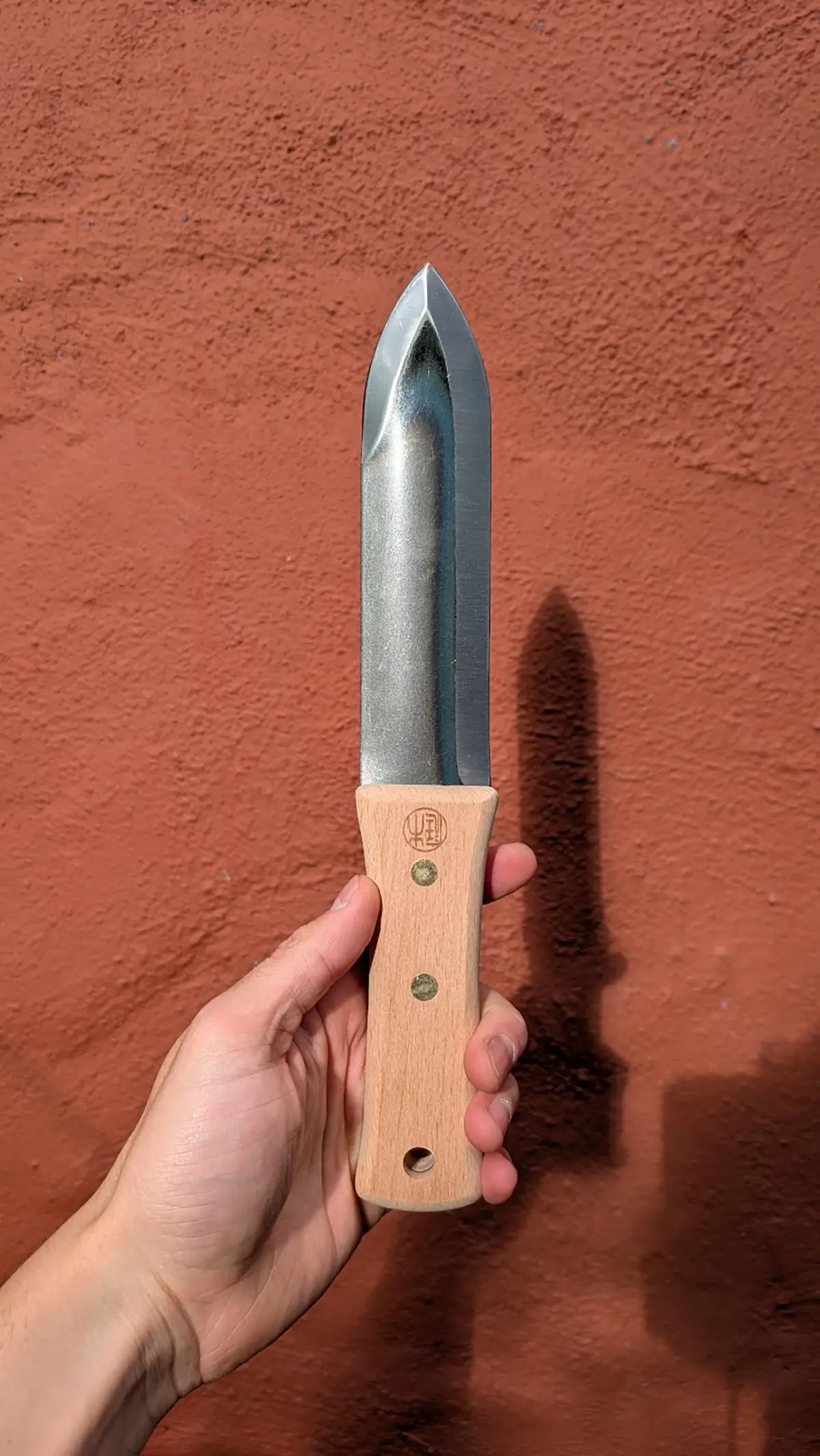
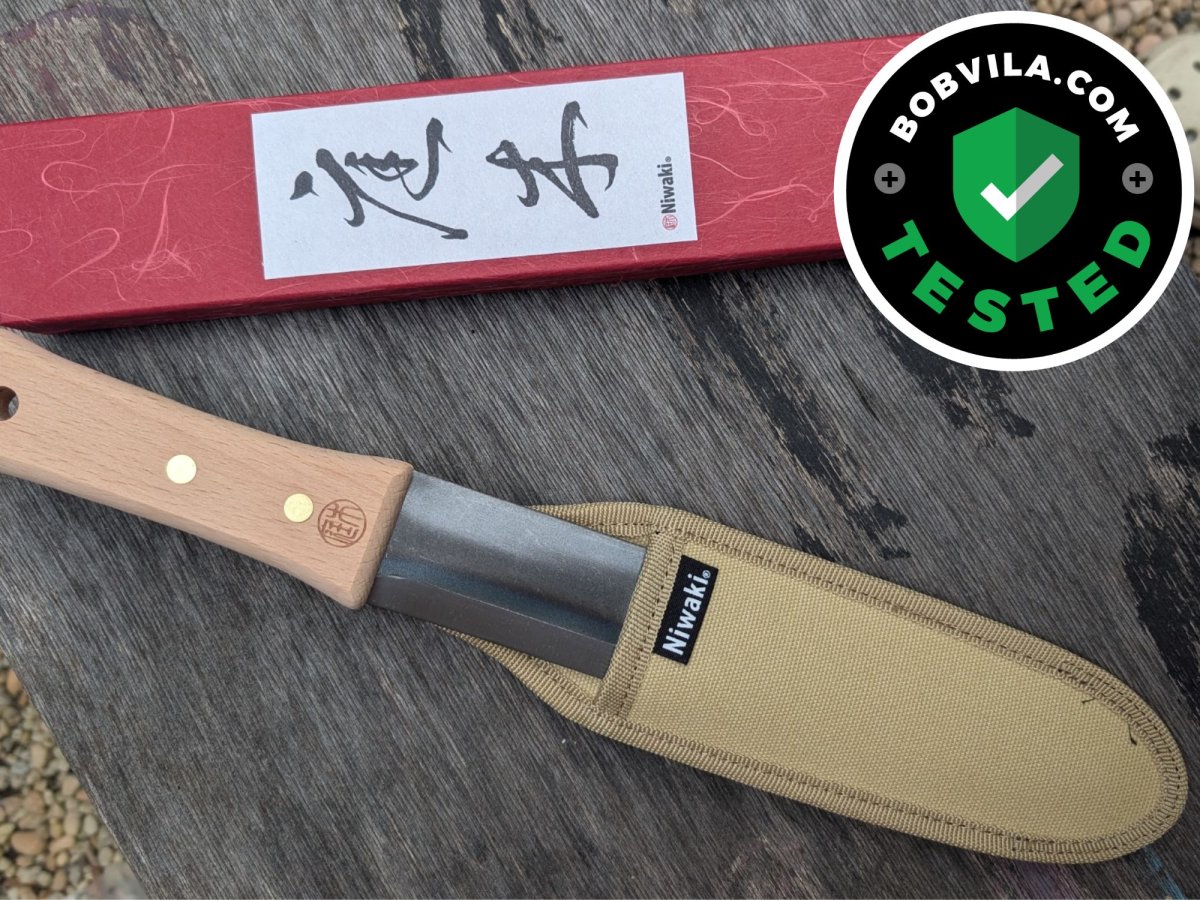
In an era dominated by mass-produced, petroleum-based handles and stamped-sheet metal tools from big-box home improvement chains, a quiet revolution is taking place in the sheds of discerning horticulturists. The focal point of this artisanal shift is Niwaki, a brand that marries centuries-old Japanese metallurgical heritage with contemporary ergonomic design. Recently subjected to rigorous, hands-on field testing by gear reviewers, Niwaki’s flagship offerings—specifically the Hori Hori Knife and the Sentei Topiary Clippers—have demonstrated that high-end, premium-grade tools can drastically alter the efficiency, comfort, and enjoyment of daily yard work.
Forged from high-carbon steel designed to hold a razor-sharp edge significantly longer than standard stainless or mild steel counterparts, these implements represent a major financial investment. However, their performance data, build quality, and multi-functional capabilities suggest they are built to last a lifetime. Far from being mere decorative curiosities for boutique plant shops, these tools are heavy-duty workhorses engineered to withstand the rigors of professional-grade landscaping while catering to passionate residential gardeners.
Chronology: From NYC Plant Shops to Backcountry Backyards
The modern resurgence of interest in traditional Japanese garden implements did not happen overnight. The timeline of this phenomenon illustrates a growing consumer fatigue with disposable, low-quality garden equipment:
The Initial Encounter: The fascination with Niwaki often begins in unexpected urban sanctuaries—boutique plant shops tucked into metropolitan neighborhoods like New York City. Surrounded by exotic indoor flora and minimalist aesthetics, buyers first notice these tools not for their utility, but for their sculptural beauty. Their clean lines, exposed rivets, and traditional wooden handles evoke a sense of craftsmanship rarely seen in modern hardware aisles.
The Digital Word-of-Mouth Phase: Over the preceding months, gardening forums, Reddit communities, and specialized horticulture blogs began buzzing with testimonials regarding the superior edge-retention and balance of Niwaki equipment. Users noted that while the upfront cost was steep, the long-term utility outweighed the replacement costs of cheaper alternatives.
The Field-Testing Period: Driven by this rising online acclaim, product reviewers initiated intensive multi-week testing phases. Putting the Hori Hori and Sentei clippers through real-world applications—ranging from raised-bed weed eradication and root-ball propagation to trimming overhanging maple branches and training climbing vines—testers gathered empirical data on durability, hand fatigue, and functional versatility.
The Verdict: The evaluation culminated in a consensus: while certain tools (like the topiary clippers) demand specific, frequent use cases to justify their price tag, others (like the multi-purpose Hori Hori) quickly establish themselves as indispensable daily drivers.
Supporting Data and Technical Specifications
To understand why Niwaki tools command a premium price, one must examine the materials and structural engineering behind them. Standard garden tools are typically manufactured from stamped, low-carbon steel that bends under heavy leverage and dulls rapidly when striking subterranean rocks or thick roots.
Niwaki approaches construction through the lens of traditional Japanese blacksmithing:
High-Carbon Steel Blades: High-carbon steel possesses a crystalline structure that allows it to be sharpened to a razor edge and maintain that edge through abrasive tasks like digging through sandy loam and slicing through dense root systems.
Full-Tang Construction: The Hori Hori knife features a robust, full-tang blade that extends cleanly through a triple-riveted beechwood handle. This eliminates the structural weak point common in socket-handled trowels, allowing gardeners to apply significant leverage when prying out stubborn taproots without fear of snapping the blade.
Ergonomic Spring Mechanisms: The Sentei Topiary Clippers utilize a fluid, spring-loaded single-handed mechanism. Ergonomic testing reveals that this design drastically reduces repetitive strain injuries and hand fatigue compared to traditional bypass pruners or heavy hedge shears. Furthermore, the inclusion of a backup spring ensures field longevity.
Versatility Metrics: In terms of utility per square inch, the concave Hori Hori blade serves as a soil knife, weed prying tool, bag cutter, landscape fabric piercer, and propagation divider. However, data confirms it is not optimized for scooping loose soil—a task best left to a wide-mouthed traditional trowel. Conversely, the Sentei clippers are strictly optimized as "leaf-cutters" for soft new growth; attempting to force them through thick, woody old growth can nick the fine-tolerance blades.
Official Perspectives and Expert Insights
Horticultural experts and tool manufacturers alike point to a broader cultural shift toward "buy it for life" (BIFL) consumerism. According to brand representatives, the philosophy behind Niwaki is rooted in shokunin—the Japanese artisan philosophy that emphasizes mastery, dedication, and respect for the tools of one’s trade.
"When you use a tool crafted with high-carbon steel and traditional balancing, you aren’t just cutting plants; you are engaging in a tactile dialogue with the material," notes a leading landscape design consultant. "Cheap tools create friction, hand strain, and frustration. Premium tools reduce the physical barrier between the gardener and the garden."
Reviewers echo this sentiment, emphasizing that while big-box store alternatives are entirely adequate for casual weekend warriors who leave their gear rusting in the rain, they fail anyone seeking precision and longevity. The official recommendation from testing panels is clear: evaluate purchases on a case-by-case basis. If a tool aligns with frequent, specific tasks—such as the daily deployment of a Hori Hori knife—the investment pays massive dividends in user satisfaction and cost-per-use value over time.
Implications for the Consumer Market and Gardening Industry
The growing popularity of high-end, heritage-grade Japanese garden tools carries several notable implications for the broader retail and horticultural landscape:
1. The Death of Disposable Culture
As consumers become more environmentally and economically conscious, the appetite for disposable, season-to-season garden plastic and cheap stamped steel is waning. Brands that prioritize repairability, premium natural materials (like beechwood and high-carbon steel), and generational durability are carving out a resilient market share, even during economic downturns.
2. The Gift Market Boom
High-end gardening equipment occupies a unique psychological sweet spot in retail: it serves as an aspirational luxury that many hobbyists hesitate to buy for themselves, making it a prime candidate for gifting. Premium packaging, striking visual design, and heirloom quality ensure that items like the Niwaki lineup are frequently purchased as milestone gifts for weddings, retirements, and housewarmings.
3. Educational Imperatives for Retailers
Because specialized tools like the Sentei Topiary Clippers require specific handling (e.g., avoiding woody stems to protect fine edges), retailers and digital review platforms carry an increased responsibility to educate consumers. Proper maintenance—such as oiling carbon steel to prevent oxidation and sharpening edges with a whetstone—is essential for protecting the consumer’s investment.
Ultimately, while the price tag of artisanal gardening gear may initially shock those accustomed to bargain-bin trowels, the intersection of historic blacksmithing techniques, ergonomic excellence, and unmatched daily utility proves that true craftsmanship is always worth the investment.