

By David Lumb
Managing Editor, Mobile
Main Facts: The Return of a Capcom Classic
Nearly two decades after the Onimusha franchise was placed into cryogenic storage, Capcom has officially brought the samurai-action series back from the dead. Much like Marvel’s Captain America waking up in an unfamiliar, futuristic era, Onimusha: Way of the Sword finds itself stepping onto a gaming landscape radically different from the one it left behind.

When the franchise went dormant, arcade-style action games reigned supreme. Today, the industry is dominated by the punishing, parry-precise mechanics of the "Soulslike" subgenre. Rather than ignoring these modern trends or stubbornly clinging to its past identity, Onimusha: Way of the Sword attempts to split the difference.
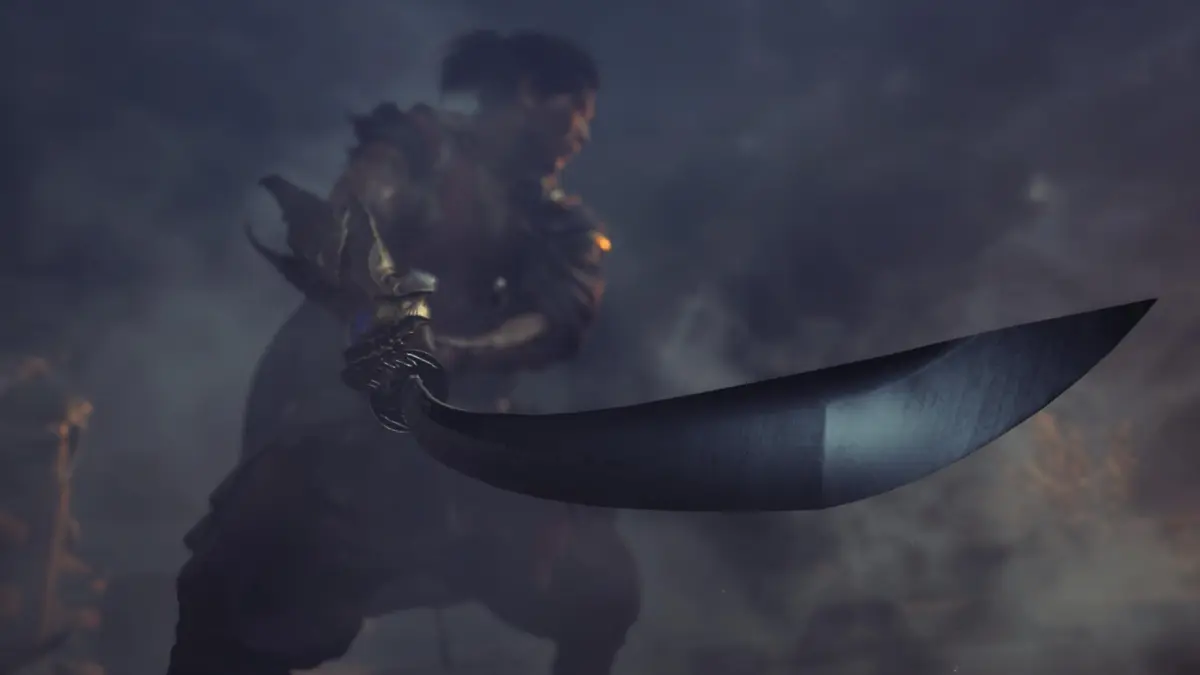
Set within a fantastical retelling of feudal Japan—a setting crowded by recent heavyweights like Sekiro: Shadows Die Twice, Assassin’s Creed: Shadows, and Ghost of Yotei—Capcom’s revived franchise aims to carve out a unique space. It swaps out generic dark fantasy for a stylized, demon-infested imperial capital, starring a younger, unrefined version of the legendary swordsman Miyamoto Musashi.

While the resulting experience boasts satisfying swordplay and vibrant world-building, it also stumbles over some of the most frustrating tropes of the very subgenre it seeks to emulate. After spending roughly 15 hours exploring the dirt streets of Eastern Kyoto, the picture that emerges is one of a valiant, budget-conscious resurrection that shines in brief, cinematic flashes, even if it occasionally wears out its welcome.
Chronology: From Golden Age to Modern Rebirth
To understand the weight of Onimusha: Way of the Sword, it helps to look at the timeline of Capcom’s historical-fantasy strategy.

- The Early 2000s: The Onimusha series establishes itself as a pillar of Capcom’s lineup, blending fixed-camera survival horror sensibilities with fast-paced, freeform samurai action. It becomes a fan-favorite franchise before abruptly going on ice as market preferences shift toward other genres.
- The Intervening Years: The gaming industry undergoes a seismic shift. Titles like Dark Souls and Sekiro: Shadows Die Twice redefine third-person melee combat, popularizing stamina management, posture bars, and frame-perfect parry systems. Meanwhile, the market sees a massive influx of games set in feudal Japan.
- The Lead-Up (Summer Game Fest and Previews): Capcom showcases early slices of Onimusha: Way of the Sword, highlighting a standout demonic courtyard encounter that instantly captures media attention and builds high expectations.
- The Present Launch Window: The game officially arrives, offering players a 15-hour campaign centered around Musashi’s quest, his rivalry with Ganryu, and their shared entanglement with the demon general Minamoto no Yoshitsune.
Supporting Data: Mechanics, Exploration, and Combat Realities
Onimusha: Way of the Sword is structured around a blend of classic Capcom design philosophies and modern structural expectations. Below is a breakdown of how its core pillars function in practice:
1. The Narrative Premise and Cast
- Miyamoto Musashi: Portrayed in his brash, uncouth youth. Instead of the wise master of history or stoic samurai tropes found elsewhere, this Musashi values raw strength and sports a rough attitude.
- The Oni Gauntlet: Serving as both narrative device and gameplay tool, the iconic soul-gathering gauntlet resurrects Musashi following an untimely demise, drawing him into conflict with the Genma demon horde.
- Supporting Retinue: Musashi is balanced by a colorful cast of characters, including Shizuka (an elegant Oni trapped in his gauntlet), Takamura (a wise warrior with his own spirit gauntlet), Okuni (a nimble kabuki dancer seeking vengeance), and the ghost of famed author Murasaki Shikibu, who tasks Musashi with solving peasant troubles to harvest fodder for her tales.
- The Antagonist: Minamoto no Yoshitsune has taken over Hell, dispatching his Genma army to ravage Japan. Yoshitsune also revives Ganryu, a self-described rival to Musashi who becomes dangerously obsessed with his gauntlet’s power, acting as a dark mirror to the protagonist.
2. Combat and Difficulty Systems
- The Parry Focus: Moving away from the freeform action of older titles, Way of the Sword adopts a rhythm-based parry system. Enemies and bosses often require players to whittle down their stamina meters through precise deflections before executing a high-damage climactic strike.
- Difficulty Customization: The game includes an on-the-fly difficulty toggle, allowing players to shift between the tougher "action" setting and the more forgiving "story" setting without penalty—a lifesaver during brutal difficulty spikes.
- Underutilized Mechanics: Complex systems like short-duration buff items and the frame-precise Issen (attacking the exact moment before an enemy strikes) often feel like dead weight. Many players will find themselves ignoring the deeper skill trees in favor of a reliable loop of light attacks and parries.
3. Exploration and Pacing
- Eastern Kyoto: The primary playground for the first 15 hours. Players navigate dirt streets, clean up shrines, and tackle tough encounters while using Spirit Mirrors (the game’s version of bonfires) to teleport across regions.
- Recycled Content: Frequent backtracking through identical-looking areas reveals the game’s shrewd budget constraints. Enemies regularly respawn at Spirit Mirrors, leading to padding that can make the core gameplay loop wearying over extended sessions.
Official Responses and Developer Insights
Capcom has positioned Way of the Sword as a thoughtful evolution of its classic IP rather than a wholesale reinvention. Speaking through the design of the game itself, the developers have leaned heavily into the expectations of modern action gamers who demand high-difficulty combat as a baseline for power fantasies.

However, critics and players alike have noted the tension in Capcom’s approach. By bending to Soulslike tropes—such as near-universal two-phase boss fights, strict unblockable attack telegraphs, and small square arenas designed strictly for testing player patience—the game occasionally sacrifices the distinct, arcade-flavored flair that originally defined the Onimusha name.
Even so, the developers have integrated thematic elements that speak directly to the game’s creation. In one poignant narrative beat, the veteran warrior Takamura reminds a struggling Musashi of the Buddhist notion that life is full of suffering, but that embracing the challenge is inherently worthwhile. As critic David Lumb points out, this dialogue doubles as an unconscious thesis statement for the game itself: a meditation on powering through repetitive encounters to reach genuinely breathtaking, cinematic highs.

Implications: What Way of the Sword Means for Capcom’s Future
The launch of Onimusha: Way of the Sword carries several broader implications for Capcom and the wider action-gaming landscape:
- The Viability of Dormant IP Revivals: Capcom has spent recent years successfully modernizing its legendary catalog (such as Resident Evil and Street Fighter). Onimusha’s return proves that older franchises can be successfully translated to fit contemporary subgenres, though balancing nostalgia with modern trends remains a tightrope walk.
- The Shadow of the Soulslike: As more historical action games adopt the structural DNA of FromSoftware titles, developers face mounting pressure to innovate. Way of the Sword demonstrates that simply adopting parry-heavy combat and stamina management is no longer enough to stand out; games must also offer distinct world-building and varied encounter design to avoid repetition fatigue.
- Player-Friendly Accessibility: By including a seamless, frictionless difficulty switcher, Capcom has implicitly acknowledged that rigid "git gud" gatekeeping can alienate players who want to experience a story without hitting insurmountable brick walls. This design choice may serve as a blueprint for other action games looking to balance hardcore combat with broader player retention.
Ultimately, Onimusha: Way of the Sword is a serviceable, often entertaining update that bridges two different eras of gaming history. While it occasionally compromises its unique identity to chase contemporary trends, it successfully clears the path for a potential full-scale renaissance of Capcom’s samurai legacy—provided future entries are willing to take bolder, more original leaps.
