For years, the design world was held hostage by a monochromatic palette of safe, uninspired neutrals. From 2020 through 2023, the aesthetic shorthand of "quiet luxury" quickly devolved into what critics now affectionately call "AI slop"—endless iterations of sterile, beige, low-impact carpeting that felt devoid of human touch.
As we approach 2027, however, the pendulum has swung violently in the opposite direction. Driven by a post-pandemic hunger for character, historical texture, and deeply personal storytelling, interior designers are officially banishing the boring beige rug. According to global forecasts, industry trade shows like Milan’s Salone del Mobile, and leading voices across residential design, the rug trends defining 2027 are all about rebellion: embracing history, high-low tactility, deep saturation, and unexpected functionality.
Here is a comprehensive look at the major rug trends set to dominate homes, the data and expert insights driving the shift, and what this means for the future of interior architecture.
Main Facts: The 7 Defining Rug Trends for 2027
Industry insiders have crystallized the upcoming design movement into seven distinct categories that prioritize tactile warmth, curated individuality, and narrative-driven spaces.
1. Small-Scale, Folk-Inspired Patterns
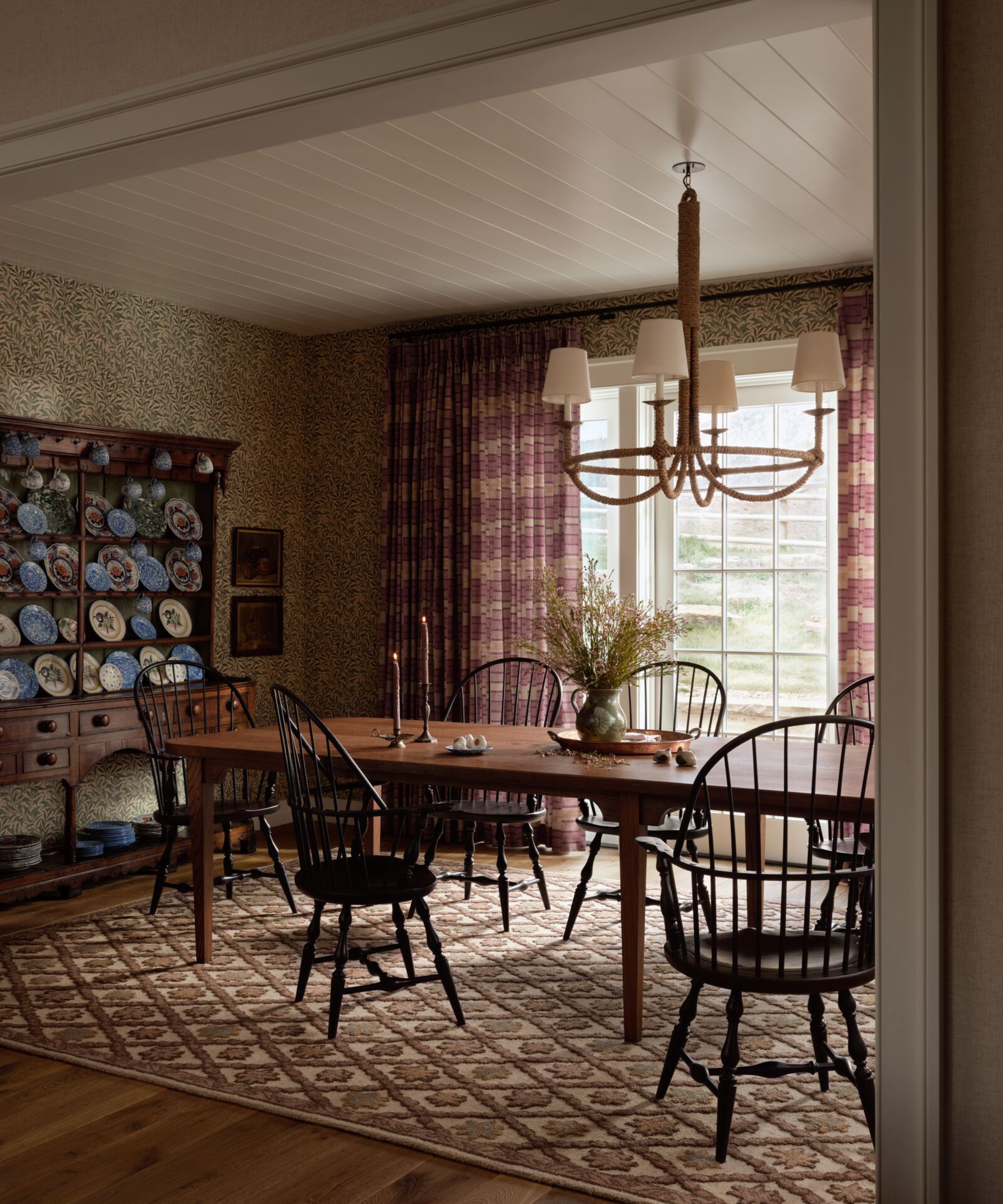
Grand, sprawling graphics are taking a backseat to intimate charm. For 2027, rugs featuring small-scale florals, miniature checks, micro-stripes, and delicate geometries are taking over underfoot. This aesthetic channels the storybook interiors popularized by A-list designers like Heidi Caillier.
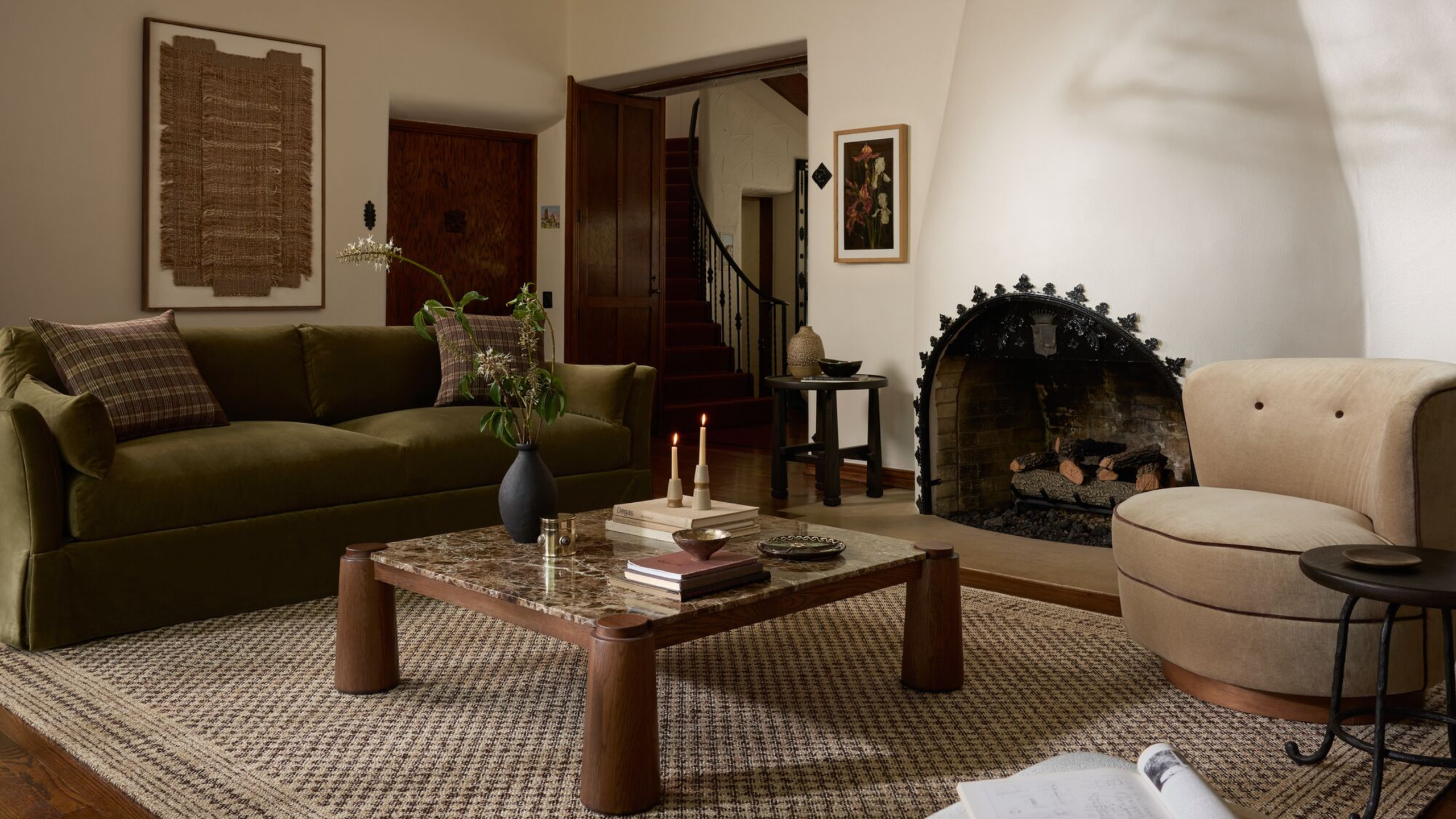
The Look: From a distance, these small motifs read almost like solid texture. Up close, they reveal intricate layers, offering a "grandma-chic" sensibility that feels deeply collected rather than heavily orchestrated.
2. Layering Natural Fibers with Antique Accents
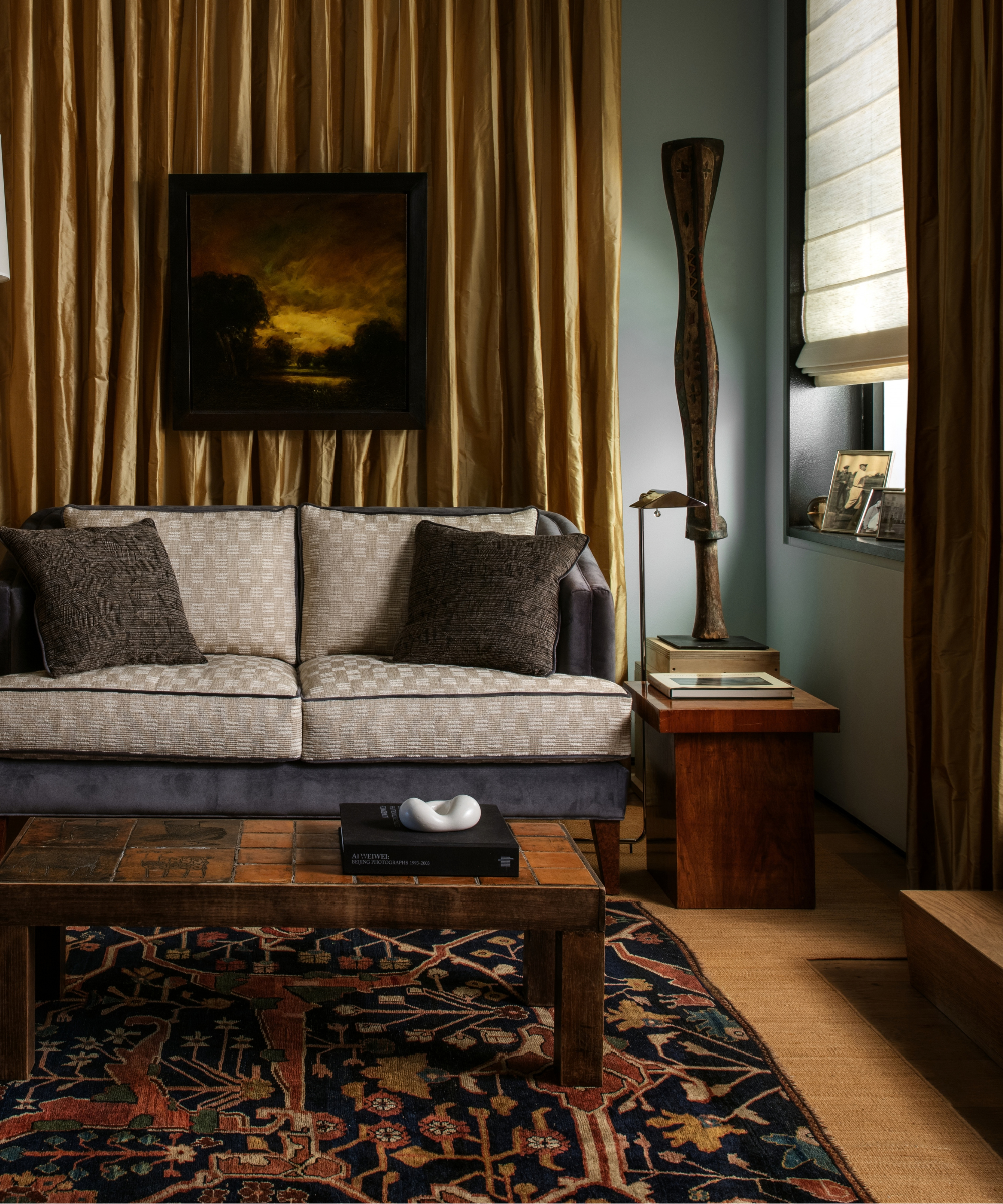
The time-tested designer trick of laying a durable natural fiber base—such as jute or sisal—and topping it with a smaller, high-impact antique or hand-knotted wool rug has officially entered the mainstream.
The Function: This technique solves two major dilemmas at once: it provides the structural room-coverage modern living spaces require, while allowing homeowners to incorporate precious, undersized vintage pieces without overwhelming the room.
3. Celebrating "Honest" Antique and Vintage Rugs
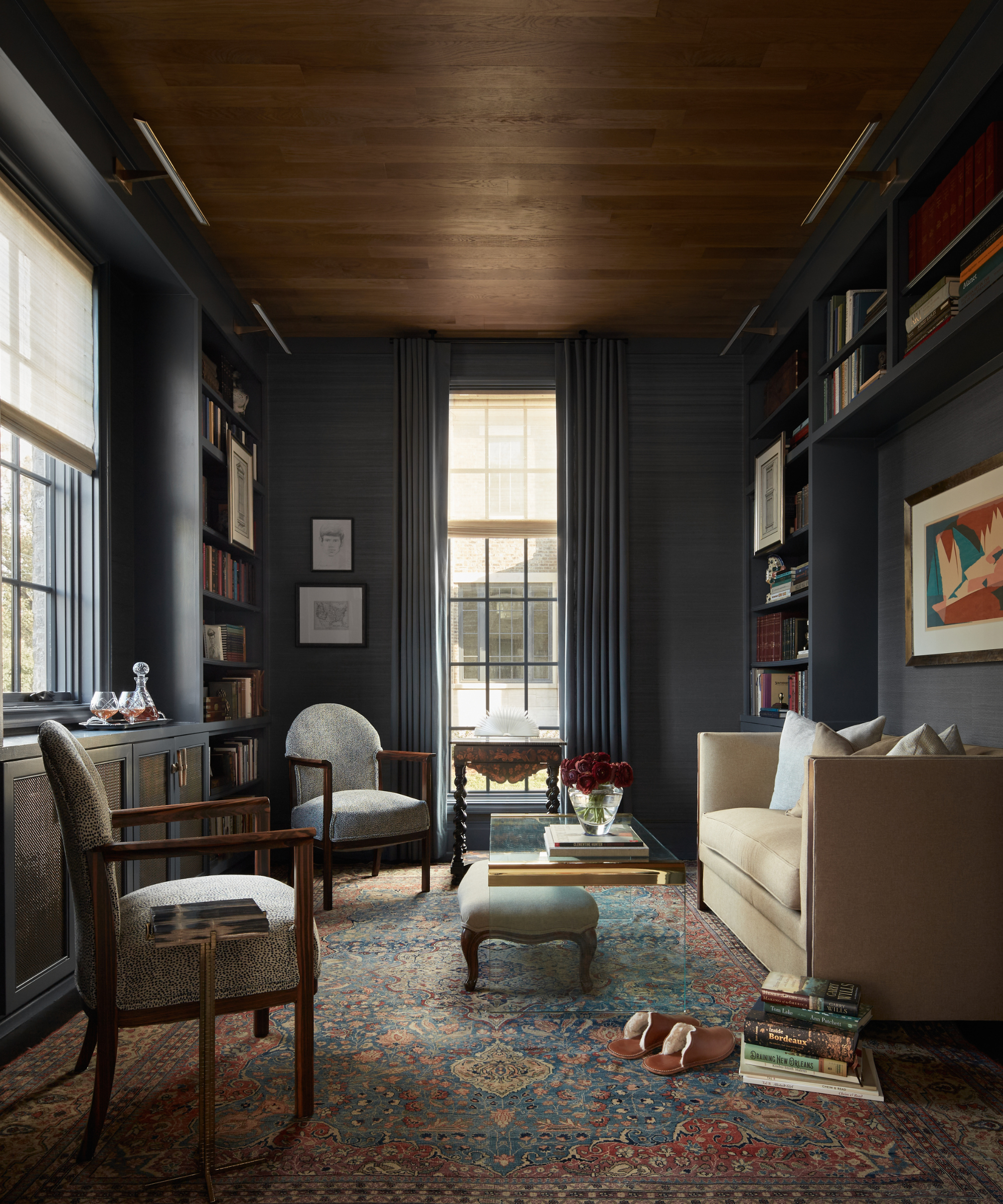
Mass-produced perfection is out; authentic history is in. While Oushaks, Kilims, and Persian carpets have always remained classics, the consumer approach to buying them has completely transformed.
The Shift: Rather than demanding overdyed, aggressively cleaned, "like-new" restorations, buyers and luxury designers are actively seeking out visible wear, mended corners from eighty years ago, and low-traffic-path fades. Provenance and patina have become badges of honor.
4. Rich, Super-Saturated Color Palettes
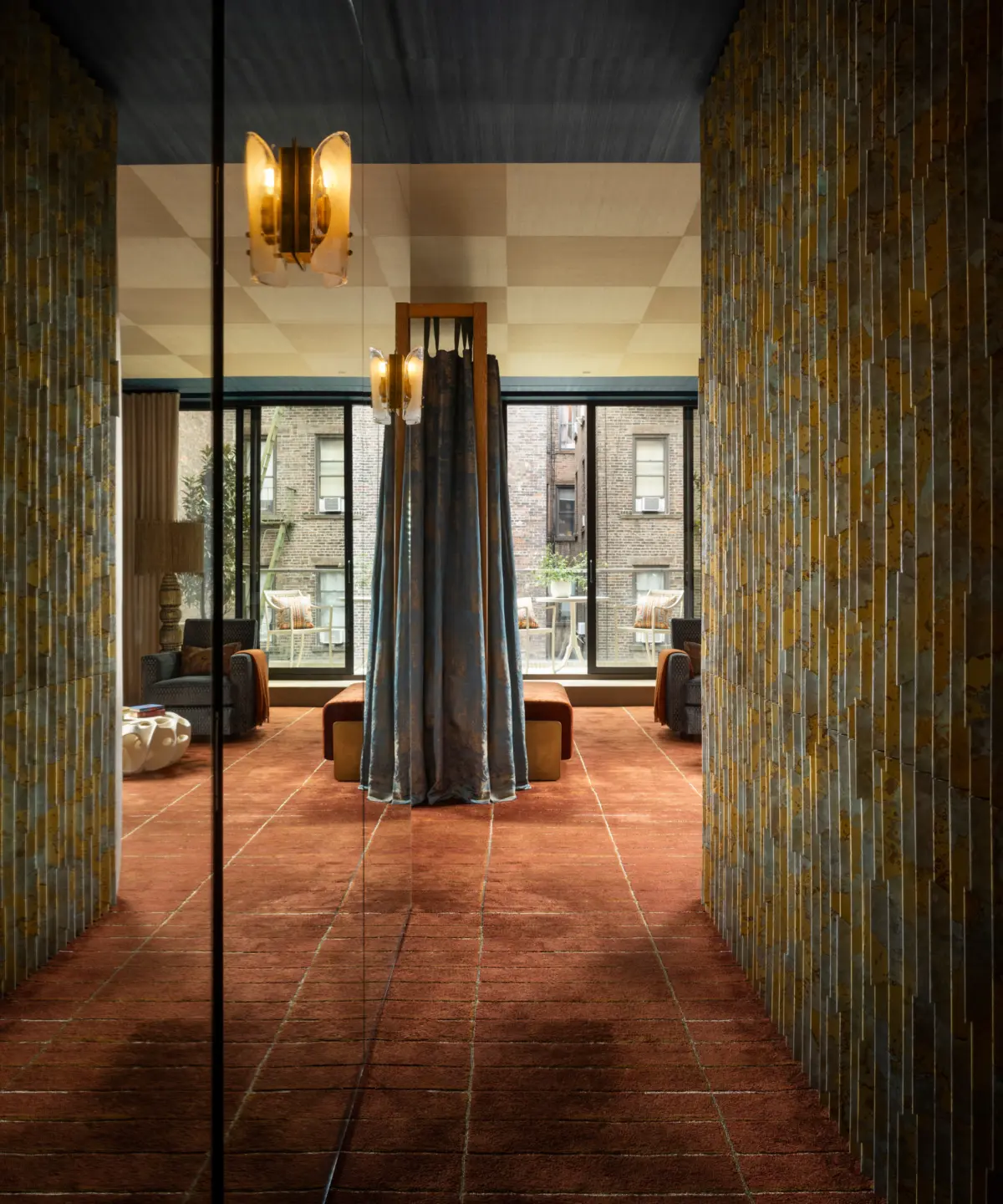
Drawing inspiration straight from the international design runways and Salone del Mobile, 2027’s color palette is deeply saturated. Think evergreen greens, brooding terracotta, deep burgundy, rust, mineral blues, tobacco, and ochre. These shades anchor a room with emotional weight and authenticity, providing a foolproof baseline for building out an entire color scheme.
5. High-End Washable Rugs for "Red Wine Territory"
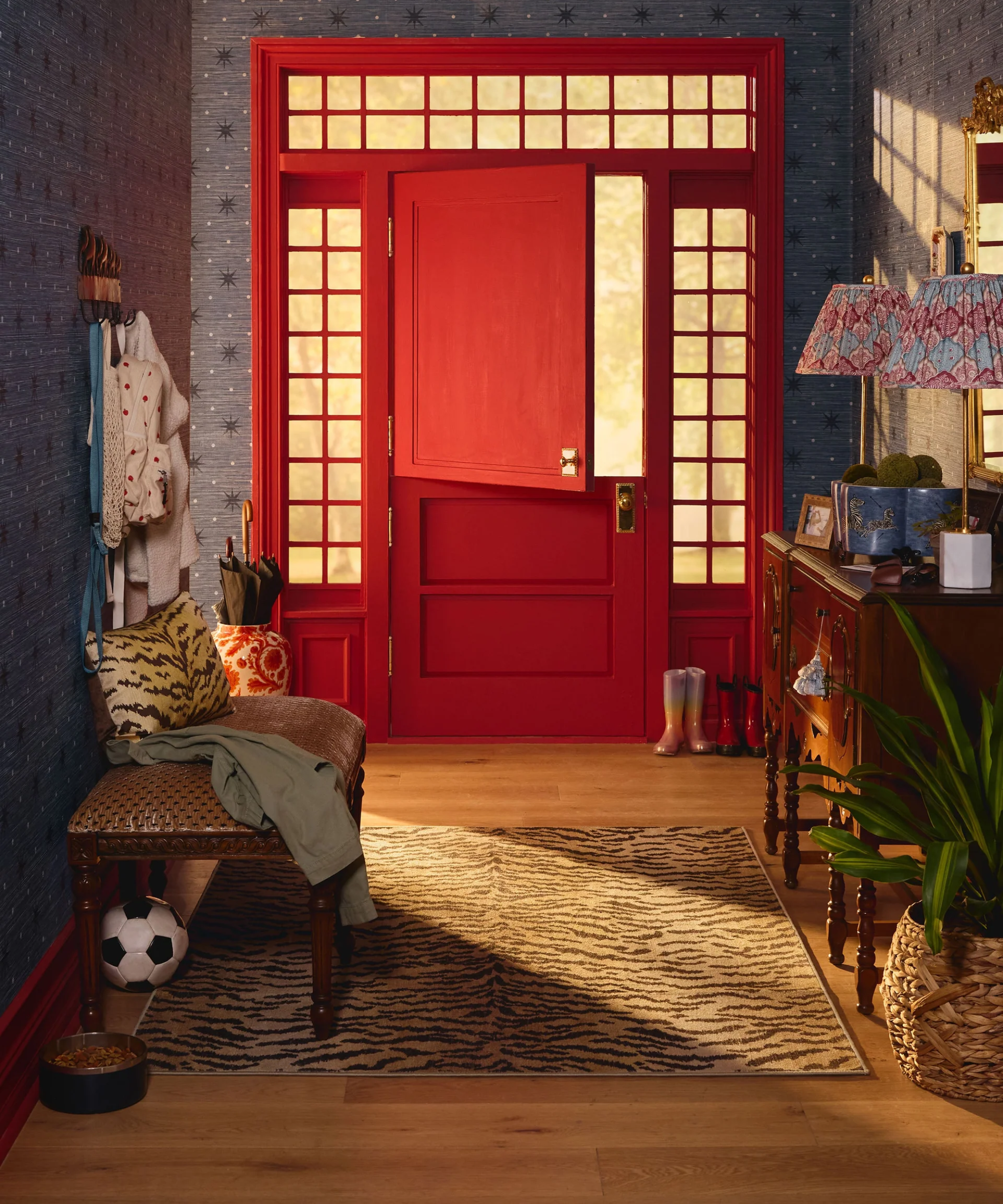
High design is no longer barred from high-mess areas. Thanks to elevated designer collaborations—such as Ruggable’s partnerships with historic houses like Scalamandrè and Morris & Co.—washable rugs have shed their second-class reputation. Homeowners are now bravely placing gorgeous, pattern-rich rugs in former danger zones like kitchens, bathrooms, entryways, and children’s playrooms.
6. Carved Texture as Pattern
Pattern is migrating from the surface print to the actual physical topography of the rug. High-low piles, sheared motifs, ribbed wool, and bouclé loops mean that texture is something you feel with the soles of your feet before registering it with your eyes. It is the modern shortcut to making a neutral rug feel expensive and tactile.
7. Single-Splash Statement Solids
Popularized by Scandinavian innovators like Nordic Knots, single-color statement rugs in editorial shades—such as Milano green, rich pecan, and ice blue—are becoming status symbols. Proving that print isn’t mandatory for drama, these solid-color pieces rely on peerless craftsmanship, lush materials, and exquisite tailoring to hold a room’s attention.
Chronology: How the Floor Became the Focal Point
To understand how we arrived at the 2027 rug revolution, it is necessary to trace the evolution of post-pandemic interior design:
2020–2023 (The Era of Quiet Neutrality): Driven by uncertainty and a collective desire for calm spaces, homeowners embraced minimalism. Beige bouclé, neutral wools, and tone-on-tone minimalism dominated consumer markets, eventually reaching a saturation point where design felt mass-produced and sterile.
2024–2025 (The Vintage Awakening): Consumers began pushing back against algorithmic decor. Interest in vintage marketplaces surged as buyers hunted for one-of-a-kind pieces to inject soul into cookie-cutter suburban and urban homes.
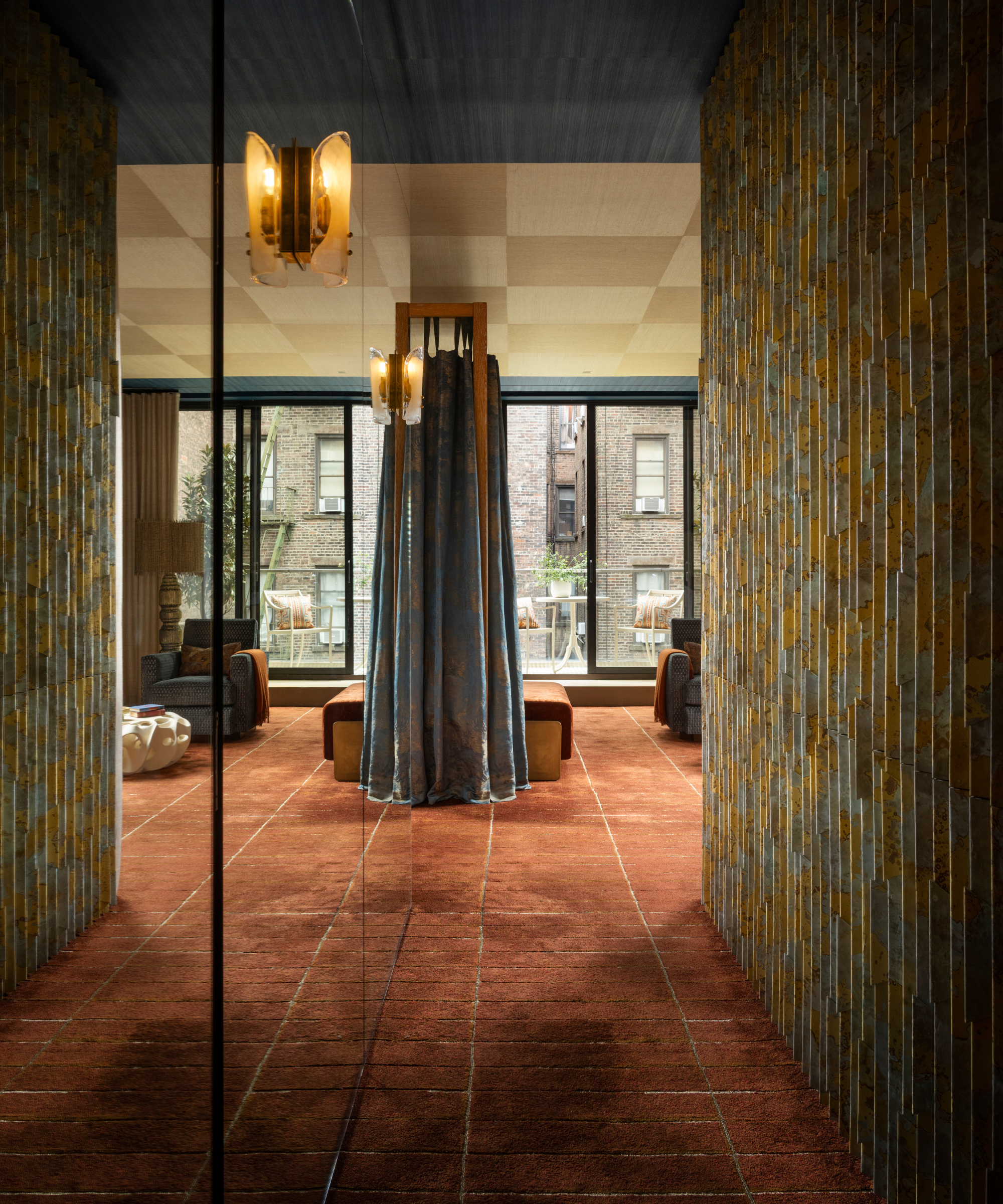
2026 (The Global Trade Show Pivot): Major international exhibitions, including Milan Design Week (Salone del Mobile) and the Kips Bay Decorator Show House in New York, signaled a dramatic shift. Designers like John Ferguson and Aguirre utilized brooding terracotta carpets, saturated tones, and multi-layered textiles, proving that color and texture were back.
2027 (The Full Rebellion): The trends converge. Consumers are no longer afraid of color, pattern, or foot traffic. The rug is officially recognized as the foundational anchor and emotional centerpiece of interior architecture.
Supporting Data and Expert Insights
Industry leaders attribute this sea change to a fundamental psychological shift in how consumers view their living spaces.
"We’re seeing borders and smaller-scale patterns appear across the market… both speak to a broader return to familiar motifs and more detailed patterns," notes Andrea DeRosa, co-founder of Avenue Interior Design. "There’s something lovely about a rug that gives you a little more to discover rather than relying on one large graphic gesture."
This sentiment is echoed by Lindsay Olson, founder of Lulu Designs, who tracks changes directly at trade auctions and high-end dealerships.
"Clients used to want the antique cleaned up, overdyed, and made to read ‘new.’ Now they want the opposite: the low pile in the traffic path, the visible reweave, the patch where a corner was mended eighty years ago," Olson explains. "Dealers are pricing honest condition higher than restored condition on good pieces."
From a fabrication standpoint, mills are pivoting rapidly to meet consumer demands for tactility. Katherine Cohen, Associate Creative Director at FLOR, points to international design fairs as the bellwether:
"The biggest overarching trend in Milan was color. Evergreen greens, deep reds such as burgundy and rust, softer mineral blues, warm browns… together, these palettes reflect a desire for authenticity, comfort, craftsmanship, and a deeper connection to nature."
Official Responses and Industry Reactions
Major commercial entities and legacy textile brands have responded swiftly to the shifting winds of consumer preference:
The Mill Adaptation: High-end custom carpet suppliers like Ernesta, alongside mass-market retailers like West Elm and Crate & Barrel, have significantly expanded their inventories of hand-carved, high-low textures and heritage-inspired folk patterns.
The Functional Shift: Direct-to-consumer pioneers have fundamentally altered the luxury market by partnering with historic design archives. By proving that functional, machine-washable textiles can carry the visual weight of iconic historical patterns (such as Scalamandrè’s legendary tiger prints), the boundary between high-maintenance heirlooms and daily-life practicality has effectively dissolved.
The Retailer Pivot: Maximalist and craft-oriented wholesalers like Jaipur Living and Patterson Flynn report a surging demand for muddy reds, tobacco, ochres, and deep indigos—colors that require specialized natural dyes and sophisticated weaving techniques.
Implications: What the 2027 Rug Shift Means for Homeowners
The move away from boring beige has profound implications for how we design, live in, and maintain our homes:
A Shift in Investment Psychology: Homeowners are beginning to view rugs less as disposable floor coverings and more as permanent investments or collected works of art. The acceptance of wear-and-tear on antiques means buyers are less stressed about preserving pristine conditions.
Democratization of Design: The rise of high-end washable rugs means families with children and pets no longer have to sacrifice aesthetic integrity for functional living. Areas previously deemed "off-limits" to quality rugs—such as kitchens and dining rooms—are now primary canvases for self-expression.
The Return of Maximalist Layering: By combining natural fiber bases with vintage statement toppers, decorators can achieve complex, layered rooms that feel accumulated over decades rather than assembled from a single catalog in an afternoon.
Ultimately, the 2027 rug trends invite us to stop treating our floors as neutral background noise. By letting pattern, texture, color, and history take center stage underfoot, our homes are becoming richer, warmer, and infinitely more human.