

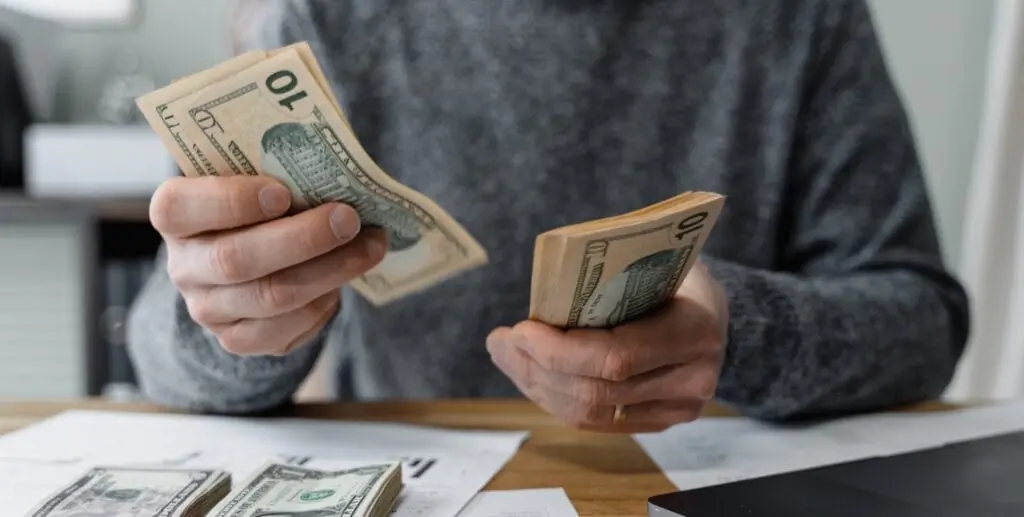
For a generation of real estate investors, cheap debt was the oxygen of the trade. Armed with low interest rates, aggressive strategies like the BRRRR method (Buy, Rehab, Rent, Refinance, Repeat) allowed buyers to scale portfolios rapidly, recycling capital and stacking doors with minimal out-of-pocket cash.
That era has officially slammed shut.
With interest rates remaining stubbornly high and economic volatility casting a long shadow, the calculus of property acquisition has radically shifted. Today, the dream of buying investment properties entirely in cash—once viewed as an overly conservative luxury—has transformed into one of the defining strategies of the modern real estate market. Yet, as a new economic landscape takes shape, the question facing everyday investors and institutional players alike is no longer just how to buy for cash, but when it actually makes financial sense.
Main Facts: The Current State of All-Cash Real Estate
Despite a slight tightening of the overall market, all-cash buyers continue to command a massive footprint in American real estate. According to a recent comprehensive report from Realtor.com, cash buyers accounted for 31.4% of all home sales during the first four months of 2026. While this represents a marginal dip from the 32.3% recorded at the start of 2025, it underscores a resilient baseline of liquidity in an otherwise high-interest-rate environment.
The National Association of Realtors (NAR) echoed these findings in its latest Confidence Index, noting that all-cash transactions made up roughly 26% of purchases during the peak summer months of June and July.
However, the national data tells a tale of two extremes. All-cash transactions are overwhelmingly concentrated at the opposite ends of the pricing spectrum:
- Properties priced below $100,000: Attracting cash-flush investors looking for high-yield rentals or deep discounts.
- Properties priced above $1 million: Driven by high-net-worth individuals, second-home buyers, and tech-wealth beneficiaries (fueled in part by soaring artificial intelligence sector stocks) who can bypass mortgage underwriting entirely.
Furthermore, the mechanics of winning a deal have changed. In a cooling buyer’s market where inventory has begun to accumulate and homes are sitting on the market longer, the ultimate superpower of an all-cash offer is no longer just beating out competing bidders—it is the promise of a fast, guaranteed close.
Chronology: The Shift from Leverage to Liquidity
To understand how the market reached this inflection point, it is necessary to look at the recent trajectory of monetary policy and investor behavior:
- The Era of Cheap Money (Pre-2022): Ultra-low interest rates made leveraging debt the undisputed king of real estate strategies. Cash was deployed sparingly, often just as a stepping stone to a quick cash-out refinance.
- The Rate Shock (2022–2024): As central banks aggressively hiked interest rates to combat inflation, mortgage costs doubled. Traditional leveraged investing began to eat heavily into projected cash flows, stalling the BRRRR model in many high-cost metros.
- The Adjustment Period (2025): Real estate investors realized high rates were not a temporary blip. Cash buyers established a firm foothold, accounting for roughly 32% of transactions as the market adapted to a "higher-for-longer" reality.
- The Regional Divergence (2026): National averages began to fracture. While coastal markets slowed down, specific geographic pockets—notably in the Midwest and Sunbelt—saw localized surges in cash acquisitions as investors recalibrated their portfolios for safety and immediate yield.
Supporting Data: Where Cash is King (and Where It’s Retreating)
While the national share of cash sales sits comfortably above 31%, the geographical distribution is far from uniform. Economic tightening, shifting migration patterns, and varying local price-to-rent ratios have created distinct micro-markets for cash buyers.
Geographic Hotspots
The Midwest and the Sunbelt have emerged as primary magnets for all-cash investors. States in these regions consistently enjoy the highest share of all-cash purchases, driven by more affordable median home prices and cap rates that still pencil out positively even without debt financing.
Market Polarization
According to Realtor.com Senior Economist Hannah Jones, the polarization of the market is unprecedented. "As buyer demand has cooled and inventory has built up in many metros, homes are sitting on the market longer, and a fast, guaranteed close becomes the main selling point of an all-cash offer rather than a way to win a bidding war," Jones noted in the report.
On one side, buyers with limited access to credit are fighting for entry-level inventory. On the other, deep-pocketed investors flush with liquidity—often capitalizing on gains from other asset classes like equities and tech—are snapping up luxury properties or bulk portfolio assets without ever speaking to a loan officer.
Official Responses and Industry Insights
Industry leaders and trade associations have been quick to analyze the psychological and structural shifts occurring among buyers.
The National Association of Realtors emphasized the role of portfolio recycling in its Confidence Index report: "Investors, second-home buyers, and repeat buyers who can leverage cash from a previous sale are using their buying power to bypass traditional financing hurdles."
Financial advisors, however, urge caution. While deploying cash eliminates mortgage risk, it introduces an often-overlooked opportunity cost. In an unpredictable economic climate, keeping cash safely tucked into high-yield, liquid, or tax-advantaged accounts can sometimes yield returns comparable to a risky rental property—without the headaches of property management.
Consequently, the industry consensus is shifting: holding cash is no longer viewed as "losing to inflation" by default, but rather as holding valuable optionality. When an investor does decide to deploy that cash into real estate, it must be done with surgical precision.
Implications: When Does Buying for Cash Actually Make Sense?
Given the risks of tying up liquidity, writing a check for an entire property should never be done on a whim. Financial literacy dictates that capital must be deployed with clear, quantifiable objectives. Here are the primary scenarios where an all-cash purchase remains a sound investment strategy:
1. To Maximize Cash Flow on Deeply Discounted Assets
If you uncover an off-market property available at a significant discount—and the asset has immediate upside potential, such as the addition of an Accessory Dwelling Unit (ADU)—paying cash can secure the deal instantly. You can then stabilize the property and subsequently pull cash out via a Home Equity Line of Credit (HELOC) or delayed financing to replenish your reserves.
2. To Fund a Short-Term Flip
For fix-and-flip investors, speed is everything. All-cash offers bypass appraisal gaps, financing contingencies, and lender delays. Utilizing cash (or a short-term liquidity source like a HELOC) allows you to acquire, renovate, and resell a property in a fraction of the time traditional buyers require.
3. When Anticipating a Near-Term Financial Windfall
If you are expecting an inheritance, corporate bonus, tax refund, or the impending liquidation of a stock portfolio, utilizing a short-term cash bridge to secure a prime piece of real estate can make sense—provided you have a concrete, guaranteed timeline to pay back any borrowed liquidity.
4. Capitalizing on Homebuilder Concessions
Homebuilders facing bloated inventory are increasingly willing to sweeten the deal for cash buyers. In exchange for a quick, guaranteed closing, builders may throw in upgrades such as finished basements, extra bedrooms, or home offices. If the projected rental income or future equity bump offsets your capital outlay, these concessions can tip the scales in favor of a cash buy.
5. The Two-Year Personal Residence Strategy
For investors willing to blend personal and investment strategies, buying a property for cash, living in it as a primary residence for two out of five years, and executing strategic renovations can yield massive tax-free gains. Under current tax laws, realizing a substantial increase in equity on a primary residence allows you to shield a large portion of profits from capital gains taxes upon sale.
Final Thoughts: The Bottom Line on Cash Buying
There is an old adage passed down through generations: Money doesn’t grow on trees. Simply because an investor possesses the capital to buy a property outright does not automatically mean they should do so.
Writing a check for a real estate asset strips away the safety net of a mortgage, but it does not immunize you against the harsh realities of property management. Property taxes, stubborn insurance hikes, problematic tenants, unexpected structural repairs, and legal fees can quickly turn a supposedly "safe" all-cash deal into an expensive drain on your net worth.
Furthermore, tying up large sums of liquid capital in an illiquid asset carries inherent risks. All-cash deals should almost always be paired with a bulletproof exit strategy—and even then, market conditions can shift unexpectedly.
The bottom line for today’s real estate investor is clear: If you plan to acquire a property for cash, ensure you have the financial depth to absorb unforeseen setbacks. In a high-rate environment where traditional leveraging is losing its luster, cash is power—and power demands discipline.
