

By Anthony Capkun
Published August 4, 2026
Main Facts
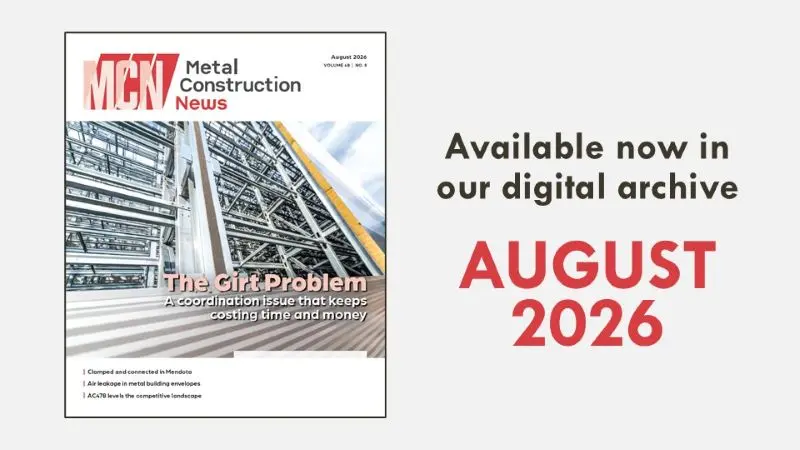
The architectural engineering and metal construction sectors are undergoing a profound transformation driven by advanced manufacturing techniques, stringent global carbon reduction mandates, and a pressing need for modern workforce development. Metal Construction News released its highly anticipated August 2026 digital edition, serving as a comprehensive snapshot of an industry at a critical crossroads.
At the core of this month’s publication is the intersection of high-performance materials and intelligent design. As urban centers densify and climate volatility increases, engineers and fabricators are tasked with delivering structures that are not only structurally resilient but also possess a near-zero carbon footprint over their lifecycle. The latest digital issue brings these themes to the forefront, examining how cutting-edge coatings, automated fabrication, and digital twin technologies are redefining what is possible with steel, aluminum, and alternative metal alloys.
Key takeaways from the August 2026 release include:
- Advanced Material Science: The accelerated adoption of high-strength, low-alloy (HSLA) steels and corrosion-resistant metal composites designed to withstand extreme weather events.
- Digital Transformation: Widespread integration of Building Information Modeling (BIM) combined with AI-driven generative design tools to minimize material waste during the prefabrication phase.
- Supply Chain Localization: A strategic shift toward regional fabrication hubs to mitigate global logistics vulnerabilities and reduce transportation-related emissions.
- Workforce Evolution: Innovative training programs aimed at bridging the skills gap in advanced welding, CNC machinery operation, and sustainable construction methodologies.
Chronology
To understand the trajectory of the metal construction industry in August 2026, it is essential to trace the recent milestones that have shaped current manufacturing and building standards:
- Early 2024: Global supply chain disruptions and escalating carbon tax proposals force major structural steel producers to heavily invest in green hydrogen-based reduction processes and electric arc furnaces (EAFs).
- Late 2024 to 2025: Industry-wide adoption of AI-driven project management software surges by over 40%. Fabricators begin utilizing real-time inventory tracking to optimize raw material usage, significantly driving down overhead costs.
- Mid-2025: Regulatory bodies across North America and Europe introduce stricter thermal performance requirements for commercial building envelopes, pushing insulated metal panels (IMPs) to the forefront of architectural specifications.
- First Quarter 2026: A shortage of certified welders and specialized machine operators reaches a critical juncture, prompting industry associations and trade publications to advocate heavily for modernized vocational training frameworks.
- August 2026: Metal Construction News publishes its landmark digital edition, consolidating these technological, environmental, and human resource trends into a unified roadmap for contractors, architects, and manufacturers.
Supporting Data and Market Metrics
The insights featured in the August 2026 digital edition are backed by robust economic indicators and industry research pointing toward steady, innovation-led growth:
- Market Valuation: The global metal construction market is projected to surpass $135 billion by the end of 2026, driven largely by commercial and industrial warehousing demands fueled by e-commerce expansion.
- Carbon Reduction: Facilities utilizing electric arc furnaces powered by renewable energy sources have reported a staggering 65% reduction in greenhouse gas emissions compared to traditional blast furnace methods.
- Material Efficiency: Projects employing automated CNC plasma cutting and generative design algorithms have demonstrated up to a 14% decrease in scrap metal waste, translating to millions of dollars in material savings sector-wide.
- Insulated Metal Panel (IMP) Growth: Demand for IMPs has maintained a compound annual growth rate (CAGR) of roughly 7.5%, heavily favored for their superior thermal insulation properties and rapid installation times.
Official Responses and Industry Perspectives
Industry leaders, engineers, and association executives have weighed in on the pivotal trends highlighted in this month’s digital release, emphasizing collaboration and adaptability.
Dr. Elena Vance, Senior Structural Engineer at the Global Institute of Steel Construction, noted the rapid pace of change:
"We are no longer just building structures; we are engineering intelligent systems. The data and case studies featured in this month’s edition prove that sustainability and structural integrity are no longer mutually exclusive. By leveraging advanced alloys and smart prefabrication, we are cutting construction timelines while future-proofing our built environment against climate risks."
Marcus Thorne, President of the National Association of Metal Fabricators, addressed the ongoing labor shortage and the role of modern technology in attracting new talent:
"The perception of metal construction as a purely manual, traditional trade is rapidly shifting. Today’s young professionals want to work with robotics, digital modeling, and advanced automation. By highlighting these technologies and investing in robust training initiatives, we are not only closing the skills gap—we are elevating the entire standard of our workforce."
Implications for the Future of Metal Construction
The findings and features presented in the August 2026 digital edition of Metal Construction News carry profound implications for stakeholders across the entire construction ecosystem.
1. Environmental Accountability and Regulatory Compliance
With governments globally tightening environmental regulations, the onus is on contractors and manufacturers to transparently report the lifecycle emissions of their materials. Environmental Product Declarations (EPDs) are transitioning from voluntary marketing tools to mandatory project requirements. Companies that fail to adopt low-carbon steel and energy-efficient building envelopes risk losing out on major public and commercial contracts.
2. The Rise of the Smart Fabrication Shop
Automation is no longer reserved for mega-corporations. Small-to-midsize fabrication shops are increasingly integrating robotic welding arms, automated sorting systems, and cloud-based project management platforms. This democratization of technology allows smaller players to compete on larger scales, improving turnaround times and ensuring stringent quality control.
3. Redefining Architectural Aesthetics
Metal is shedding its reputation as a purely utilitarian material. Architects are utilizing advanced coatings, perforated panels, and custom curved metal facades to create striking, energy-efficient designs that merge aesthetic brilliance with high durability. The versatility of metal continues to expand the boundaries of contemporary architecture.
4. Human Capital as the Ultimate Asset
Technology alone cannot drive the industry forward. The insights shared by contributors this month underscore that sustainable growth depends entirely on continuous workforce education. Apprenticeship programs that blend traditional craftsmanship with digital literacy will define the market leaders of the next decade.
To explore the complete archive of articles, case studies, and expert commentaries, readers can access the full digital edition directly through the Metal Construction News Digital Editions portal. Special thanks are extended to all industry contributors, engineering partners, and editorial collaborators who made this month’s comprehensive publication possible.
