

Executive Summary: The Return of the Flame
For more than a decade, the commercial roofing industry experienced a steady, seemingly irreversible migration toward single-ply membrane systems. Thermoplastic polyolefin (TPO), polyvinyl chloride (PVC), and ethylene propylene diene monomer (EPDM) became the undisputed standards for flat and low-slope roofs across North America. However, severe global supply chain disruptions have forced a dramatic re-evaluation of these preferences.
Faced with unprecedented lead times, material shortages, and skyrocketing costs for single-ply adhesives and membranes, commercial roofing contractors have turned back to traditional, time-tested methodologies: modified bitumen (mod-bit) torch-down systems and built-up roofing (BUR) utilizing hot asphalt.
This sudden pivot has revitalized the market for specialized application equipment, such as multi-burner torch carriages and asphalt kettles. Yet, this shift also introduces a critical challenge: a generation of roofing laborers accustomed to cold-applied single-ply membranes must now be rapidly trained—or re-trained—to safely manage open flames, highly flammable liquid petroleum gas (LPG), and elevated-temperature liquid asphalt.
According to industry veteran Gary Zimmerman of Roofmaster, this technological regression highlights an urgent need to reinforce personal and job site safety protocols to prevent catastrophic structural fires and severe workplace injuries.
Main Facts: The Supply Chain Catalyst and the Modified Bitumen Surge
The primary driver behind the resurgence of torch-down roofing is not a sudden change in architectural preference, but rather a pragmatic response to supply chain bottlenecks. Between late 2020 and 2023, shortages of key chemical precursors—particularly those required to manufacture polyisocyanurate (polyiso) insulation adhesives, fasteners, and single-ply membranes—sent lead times for TPO and EPDM projects soaring from weeks to as long as twelve months.
To keep projects on schedule and maintain cash flow, contractors looked to modified bitumen. Because mod-bit systems rely on asphalt, which has a highly diversified and robust domestic supply chain, materials remained far more accessible.
[Global Supply Chain Bottlenecks]
              │
              ▼
[Shortage of Single-Ply Materials (TPO/EPDM, Adhesives)]
              │
              ▼
[Project Delays & Soaring Lead Times (Up to 12 Months)]
              │
              ▼
[Contractor Pivot to Domestically Abundant Modified Bitumen]
              │
              ▼
[Resurgence of Torch-Down & Asphalt Kettle Systems]
This market shift is clearly reflected in equipment procurement trends:
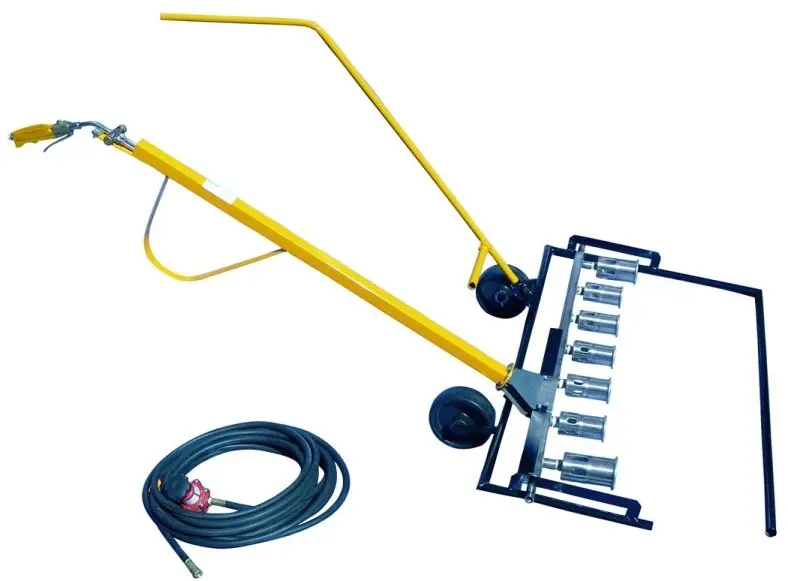
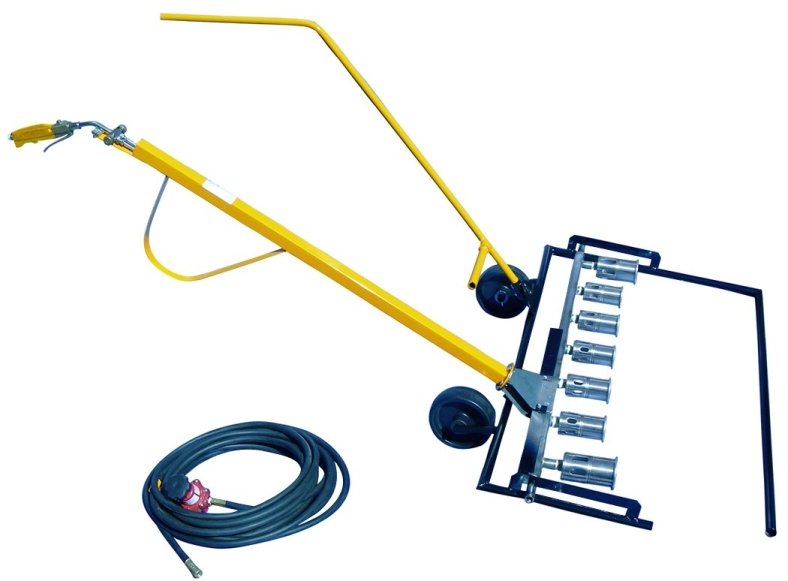
- Surging Equipment Sales: Sales of heavy-duty LP torches and specialized multi-burner application systems, such as the Dragin Wagon (a seven-burner torch carriage designed for uniform membrane adhesion), have experienced a notable spike.
- Kettle Reactivation: Asphalt kettles that had sat idle for years in contractors’ storage yards are being serviced, repaired, and put back into active service.
- The Labor Knowledge Gap: Because single-ply systems dominated the market for so long, a significant portion of the current roofing workforce has little to no experience working with open flames or hot-melt asphalt, creating a high-risk operational environment.
Chronology: From Single-Ply Dominance to the Retro-Revolution
The 2010s: The Era of Single-Ply Hegemony
Throughout the 2010s, single-ply membranes steadily captured the lion’s share of the low-slope commercial roofing market. These systems were favored for their fast installation, light weight, highly reflective surfaces (supporting cool-roof initiatives), and the absence of open flames on the roof deck. The latter point was highly favored by insurance underwriters, who rewarded contractors utilizing cold-applied or self-adhered systems with lower liability premiums. Consequently, asphalt kettles and propane torches were increasingly relegated to storage yards.
2020–2022: The Great Supply Chain Disruption
The COVID-19 pandemic, coupled with extreme weather events in the Gulf Coast (the hub of North American petrochemical manufacturing), crippled the production of raw materials used in roofing adhesives and single-ply membranes. By mid-2021, roofing contractors faced a crisis: they had signed contracts but no materials to execute them. Project backlogs grew to historic lengths, and price escalation clauses became mandatory.
Late 2022–Present: The Pivot to Heritage Systems
In search of alternatives, contractors and specifiers began rewriting project specifications to allow modified bitumen and built-up roofing. Because these multi-ply systems could be sourced relatively quickly, they offered a viable path forward.
By late 2023, the physical evidence of this shift was undeniable: distributors reported a sharp increase in the sale of modified bitumen rolls, torching equipment, and repair parts for asphalt kettles. This transition effectively brought the open-flame torch and the hot-asphalt kettle back to the forefront of commercial roofing sites.
Supporting Data and Technical Guidelines
To manage the hazards of open-flame application, contractors must strictly adhere to specialized safety and application guidelines. The return to torch-down roofing requires deep technical knowledge of material behavior, thermodynamic properties, and equipment limitations.
The Science of the Perfect Torch-Down Application
Applying modified bitumen requires precise thermal control. The objective is to heat the back of the membrane sheet until the bitumen reaches its melting point, creating a small, consistent puddle of molten asphalt (known as "bleed-out") at the seam as the roll is unrolled.
- Too Much Heat: Overheating degrades the polymer modifiers (SBS or APP) within the asphalt, destroying the membrane’s UV resistance, elasticity, and long-term durability. It also increases the risk of igniting the underlying substrate.
- Too Little Heat (Cold Weld): Underheating prevents proper molecular bonding between the sheets, leading to seam failures, fishmouths, and subsequent water infiltration.
- Bleed-Out Target: A proper torch-down application should yield a uniform bleed-out of molten bitumen between 1/4-inch and 3/8-inch along the entire seam.
+-------------------------------------------------------------+
|               Modified Bitumen Sheet (Top)                  |
+-------------------------------------------------------------+
|  ////////////////////// Heated Bitumen //////////////////// |
+-------------------------------------------------------------+
                                                           /
   -->  [Target Bleed-Out: 1/4" to 3/8" Molten Asphalt]  <--/
  /
+-------------------------------------------------------------+
|             Substrate / Base Sheet (Bottom)                 |
+-------------------------------------------------------------+
The Criticality of Specialized Equipment
To achieve uniform heat distribution across the width of the roll, contractors utilize multi-burner systems like the Dragin Wagon. However, as Gary Zimmerman emphasizes, these tools must be used strictly in accordance with manufacturer guidelines:
- No Roll-Dolly Substitution: The Dragin Wagon is a precision heating instrument engineered to hold and heat the membrane during application. It should never be utilized as a heavy-duty roll dolly to transport materials across the roof, as this can misalign the burners, damage the gas manifold, and create dangerous fuel leaks.
- Granule Embedder Tools: For end laps (where the end of one roll overlaps the mineral-surfaced top of another), a granule embedder tool is highly recommended. This tool hot-presses the mineral granules down into the asphalt matrix, creating a smooth, bitumen-rich surface that ensures a watertight weld with the overlapping sheet.
- Roll Pullers: Rather than manually kicking the heavy, hot rolls—which can lead to uneven application and physical fatigue—crews should use roll pullers to guide the membrane smoothly and efficiently.
Rigorous Personal Protective Equipment (PPE) Standards
Working with open flames and molten asphalt demands specialized PPE designed to withstand high thermal energy:
| PPE Item | Technical Specifications & Purpose |
|---|---|
| Kevlar® Sleeves | Protects the forearms from accidental contact with molten asphalt (which can reach temperatures exceeding 400°F) and deflected torch flames. |
| Heavy-Duty Leather Gloves | Must feature gauntlet-style cuffs to overlap sleeves, preventing hot bitumen from dripping inside the glove. |
| Natural Fiber Clothing | Employees must wear 100% cotton or denim clothing. Synthetic materials (such as polyester or nylon) will melt when exposed to heat or flame, causing severe, deep-tissue burns. |
| Face Protection & Eye Safety | Face shields paired with safety glasses are required when working near hot kettles or operating torches to protect against asphalt splatters. |
| Fall Protection | Harnesses and lanyards must be rated for hot-work environments to prevent damage from open flames or hot asphalt contact. |
Fire Prevention and Site Safety Protocols
The National Fire Protection Association (NFPA) and the Occupational Safety and Health Administration (OSHA) enforce strict mandates for hot-work operations:
- Written Safety Plan: Every hot-work job must have a site-specific written safety plan. This plan must be reviewed, understood, and signed by every member of the crew before work begins.
- Liquid Petroleum Gas (LPG) Inspections: Propane tanks must have current inspection dates, and hoses must be checked daily for dry rot, kinks, or leaks using a soapy water solution.
- Infrared Thermography: Crews must utilize handheld infrared thermometers to actively scan walls, flashings, expansion joints, and cant strips. Wood and fiberboard substrates can smolder undetected for hours before erupting into an active fire.
- Mandatory Fire Watch: A dedicated fire watch must remain on the roof for a minimum of two hours after the last torch has been extinguished. This individual must be equipped with an infrared thermometer and a fully charged, properly rated fire extinguisher (typically a minimum of a 10 lb ABC dry chemical unit).
Industry Perspectives and Regulatory Responses
The Crucial Role of CERTA Training
The resurgence of torch-down roofing has placed a renewed spotlight on the Certified Roofing Torch Applicator (CERTA) program. Developed by the National Roofing Contractors Association (NRCA) in partnership with the Midwest Roofing Contractors Association (MRCA), CERTA provides authoritative training on safe torching techniques.
Industry experts emphasize that training is no longer optional. "We are seeing a massive influx of workers who have only ever installed TPO," says one safety director for a national commercial roofing contractor. "They don’t understand how quickly a wood deck or a parapet wall can ignite. Putting a torch in the hands of an untrained worker is a massive liability."
Manufacturer and Distributor Insights
Distributors and manufacturers are adapting to this shift by bundle-selling safety gear alongside torching equipment. When a contractor purchases a multi-burner system like the Dragin Wagon, distributors are increasingly prompting them to purchase Kevlar sleeves, heavy-duty rollers, and granule embedders. This proactive approach ensures that crews have the necessary safety gear on hand before arriving at the job site.
Long-Term Implications for the Commercial Roofing Sector
The resurgence of torch-down roofing and hot-asphalt applications is reshaping the commercial roofing landscape in several key ways:
Insurance and Risk Management Hurdles
The return to open-flame application has caught the attention of insurance underwriters. Contractors who shifted back to torch-down systems are experiencing upward pressure on their general liability insurance premiums. To mitigate these costs, contractors must demonstrate rigorous safety compliance, including mandatory CERTA certification for all torch operators, strict adherence to the two-hour post-work fire watch, and the consistent use of thermal imaging cameras.
                    [Return to Torch-Down Systems]
                                  │
                                  ▼
             [Increased Risk of Fire & Workplace Injuries]
                                  │
                                  ▼
            [Underwriters Raise General Liability Premiums]
                                  │
                                  ▼
      [Contractors Forced to Implement Strict Safety Controls]
         (CERTA Training, 2-Hour Fire Watch, Infrared Scans)
Workforce Transformation and the Skills Gap
The roofing industry was already grappling with a persistent labor shortage. The sudden demand for highly skilled hot-work operators has exacerbated this issue. Contractors must invest heavily in training programs to upskill their existing workforce. Those who fail to do so risk facing severe OSHA citations, costly property damage, and project delays.
A Diversified Future for Roofing Contractors
Ultimately, the supply chain disruptions of recent years have taught the roofing industry a valuable lesson about over-reliance on a single technology. While single-ply systems will undoubtedly remain a cornerstone of the market as supply chains stabilize, the return of torch-down and hot-asphalt systems has demonstrated the value of maintaining a diversified skill set.
By keeping traditional systems in their active service offerings—and maintaining a strict focus on safety and training—contractors can build resilient businesses capable of navigating future economic and supply chain disruptions.
