

Introduction
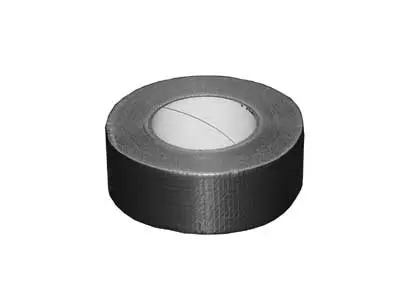
In the high-stakes, fast-paced world of commercial and residential roofing, field ingenuity has long been celebrated as a survival trait. For decades, roofing contractors have prided themselves on their ability to solve unexpected problems on the fly, keeping projects on schedule despite equipment wear and tear. However, as the industry marks key historical milestones—including the 70th anniversary of prominent industry suppliers like Roofmaster—safety professionals are sounding the alarm on a ubiquitous tool that has transitioned from a handy temporary helper into one of the industry’s most dangerous liabilities: duct tape.
While duct tape is celebrated globally for its versatility, its misuse on construction sites, particularly as a substitute for proper electrical and mechanical repairs, poses catastrophic risks. From masking volatile propane leaks to hiding lethal electrical currents, the reliance on adhesive tape for critical tool maintenance compromises worker safety, violates federal regulations, and threatens highly sensitive, expensive roofing machinery.
Main Facts: The Illusion of Quick-Fix Security
On any active jobsite, the temptation to implement an immediate patch is immense. When a piece of equipment fails, work grinds to a halt, labor costs accrue, and deadlines loom. In these high-pressure scenarios, duct tape is frequently deployed as a universal panacea.
[Minor Equipment Damage] ---> [Duct Tape Applied] ---> [False Sense of Security] ---> [Catastrophic Failure/Injury]Safety auditors and equipment manufacturers have identified several highly critical, yet alarmingly common, misapplications of duct tape on modern roofing jobsites:
- Propane and LP Gas Hoses: Liquid petroleum (LP) torches are standard tools for modified bitumen and torch-applied roofing systems. When an LP hose develops a micro-abrasion or a puncture, wrapping it in duct tape is a common but highly dangerous practice. Duct tape is not rated to contain high-pressure gas, nor is its adhesive chemically resistant to hydrocarbons.
- Extension Cords and Power Cables: Heavy-duty extension cords are routinely dragged across sharp metal roof edges, abrasive asphalt shingles, and concrete parapets. When the outer protective jacket is sliced, exposing the copper conductors, workers often wrap the damaged area in duct tape or standard electrical tape. This creates a severe electrocution hazard, especially in wet or humid outdoor environments.
- Personal Protective Equipment (PPE) and Hand Tools: Broken knee pad straps, torn safety gloves, and cracked tool handles are regularly patched with tape. While seemingly harmless, these modifications can lead to sudden mechanical failures, loss of grip, or ergonomic injuries.
The Psychology of the "Quick Fix"
The primary danger of duct tape lies in its psychological effect: it provides a false sense of security. Because the physical tear is no longer visible, workers assume the hazard has been mitigated. In reality, the underlying structural or electrical compromise remains fully active beneath a thin layer of polyethylene film and rubber-based adhesive.
Chronology: The Evolution of Field Repairs and Safety Standards
To understand how the roofing industry arrived at this critical juncture, it is necessary to examine the historical intersection of roofing technology, materials science, and safety legislation over the past several decades.
1950s-1970s: Era of improvisational repairs; low regulatory oversight.
     │
1970 (OSHA Act): Introduction of federal safety mandates; formalization of electrical codes.
     │
1990s: Proliferation of sensitive electronics (e.g., hot air welders) requiring stable voltage.
     │
Present Day: Zero-tolerance regulatory environment; high-tech diagnostics replace field patches.
The Post-War Boom and the Improvisational Era (1950s–1970s)
In the mid-20th century, roofing was dominated by built-up roofing (BUR) systems, hot asphalt, and manual labor. Tools were mechanical, robust, and relatively simple. During this era, regulatory oversight was minimal, and field-expedient repairs using whatever materials were on hand—including early iterations of duct tape—were standard operating procedure.
The Rise of Regulation and Synthetic Systems (1970s–1990s)
The landscape shifted dramatically with the establishment of the Occupational Safety and Health Administration (OSHA) in 1970. Simultaneously, the roofing industry began adopting single-ply membranes (such as EPDM and PVC) and modified bitumen systems, which introduced open-flame torches and electrical equipment to the rooftop. As the complexity of the tools increased, the margin of error for field repairs shrank.
The Microchip and Precision Heating Era (2000s–Present)
Today’s commercial roofing sites rely heavily on sophisticated, microprocessor-controlled equipment, such as Leister automatic hot air welders. These machines require incredibly precise, stable electrical currents to maintain consistent temperatures for welding thermoplastic membranes. What began as a simple trade has evolved into a high-tech discipline, rendering legacy "duct-tape fixes" not only physically dangerous but technologically destructive.
Supporting Data: The Physics of Failure and Safety Statistics
The hazards of using duct tape on pressurized lines or electrical conduits are rooted in basic physics, materials science, and electrical engineering.
Electrical Conductivity and Dielectric Breakdown
Duct tape is constructed with a polyethylene backing, a fabric scrim, and a rubber adhesive. It is completely unrated for electrical insulation.
| Material / Parameter | Standard Duct Tape | Heavy-Duty Double-Insulated Cord Jacket |
|---|---|---|
| Dielectric Strength | Unrated / Highly Variable | Up to 600V (Industry Standard) |
| Moisture Resistance | Poor (Adhesive degrades in water) | High (Impermeable elastomer) |
| Tensile Strength | Low (Easily sheared or punctured) | High (Abrasion-resistant compound) |
| Thermal Tolerance | Low (Adhesive melts/slips at high temps) | High (Designed for outdoor/solar exposure) |
When an extension cord’s outer insulation is cut, the inner conductors are exposed to moisture, dirt, and mechanical stress. If covered with duct tape:
- Moisture Intrusion: Water can easily penetrate the non-waterproof edges of the tape, creating a conductive path to the ground.
- Arcing: If the inner copper wires are frayed, they can arc beneath the tape. The adhesive and fabric backing of duct tape are highly flammable, turning a minor electrical fault into an immediate fire hazard.
Thermodynamics of LP Gas Leaks
Propane is stored under high pressure (often exceeding 100 to 200 psi depending on ambient temperature). When a hose springs a leak, gas escapes at high velocity.
- Pressure Dynamics: Duct tape adhesive cannot withstand the outward pressure of escaping gas. The gas will quickly channel through the adhesive layer, escaping into the atmosphere.
- Olfactory Masking: Because propane is naturally odorless, manufacturers add ethyl mercaptan to give it a distinct "rotten egg" smell. Wrapping a leaking hose in duct tape can diffuse and trap the odor temporarily, preventing workers from detecting the leak until a highly explosive pocket of gas has accumulated near the open flame of a torch.
Official Responses: OSHA Standards and Technical Mandates
Federal regulators and equipment manufacturers maintain a zero-tolerance policy regarding improvised repairs on critical safety components.
OSHA Title 29 CFR Regulations
OSHA has established strict, legally binding standards governing the use of electrical equipment and pressurized systems on construction sites:
- 29 CFR 1926.403(b)(2) – Installation and Use: Mandates that listed or labeled equipment must be used in accordance with any instructions included in the listing or labeling. No manufacturer lists duct tape as an approved repair material for electrical cords.
- 29 CFR 1926.405(g)(2)(iii) – Splices: Flexible cords must be used only in continuous lengths without splice or tap. Repairing a cut outer jacket with tape, if the inner conductors are damaged, violates this standard.
- Visual Inspections: OSHA requires that all extension cords, plugs, and receptacles be visually inspected for external defects before each day’s use. Any cord found to be worn, frayed, or patched with tape must be immediately removed from service.
- Grounding Requirements: All extension cords must have a continuous, functional three-pronged grounding plug. Flat-wire cords are strictly prohibited on commercial sites due to their lack of double-insulation protection.
[OSHA Inspection]
       │
       ├──> Cord Frayed/Taped? ──> YES ──> [Immediate Citation & Fine]
       │
       └──> Cord Intact? ────────> YES ──> [Safe to Operate]
Manufacturer Specifications: The Leister Case Study
High-end roofing equipment manufacturers, such as Leister Technologies, design their hot air welders to operate within extremely tight electrical tolerances.
When an extension cord with damaged insulation or poor-quality tape repairs is used:
- Voltage Drops: Damaged wires increase electrical resistance, causing a significant voltage drop over the length of the cord.
- Component Damage: This voltage drop forces the welder’s internal electronics and heating elements to draw more current to compensate, leading to premature burnout of expensive control boards and heating elements.
- Warranty Voidance: Operating sensitive machinery on unapproved or damaged power delivery systems immediately voids manufacturer warranties, leaving the contractor fully liable for thousands of dollars in repair bills.
Implications: Legal Liability, Equipment Damage, and Professional Solutions
The continued use of temporary tape repairs on roofing sites has far-reaching consequences that extend well beyond the immediate physical dangers of shock or fire.
The True Cost of "Saving Money"
Many field supervisors justify quick tape repairs as a cost-saving measure to avoid downtime. However, a financial risk-benefit analysis reveals this to be a highly flawed strategy:
Cost of 100ft Extension Cord: $100 - $150
Cost of Professional Hose Repair: $50 - $75
─────────────────────────────────────────
VS.
─────────────────────────────────────────
OSHA Citation (Willful Violation): Up to $161,323 (2024 limits)
Cost of Damaged Leister Welder: $3,000 - $8,000
Worker's Compensation Claim: $40,000+ (Average serious injury)
Advanced Temporary and Permanent Solutions
For genuine waterproofing or minor, non-hazardous temporary repairs on the roof surface itself, specialized products are readily available. Products such as U-Seal Band and other advanced butyl-rubber flashing tapes are engineered specifically to withstand UV exposure, extreme thermal cycling, and physical wear. These products should be stocked on every service truck as legitimate temporary sealants for roof leaks—never for tool repair.
Professional Maintenance and the Role of Industry Experts
To combat the risks of field-repair culture, contractors must partner with certified repair facilities. Industry leaders like Roofmaster maintain dedicated, professional repair clinics staffed by certified technicians at all of their facilities.
These centers provide critical safety services, including:
- Hose Pressure Testing: Ensuring LP hoses can safely handle operating pressures without micro-leaks.
- Electrical Continuity and Insulation Resistance Testing: Using specialized megohmmeter ("Megger") testing to ensure extension cords and power tools are safe for wet outdoor environments.
- Authorized OEM Repairs: Restoring sensitive electronic welders and power tools to exact manufacturer specifications using genuine replacement parts.
Conclusion: A Cultural Shift Toward Safety
As the roofing industry continues to modernize, the "duct tape fix" must be left in the past. True professionalism on the rooftop requires a cultural shift where safety, regulatory compliance, and equipment integrity are prioritized over short-sighted convenience. By implementing rigorous daily inspection protocols, immediately retiring damaged equipment, and utilizing professional repair services, roofing contractors can protect their workers, safeguard their expensive machinery, and secure their bottom line.
