

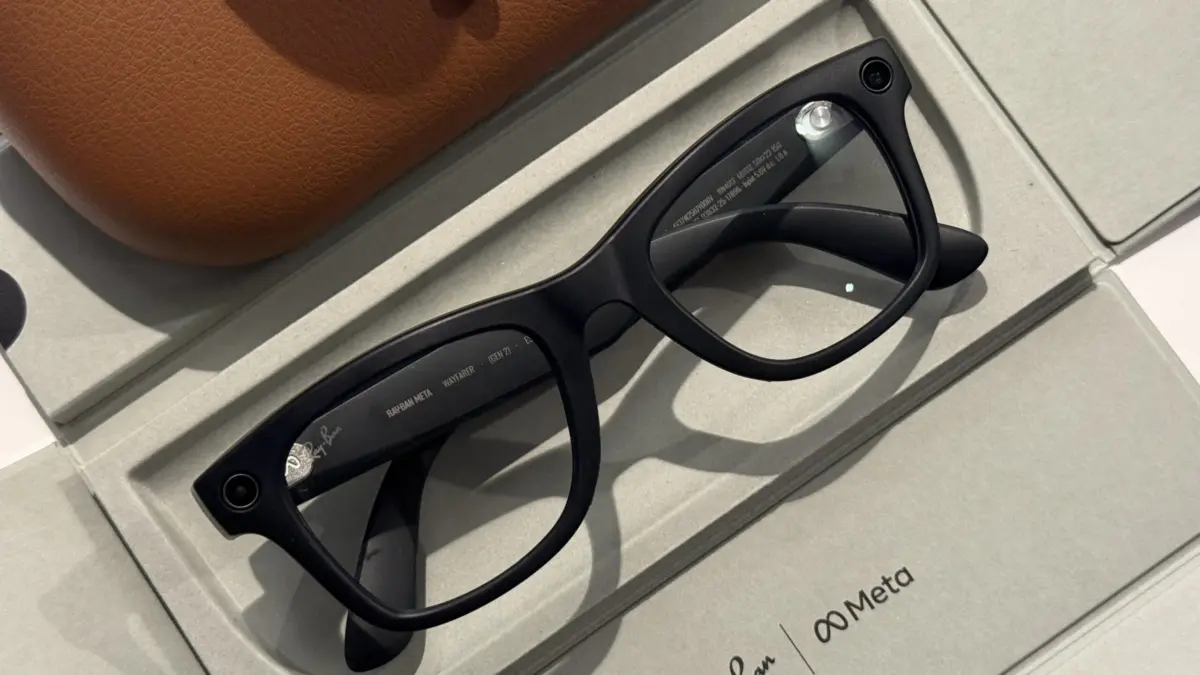
The summer of 2026 has been marked by a relentless wave of public scrutiny, cultural backlash, and regulatory apprehension surrounding smart glasses—with Meta sitting squarely in the crosshairs. As wearable artificial intelligence shifts from a futuristic novelty into an accessible consumer commodity, the friction between technological innovation and fundamental privacy rights has reached a boiling point.
Amid growing public unease—symbolized by viral social media movements and high-profile criticisms regarding surveillance—Meta has rolled out its second major software update of the season. Designed to thwart bad actors who intentionally disable or obscure the indicator lights on their camera-equipped frames, this patch is just the latest salvo in an ongoing cat-and-mouse game between tech giants and privacy advocates. Yet, as industry experts point out, software patches alone may not be enough to quell an escalating consumer revolt.
Main Facts: The Anatomy of Meta’s Latest Update and the Privacy Crisis
At the heart of the current controversy is the vulnerability of the capture LED—the small indicator light legally and ethically required to signal to bystanders that a photo or video is actively being recorded.
- The Loophole Closed: Meta’s newest firmware update targets a sophisticated work-around discovered by users attempting to bypass privacy safeguards. Previously, a software patch was introduced to automatically shut down camera recording if the LED light was physically tampered with or blocked. However, resourceful bad actors found a sequence to bypass this: initiating a recording before covering the light, thereby capturing unsuspecting subjects without a visible warning. The new update closes this loophole to ensure the capture LED remains a reliable indicator under all operational conditions.
- Leadership Acknowledgement: Alex Himel, head of Meta’s wearables division, announced the changes via social media, promising that the company will continue rolling out updates to ensure the capture LED reliably alerts bystanders.
- Beyond the Light: While physical indicator lights are the most visible battleground, Meta faces a dual-pronged privacy crisis. The second major concern involves how the tech giant handles, processes, and stores personal data—including photos and videos captured via smart glasses—within its cloud infrastructure.
- Industry-Wide Phenomenon: Meta is not alone in navigating these turbulent waters. The entire tech sector is barreling toward a wearable AI boom. Google and Samsung are gearing up for the commercial rollout of their respective camera-enabled smart glasses line (utilizing Gemini and Project Aura), Apple is widely rumored to debut its own iteration next year, and a host of competing hardware manufacturers are racing to capture market share.
Chronology: How Smart Glasses Became Summer’s Biggest Controversy
To understand how the smart glass market arrived at this precarious juncture, it is helpful to trace the timeline of escalating tensions over the past year:
- Late 2024 – Early 2025: Meta’s Ray-Ban smart glasses gain mainstream traction, blending classic aesthetic appeal with multimodal AI capabilities. While consumer adoption ticks upward, privacy watchdogs begin raising early flags regarding "creepshots" and unnoticeable recording.
- Spring 2026: Social media backlash reaches a fever pitch. Viral videos, think pieces, and cultural resistance—including high-profile cultural figures speaking out against covert recording devices—transform smart glasses from a geeky gadget into a symbol of unchecked corporate surveillance.
- Early Summer 2026: Meta deploys its first countermeasure, introducing firmware designed to deactivate the camera if the LED indicator is physically blocked or tampered with.
- Mid-Summer 2026: Users and bad actors quickly discover a sequencing loophole, initiating recordings prior to masking the LED light. Public trust takes another hit as privacy advocates demonstrate how easy it is to circumvent current safeguards.
- Late Summer 2026 (Present): Meta releases its second major firmware update of the season to patch the sequencing exploit. Concurrently, the company launches a broad public awareness ad campaign to educate consumers on how the capture LED functions.
- Upcoming (September 2026): All eyes turn toward the upcoming Meta Connect developer conference, where the company is expected to unveil new hardware iterations and advanced AI integrations, with privacy policy frameworks expected to dominate the discourse.
Supporting Data and Real-World Observations: The Gap Between Perception and Reality
Despite the overwhelming volume of online debate, podcasts, and social media threads decrying the dystopian potential of smart glasses, a fascinating disconnect exists between digital panic and physical reality.
Industry analysts and regular wearers note a distinct paradox: while the internet treats smart glasses as an omnipresent surveillance threat, actual sightings in the wild remain remarkably rare. In everyday urban and suburban environments, walking past someone wearing a pair of Ray-Ban Meta glasses is still an uncommon occurrence. For the average consumer, the technology is a topic of intense digital anxiety rather than a daily physical encounter.
This rarity contributes directly to the effectiveness of covert recording. In bright daylight, the tiny LED indicator light on many smart frames can be difficult to spot, even for vigilant bystanders. When combined with the low market penetration—meaning most people do not actively look for or recognize the subtle glow of a smart glass recording light—the potential for non-consensual documentation remains high.

Furthermore, hardware limitations present ongoing design challenges. Engineering a camera module compact enough to fit into the sleek, fashionable arms of designer frames while maintaining a foolproof, tamper-proof signaling mechanism has proven exceedingly difficult.
Official Responses and Alternative Solutions
Meta’s executive team has adopted a defensive yet proactive posture in addressing the public relations nightmare surrounding its wearables.
The Advertising Offensive
In addition to rolling out rapid firmware patches, Meta has initiated a comprehensive marketing campaign across digital and physical billboards. The core messaging of this campaign focuses on educating the public about the capture LED, attempting to build a cultural norm where people recognize and respect the warning light.
The Cat-and-Mouse Reality
Industry observers note that software patches will likely remain an endless game of whack-a-mole. As long as the hardware architecture relies on a programmable software-controlled LED, determined individuals will find inventive ways to subvert it through modified firmware, physical trickery, or specialized hardware accessories designed to mask light emissions without triggering system faults.
Radical Hardware Redesigns?
Could the ultimate solution be abandoning cameras altogether? Meta’s Chief Technology Officer, Andrew Bosworth, has previously hinted that future product lines might explore variations completely devoid of cameras. By focusing exclusively on audio inputs, AI assistants, and heads-up display information without optical capture capabilities, manufacturers could completely sidestep the privacy landmines associated with ubiquitous photography.
However, given that multimodal AI relies heavily on computer vision to "see" what the user sees—allowing the AI to answer questions about the physical environment—stripping the camera would significantly diminish the core utility that makes these devices attractive to consumers in the first place.
Implications: The Future of Wearable Tech and Social Etiquette
The ongoing privacy battle over smart glasses carries profound implications for the future of consumer electronics, legal frameworks, and social norms.

1. The Death of Public Anonymity?
As Apple, Google, Samsung, and Meta flood the market with ambient computing devices over the next 24 months, public spaces risk becoming saturated with passive recording technology. If recording devices become indistinguishable from normal prescription or sun eyewear, the psychological burden on the public increases. People may no longer feel secure in assuming their public activities are fleeting and unrecorded.
2. Regulatory and Legal Headwinds
Lawmakers globally are watching the smart glasses sector with intense scrutiny. Existing wiretapping and privacy laws were written decades before AI-powered facial recognition and continuous cloud-synced capture glasses existed. If tech companies cannot self-regulate effectively or maintain foolproof physical indicators, governments are almost certain to step in with draconian compliance mandates, heavy fines, or outright bans on camera-equipped wearables in sensitive zones (such as schools, locker rooms, and corporate offices).
3. The Evolution of Social Etiquette
Just as the introduction of the cell phone camera birthed new rules of social etiquette—such as asking permission before photographing strangers—smart glasses will require the development of entirely new cultural norms. Wearers will need to actively signal transparency, and communities may establish strict "no-wearable" zones, similar to current restrictions on mobile phones in theaters or secure facilities.
4. What to Expect at Meta Connect
As the tech world prepares for the annual Meta Connect conference next month, the stakes could not be higher. The company must strike a delicate balance: showcasing the breathtaking potential of ambient AI while convincing regulators, consumer advocates, and everyday citizens that privacy is treated as an uncompromised architecture rather than an afterthought patched together line of code by line of code.
Until a definitive hardware or legal standard is established, the smart glasses industry will remain suspended in this high-tech arms race—where every engineering solution is swiftly met with a human workaround, and the line between connectivity and surveillance continues to blur.
