WASHINGTON, D.C. — For generations, the household ironing board has stood as a necessary domestic evil: a cumbersome, metal-framed contraption that is notoriously difficult to maneuver, an eyesore to store, and universally dreaded on laundry day. While handheld clothes steamers have surged in popularity over recent years, offering a quick fix for light touch-ups, they frequently fall short when it comes to achieving the crisp, professional creases required for formal shirts, heavy trousers, and structured dresses.
Now, a quiet revolution in home design is challenging the status quo of laundry care. Leading the charge is the viral Joseph Joseph Tabletop Ironing Board, a product capturing the attention of apartment dwellers, minimalists, and organization experts alike. Available on Amazon in both 35- and 43-inch configurations, this compact home accessory is redefining how consumers approach garment care in spaces where every square foot counts.
Main Facts: The Anatomy of a Modern Space-Saver
The Joseph Joseph Tabletop Ironing Board addresses the core pain points of traditional ironing setups through clever engineering and ergonomic design.
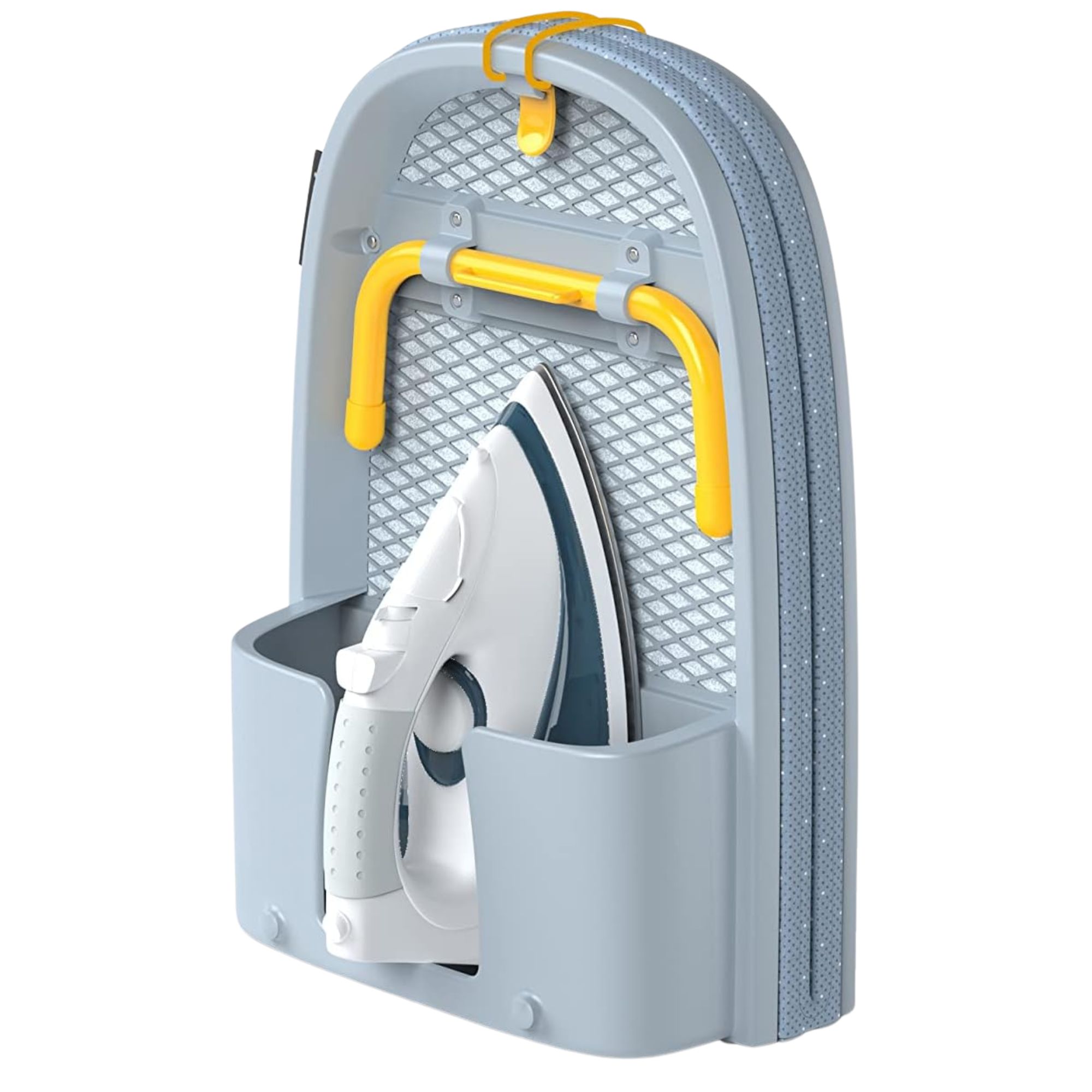
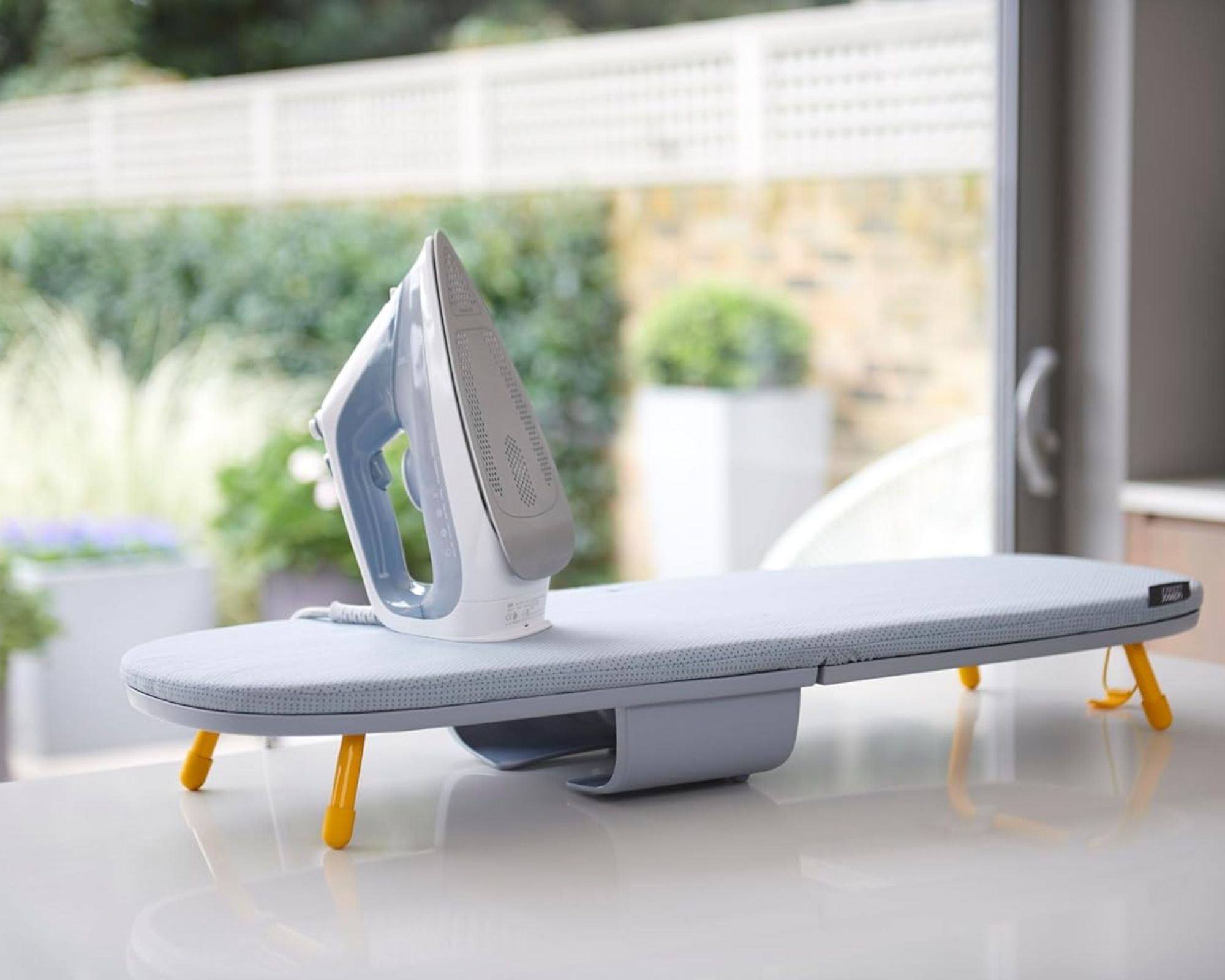
Innovative Folding Mechanism: Unlike conventional models that feature long, unwieldy folding legs, this tabletop iteration folds neatly in half, drastically reducing its storage footprint.
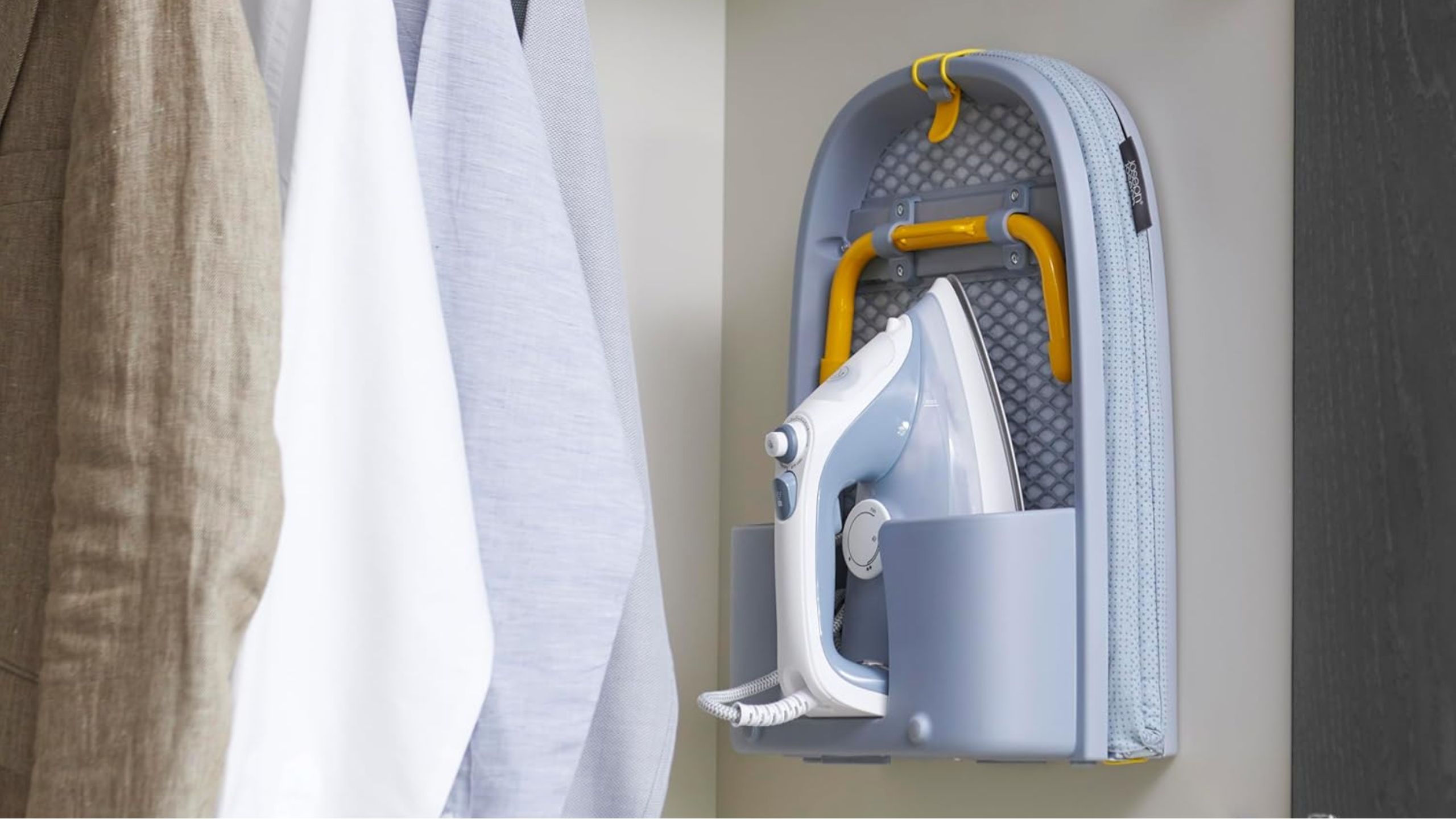
Integrated Storage Solution: The board comes equipped with a dedicated, heat-resistant compartment designed to house a standard-sized iron, keeping both tools together in one neat package.
Vertical Hanging System: Utilizing a sleek mounting hook, the folded board and iron can be hung securely on a wall or behind a door, leveraging unused vertical space.
Generous Surface Area: Despite its diminutive folded size, the deployed board provides a substantial ironing surface measuring 35.4 by 13 inches, offering ample room for garments of all shapes and sizes.
Acoustic and Structural Refinements: The design eliminates the notorious metal-grating screech and wobbling associated with low-cost, traditional ironing boards, utilizing a sturdy base layer and a thick, premium cover.
Chronology: The Evolution of the Ironing Board and the Rise of Compact Living
To understand the significance of the tabletop ironing board, industry analysts point to a broader shift in modern housing trends and domestic technology over the past century.
1. The Early 20th Century: The Birth of the Foldable Board
The foundational design of the modern ironing board dates back to the late 19th and early 20th centuries, with patents granted for wooden and metal boards featuring collapsible legs. These designs were created to save floor space in mid-century homes by allowing users to lean the board against a wall or tuck it into a utility closet when not in use.
2. The Late 20th Century: Stagnation in Design
For decades, the standard ironing board changed very little. While irons evolved from heavy, stove-heated cast iron blocks to sophisticated steam generators with digital controls, the ironing board remained a bulky, triangular metal frame wrapped in cotton. Apartment booms in major metropolitan areas throughout the 1980s and 1990s rendered these large boards increasingly impractical for urban renters.
3. The 2010s: The Steamer Craze
As urban living spaces grew smaller and urban professionals sought low-maintenance clothing care, handheld clothes steamers emerged as a formidable alternative. While effective for delicate fabrics and quick wrinkle-removal, consumers soon realized that steamers could not entirely replace the sharp, pressed finish of a traditional iron, leaving a gap in the market for a hybrid solution.
4. The Present Day: Smart Storage and Multi-Functionality
Today, brands like Joseph Joseph, Brabantia, and various direct-to-consumer home goods companies are heavily investing in multi-functional, space-saving laundry accessories. The launch and sustained viral success of the Joseph Joseph Tabletop Ironing Board mark a tipping point, proving that consumers are actively seeking aesthetically pleasing, highly efficient alternatives to legacy domestic hardware.
Supporting Data: Consumer Sentiment and Market Demand
The market response to compact laundry solutions speaks volumes about contemporary consumer habits.
With over 2,600 global customer reviews and maintaining an impressive 4.6-star rating on major e-commerce platforms like Amazon, the Joseph Joseph Tabletop Ironing Board has struck a chord with the public. Consumer data highlights several key metrics driving its popularity:
Space Optimization: Real estate and interior design surveys indicate that over 45% of urban renters and homeowners cite storage limitations as their primary frustration when purchasing household cleaning appliances.
Frequency of Use: Market research shows that consumers who own bulky ironing boards report using them 40% less frequently than those who own accessible, lightweight alternatives, largely due to the friction of setup and teardown.
Aesthetic Integration: Modern interior design trends heavily favor clutter-free environments. The ability to hang the board discreetly behind a laundry room door or slide it effortlessly under a bed removes the visual "eyesore" factor that causes many users to avoid ironing altogether.
Official Responses and Expert Insights
Interior designers and organization experts have widely praised the shift toward vertical storage and compact utility items.
"The biggest mistake people make in small laundry rooms or apartments is trying to scale down their lifestyle instead of scaling down their equipment," notes Sarah Jenkins, a professional home organizer based in Chicago. "You don’t need a smaller wardrobe; you need smarter tools. A folding tabletop board transforms any kitchen island, dining table, or countertop into an efficient pressing station in less than five seconds."
Verified purchasers echo these sentiments in glowing online reviews:
"This ironing board is super slick! It’s about 20 inches shorter than a full-size board… folds up neatly, has a bungee clip that keeps it secure once folded, and even has a little compartment that will easily hold a full-size iron. Easily slides under our bed when we want to hide it." — Robert, Verified Amazon Reviewer
"My built-in board is actually blocked by a more useful shelving unit… The size of a traditional style just turns me off when I think about storing it. This little unit is PERFECT! It’s lightweight but extremely well made and sturdy." — Jen, Verified Amazon Reviewer
Implications: What This Means for the Future of Home Goods
The success of compact ironing solutions signals a broader, permanent shift in how manufacturers design everyday household items. As urban density increases and average home sizes continue to plateau or shrink in major metropolitan areas, the demand for single-purpose, space-heavy appliances is rapidly declining.
1. The Death of the Single-Purpose Bulky Appliance
Manufacturers can no longer rely on tradition alone to sell domestic goods. Consumers demand versatility, ease of storage, and aesthetic compatibility. Future product development in the laundry sector will likely focus on modularity—items that serve multiple functions or disappear completely into the architectural fabric of the home when not in use.
2. Elevated Design in Utility Spaces
Utility rooms, closets, and laundry corners are no longer treated as purely functional, neglected zones. With open-concept floor plans and multi-use living spaces becoming standard, homeowners want their cleaning tools to match the sleek, modern aesthetic of their primary living areas.
3. Expansion of the Eco-System
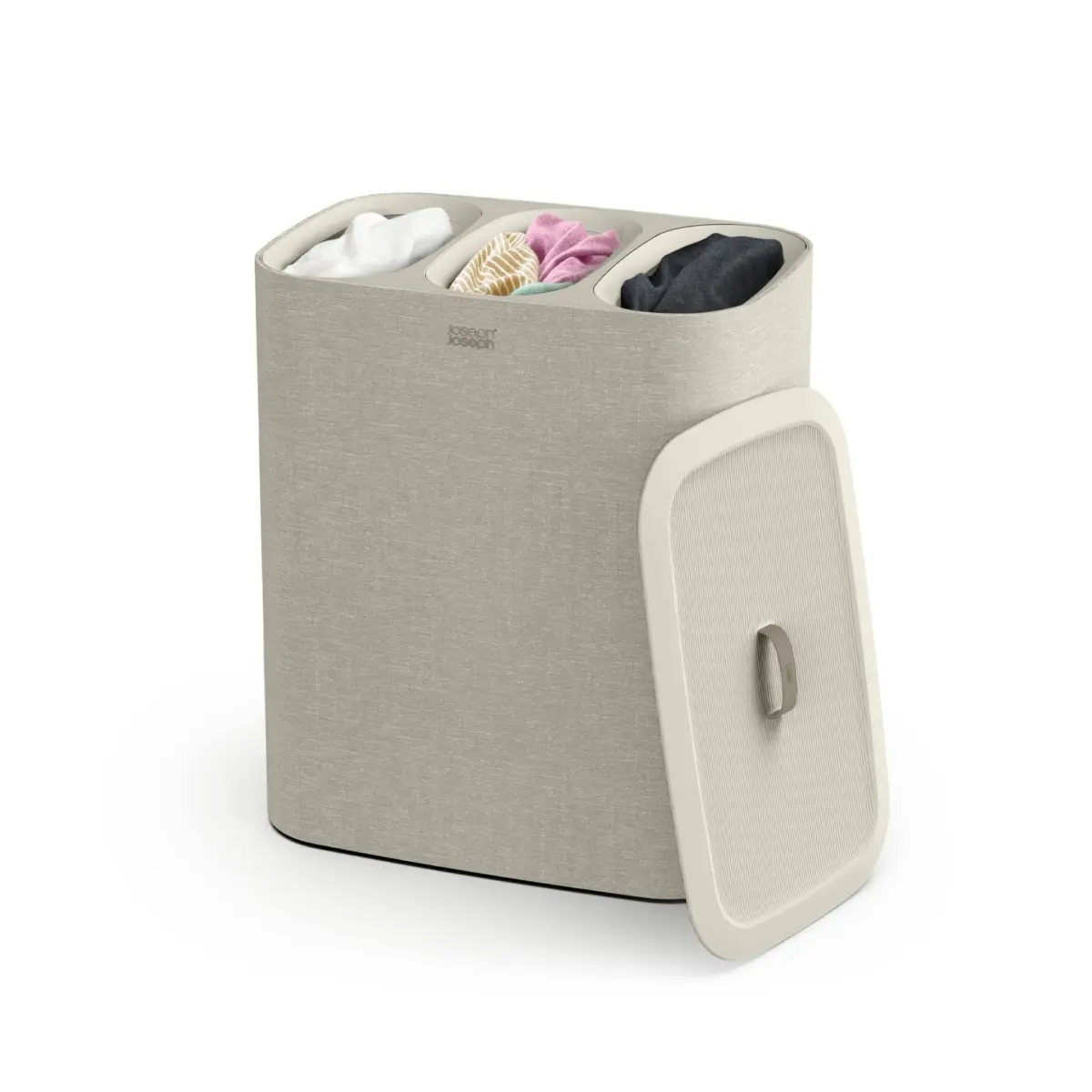
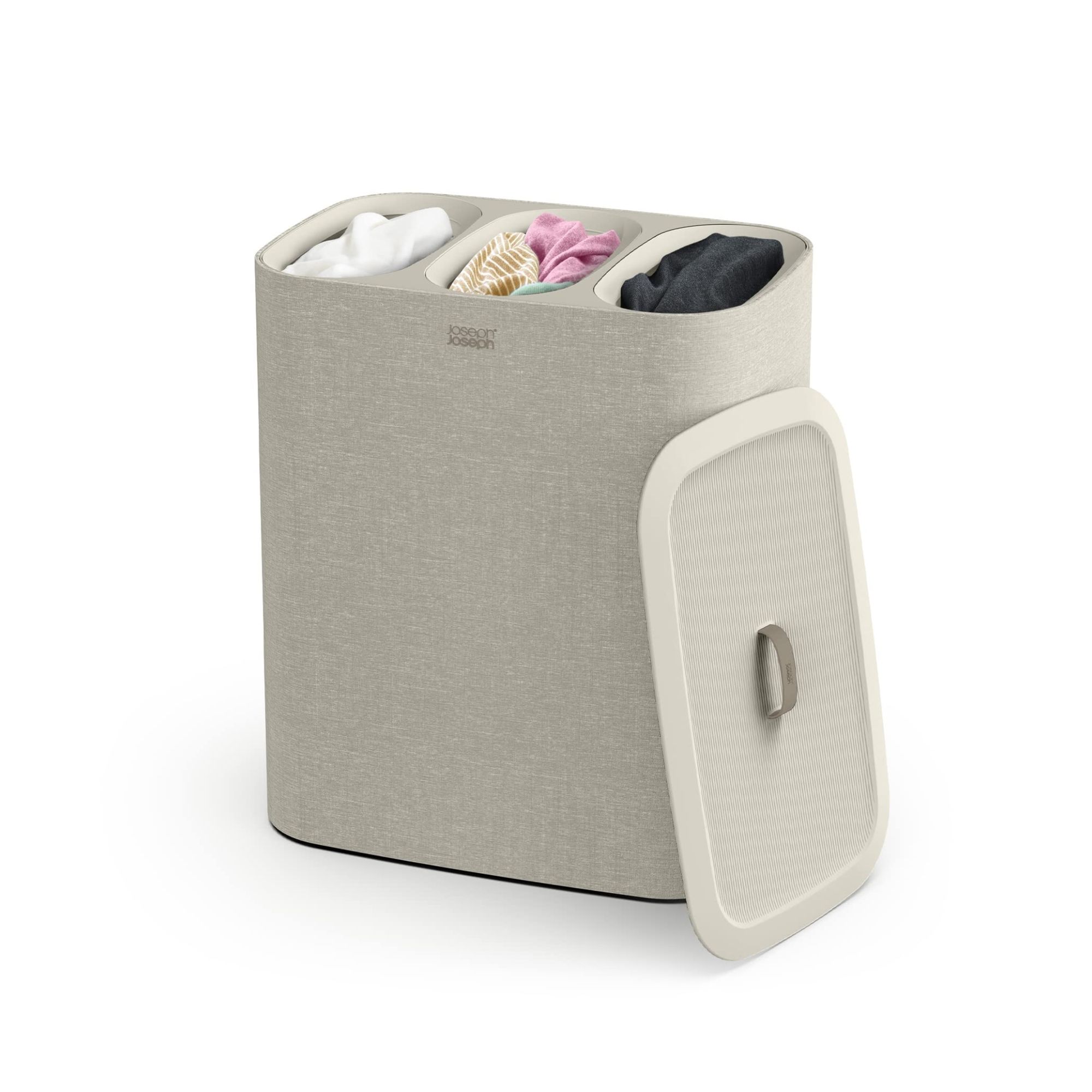
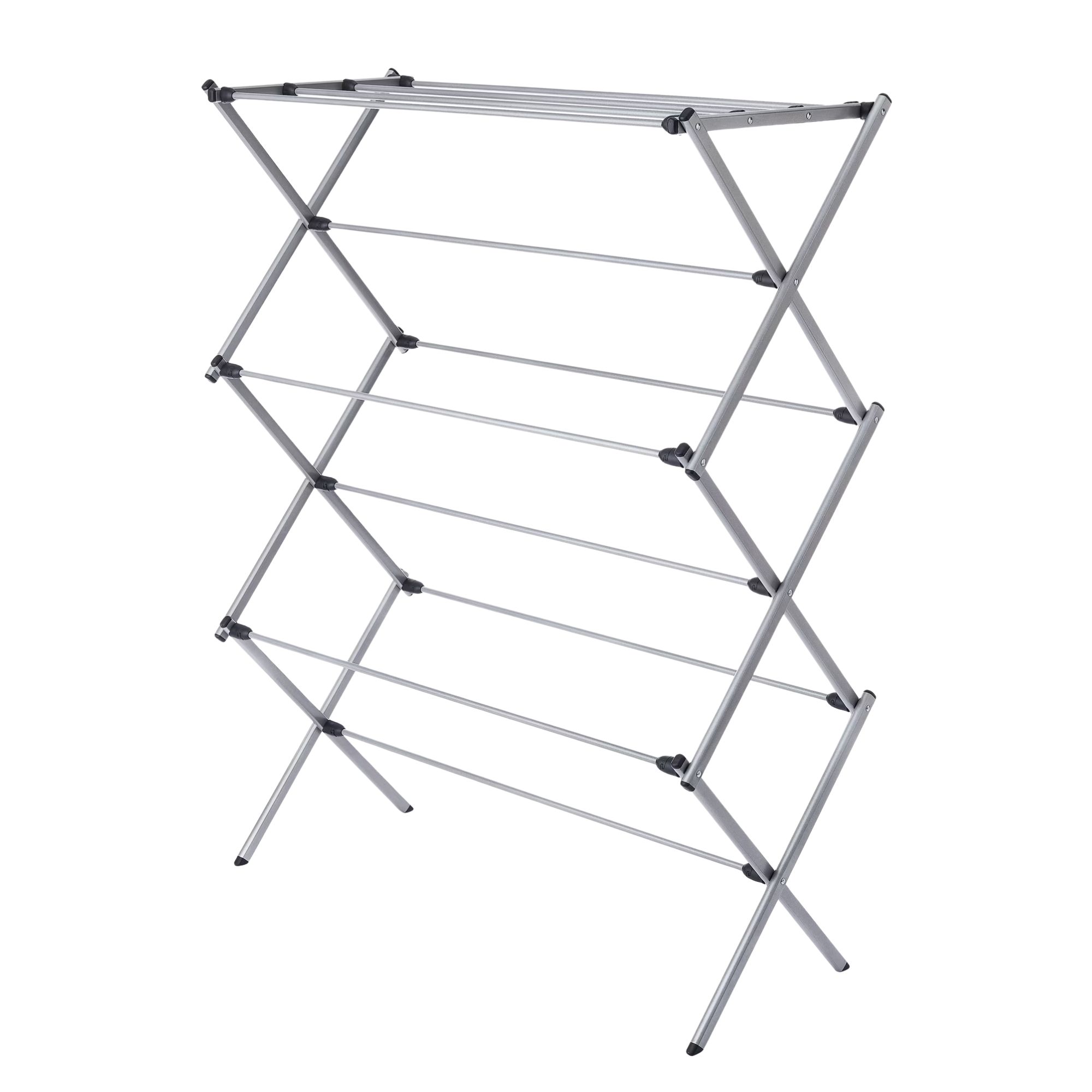
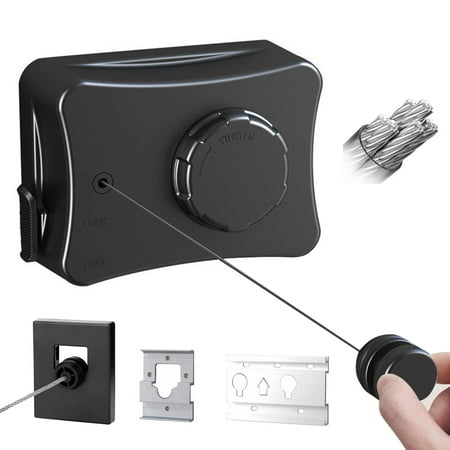
Beyond ironing boards, brands are expanding their portfolios to include complementary compact solutions—such as collapsible multi-tier drying racks, wall-mounted foldaway clothes hooks, and segmented laundry hampers like the Joseph Joseph Tota Trio. This holistic approach to small-space living ensures that consumers can build a fully cohesive, highly efficient laundry ecosystem regardless of their home’s square footage.
Ultimately, the humble ironing board has proven that even the most stubborn domestic rituals can be successfully reinvented for the modern era. By prioritizing clever engineering, spatial awareness, and user convenience, innovative home brands are turning one of laundry day’s greatest chores into a seamless, stress-free experience.